Busan•Market•Traditional Market
Jagalchi Fish Market
자갈치시장
Powered by Korea Tourism OrganizationAddress: Jagalchi Fish Market, Busan, South Korea (부산광역시 중구 자갈치해안로 52)
Editorial review pending
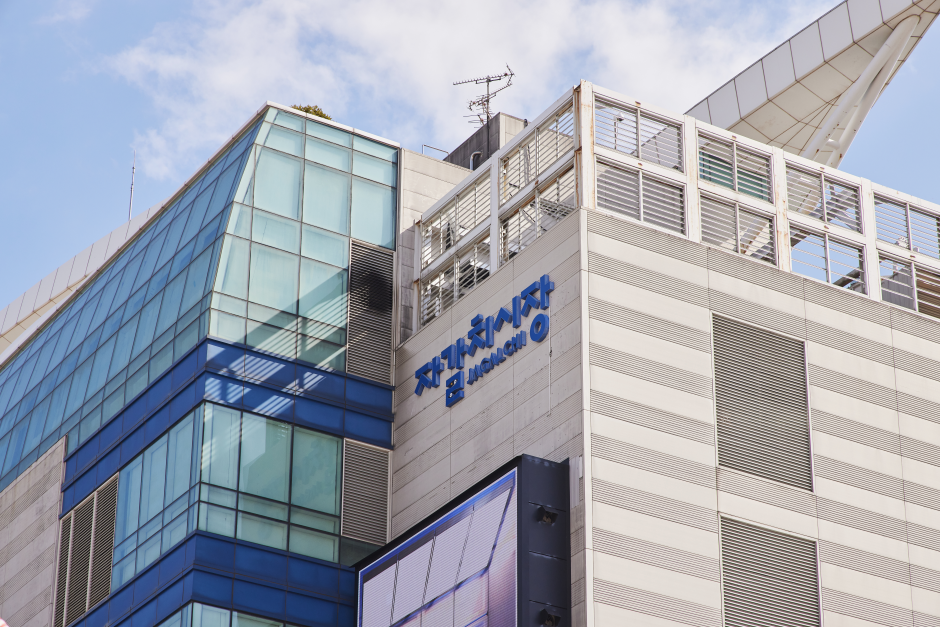
Jagalchi Fish Market representative scenic panoramaZoom


+1More
1 / 6
Jagalchi Fish Market representative scenic panorama
Curator's Guide & Overview
Comprehensive Guide1. Historical Origins & Cultural Background
Jagalchi Market originated following the Korean War when displaced women established makeshift stalls along the gravel beaches ('jagal-gil') of Nampo-dong to support their families. Known affectionately as 'Jagalchi Ajumma', these resilient matriarchs cemented the market as the living symbol of Busan's indomitable maritime spirit.
2. Architectural Highlights & Key Structures
The iconic modern main building is shaped like a soaring seagull overlooking the South Port. The ground floor houses hundreds of wet fish stalls with bubbling seawater tanks, while the second floor features dried fish merchants and bustling sashimi slicing restaurants with panoramic floor-to-ceiling harbor views.
3. Four Seasons Landscape & Seasonal Visiting Charms
Spring brings bountiful hauls of wild spring flounder and sea squirts. Summer sees cooling sea breezes along the harbor terrace. Autumn hosts the lively Jagalchi Festival with seafood parades, while winter brings peak season for giant red king crabs and steaming clam pots.
4. Operating Hours & Peak Viewing Times
The market opens daily from 05:00 to 22:00, with fish auctions starting before dawn. Second-floor dining halls are busiest between 12:00 and 20:00. The market closes on the first and third Tuesday of each month for deep sanitation cleaning.
5. Admission Fees & Concessions (Youth/Foreigner Discounts)
Admission to stroll the market and open pier is free. Selecting live fish on the first floor typically costs 30,000 to 60,000 KRW for a generous multi-fish platter, plus a modest table fee (chojang-jip) of 5,000 KRW per person on the second floor including dipping sauces, wraps, and side dishes.
6. Public Transit & Subway Exit Directions
Take Busan Subway Line 1 to Jagalchi Station (Exit 10) and walk straight toward the water for 3 minutes. Alternatively, Nampo Station (Exit 2) leads directly to the eastern pier entrance of the fish market.
7. Barrier-Free Accessibility & Visitor Amenities
The main modern market building offers full wheelchair accessibility, including wide automated entrances, spacious commercial elevators between floors, level tiled walking corridors, and dedicated disabled parking bays outside.
8. Recommended Walking Route & Highlights Tour
Enter ground-floor wet market to admire live sea creatures → purchase fresh flatfish or sea bream → head to the second-floor restaurant for instant sashimi preparation with spicy Maeuntang fish stew → ascend to the 7th-floor rooftop observatory for South Port and Yeongdo Bridge views.
9. Local Food Specialties & Regional Flavors
Savor freshly sliced live flounder (gwang-eo) and rockfish, grilled buttered abalone, live wriggling octopus (sannakji), savory grilled sea eel (jang-eo gui) over briquettes, and rich, peppery fish bone stew (maeuntang) served with hot rice.
10. Dietary Options (Vegetarian, Halal & Allergen Guide)
While heavily pescatarian, several stalls offer grilled tofu, vegetable bibimbap, and soybean paste stew. Halal and kosher diners frequently choose live fish and abalone prepared without meat broths or pork lard.
11. Signature Photo Spots & Golden Hour Lighting
The 7th-floor rooftop sky deck provides a dramatic vantage point capturing colorful fishing trawlers docked at South Port against the Yeongdo Bridge backdrop. The neon-lit ground-floor fish stalls with jumping sea bream offer dynamic street portraits.
12. Visitor Etiquette & Cultural Property Regulations
Wear comfortable, non-slip footwear as the ground-floor fish hall floor is wet from flowing seawater. Haggling should be polite and respectful, and photography should avoid obstructing active fishmongers cleaning catch.
13. Safety Precautions & 1330 Tourism Hotline Support
The market maintains automated AEDs and a first aid room on the second floor. Jagalchi Coast Guard Box and Nampo Police Station are adjacent. Dial 1330 for English/Japanese communication assistance with vendors.
14. Nearby Connected Attractions & Walking Links
Directly across the street is BIFF Square and Gukje Market, while the historic Yeongdo Bridge (which lifts daily at 14:00) and Lotte Mall Gwangbok Observation Deck are just a 5-minute walk east.
15. Frequently Asked Questions (FAQ)
Q: How does purchasing and eating work? A: Pick your live seafood directly from first-floor tanks, negotiate the price, and the vendor will assign a staff member to escort you and your freshly prepped seafood to a second-floor dining table.
16. Regional Extended Day Trip Itinerary
Morning visit to Jagalchi Market and fresh seafood lunch → walk across Yeongdo Bridge to Huinnyeoul Culture Village → afternoon coffee overlooking the coastal cliffs → evening shopping at BIFF Square and Nampo-dong.
Essential Visitor Facts
Operating Hours
05:00 - 22:00 (First and third Tuesday of each month closed)
Admission / Price
Free Market Entry
Closed Days
Open 365 Days
Best Time to Visit
Morning (around 09:30-10:00)
Transit & Access Directions
Subway Line 1 Jagalchi Station Exit 10 (3 min walk) or Nampo Station Exit 2
Accessibility & Special Amenities
Wheelchair ramps, tactile paving, accessible restrooms
✓ Halal Options Nearby
Location Coordinates
Latitude: 35.0968
Longitude: 129.0306
Discover Themes & Highlights
Key interest areas and cultural highlights:
#jagalchi-fish-market#VisitBusan#KoreaTravelAtlas
Community Traveler Reviews0 Reviews
Visitor tips, feedback, and questions submitted by real travelers.
No community reviews submitted yet. Be the first traveler to share your experience!
Practical Guides: Busan
Busan
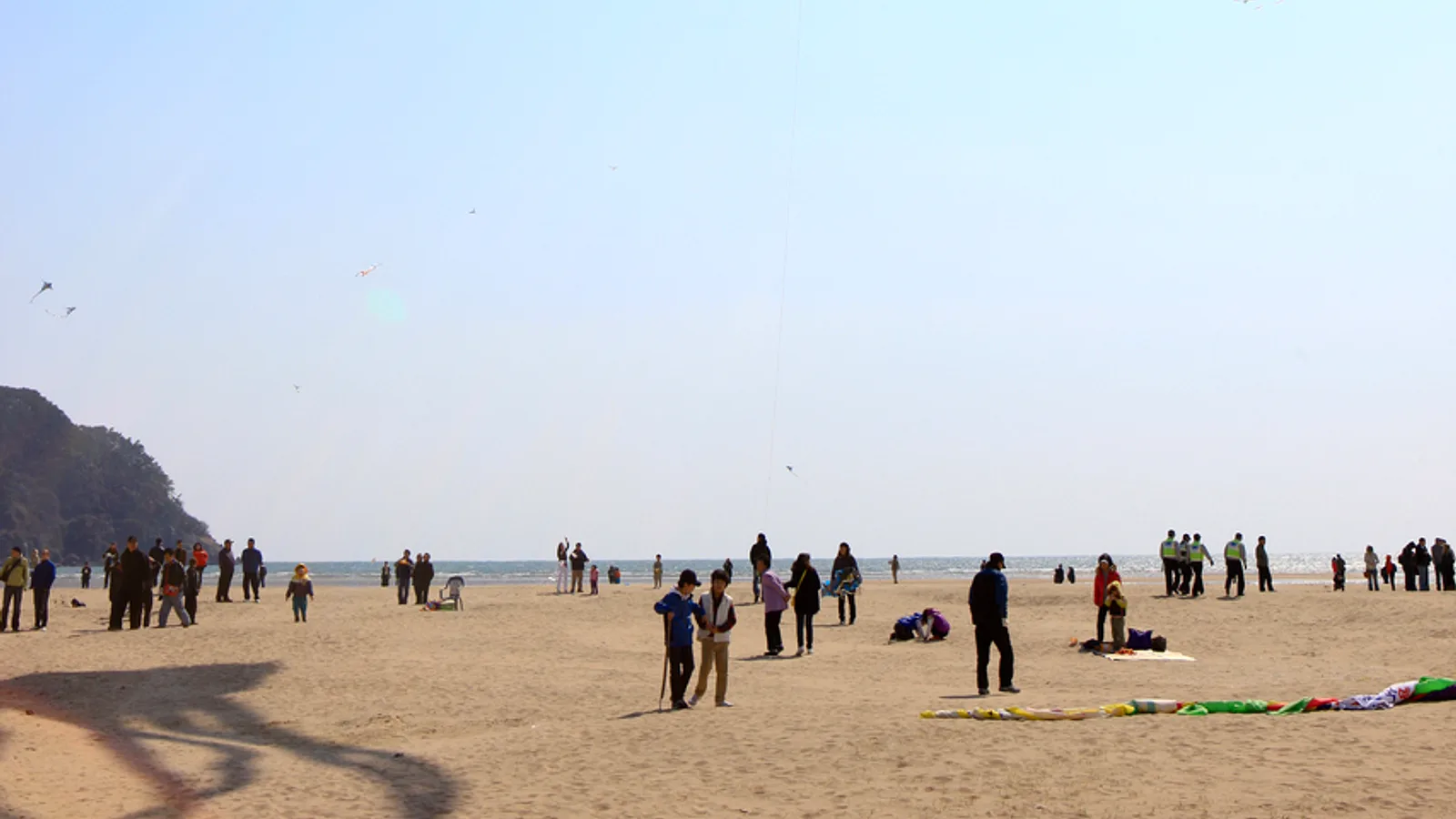
Eulsukdo and the Nakdong River Estuary: Wetlands, Birds and Bike Paths in Busan
Eulsukdo, a bird sanctuary island at the mouth of the Nakdong River in Busan, offers reed beds, seasonal waterbirds and flat bike paths, and pairs well with Dadaepo Beach.
Busan
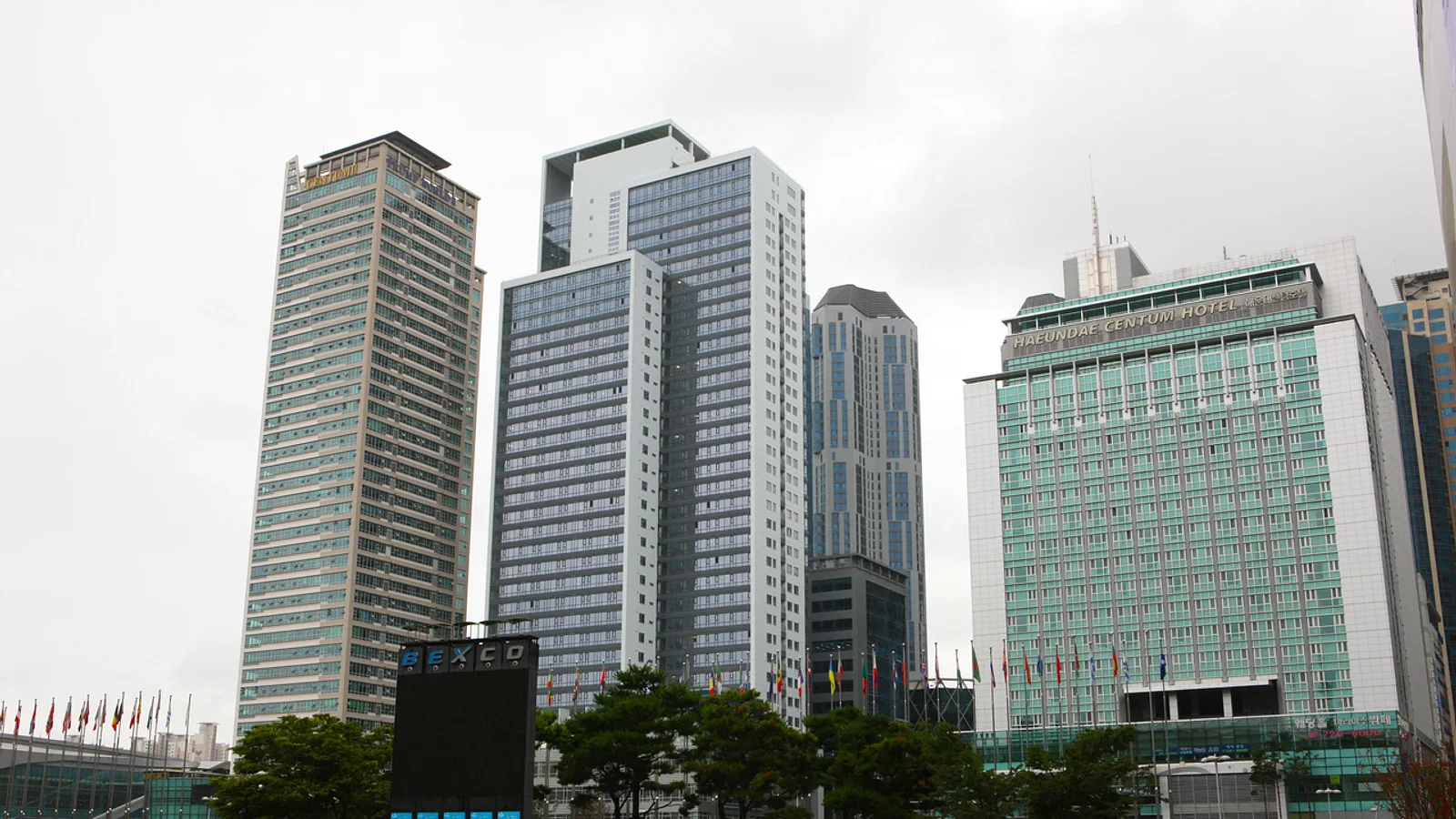
Busan Culture Day: Busan Museum of Art, Museum of Contemporary Art and F1963
A practical plan for a culture-focused day in Busan, combining Busan Museum of Art with its Lee Ufan Space, the Museum of Contemporary Art Busan on Eulsukdo, and the F1963 culture complex.
Busan
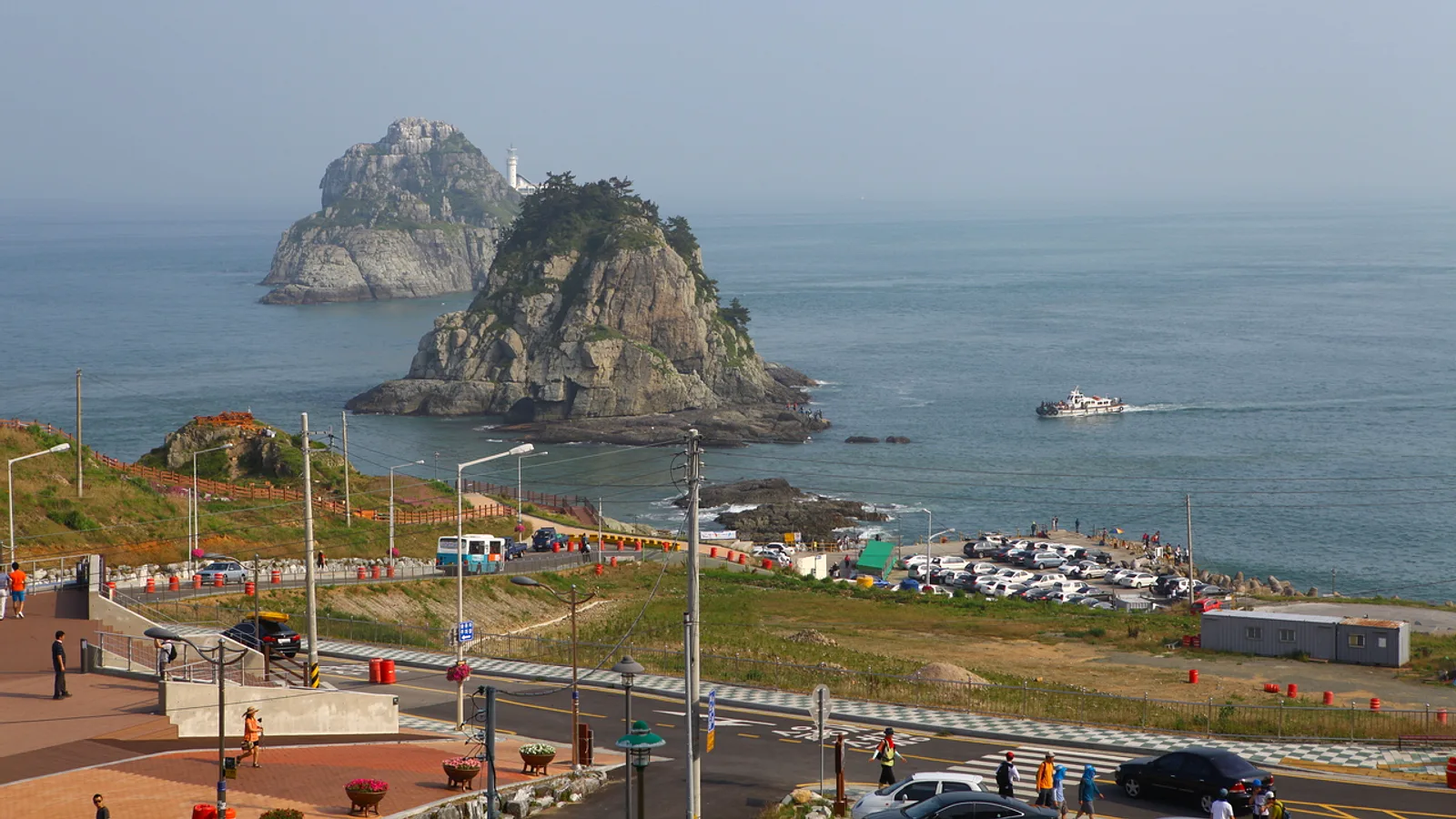
Igidae Coastal Walk in Busan: Cliff Trail, Oryukdo and the Marine City Skyline
A practical guide to Igidae Park's cliff-top trail in Busan, covering the route to the Oryukdo Skywalk, the view of Haeundae's towers, getting there by bus, and what to wear.
Connected Cultural Destinations
Handpicked nearby attractions and regional cultural highlights.

Gamcheon Culture Village
감천문화마을203 Gamnae 2-ro, Saha-gu, Busan
Gamcheon Culture Village in Saha-gu, Busan, is a vibrant hillside community celebrated as "Korea's Santorini" or "Machu Picchu of Busan" for its terraced rows of pastel-hued residences clinging to ...
HalalMorning (around 09:30-10:00)
Details→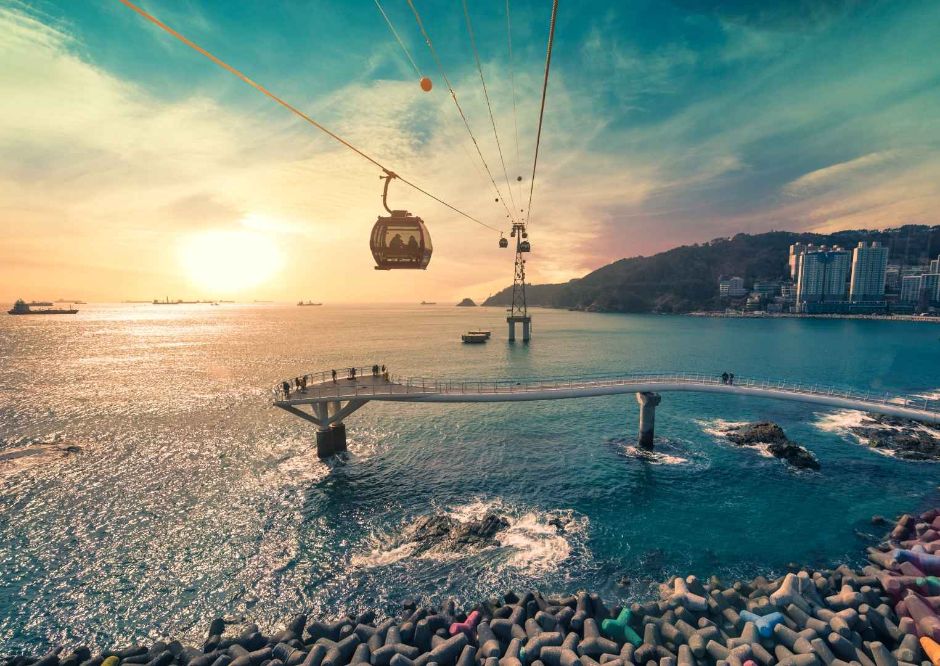
Songdo Marine Cable Car
송도해상케이블카Songdo Marine Cable Car, Busan, South Korea
Songdo Marine Cable Car spans 1.62 kilometers across the sea at heights of up to 86 meters, connecting Songdo Beach to Amnam Park with transparent glass-bottom Crystal Cabins.
HalalMorning (around 09:30-10:00)
Details→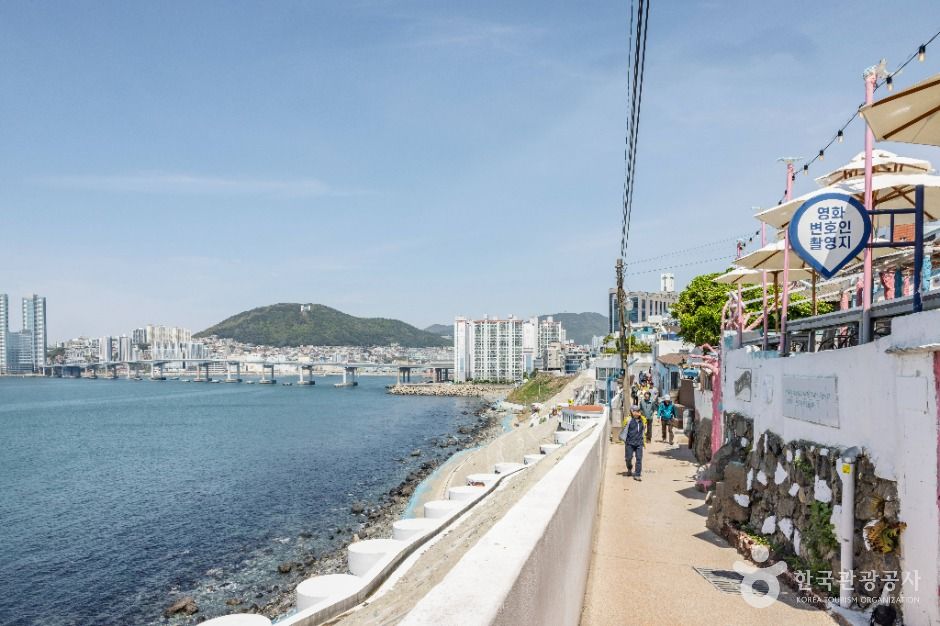
Huinnyeoul Culture Village
흰여울문화마을Huinnyeoul Culture Village, Busan, South Korea
Huinnyeoul Culture Village is a picturesque cliffside artistic enclave on Yeongdo Island overlooking the Busan South Sea, celebrated as "Korea’s Santorini" for whitewashed alleyways and coastal tun...
HalalMorning (around 09:30-10:00)
Details→
BIFF Square & Nampo-dong
BIFF 광장 및 남포동BIFF Square & Nampo-dong, Busan, South Korea
BIFF Square is the historic heart of the Busan International Film Festival, celebrated for bronze handprints of legendary cineastes, crispy ssiat hotteok street stalls, and lively shopping avenues.
HalalMorning (around 09:30-10:00)
Details→