Gangwon•Gangneung•Nature•Mountain & Trail
Anbandeok Highland Rye Plateau
강릉 안반데기
Powered by Korea Tourism OrganizationAddress: Anbandeok Highland Rye Plateau, Gangneung, Gangwon, South Korea (강원특별자치도 강릉시 왕산면 안반덕길 428 (대기리))
Editorial review pending

Anbandeok Highland Rye Plateau representative scenic panoramaZoom
+1More
1 / 6
Anbandeok Highland Rye Plateau representative scenic panorama
Curator's Guide & Overview
Comprehensive Guide1. Historical Origins & Cultural Background
Perched at an elevation of 1,100 meters on the rugged crest of the Baekdudaegan mountain range, Anbandeok (also known as Anbandegi) is the highest residential farming settlement in South Korea. The name derives from 'anban,' a concave wooden pounding block used in traditional rice cake making, describing the topography of this gently sloped alpine bowl. Settled in the 1960s by hardy pioneer farmers who cleared rocky glacial hillsides by hand, this 198-hectare highland has evolved from a subsistence settlement into Korea's premier highland agriculture and astronomy showpiece.
2. Architectural Highlights & Key Structures
The visual spectacle of Anbandeok is dominated by vast, undulating terraces carpeted in sea-green alpine cabbage, framed by a skyline of colossal white wind turbines rotating steadily against rushing clouds. Two commanding lookout pavilions anchor the ridge: Mungmeong Observation Deck (offering direct views over the sunrise horizon toward the East Sea) and Wauni Observation Deck (overlooking the inner farm amphitheater). At night, free of light pollution, the plateau turns into an astronomical theater where the galactic core of the Milky Way arcs overhead.
3. Four Seasons Landscape & Seasonal Visiting Charms
Spring witnesses the preparation of the highland loam and the planting of young cabbage seedlings against brilliant blue alpine skies. Summer (July through August) is the visual zenith, when nearly 2 million cabbage heads create an endless emerald green carpet across the rolling slopes. Late summer brings the mechanical harvest in late August, followed by autumn (September to November) when the plateau takes on golden rye hues under crisp starlit nights. Winter (December to February) brings heavy alpine snowfalls, turning the plateau into an arctic-like expanse of rolling white drifts with whirring wind towers.
4. Operating Hours & Peak Viewing Times
The plateau roads, hiking trails, and public lookouts are open 24 hours a day year-round with free access. The premier visiting timeframe for daytime vistas is 05:30 to 09:00 for magical East Sea sunrise rays breaking through the cloud sea. For astrophotographers and stargazers, optimal viewing occurs between 22:00 and 03:00 during new moon phases (the 3 to 4 nights around the lunar new moon from May through October) when atmospheric transparency is at its peak.
5. Admission Fees & Concessions (Youth/Foreigner Discounts)
Admission to Anbandeok and its observation decks is completely free of charge. Complimentary public parking is provided at the Anbandegi Village Center (Wau-gil) and the lower parking lots. Because mountain roads are narrow and single-laned near the high ridge, visitors must park in designated lots and walk the remaining 10 to 15 minutes to the lookouts.
6. Public Transit & Subway Exit Directions
Due to its remote mountain location with no direct public transit buses to the summit, traveling by rental car or private taxi is essential. From KTX Gangneung Station, drive via National Route 35 and local mountain roads to Daegi-ri (approx. 40 minutes). From Pyeongchang Hoenggye Bus Terminal (near Daegwallyeong), driving takes only 20 to 25 minutes. Taxis from Hoenggye to Anbandeok cost approximately 30,000 to 35,000 KRW one way.
7. Barrier-Free Accessibility & Visitor Amenities
The main asphalt and concrete service roads leading through the village center are paved; however, the pedestrian paths to Mungmeong Deck and Wauni Deck feature steep gravel and dirt inclines not fully suited for independent wheelchair users. Visitors with reduced mobility can comfortably enjoy panoramic mountain views and starry skies directly from the paved parking areas near the Mae-bong-san wind turbine bases.
8. Recommended Walking Route & Highlights Tour
Recommended 3-Hour Sunset & Milky Way Stargazing Tour: Arrive at Anbandeok Village Center at 17:30 → Walk up the winding farm trail to Mungmeong Observation Deck → Watch the setting sun bathe the wind turbines in rose-gold twilight → Walk back to the cafe area for a warm cup of coffee or herbal tea → As complete darkness falls at 21:00, set up camera tripods near the wind turbine meadow → Marvel at the arc of the Milky Way and constellations across the sky.
9. Local Food Specialties & Regional Flavors
Highland agriculture here produces Korea's most sought-after mineral-dense produce. While dining options on the high ridge are limited to a small village rest stop selling boiled highland corn, cup noodles, and hot sweet potato snacks, nearby Hoenggye and Gangneung offer culinary royalty: Daegwallyeong Hanwoo (charcoal-grilled premium Korean beef), spicy Osam Bulgogi (stir-fried squid and pork belly), potato ongsimi (chewy potato dumpling soup), and wild herb bibimbap.
10. Dietary Options (Vegetarian, Halal & Allergen Guide)
Due to the remote wilderness setting, vegetarian visitors should enjoy meals in Hoenggye or Gangneung city before ascending. Exceptional options include Gangneung's Chodang Sundubu (soft tofu), potato pancakes, buckwheat makguksu, and roasted mountain vegetables. Car-camping stargazers typically bring insulated thermoses of hot water, trail nuts, fruit, and vegetarian energy packs.
11. Signature Photo Spots & Golden Hour Lighting
World-class photo compositions: capturing the galactic arc of the Milky Way spanning directly over the revolving blades of giant wind turbine #1, panoramic sunrise shots looking east over the layered sea of mountain fog from Mungmeong Deck, high-contrast daytime shots of the vibrant emerald cabbage terraces undulating like ocean waves, and car light-trail long exposures tracing the winding switchbacks.
12. Visitor Etiquette & Cultural Property Regulations
Anbandeok is working agricultural farmland where farmers cultivate essential food crops. Stepping into the cabbage fields, trampling crops, or picking produce without permission is strictly prohibited by law. Do not shine bright headlights, green laser pointers, or high-intensity flashlights across the fields during night stargazing, as this ruins long-exposure photography for fellow astrophotographers. Pack out all trash.
13. Safety Precautions & 1330 Tourism Hotline Support
At 1,100 meters, temperatures are consistently 8 to 10 degrees Celsius cooler than coastal Gangneung, with fierce wind chill year-round. Even in midsummer (July/August), nighttime temperatures regularly plunge to 12-15°C, requiring a warm fleece, windbreaker, or padded jacket. In winter, 4WD vehicles and winter snow chains are mandatory due to black ice. In case of vehicle emergency or severe weather, call the Gangneung Mountain Rescue or dial 1330.
14. Nearby Connected Attractions & Walking Links
Combine Anbandeok with the historic Daegwallyeong Sheep Farm and Samyang Eco Farm located 20 minutes north, or descend east to the historic cultural sites of Ojukheon and Gyeongpodae Beach in Gangneung.
15. Frequently Asked Questions (FAQ)
Q: When is the cabbage completely green and full? A: The optimal cabbage-viewing window is late July through mid-August; harvest begins in late August, after which the fields are cleared. Q: Can I see the Milky Way on a cloudy night? A: No, astrophotography requires clear skies with low humidity; always check satellite cloud cover and lunar calendar apps before embarking.
16. Regional Extended Day Trip Itinerary
Gangneung Alpine & Starlight Exploration: Afternoon KTX to Gangneung → fresh seafood or Chodang tofu lunch → scenic mountain drive up to Anbandeok Plateau → sunset viewing from Mungmeong Deck over the windmills → late night stargazing and Milky Way photography under pristine dark skies → overnight stay in Daegwallyeong or Gangneung.
Essential Visitor Facts
Operating Hours
Open 24/7 year-round (Best Milky Way stargazing from 22:00 to 03:00 on moonless nights; Sunrise at dawn)
Admission / Price
Free Public Admission
Closed Days
Open 365 Days
Best Time to Visit
Morning (around 09:30-10:00)
Transit & Access Directions
From KTX Gangneung Station or Hoenggye Bus Terminal, travel by rental car or taxi up Wangsan-myeon mountain access road (approx. 40 mins from Gangneung, 20 mins from Hoenggye)
Accessibility & Special Amenities
Wheelchair ramps, tactile paving, accessible restrooms
Location Coordinates
Latitude: 37.6012
Longitude: 128.7525
Discover Themes & Highlights
Key interest areas and cultural highlights:
#anbandeok-wind-village#VisitGangwon#KoreaTravelAtlas
Community Traveler Reviews0 Reviews
Visitor tips, feedback, and questions submitted by real travelers.
No community reviews submitted yet. Be the first traveler to share your experience!
Connected Cultural Destinations
Handpicked nearby attractions and regional cultural highlights.
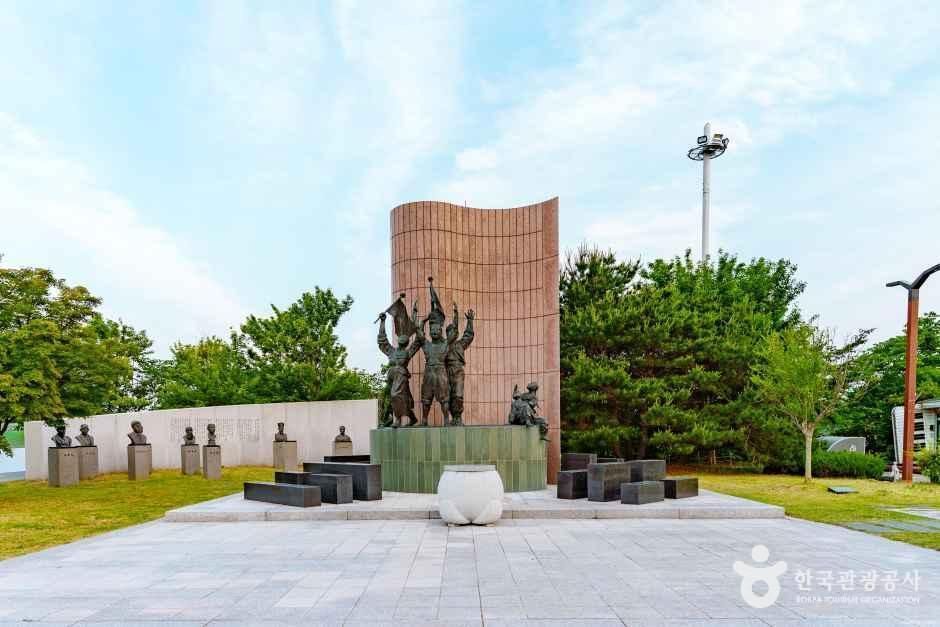
Gyeongpodae Beach & Pavilion
강릉 경포대 및 경포해변Gyeongpodae Beach & Pavilion, Gangneung, Gangwon, South Korea
Gyeongpodae Beach & Historic Pavilion is Gangneung’s premier coastal sanctuary, pairing a 6-kilometer white sand beach on the East Sea with a celebrated 14th-century wooden pavilion overlooking a n...
Morning (around 09:30-10:00)
Details→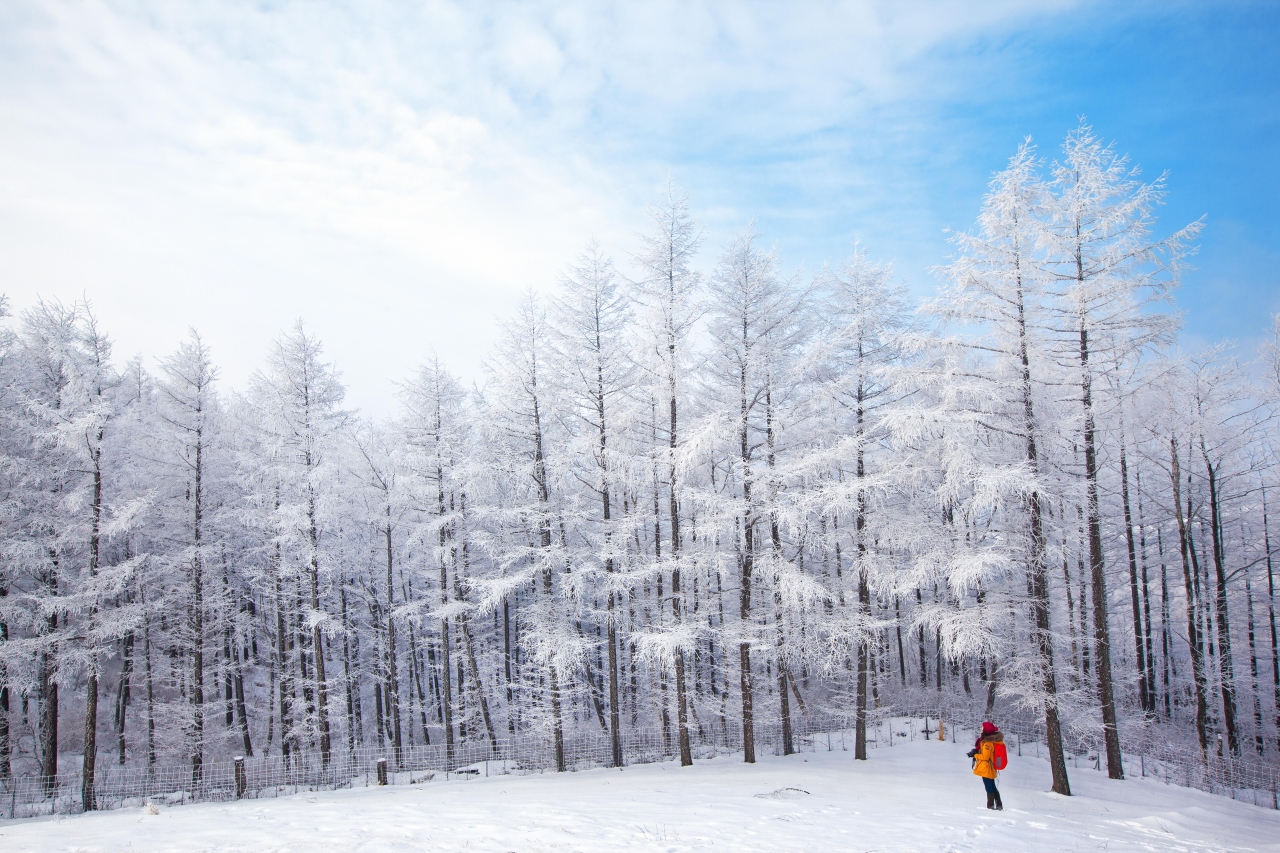
Daegwallyeong Highland Sheep Farm
대관령 양떼목장Daegwallyeong Highland Sheep Farm, Pyeongchang, Gangwon, South Korea
Daegwallyeong Highland Sheep Farm is South Korea’s iconic alpine pastoral paradise, situated at an altitude of 850 meters on the Baekdudaegan mountain ridge in Pyeongchang, featuring rolling green ...
Morning (around 09:30-10:00)
Details→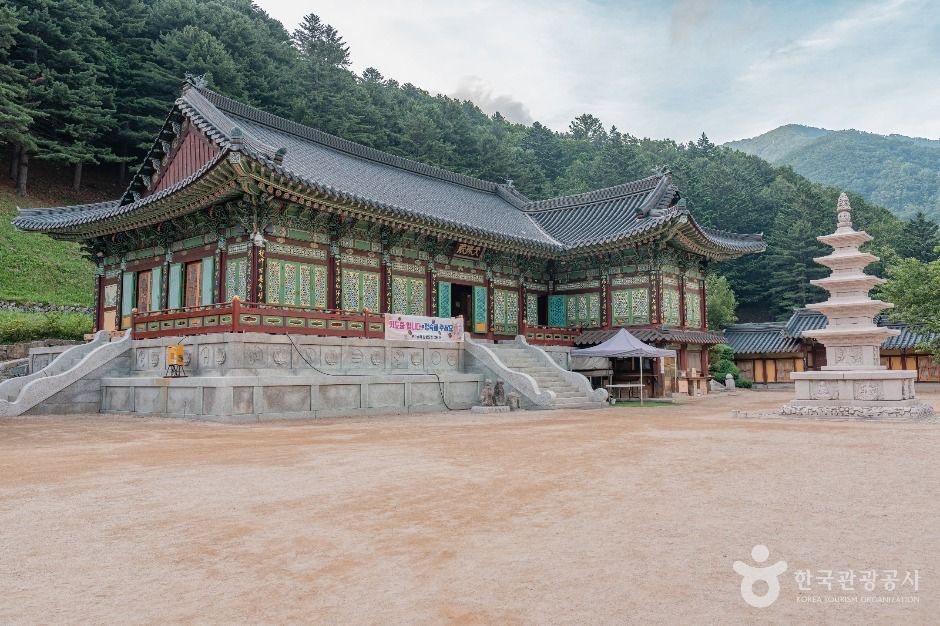
Odaesan National Park & Woljeongsa Fir Forest
오대산 월정사 전나무숲길Odaesan National Park & Woljeongsa Fir Forest, Pyeongchang, Gangwon, South Korea
Odaesan National Park and Woljeongsa Temple Fir Forest is a millennium-old Buddhist haven in Pyeongchang, famous for its 1,700 ancient needle fir trees, national treasures including the Octagonal N...
Morning (around 09:30-10:00)
Details→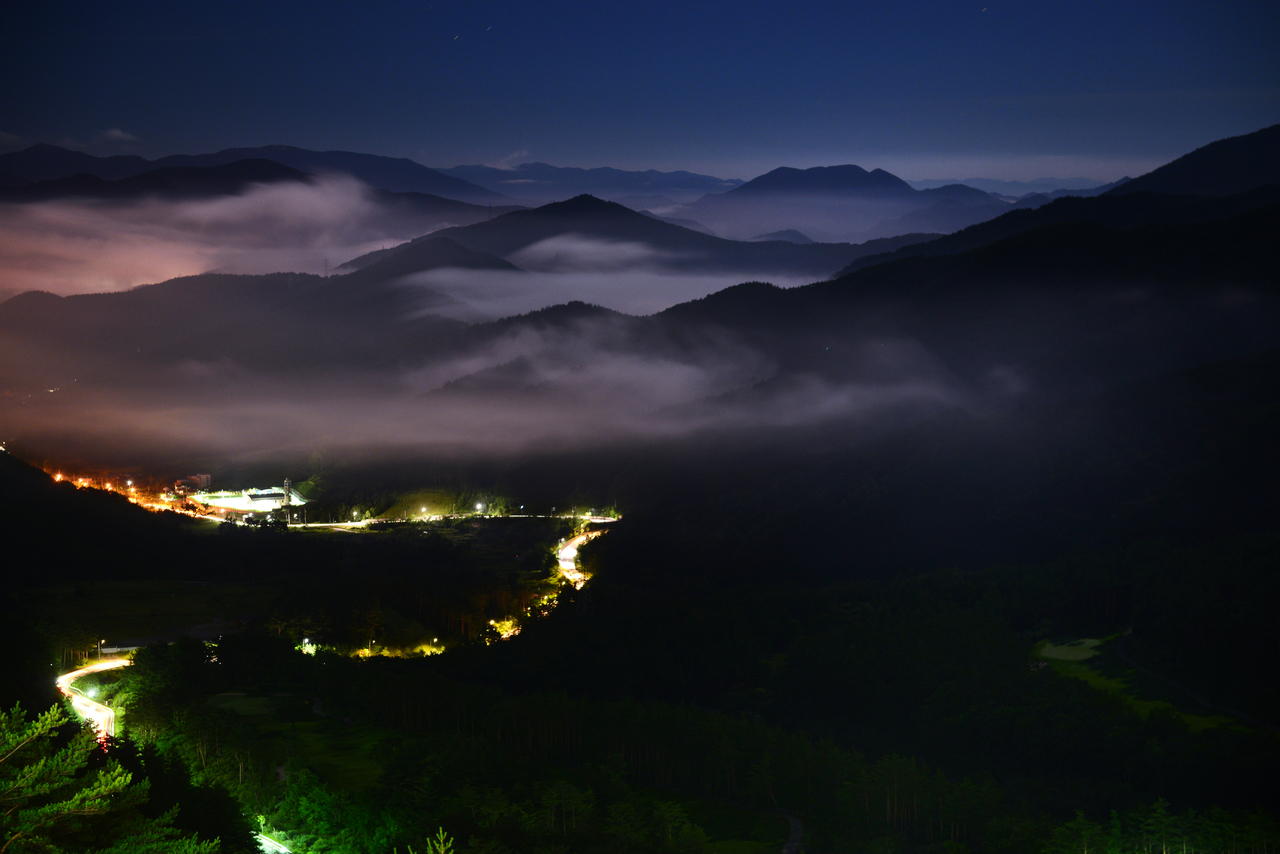
Taebaeksan National Park (Cheonjedan)
태백산국립공원 (천제단)Taebaeksan National Park (Cheonjedan), Taebaek, Gangwon, South Korea
Taebaeksan National Park is Korea’s revered sacred ancestral mountain, famed for Cheonjedan (the prehistoric Altar of Heavenly Rites), millennium-old yew tree snowscapes, Manggyeongsa Temple, and d...
Morning (around 09:30-10:00)
Details→