Gangwon•Taebaek•Nature•National Park
Taebaeksan National Park (Cheonjedan)
태백산국립공원 (천제단)
Powered by Korea Tourism OrganizationAddress: Taebaeksan National Park (Cheonjedan), Taebaek, Gangwon, South Korea (강원특별자치도 태백시 천제단길 162 (소도동))
Editorial review pending
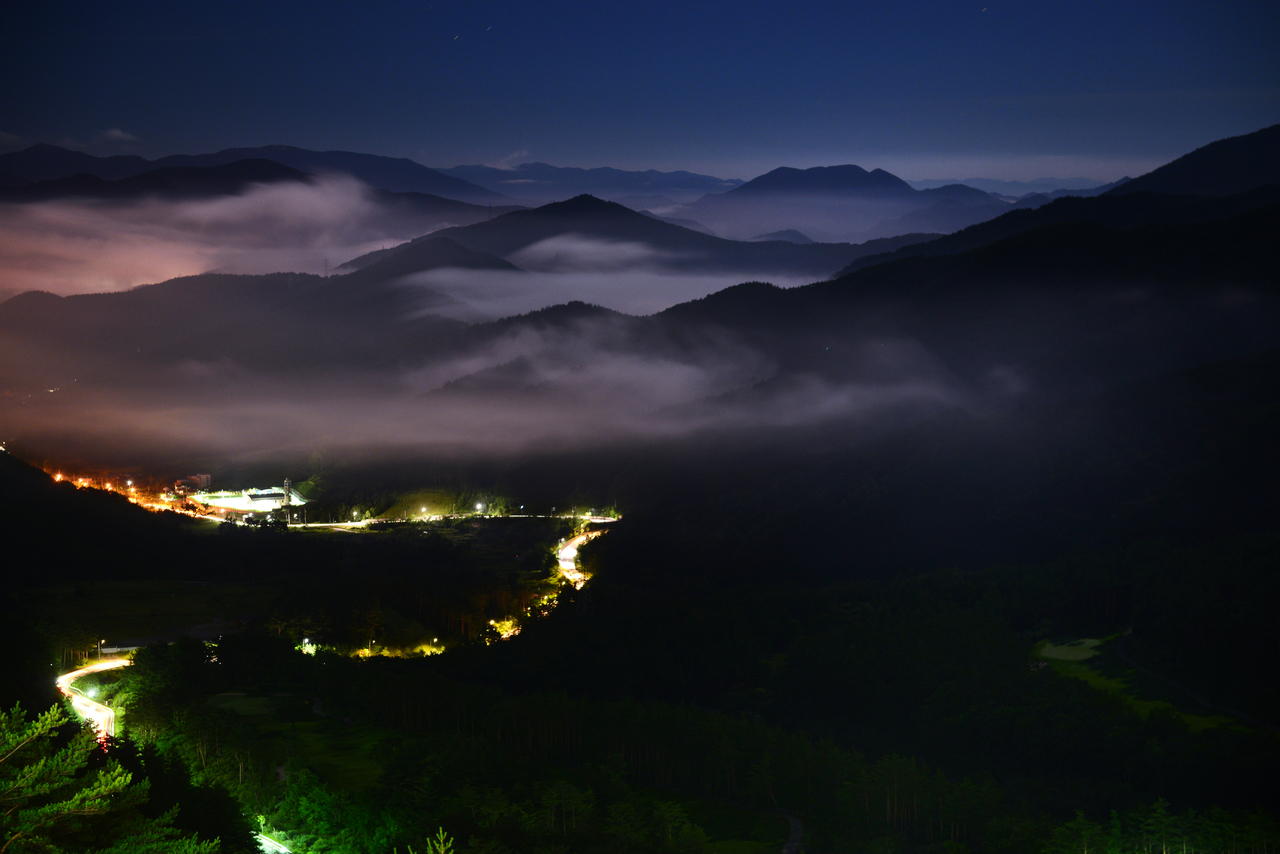
Taebaeksan National Park (Cheonjedan) representative scenic panoramaZoom


+1More
1 / 6
Taebaeksan National Park (Cheonjedan) representative scenic panorama
Curator's Guide & Overview
Comprehensive Guide1. Historical Origins & Cultural Background
Designated as South Korea's 22nd National Park, Taebaeksan (Mount Taebaek) has been revered since prehistoric antiquity as the sacred 'Grand White Mountain' and the spiritual spine of the Korean Peninsula. Rising to Janggunbong Peak (1,567m) and Munsubong Peak (1,517m), this gentle giant was worshipped by Silla kings, Joseon monarchs, and commoners alike as the terrestrial dwelling of Hwanin, the Heavenly King.
2. Architectural Highlights & Key Structures
The summit plateau hosts Cheonjedan (National Folklore Cultural Heritage No. 228), a cluster of three ancient dry-stacked stone altars where solemn heaven-worship rituals (Cheonje) have been conducted for millennia. Just below the ridge stands Manggyeongsa Temple, founded by Silla Monk Jajang Yulsa, boasting the Dragon Spring (Yongjeong)—Korea's highest natural spring fountain at 1,470 meters. Surrounding the summit slopes is Korea's largest concentration of ancient Korean yew trees (Taxus cuspidata), famously said to "live a thousand years and endure a thousand years after death."
3. Four Seasons Landscape & Seasonal Visiting Charms
Spring brings gentle alpine azalea blooms along the ridge trails and the opening of sacred spring waters. Summer offers cool alpine hiking shaded by ancient broadleaf canopies and cascading creeks in the Danggol Valley. Autumn carpets the slopes in golden oaks, scarlet maples, and Siberian dwarf pines. Winter is Taebaeksan's glorious crowning season: heavy blizzards wrap the ancient gnarled yew branches in sparkling rime ice (snow flowers), turning the mountain into Korea's premier winter wonderland and hosting the nationwide Taebaeksan Mountain Snow Festival.
4. Operating Hours & Peak Viewing Times
Taebaeksan National Park opens daily from 04:00 to accommodate dawn sunrise trekkers, with trail entry closing 2 hours before sunset (15:00 in winter, 17:00 in summer). The definitive visiting experience is the sunrise ascent: leaving the Yuilsa trailhead at 04:30 to arrive at Cheonjedan by 06:45, watching the crimson sun break over an endless ocean of mountain ridges stretching south through the Sobaeksan range.
5. Admission Fees & Concessions (Youth/Foreigner Discounts)
Admission to Taebaeksan National Park is completely free of charge. Spacious public parking facilities at both Danggol Square and Yuilsa Ticket Office are provided free. The Taebaeksan Coal Museum located at Danggol Square offers free entry to park visitors.
6. Public Transit & Subway Exit Directions
From Seoul, take the ITX-Maum or Mugunghwa train from Cheongnyangni Station directly to Taebaek Station (approx. 3 hours 15 minutes), or take an express bus from Dong Seoul Bus Terminal to Taebaek Intercity Terminal (approx. 3 hours 10 minutes). From the bus stop opposite the terminal, board local bus 7 (runs every 30-40 mins) to Danggol Square or Yuilsa trailhead (approx. 20-25 mins). Taxis from the station reach the trailheads in 15 minutes for approximately 15,000 KRW.
7. Barrier-Free Accessibility & Visitor Amenities
Danggol Square features barrier-free access, including wide paved promenades, accessible public restrooms, gentle stone ramps to Danggol Seonghwadae, and the barrier-free Coal Museum. The alpine ascent to Cheonjedan is a graded mountain hiking trail (moderate difficulty, well-maintained stone and timber stairs); it is not accessible by wheelchair.
8. Recommended Walking Route & Highlights Tour
Recommended 4-Hour Classic Summit Trek: Start at Yuilsa Trailhead (gentle 4km ascent) → Pass the Yuilsa Rest Stop and enter the Ancient Yew Tree Sanctuary → Reach Janggunbong Altar (1,567m) → Walk the ridge to Cheonjedan Altar → Descend past Manggyeongsa Temple and drink sacred mountain water at Yongjeong Spring → Follow the Banjae trail down through Danggol Valley → Finish at Danggol Square and explore the Coal Museum.
9. Local Food Specialties & Regional Flavors
Taebaek boasts cold-climate alpine delicacies deeply rooted in its coal mining heritage. Don't miss Taebaek Mul-dakgalbi—unlike Chuncheon-style stir-fried chicken, this unique coal miners' comfort stew features tender chicken, mountain greens, ramen, and udon simmered in a spicy, bubbling savory broth cooked right at the table. Savor premium Taebaek Hanwoo beef grilled over real charcoal briquettes, and chewy Gamja-ongsimi (potato ball soup).
10. Dietary Options (Vegetarian, Halal & Allergen Guide)
Vegetarians can feast on wild mountain herb bibimbap (Sanchae Bibimbap) at restaurants clustered around Danggol Square, featuring wild bracken, deodeok, and fragrant pine mushrooms with fresh banchan. Potato pancakes and hand-pulled buckwheat noodles are widely available. Halal travelers will find vegetable bibimbap and potato specialties fully compliant.
11. Signature Photo Spots & Golden Hour Lighting
Iconic photo opportunities: standing before the ancient stone altar Cheonjedan as the sunrise ignites the eastern sky, framing a snow-encrusted thousand-year-old gnarled yew tree against the deep blue winter horizon, the high-altitude stone spring pavilion of Manggyeongsa Temple, and the colossal carved stone monument marking Janggunbong Peak at 1,567 meters.
12. Visitor Etiquette & Cultural Property Regulations
Cheonjedan is a revered spiritual sanctuary; climbing upon the stone altars, sitting on the ceremonial platform, or disturbing sacrificial offerings is strictly prohibited. Taebaeksan is entirely designated as a non-smoking zone. Pack out all trash. Do not pluck alpine wildflowers or break rime ice off the protected yew branches.
13. Safety Precautions & 1330 Tourism Hotline Support
Winter hiking requires comprehensive cold-weather gear: certified hiking boots, four-point or chain spikes (crampons), gaiters to keep snow out of boots, thermal windproof layers, and trekking poles. Weather on the summit ridge can change abruptly from calm to howling blizzards. In an emergency, contact the Taebaeksan National Park Office at 033-550-0000 or dial 119 / 1330.
14. Nearby Connected Attractions & Walking Links
At the base of Danggol lies the Taebaek Coal Museum, detailing Korea's industrial mining era. A 20-minute drive south leads to Hwangji Pond, the official hydrological source of the 510-kilometer Nakdonggang River, and Geomryongso Spring, the sacred source of the Han River.
15. Frequently Asked Questions (FAQ)
Q: Which trail is easiest for beginners? A: The Yuilsa course (Yuilsa to Cheonjedan, 4km, approx. 2 hours up) is the gentlest and most popular route, featuring wide paths and steady inclines. Q: Can I hike in winter without crampons? A: Absolutely not; packed ice and heavy snow make crampons (aizen) an absolute safety requirement in winter.
16. Regional Extended Day Trip Itinerary
Taebaek Holy Mountain Day Tour: Early morning train from Seoul to Taebaek → hike the Yuilsa-to-Cheonjedan trail admiring ancient snow-clad yew trees → summit rites at Cheonjedan Altar → descent to Danggol Square → warming lunch of Taebaek Mul-dakgalbi stew in town → visit Hwangji Pond, source of the Nakdong River → evening return train to Seoul.
Essential Visitor Facts
Operating Hours
Open daily year-round from 04:00 to 17:00 (Admission restricted 2 hours before sunset for hiking safety)
Admission / Price
Free Public Admission (National Park free entry policy applies)
Closed Days
Open 365 Days
Best Time to Visit
Morning (around 09:30-10:00)
Transit & Access Directions
From Taebaek Intercity Bus Terminal / KTX Taebaek Station, take local bus to Danggol Square or Yuilsa Ticket Office (approx. 20 - 25 mins)
Accessibility & Special Amenities
Wheelchair ramps, tactile paving, accessible restrooms
Location Coordinates
Latitude: 37.0985
Longitude: 128.9185
Discover Themes & Highlights
Key interest areas and cultural highlights:
#taebaeksan-national-park#VisitGangwon#KoreaTravelAtlas
Community Traveler Reviews0 Reviews
Visitor tips, feedback, and questions submitted by real travelers.
No community reviews submitted yet. Be the first traveler to share your experience!
Connected Cultural Destinations
Handpicked nearby attractions and regional cultural highlights.
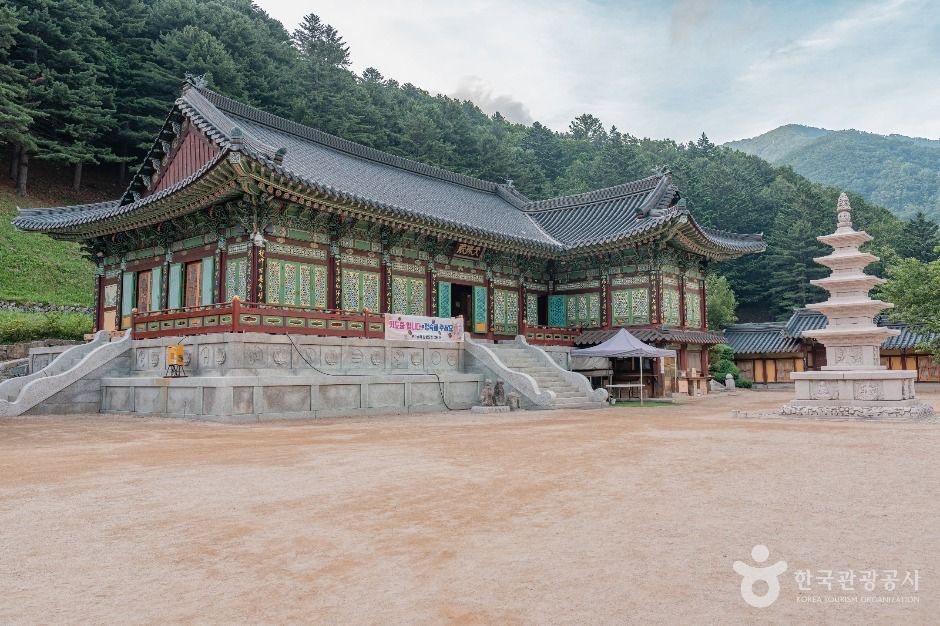
Odaesan National Park & Woljeongsa Fir Forest
오대산 월정사 전나무숲길Odaesan National Park & Woljeongsa Fir Forest, Pyeongchang, Gangwon, South Korea
Odaesan National Park and Woljeongsa Temple Fir Forest is a millennium-old Buddhist haven in Pyeongchang, famous for its 1,700 ancient needle fir trees, national treasures including the Octagonal N...
Morning (around 09:30-10:00)
Details→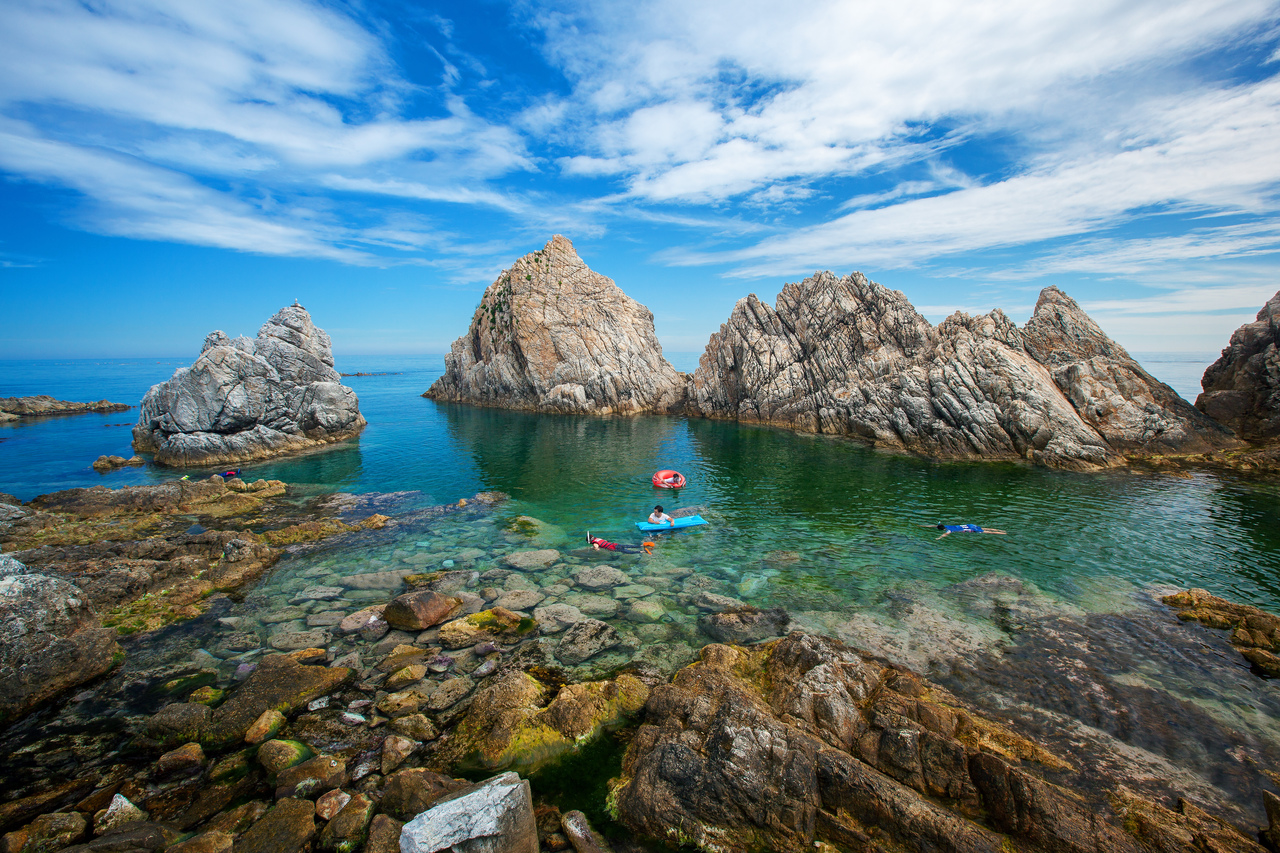
Samcheok Jangho Port (Korea Naples)
삼척 장호항Samcheok Jangho Port (Korea Naples), Samcheok, Gangwon, South Korea
Samcheok Jangho Port is celebrated as the "Naples of Korea," famed for crystal-clear emerald coastal lagoons, bizarre sea-rock formations, transparent bottom canoeing, marine cable car crossings, a...
Morning (around 09:30-10:00)
Details→
Anbandeok Highland Rye Plateau
강릉 안반데기Anbandeok Highland Rye Plateau, Gangneung, Gangwon, South Korea
Gangneung Anbandeok is South Korea’s highest inhabited alpine agricultural plateau at 1,100 meters above sea level, famous for boundless emerald cabbage fields, giant white wind turbines, and world...
Morning (around 09:30-10:00)
Details→
Bulguksa Temple (UNESCO)
불국사Bulguksa Temple (UNESCO), Gyeongju, Gyeongbuk, South Korea
Bulguksa Temple is a monumental UNESCO World Heritage Buddhist sanctuary founded in 751 under the unified Silla Dynasty on the slopes of Mount Tohamsan in Gyeongju. Renowned as the pinnacle of anci...
Morning (around 09:30-10:00)
Details→