Gangwon•Pyeongchang•Heritage•Buddhist Temple
Odaesan National Park & Woljeongsa Fir Forest
오대산 월정사 전나무숲길
Powered by Korea Tourism OrganizationAddress: Odaesan National Park & Woljeongsa Fir Forest, Pyeongchang, Gangwon, South Korea (강원특별자치도 평창군 진부면 오대산로 374-8 (동산리))
Editorial review pending
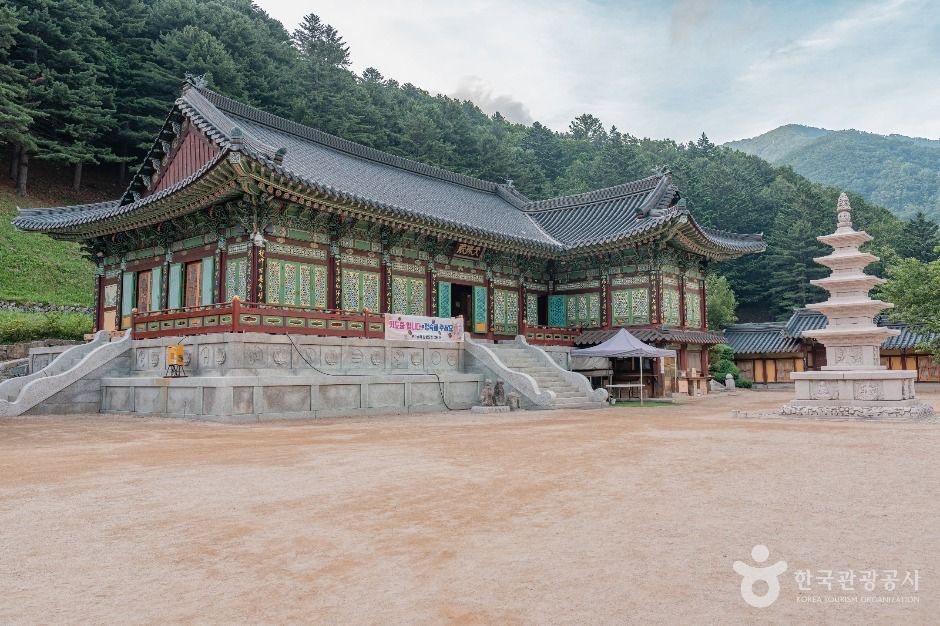
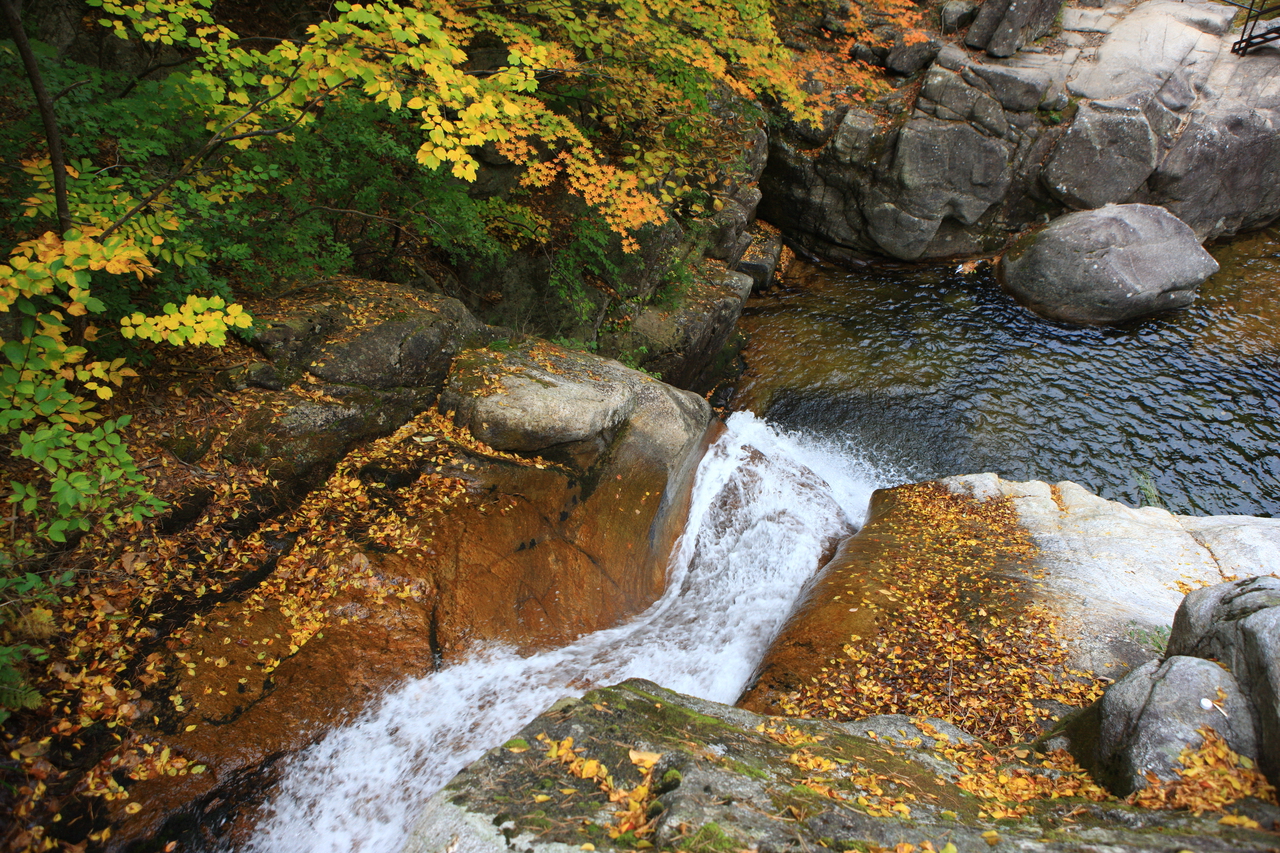
Odaesan National Park & Woljeongsa Fir Forest representative scenic panoramaZoom
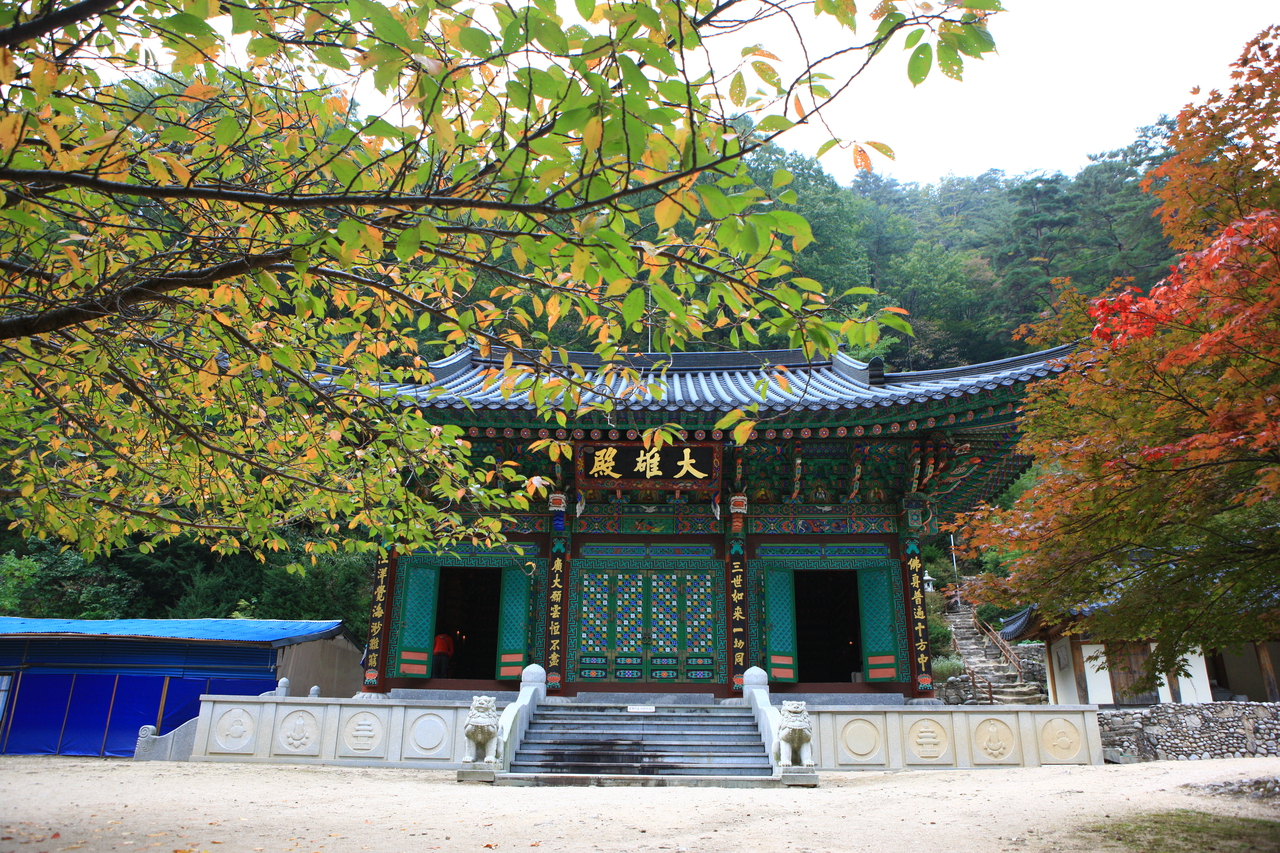
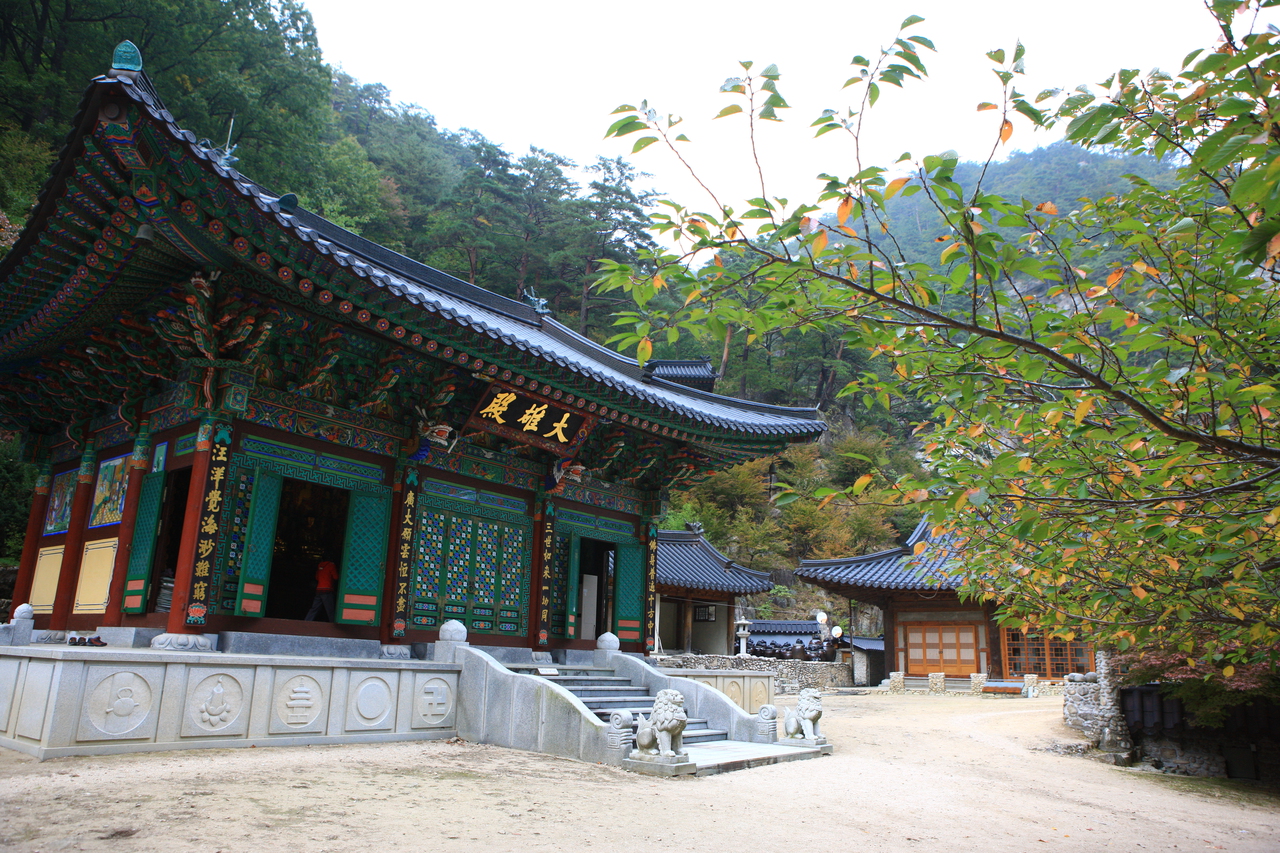
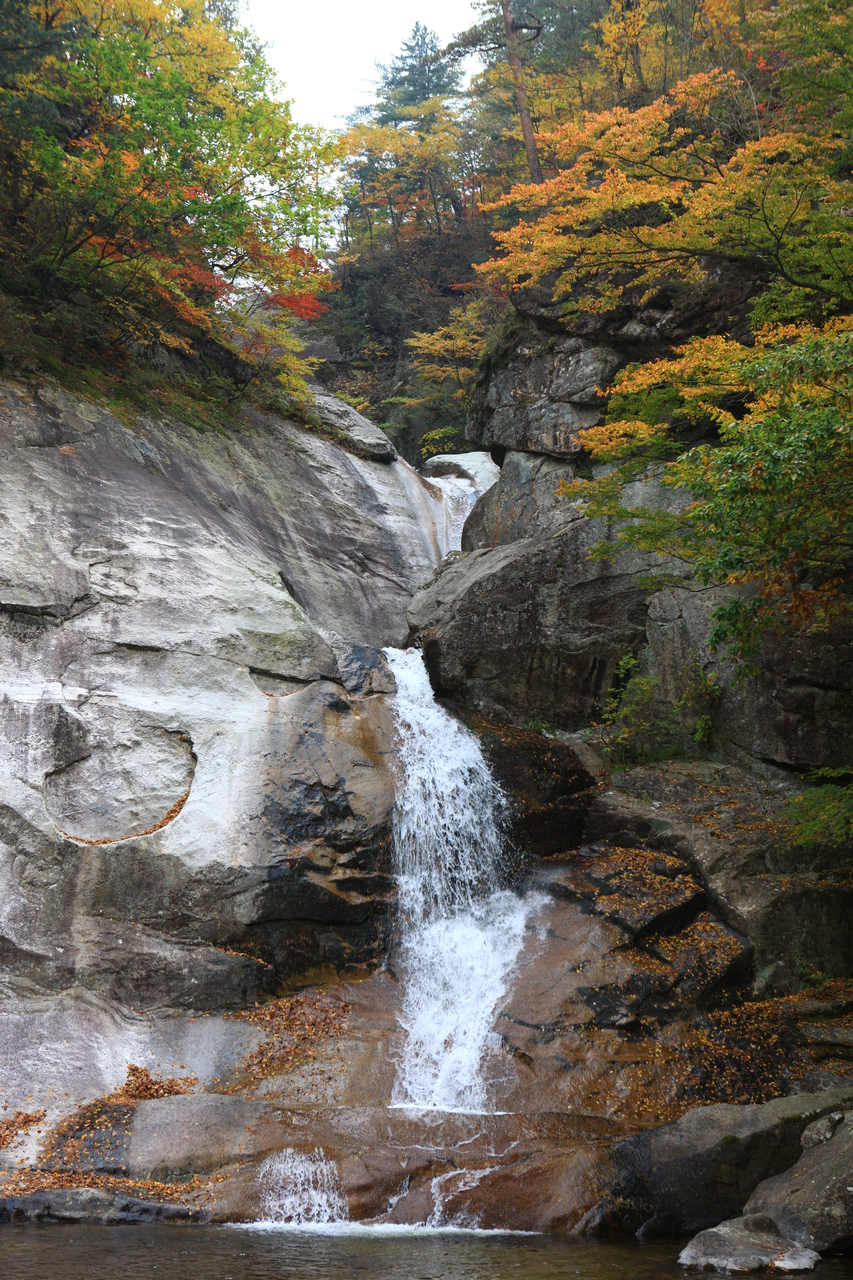
+1More
1 / 6
Odaesan National Park & Woljeongsa Fir Forest representative scenic panorama
Curator's Guide & Overview
Comprehensive Guide1. Historical Origins & Cultural Background
Founded in 643 AD during the reign of Queen Seondeok of the Silla Dynasty by Eminent Monk Jajang Yulsa, Woljeongsa Temple serves as the headquarters of the 4th District of the Jogye Order of Korean Buddhism. Nestled in the deep, mist-veiled valleys of Odaesan National Park, this sacred complex has preserved Buddhist monastic culture for over 1,380 years and is revered as the spiritual seat of Bodhisattva Manjusri (Munsu Bosal), the embodiment of transcendental wisdom.
2. Architectural Highlights & Key Structures
The temple is architecturally crowned by National Treasure No. 48-1, the Octagonal Nine-Story Stone Pagoda, a soaring 15.2-meter multi-faceted masterpiece from the early Goryeo Dynasty characterized by delicate eaves pendants and balanced geometric proportions. In front stands the Seated Stone Bodhisattva (National Treasure No. 48-2), offering tea with a gentle archaic smile. The approach features the 1-kilometer Cheonnyeon Fir Forest Trail (Jeonnamu-sup-gil), where over 1,700 towering needle fir trees form a verdant ecological vault.
3. Four Seasons Landscape & Seasonal Visiting Charms
Spring brings tender green shoots, alpine azaleas, and gentle murmuring runoff in the Odaecheon stream. Summer offers cool alpine breezes under dense forest canopies, making it a premier barefoot earthing retreat. Autumn transforms Odaesan into one of South Korea's most celebrated foliage sanctuaries, with crimson maples framing weathered wooden temple halls from early to mid-October. Winter brings heavy snowfall, coating the fir boughs in thick white blankets creating an ethereal silent wonderland.
4. Operating Hours & Peak Viewing Times
The fir forest trail and national park perimeter are accessible daily from dawn to dusk. The temple complex is open from 06:00 to 19:00. Optimal visiting hours are early morning between 07:00 and 09:30, when soft golden light filters through the morning mist and the scent of wild damp needles fills the air before tour buses arrive. Early dusk brings the rhythmic, resonant resonance of evening Dharma drum ceremonies.
5. Admission Fees & Concessions (Youth/Foreigner Discounts)
Admission to Woljeongsa Temple and Odaesan National Park is completely free of charge following the nationwide repeal of temple cultural asset fees in 2023. Standard vehicular parking at the Woljeongsa lot is 5,000 KRW for compact cars and 7,500 KRW for mid-sized vehicles. Temple stay programs range from 80,000 to 120,000 KRW per adult per night for rest and experiential formats.
6. Public Transit & Subway Exit Directions
Take the KTX-Eum high-speed train from Seoul Station (approx. 1 hour 40 minutes) or Cheongnyangni Station directly to KTX Jinbu (Odaesan) Station. From Exit 1 of Jinbu Station, board the local Pyeongchang rural bus bound for Woljeongsa and Sangwonsa (runs 12 times daily, approx. 20 minutes to Woljeongsa stop). Alternatively, taxis from Jinbu Station take 15 minutes and cost approximately 18,000 KRW.
7. Barrier-Free Accessibility & Visitor Amenities
The 1-kilometer Barefoot Fir Forest Trail between Iljumun (One Pillar Gate) and Geumgangmun Gate is laid with smooth, packed red clay and decomposed granite, designed specifically for barrier-free walking and wheelchair accessibility. Wooden bridges across the river offer step-free ramps. The temple precinct features accessible stone pathways, barrier-free restrooms, and wheelchairs available for complimentary loan at the Woljeongsa Museum office.
8. Recommended Walking Route & Highlights Tour
Recommended 3-Hour Zen Immersion Route: Iljumun Gate trailhead → Barefoot walking meditation along the 1km Fir Forest Trail → Woljeongsa Geumgangmun & Cheonwangmun Gates → Octagonal Nine-Story Stone Pagoda and Jeokgwangjeon Main Hall → Nanwon Tea House for traditional fermented wild berry tea → Stroll along the Seonjae-gil valley path toward the Sangwonsa trailhead.
9. Local Food Specialties & Regional Flavors
The mountain slopes of Pyeongchang yield Korea's finest wild sanchae (mountain herb) cuisine. Directly outside the park entrance in Jinbu-myeon, enjoy Sanchae Jeongsik—a royal spread of over 20 wild herbal banchans including codonopsis, gondre, chwinamul, and deodeok grilled over charcoal, accompanied by rustic soybean paste stew and steamed potato rice. Jinbu Makguksu serves hand-pressed cold buckwheat noodles in chilled radish broth.
10. Dietary Options (Vegetarian, Halal & Allergen Guide)
Woljeongsa offers one of Korea's premier temple food experiences, utilizing zero garlic, green onions, chives, leeks, or meat, relying instead on natural kelp, dried shiitake, and wild mountain herbs. Local village restaurants cater exceptionally well to vegetarians and vegans with pure wild mountain vegetable banquets and buckwheat jeon. Halal travelers will find vegetable bibimbap and pure mountain herb sets compliant.
11. Signature Photo Spots & Golden Hour Lighting
Premier photo spots include: the atmospheric perspective shot down the center of the 1,000-year fir avenue during early morning light rays, the iconic framing of the Octagonal Nine-Story Stone Pagoda reflected in puddles or illuminated under prayer lanterns, the Hollow Grandmother Fir Tree trunk where visitors step inside a living botanical hollow, and the arching stone Haetalgyo Bridge spanning the emerald Odaecheon river.
12. Visitor Etiquette & Cultural Property Regulations
Woljeongsa is an active monastic practice site where monks and lay practitioners meditate. Maintain quiet and speak in lowered voices within temple courtyards. Remove footwear before stepping onto the wooden floors of prayer halls. Photography is strictly prohibited inside temple worship sanctuaries when monks or visitors are actively bowing. Do not carve initials or pluck bark from ancient fir trees.
13. Safety Precautions & 1330 Tourism Hotline Support
Mountain weather shifts rapidly in Odaesan's high elevation; carry a windbreaker or thermal layer even in summer. The barefoot trail provides foot-washing stations with fresh stream water and wooden benches near the Iljumun gate. For park safety updates and trail status, contact the Odaesan National Park Office at 033-332-6417 or call the 1330 Korea Travel Hotline for 24/7 multilingual assistance.
14. Nearby Connected Attractions & Walking Links
Walk 9 kilometers north along the historic Seonjae-gil valley trail to reach Sangwonsa Temple, home to National Treasure No. 36 (Korea's oldest bronze Buddhist bell cast in 725 AD) and the miraculous Wooden Munsu Child Bodhisattva. Further west lie the Daegwallyeong Sheep Farm and Alpensia Ski Resort.
15. Frequently Asked Questions (FAQ)
Q: Can you do barefoot walking in winter? A: No, barefoot earthing is best enjoyed from May through October; in winter the path is covered in packed snow and ice requiring sturdy winter boots or traction cleats. Q: How often does the bus run to Jinbu Station? A: Local buses run approximately every 40 to 60 minutes between Jinbu and Woljeongsa/Sangwonsa.
16. Regional Extended Day Trip Itinerary
Pyeongchang Spiritual Healing Itinerary: Morning KTX from Seoul to Jinbu Station → morning stroll along Woljeongsa Fir Forest and temple meditation → Sanchae wild greens banquet lunch in Jinbu → afternoon scenic drive to Daegwallyeong Sheep Farm for rolling meadow vistas → sunset over the windmill ridge → evening return to Seoul via KTX.
Essential Visitor Facts
Operating Hours
Odaesan Grounds & Fir Forest open 24/7; Woljeongsa Temple: 06:00 - 19:00 daily year-round
Admission / Price
Free Public Admission (National Cultural Heritage free entry policy applies)
Closed Days
Closed on Mondays/Tuesdays
Best Time to Visit
Morning (around 09:30-10:00)
Transit & Access Directions
From KTX Jinbu (Odaesan) Station, take local rural bus or taxi to Woljeongsa Ticket Booth/Bus Stop (approx. 20 mins, taxi ~18,000 KRW)
Accessibility & Special Amenities
Wheelchair ramps, tactile paving, accessible restrooms
Location Coordinates
Latitude: 37.7312
Longitude: 128.5912
Discover Themes & Highlights
Key interest areas and cultural highlights:
#odaesan-woljeongsa-fir-forest#VisitGangwon#KoreaTravelAtlas
Community Traveler Reviews0 Reviews
Visitor tips, feedback, and questions submitted by real travelers.
No community reviews submitted yet. Be the first traveler to share your experience!
Connected Cultural Destinations
Handpicked nearby attractions and regional cultural highlights.

Seoraksan National Park (Sinheungsa)
설악산국립공원 (신흥사)1055 Seoraksan-ro, Sokcho-si, Gangwon-do
Seoraksan National Park, sprawling across Sokcho, Inje, and Yangyang in Gangwon-do, is a UNESCO Biosphere Reserve celebrated for its jagged granite spires, pristine mountain cascades, and rich biod...
Morning (around 09:30-10:00)
Details→
Gyeongpodae Beach & Pavilion
강릉 경포대 및 경포해변Gyeongpodae Beach & Pavilion, Gangneung, Gangwon, South Korea
Gyeongpodae Beach & Historic Pavilion is Gangneung’s premier coastal sanctuary, pairing a 6-kilometer white sand beach on the East Sea with a celebrated 14th-century wooden pavilion overlooking a n...
Morning (around 09:30-10:00)
Details→
Daegwallyeong Highland Sheep Farm
대관령 양떼목장Daegwallyeong Highland Sheep Farm, Pyeongchang, Gangwon, South Korea
Daegwallyeong Highland Sheep Farm is South Korea’s iconic alpine pastoral paradise, situated at an altitude of 850 meters on the Baekdudaegan mountain ridge in Pyeongchang, featuring rolling green ...
Morning (around 09:30-10:00)
Details→
Anbandeok Highland Rye Plateau
강릉 안반데기Anbandeok Highland Rye Plateau, Gangneung, Gangwon, South Korea
Gangneung Anbandeok is South Korea’s highest inhabited alpine agricultural plateau at 1,100 meters above sea level, famous for boundless emerald cabbage fields, giant white wind turbines, and world...
Morning (around 09:30-10:00)
Details→