Jeju•Nature•National Park
Hallasan National Park (Baengnokdam Crater)
한라산국립공원 (백록담)
Powered by Korea Tourism OrganizationAddress: Hallasan National Park (Baengnokdam Crater), Jeju, South Korea (제주특별자치도 제주시 1100로 2070-61 (한라산국립공원))
Editorial review pending

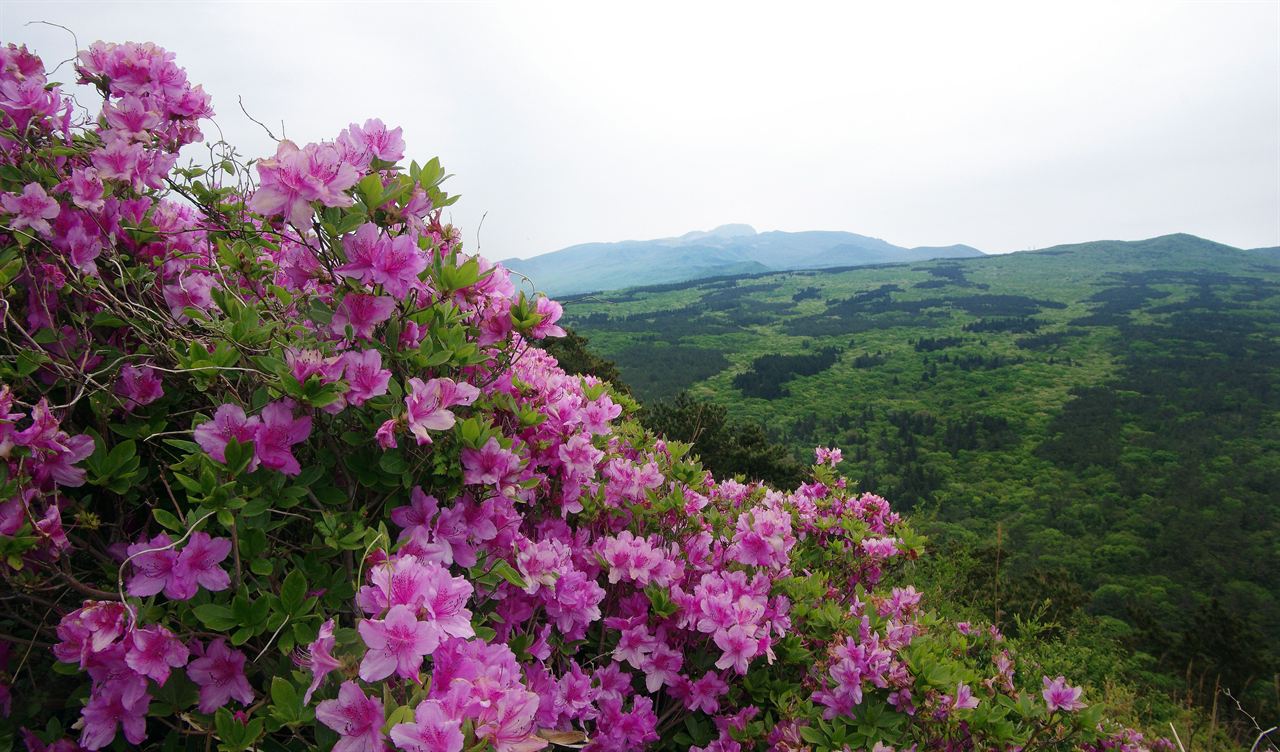
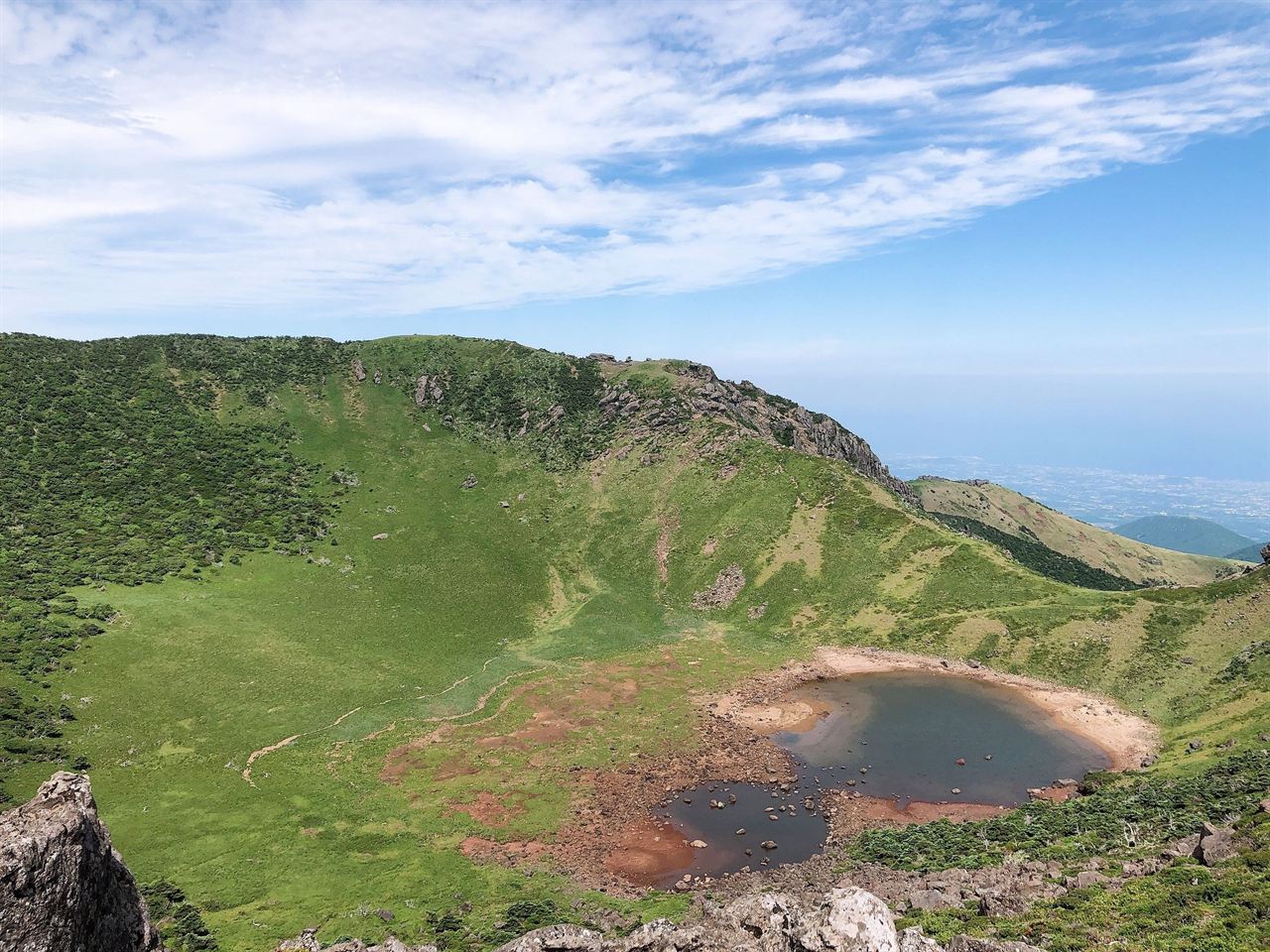
Hallasan National Park (Baengnokdam Crater) representative scenic panoramaZoom


+1More
1 / 6
Hallasan National Park (Baengnokdam Crater) representative scenic panorama
Curator's Guide & Overview
Comprehensive Guide1. Historical Origins & Cultural Background
Hallasan National Park, reigning over the center of Jeju Island at an altitude of 1,947 meters (6,388 feet), is the highest peak in South Korea and a globally recognized geological marvel. Designated a UNESCO Biosphere Reserve in 2002, a UNESCO World Natural Heritage Site in 2007, and a Global Geopark in 2010, this massive shield volcano was formed through hundreds of thousands of years of basaltic lava eruptions. At its lofty summit lies Baengnokdam (White Deer Lake, Scenic Site No. 83)—an ethereal crater lake 500 meters in diameter and 100 meters deep, named after ancient Daoist immortals said to have descended on white deer to drink its crystalline waters.
2. Architectural Highlights & Key Structures
The ecological biodiversity of Hallasan is internationally peerless. Due to its extreme vertical rise directly from subtropical sea level to an alpine zone within 20 horizontal kilometers, Hallasan hosts over 1,800 plant species distributed across four distinct climatic vegetation belts: warm-temperate evergreen forests, temperate deciduous broadleaf forests, subalpine conifer forests, and alpine meadows. The subalpine upper slopes are home to the world's largest native forest of endangered Korean firs (Abies koreana / Gusangnamu). The mountain features approximately 360 parasitic volcanic cones (oreum) radiating from its flanks, as well as dramatic geological features such as the columnar cliffs of Yeongsil Giam and deep gorges carved into volcanic bedrock.
3. Four Seasons Landscape & Seasonal Visiting Charms
Hallasan is an awe-inspiring trekking destination across all four seasons. Spring (May to June) blankets the high plateau of Seonjjakjiwat in a vibrant sea of pink royal azaleas and mountain rhododendrons framing the rocky summit cliffs. Summer (July to August) offers cool alpine air above the cloud line, with fleeting mists drifting across Baengnokdam's water mirror. Autumn (September to October) bathes the valleys in brilliant crimson and fiery gold maples that roll down the volcanic slopes. Winter (December to March) is the legendary season: Siberian northerlies dropping moisture from the Yellow Sea blanket Hallasan in deep powder snow, encrusting the Korean firs in shimmering white rime ice (snow flowers) and transforming the summit crater into a magnificent Arctic dreamscape.
4. Operating Hours & Peak Viewing Times
To protect its delicate volcanic ecology and ensure hiker safety, Hallasan National Park operates a strict mandatory Advance Reservation System for the two summit trails (visithalla.jeju.go.kr). Daily hiker quotas are strictly capped (Seongpanak: 1,000 hikers/day; Gwaneumsa: 500 hikers/day). Crucially, checkpoints at Jindallaebat Shelter (Seongpanak route) and Samgakbong Shelter (Gwaneumsa route) enforce mandatory time cutoffs: hikers must pass by 12:00 in winter, 12:30 in spring/autumn, and 13:00 in summer, or they will be turned back. All hikers must completely descend before official sunset. Seongpanak (9.6 km one-way, approx. 4.5 hours ascent) is a steady, gradual incline; Gwaneumsa (8.7 km one-way, approx. 5 hours ascent) is steeper and more rugged, offering dramatic cliff panoramas.
5. Admission Fees & Concessions (Youth/Foreigner Discounts)
Admission to Hallasan National Park and the summit trails is completely FREE of charge. Online hiking reservations are free. For a memorable souvenir, hikers can upload GPS-verified summit photos to receive an official Hallasan Summit Certificate (1,000 KRW) from automated kiosks at the trail exit. Trailhead parking at Seongpanak and Gwaneumsa costs approximately 1,800 KRW per day.
6. Public Transit & Subway Exit Directions
To reach the Seongpanak Trailhead, take Express Bus 181 or Local Bus 281 from Jeju Intercity Bus Terminal or Jeju International Airport directly to the Seongpanak stop (approx. 40 minutes, departing every 15 minutes). To reach the Gwaneumsa Trailhead, take Bus 475 from Jeju National University. Because trailhead parking lots often fill up before 06:30, public bus transit or early-morning taxis are strongly recommended. If you plan to ascend Seongpanak and descend Gwaneumsa, public transit is the only practical option.
7. Barrier-Free Accessibility & Visitor Amenities
Due to the extreme vertical ascent, loose volcanic basalt boulders, and thousands of wooden steps, ascending to the summit of Hallasan (Baengnokdam) is impossible for wheelchairs, strollers, and visitors with mobility impairments. However, Hallasan National Park offers fantastic barrier-free alternatives: the Eoseoungsaengak Trail (1.3 km, paved with resting benches) provides a gentle 30-minute walk to a parasitic cone summit with sweeping views of Hallasan, while the 1100 Altitude Wetland Boardwalk features a flat, wooden deck circuit fully accessible to wheelchairs and strollers. Accessible restrooms are located at all trailhead visitor centers.
8. Recommended Walking Route & Highlights Tour
Recommended 9-Hour Summit Conquer Circuit (Seongpanak Ascent / Gwaneumsa Descent): Arrive at Seongpanak Trailhead before 07:00 and scan your mobile reservation QR code → Hike through the tranquil Japanese cedar and broadleaf forest to Sokbat Shelter → Ascend the steady basalt rock path past Sara Oreum entrance → Reach Jindallaebat Shelter by 11:30 for water and a warm energy snack, clearing the strict safety checkpoint → Climb the final steep wooden staircases above the tree line through subalpine Korean firs → Reach the summit of Hallasan (1,947m) to gaze into the mystical crater lake of Baengnokdam → Photograph the iconic wooden summit marker with your smartphone (ensuring GPS tagging for your certificate) → Descend via the breathtaking Gwaneumsa Trail, crossing the suspension bridge over Yongjin-gak Gorge and marveling at the towering rock cliffs of Samgakbong → Arrive at Gwaneumsa Trailhead, print your official Summit Certificate at the kiosk, and celebrate with black pork barbecue in Jeju City.
9. Local Food Specialties & Regional Flavors
Jeju's volcanic terroir produces exceptional post-hike gastronomy. Indulge in Jeju Heuk-dwaeji (native Jeju black pork grilled over oak charcoal, dipped in bubbling salty-spicy anchovy meljeot sauce). Warm your body with Momguk (hearty pork bone broth simmered with gulfweed seaweed and buckwheat flour) or Gogi Guksu (pork noodle soup in rich, milky broth). Savor freshly caught seasonal raw fish, abalone porridge (Jeonbok-juk), and refreshing sweet Jeju Hallabong and Cheonhyehyang citrus fruits.
10. Dietary Options (Vegetarian, Halal & Allergen Guide)
Vegetarians will find nourishing dining around Jeju City: enjoy fresh vegetable bibimbap, crispy potato pancakes, acorn jelly salad, and soft tofu stews at traditional eateries near the bus terminal. High-energy trail snacks include Jeju Hallabong mandarins, dried sweet potatoes, energy bars, and roasted chestnuts. Halal and pescatarian hikers can feast on hearty abalone porridge, grilled Jeju hairtail (Galchi-gui), sea urchin seaweed soup (Seongge Miyeokguk), and spicy seafood hot pots, packing boiled eggs, nuts, and fruit for the mountain trail.
12. Visitor Etiquette & Cultural Property Regulations
Strict mountain safety regulations: Hallasan is a fragile volcanic ecosystem and severe alpine environment. Always carry windproof/waterproof outerwear, a headlamp, and sufficient warm layers, as summit temperatures can be 15°C lower than the coast with fierce winds. In winter, mountaineering crampons (Aizen) and gaiters are legally mandatory. Never hike off designated wooden boardwalks or ropes. Open fires, cooking, camping, smoking, and alcohol consumption are strictly prohibited and subject to severe fines. All trash must be packed out.
13. Safety Precautions & 1330 Tourism Hotline Support
Wear ankle-supporting hiking boots with vibram rubber soles to handle jagged basalt rocks. Pack at least 2 liters of water, electrolyte drinks, high-calorie trail food, and trekking poles. Check real-time trail status and weather closures before leaving your hotel via the Hallasan National Park hotline at 064-713-9950 or dial 1330.
14. Nearby Connected Attractions & Walking Links
Nearby attractions: visit Sara Oreum (featuring a scenic volcanic crater lake just off the Seongpanak trail); explore the Gwaneumsa Buddhist Temple at the mountain base; tour the Jeju Stone Park; or visit the 1100 Altitude Wetland to experience high-elevation subalpine marshes.
15. Frequently Asked Questions (FAQ)
Q: Why is the crater lake named Baengnokdam? A: 'Baengnokdam' translates to 'White Deer Lake'; according to ancient Taoist legend, divine immortals (Sinseon) descended from heaven riding pure white deer to wander the volcanic peak and drink the sacred, pristine waters of the crater lake. Q: Can I visit the summit without an online reservation? A: No, walk-in access is strictly prohibited for the Seongpanak and Gwaneumsa summit trails to prevent environmental degradation; you must book your free reservation in advance through the official Hallasan National Park website (visithalla.jeju.go.kr), where reservation slots open on the first working day of the preceding month. However, non-summit trails like Yeongsil, Eorimok, and Donnaeko do not require reservations.
16. Regional Extended Day Trip Itinerary
Hallasan Summit & Volcanic Heritage Full-Day Adventure: 06:30 bus from Jeju City to Seongpanak Trailhead → Scan reservation QR code and begin ascent through cedar forests → Pass Jindallaebat Shelter before the noon checkpoint → Reach the 1,947m summit of Baengnokdam, taking in the crater lake and cloud ocean → Descend via Gwaneumsa route over the dramatic suspension bridge and gorge → Arrive at Gwaneumsa trailhead kiosk to print official Summit Certificate → Evening return to Jeju City for a celebratory feast of grilled Jeju Black Pork and hallabong sorbet.
Essential Visitor Facts
Operating Hours
National Park open year-round; strict advance reservation required for Seongpanak & Gwaneumsa summit trails (via visithalla.jeju.go.kr); seasonal summit entry control: winter checkpoint 12:00 / summer checkpoint 13:00; all hikers must descend before sunset.
Admission / Price
FREE ADMISSION to Hallasan National Park and Baengnokdam summit; Online reservation is free; Digital Summit Certificate issued at trailhead: 1,000 KRW; Parking: approx. 1,800 to 3,000 KRW/day.
Closed Days
Open 365 Days
Best Time to Visit
Morning (around 09:30-10:00)
Transit & Access Directions
To Seongpanak Trailhead: From Jeju Intercity Bus Terminal or Jeju Airport, take Express Bus 181 or 281 directly to Seongpanak stop (approx. 40 minutes). To Gwaneumsa Trailhead: Take Bus 475 from Jeju National University.
Accessibility & Special Amenities
Wheelchair ramps, tactile paving, accessible restrooms
Location Coordinates
Latitude: 33.3617
Longitude: 126.5332
Discover Themes & Highlights
Key interest areas and cultural highlights:
#hallasan-national-park-baengnokdam#VisitJeju#KoreaTravelAtlas
Community Traveler Reviews0 Reviews
Visitor tips, feedback, and questions submitted by real travelers.
No community reviews submitted yet. Be the first traveler to share your experience!
Connected Cultural Destinations
Handpicked nearby attractions and regional cultural highlights.

Seoraksan National Park (Sinheungsa)
설악산국립공원 (신흥사)1055 Seoraksan-ro, Sokcho-si, Gangwon-do
Seoraksan National Park, sprawling across Sokcho, Inje, and Yangyang in Gangwon-do, is a UNESCO Biosphere Reserve celebrated for its jagged granite spires, pristine mountain cascades, and rich biod...
Morning (around 09:30-10:00)
Details→
Jirisan National Park (Cheonwangbong Peak)
지리산국립공원 (천왕봉)Jirisan National Park (Cheonwangbong Peak), Sancheong, Gyeongnam, South Korea
Jirisan Cheonwangbong is the highest mountain peak on the South Korean mainland (1,915m), revered as the mother mountain and spiritual spine of Korea, legendary for its mystical sea-of-clouds sunri...
Morning (around 09:30-10:00)
Details→
Seongsan Ilchulbong Peak (UNESCO)
성산일출봉Seongsan Ilchulbong Peak (UNESCO), Jeju, South Korea
Seongsan Ilchulbong Peak is an iconic UNESCO World Natural Heritage volcanic tuff cone rising 182 meters directly from the eastern sea of Jeju Island. Formed through explosive hydrovolcanic eruptio...
Morning (around 09:30-10:00)
Details→
Sanbangsan Mountain & Yongmeori Coast
산방산 및 용머리해안Sanbangsan Mountain & Yongmeori Coast, Seogwipo, Jeju, South Korea
Sanbangsan Mountain & Yongmeori Coast in southwestern Seogwipo form a million-year-old geological wonder, pairing a colossal 395-meter bell-shaped volcanic dome containing the sacred Sanbanggulsa c...
Morning (around 09:30-10:00)
Details→