Gyeongnam•Sancheong•Nature•National Park
Jirisan National Park (Cheonwangbong Peak)
지리산국립공원 (천왕봉)
Powered by Korea Tourism OrganizationAddress: Jirisan National Park (Cheonwangbong Peak), Sancheong, Gyeongnam, South Korea (경상남도 산청군 시천면 중산리 산208 (지리산 천왕봉))
Editorial review pending

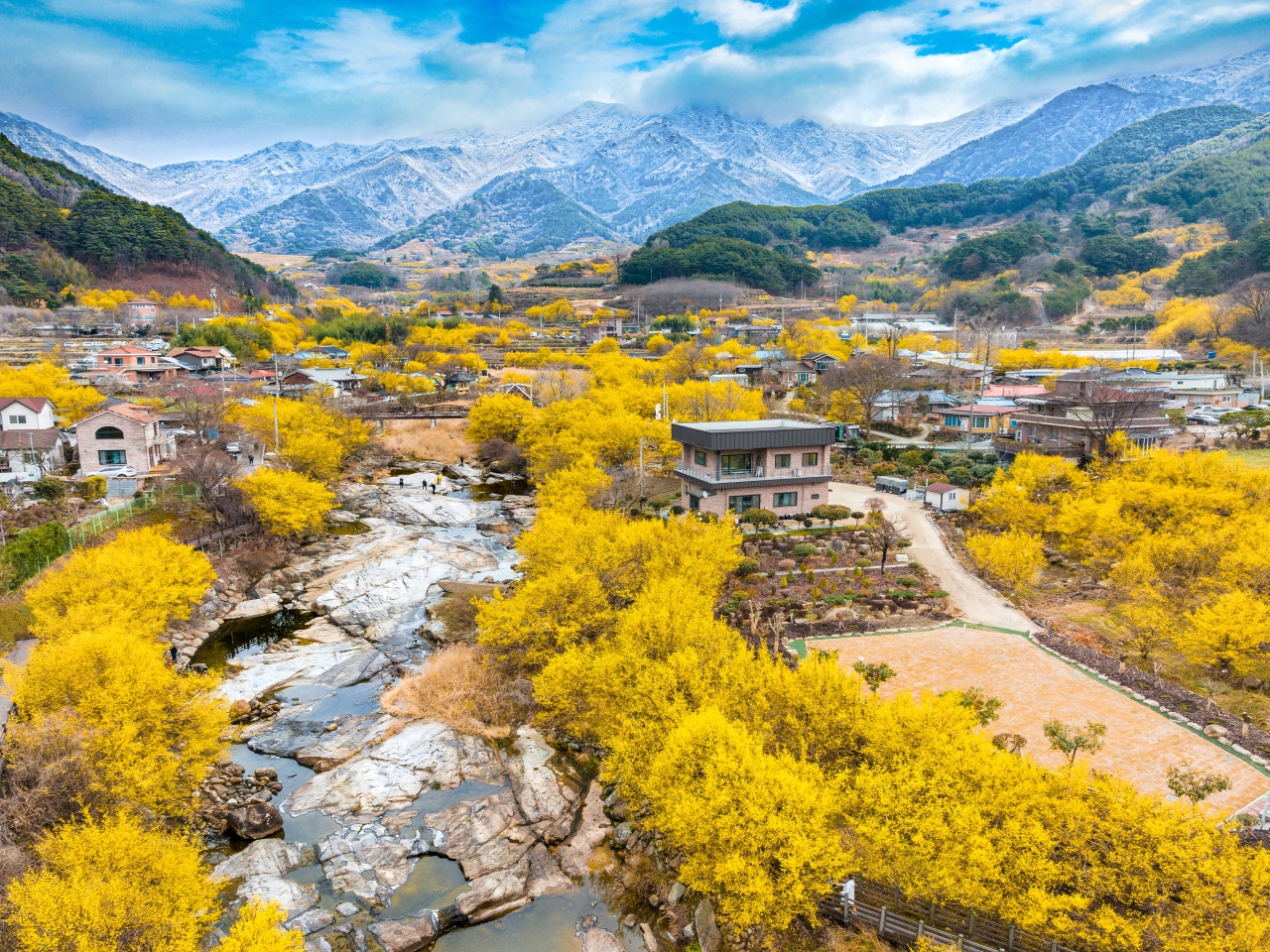
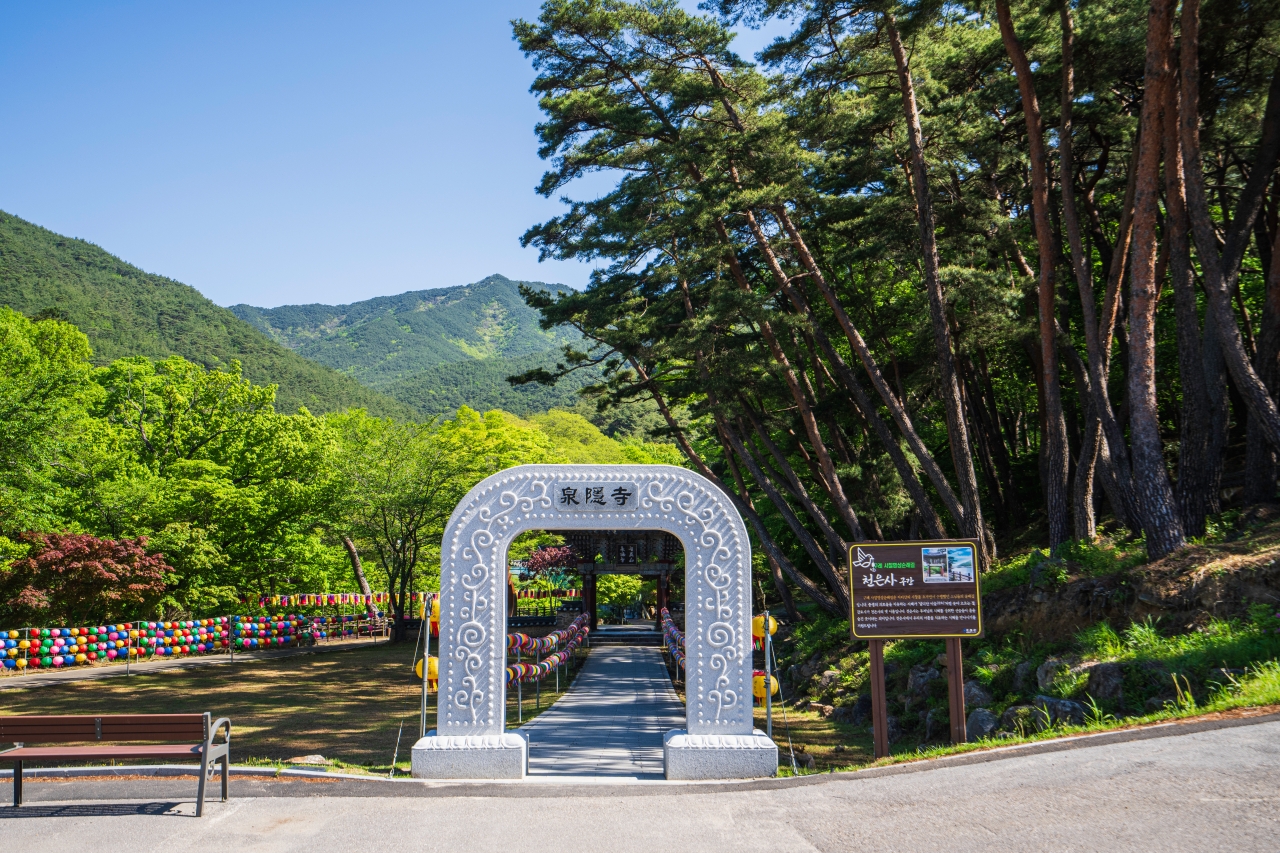
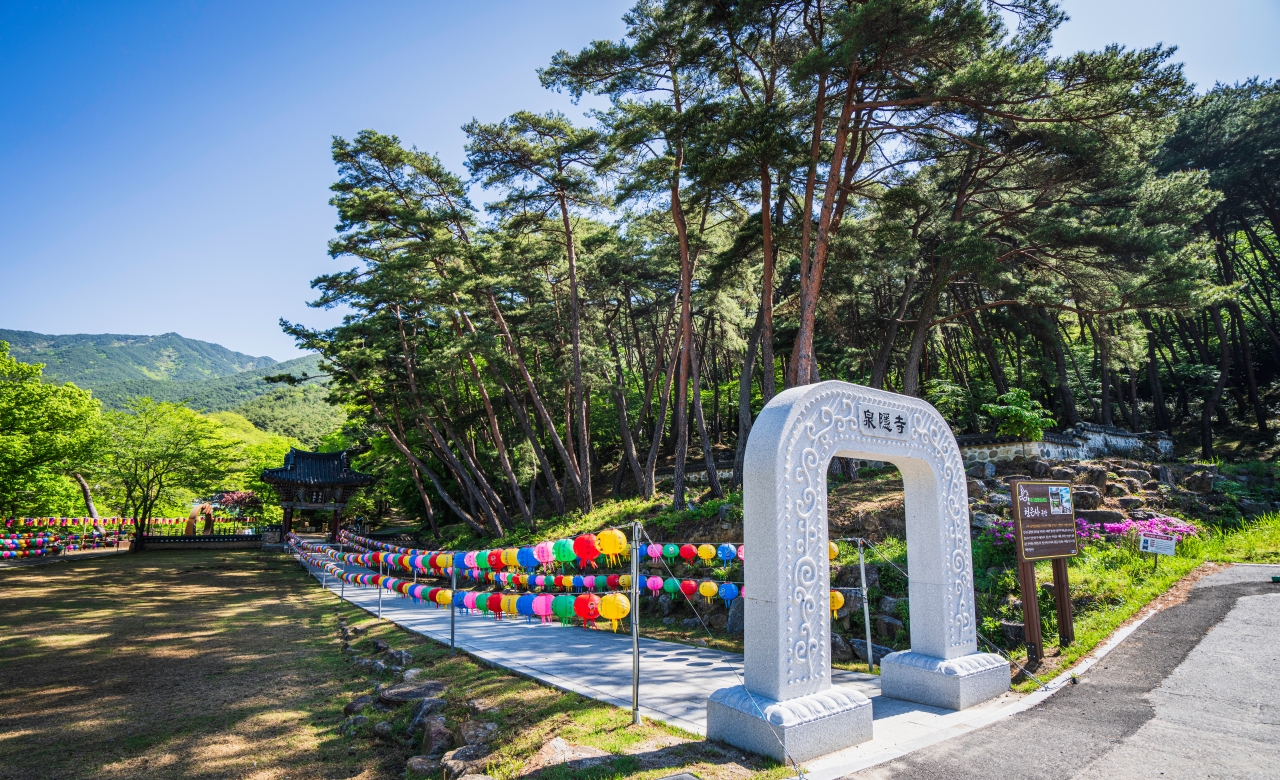
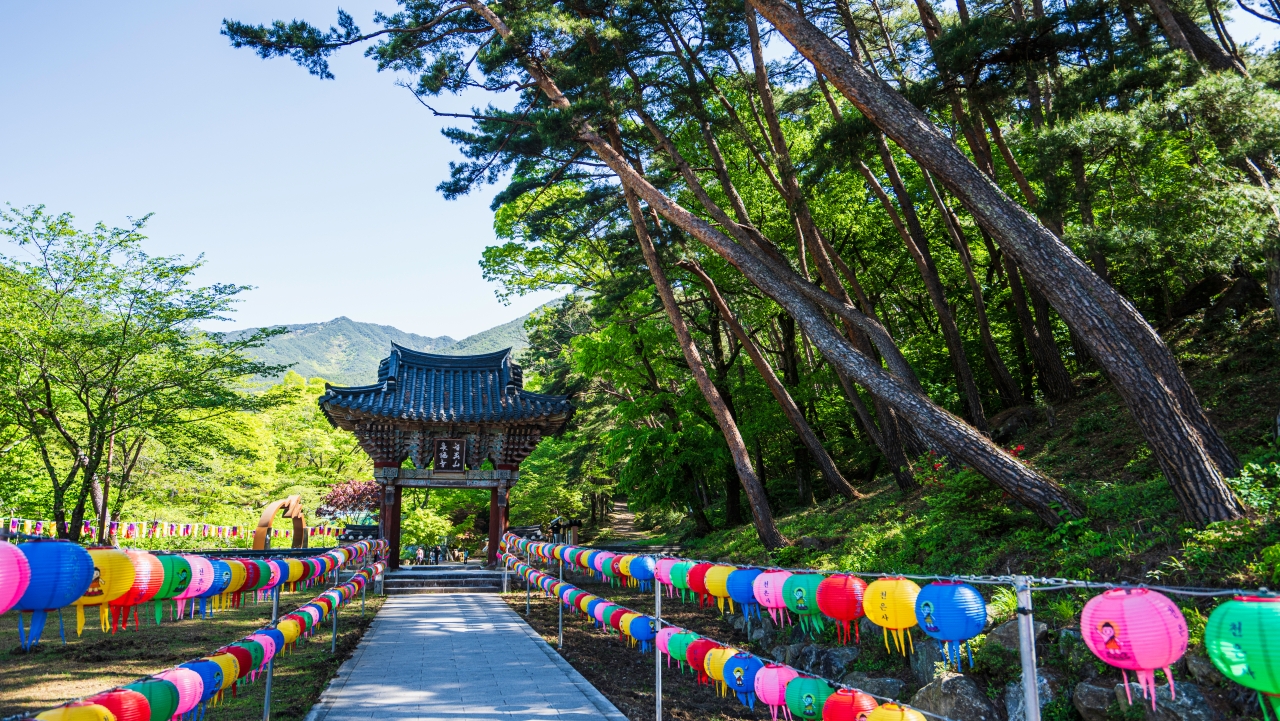
Jirisan National Park (Cheonwangbong Peak) representative scenic panoramaZoom
+1More
1 / 6
Jirisan National Park (Cheonwangbong Peak) representative scenic panorama
Curator's Guide & Overview
Comprehensive Guide2. Architectural Highlights & Key Structures
The geological and ecological landscape of Cheonwangbong is one of dramatic subalpine grandeur. Piercing high into the clouds, the peak is formed from massive Precambrian metamorphic granitic gneiss, surrounded by sheer drop-offs into deep ravines like Tongcheonmun (Heavenly Gate) and Chilseon Valley (Valley of the Seven Fairies, one of Korea’s three deepest gorges). The high ridges are populated by endangered subalpine Korean fir trees (Gusangnamu), alpine azaleas, and dwarf junipers. Beneath the summit, the trail passes the historic Beopgyesa Temple (founded in 544 AD at 1,450 meters, the highest temple in South Korea) and Rotari Shelter. Further west along the ridge sits Jangteomok Shelter, where Joseon highlanders once met on the mountain pass to barter goods.
3. Four Seasons Landscape & Seasonal Visiting Charms
Cheonwangbong is a legendary mountaineering challenge across all four seasons. Spring (May to June) paints the rocky ridges below the summit in wild royal azaleas and mountain rhododendrons, with fresh mountain air sweeping across the peaks. Summer (July to August) offers cool subalpine breezes above the cloudline, though afternoon alpine thunder showers require caution. Autumn (September to October) is sublime, with golden larch needles and crimson mountain maples rolling like fiery waves down the valleys. Winter (December to March) is a harsh, majestic Siberian spectacle: gale-force blizzards coat the fir trees in blinding white rime ice and snow-flowers (Nunkkot), transforming the summit into a severe Arctic realm that requires crampons and ice gear. Above all, the legendary Cheonwangbong Sunrise—where the fiery red sun breaches an undulating ocean of clouds (Unhae)—is said to require three generations of accumulated ancestral virtue to witness.
4. Operating Hours & Peak Viewing Times
Jirisan National Park operates strict seasonal safety curfew hours: during summer (March to October), ascending hikers must pass park trailheads between 03:00 and 15:00; during winter (November to February), entry is restricted to 04:00 to 14:00. Hikers must reach Jangteomok or Rotari Shelter by 16:00 to 17:00. Staying overnight at shelters requires mandatory advance online reservation via the Korea National Park Service portal (knps.or.kr); walk-in lodging is strictly forbidden. The shortest direct ascent from Jungsan-ri to the summit spans 5.4 kilometers with a grueling 1,300-meter vertical climb, requiring roughly 4 to 5 hours of strenuous uphill hiking.
5. Admission Fees & Concessions (Youth/Foreigner Discounts)
Access to Jirisan National Park and Cheonwangbong summit is completely FREE of charge. Overnight lodging at Jangteomok or Rotari Shelter costs 12,000 to 13,000 KRW per person per night (reservations open on the 1st and 15th of every month). Day parking at the Jungsan-ri National Park Parking Lot costs 4,000 to 5,000 KRW per day.
6. Public Transit & Subway Exit Directions
From Seoul Nambu Terminal, a direct intercity bus departs once daily for Jungsan-ri (approx. 3 hours 40 minutes). Alternatively, take the frequent KTX to Jinju Station, transfer to Jinju Intercity Bus Terminal, and board the hourly direct bus to Jungsan-ri (approx. 1 hour 10 minutes). From the Jungsan-ri Bus Terminal, hikers can walk 25 minutes or take the local park shuttle bus (2,000 KRW) to the Sunbirok Trailhead, cutting off 3.2 kilometers of paved road. Driving is accessible via the Tongyeong-Daejeon Expressway (exit at Danseong IC, then Route 20 to Jungsan-ri).
7. Barrier-Free Accessibility & Visitor Amenities
Due to the extreme vertical ascent and rugged high-mountain terrain, the hiking routes to Cheonwangbong consist entirely of steep granite boulder fields, wooden staircases, rock scrambles, and exposed mountain ledges. There is no cable car, funicular, or road access to the summit. Consequently, the ascent is physically impossible for wheelchairs and strollers. Elderly visitors and travelers with limited mobility can enjoy the paved, flat riverside walking paths around Jungsan-ri Visitor Center, or visit the historic Daewonsa Temple Pine Forest Boardwalk along the valley floor. Accessible restrooms are located at the Jungsan-ri parking plaza.
8. Recommended Walking Route & Highlights Tour
Recommended 9-Hour Summit Conquer & Sunrise Circuit (Classic Jungsan-ri Route): Begin before dawn (04:00) at Jungsan-ri Trailhead → Climb the steep pine forest trail along the Kalbawi (Knife Rock) gorge → Ascend the continuous rock steps to Beopgyesa Temple (1,450m) and Rotari Shelter for water and rest → Climb the steep wooden staircase through the rocky gap of Gaeseong-gol → Pass through Tongcheonmun (Heavenly Gate), the natural stone portal leading to the summit ridge → Stand atop Cheonwangbong (1,915m) beside the famous granite monolith, taking in the 360-degree ocean of clouds stretching to the horizon → Descend westward along the alpine ridge toward Jangteomok Shelter → Enjoy warm noodles and hot coffee at the shelter terrace → Descend down the peaceful valley trail along Yuam Falls back to Kalbawi → Return to Jungsan-ri village to feast on Jirisan Black Pork and wild mountain herb bibimbap.
9. Local Food Specialties & Regional Flavors
Sancheong and the valleys of Jirisan are legendary for robust mountain gastronomy. Indulge in Jirisan Heukdwaeji (native black pork grilled over oak charcoal, celebrated for its rich, chewy fat and savory flavor). Feast on Sancheong Yakcho Hanjeongsik (medicinal herb banquets featuring angelica root, astragalus, deodeok, and wild mountain greens grown in the mineral-rich mountain air). Taste Sanchae Bibimbap topped with fragrant mountain thistle and perilla oil, accompanied by rustic soybean paste stew and a cup of Sancheong Wild Berry Wine (Bokbunja-ju).
10. Dietary Options (Vegetarian, Halal & Allergen Guide)
Vegetarians will find high-mountain country dining deeply rewarding: village restaurants at Jungsan-ri offer rich wild mushroom hot pots, mountain vegetable bibimbap free of meat toppings, crispy potato and acorn pancakes, and comforting soft tofu stews. Energetic trail snacks include dried persimmons, energy bars, and roasted chestnuts. Halal and pescatarian hikers can feast on freshwater fish stews (Minmul Maeuntang) in Sancheong town, grilled deodeok root platters, and wholesome mountain bibimbap, while packing tuna, nuts, and boiled eggs for summit sustenance.
12. Visitor Etiquette & Cultural Property Regulations
Extreme mountain safety rules: Cheonwangbong is a serious high-mountain alpine environment where hypothermia is a real hazard even in summer; always carry a windproof/waterproof jacket, extra warm layers, and a headlamp. In winter, mountaineering crampons (Aizen) and trekking poles are strictly mandatory. Never hike off marked national park trails. Strictly obey the entry control hours. Open fires, camping, cooking outside designated shelter kitchens, alcohol consumption, and smoking are strictly illegal and carry severe fines. Pack out all trash down to the valley.
13. Safety Precautions & 1330 Tourism Hotline Support
Equip yourself with sturdy, ankle-supporting hiking boots with vibram rubber grip, two trekking poles, at least 2 liters of water, electrolyte packets, and high-calorie trail snacks. Temperatures at the summit are typically 10 to 15 degrees Celsius colder than valley towns, with fierce wind-chill factors. Check national park weather alerts and trail closures before departure by contacting the Jirisan Sancheong Office at 055-970-1000 or dial 1330.
14. Nearby Connected Attractions & Walking Links
Nearby attractions: visit historic Daewonsa Temple and its accessible Valley Sorigil; tour the Sancheong Donguibogam Village (celebrated Oriental medicine theme park honoring physician Heo Jun); or visit historic Nammyeong Memorial Hall dedicated to Joseon Neo-Confucian scholar Cho Sik.
15. Frequently Asked Questions (FAQ)
Q: Why is the sunrise at Cheonwangbong considered so difficult to see? A: Because Jirisan is an enormous mountain massif that generates its own localized weather systems; thick mists, cloud inversions, and sudden rain occur over 250 days a year at the 1,915m summit, giving rise to the famous Korean mountaineering adage that 'one must accumulate good karma for three generations to witness a clear Cheonwangbong sunrise'. Q: What is the significance of the inscription on the summit rock? A: Installed in 1982 by the Jinju Cultural Society, the inscription proclaims that the spiritual energy and resilient life force of the Korean nation originates from this peak, which anchors the southern terminus of the Baekdudaegan mountain spine stretching all the way from Mount Baekdu.
16. Regional Extended Day Trip Itinerary
Jirisan Cheonwangbong Summit Adventure Tour (2 Days / 1 Night or Full-Day Trek): Day 1: Arrive at Jungsan-ri and begin ascent past Kalbawi to Beopgyesa Temple → Reach Jangteomok Shelter in late afternoon; cook dinner and overnight at the shelter → Day 2: 04:30 dawn hike from Jangteomok to Cheonwangbong summit (1 hour) → Experience the miraculous sunrise over the sea of clouds at 1,915m → Photograph the iconic summit stele → Descend to Rotari Shelter and Jungsan-ri → Celebrate at a village tavern with grilled Jirisan Black Pork and cold beer → Return via Jinju or Seoul.
Essential Visitor Facts
Operating Hours
National Park open year-round; seasonal entry control: summer entry 03:00 - 15:00 / winter entry 04:00 - 14:00; shelter check-in by 18:00 (advance online reservation mandatory for overnight stays).
Admission / Price
FREE ADMISSION to Jirisan National Park and Cheonwangbong summit; Shelter overnight lodging fee: 12,000 to 13,000 KRW per night (reservation required); Parking fee at Jungsan-ri: approx. 4,000 to 5,000 KRW/day.
Closed Days
Open 365 Days
Best Time to Visit
Morning (around 09:30-10:00)
Transit & Access Directions
From Seoul Nambu Terminal, take an express bus directly to Jungsan-ri Jirisan Bus Stop in Sancheong (approx. 3 hours 40 minutes, 1 direct bus daily, or transfer at Jinju Intercity Bus Terminal to Jungsan-ri).
Accessibility & Special Amenities
Wheelchair ramps, tactile paving, accessible restrooms
Location Coordinates
Latitude: 35.3365
Longitude: 127.7312
Discover Themes & Highlights
Key interest areas and cultural highlights:
#jirisan-cheonwangbong-peak#VisitGyeongnam#KoreaTravelAtlas
Community Traveler Reviews0 Reviews
Visitor tips, feedback, and questions submitted by real travelers.
No community reviews submitted yet. Be the first traveler to share your experience!
Connected Cultural Destinations
Handpicked nearby attractions and regional cultural highlights.

Seoraksan National Park (Sinheungsa)
설악산국립공원 (신흥사)1055 Seoraksan-ro, Sokcho-si, Gangwon-do
Seoraksan National Park, sprawling across Sokcho, Inje, and Yangyang in Gangwon-do, is a UNESCO Biosphere Reserve celebrated for its jagged granite spires, pristine mountain cascades, and rich biod...
Morning (around 09:30-10:00)
Details→
Muju Deogyusan National Park (Hyangjeokbong)
무주 덕유산 향적봉Muju Deogyusan National Park (Hyangjeokbong), Muju, Jeonbuk, South Korea
Muju Deogyusan National Park features Hyangjeokbong Peak (1,614m), South Korea’s fourth-highest summit, famed for effortless sightseeing gondola access, surreal winter rime ice snowscapes on ancien...
Morning (around 09:30-10:00)
Details→
Jinju Castle & Chokseongnu Pavilion
진주성 촉석루Jinju Castle & Chokseongnu Pavilion, Jinju, Gyeongnam, South Korea
Jinjuseong Fortress is South Korea’s sacred patriotic bastion along the Namgang River, famed as the site of General Kim Si-min’s legendary 1592 Imjin War victory, housing Chokseongnu—one of Korea’s...
Morning (around 09:30-10:00)
Details→
Hallasan National Park (Baengnokdam Crater)
한라산국립공원 (백록담)Hallasan National Park (Baengnokdam Crater), Jeju, South Korea
Hallasan National Park is South Korea’s supreme volcanic crown and highest mountain (1,947m), a UNESCO World Natural Heritage site renowned for the mythical Baengnokdam crater lake, ancient subalpi...
Morning (around 09:30-10:00)
Details→