Gyeongnam•Jinju•Heritage•Historic Fortress
Jinju Castle & Chokseongnu Pavilion
진주성 촉석루
Powered by Korea Tourism OrganizationAddress: Jinju Castle & Chokseongnu Pavilion, Jinju, Gyeongnam, South Korea (경상남도 진주시 남강로 626 (본성동 진주성))
Editorial review pending

Jinju Castle & Chokseongnu Pavilion representative scenic panoramaZoom


+1More
1 / 6
Jinju Castle & Chokseongnu Pavilion representative scenic panorama
Curator's Guide & Overview
Comprehensive Guide1. Historical Origins & Cultural Background
Jinjuseong Fortress, designated as Historic Site No. 118, is South Korea's most sacred and emotionally resonant patriotic citadel. Perched dramatically on a rocky promontory overlooking the meandering Namgang River, this 1.7-kilometer stone-walled fortress served as the military bastion protecting the grain-rich Jeolla Province during the 1592–1598 Imjin War. In October 1592, during the First Battle of Jinju, General Kim Si-min led just 3,800 soldiers and citizens to miraculously repel an invading army of 20,000 Japanese samurai, scoring one of the three greatest land victories of the war. Although the fortress tragically fell in the Second Battle the following year, the sacrifice of its 70,000 martyrs solidified Jinjuseong as the eternal symbol of Korean resilience.
2. Architectural Highlights & Key Structures
The architectural crown of Jinjuseong is Chokseongnu (Gyeongsangnam-do Tangible Cultural Heritage No. 102), widely celebrated alongside Pyongyang’s Bubyeongnu and Miryang’s Yeongnamnu as one of Korea's three greatest pavilions. Reconstructed faithfully after the Korean War according to Joseon blueprints, this monumental open-sided timber pavilion features towering pillars and a hipped-and-gabled roof perched directly atop a sheer cliff over the river. Beneath Chokseongnu, wooden stairs lead down to Uiam (The Rock of Righteousness)—a flat natural boulder in the river where, in 1593, the patriotic kisaeng Nongae lured an intoxicated enemy general onto the slippery rock, wrapped her arms around his waist, and leaped into the swirling waters, sacrificing her life for her nation. Within the fortress walls also lies the National Jinju Museum, a masterpiece designed by master modern architect Kim Swoo-geun, housing over 3,500 priceless Imjin War artifacts.
3. Four Seasons Landscape & Seasonal Visiting Charms
Jinjuseong provides unforgettable cultural and seasonal splendor. Spring (March to May) frames the ancient stone ramparts and watchtowers in delicate blooming cherry blossoms, with fresh green willows weeping over the blue river. Summer (June to August) brings refreshing evening breezes across the high wooden floor of Chokseongnu, where travelers sit in stockinged feet gazing out at the flowing waters. Autumn (October) is the immortal peak: the fortress hosts the world-famous Jinju Namgang Yudeung (Lantern) Festival, when tens of thousands of glowing silk lanterns float on the river beneath illuminated fortress battlements. Winter offers peaceful, quiet walks along the snow-dusted stone ramparts under crisp blue skies. Night illumination is sensational, with golden floodlights transforming the cliffside pavilion and arched gates into a radiant palace floating above the dark river.
4. Operating Hours & Peak Viewing Times
The fortress grounds are open daily year-round from 05:00 to 23:00. Chokseongnu Pavilion is open from 09:00 to 18:00. The National Jinju Museum operates Tuesday through Sunday from 09:00 to 18:00 (closed Mondays). Admission is ticketed during daytime hours, but entry is completely FREE every evening after 18:00, making a twilight dinner followed by an evening stroll along the illuminated ramparts a cherished local tradition. Allocate roughly 2 to 2.5 hours to tour Chokseongnu, descend to Uiam Rock, explore the museum, and walk the perimeter ramparts.
5. Admission Fees & Concessions (Youth/Foreigner Discounts)
Fortress admission is 2,000 KRW for adults (ages 19-64), 1,000 KRW for teenagers, and 600 KRW for children (free for children under 6 and seniors aged 65+). Entry is free for everyone after 18:00. Entry to the National Jinju Museum inside the fortress is completely free of charge. Paid parking is available at the fortress Gongbukmun Gate and Chokseongmun Gate parking lots for roughly 1,000 KRW per hour.
6. Public Transit & Subway Exit Directions
From Seoul Suseo or Seoul Station, take the high-speed KTX directly to KTX Jinju Station (approx. 2 hours 15 minutes to 2 hours 30 minutes). From Jinju Station bus plaza, local City Buses 120, 130, and 140 reach the Jinjuseong stop in roughly 20 to 25 minutes. If arriving by express bus at Jinju Express Bus Terminal or Intercity Terminal, the fortress is an easy 10-to-15-minute walk (approx. 1 km) down Gangnam-ro across the bridge, or a 3-minute taxi ride (approx. 4,000 KRW).
7. Barrier-Free Accessibility & Visitor Amenities
Jinjuseong Fortress is an exceptionally accessible historical park. The main entrance plazas (Gongbukmun and Chokseongmun Gates), central pathways, and memorial shrines are wide, flat, and paved with smooth flagstones and asphalt, effortlessly accommodating strollers and wheelchairs. The National Jinju Museum features full barrier-free ramps, elevators, and accessible restrooms. However, ascending into the elevated wooden pavilion of Chokseongnu requires stepping onto a raised wooden platform (shoes must be removed), and descending to Uiam Rock involves steep, narrow stone staircases carved directly into the river cliff. Free wheelchairs and strollers are loaned at the main fortress ticket gates.
8. Recommended Walking Route & Highlights Tour
Recommended 2.5-Hour Heroic Fortress & Museum Circuit: Enter through the monumental arched Chokseongmun Gate → Ascend into the majestic wooden pavilion of Chokseongnu, removing shoes to sit on the cool timber floor and gaze out over the Namgang River → Walk down the stone cliff stairs to stand on Uiam Rock, paying homage to the heroic sacrifice of Nongae → Visit the nearby Uigisa Shrine honoring Nongae → Stroll the shaded fortress paths past the Changyeolsa Shrine and the memorial statue of General Kim Si-min → Tour the National Jinju Museum to inspect Joseon firearms, cannons, and turtle ship artifacts → Walk along the elevated western stone ramparts for sweeping city views → Exit through Gongbukmun Gate to feast on authentic Jinju Bibimbap and grilled beef pancakes for lunch.
10. Dietary Options (Vegetarian, Halal & Allergen Guide)
Vegetarians can dine wonderfully in Jinju: simply request Jinju Bibimbap with the beef tartare replaced by sauteed mushrooms and extra vegetables, accompanied by fresh soybean paste stew and mountain namul. Jinju’s traditional markets offer warm sweet red-bean porridge (Danpatjuk), mung bean pancakes (Bindaetteok), and Susi rice cakes. Halal and pescatarian diners can feast on mouthwatering charcoal-grilled freshwater eel, seafood pajeon, and Jinju Naengmyeon served with vegetable and seafood broths without beef toppings.
11. Signature Photo Spots & Golden Hour Lighting
Signature photographic perspectives: capturing the multi-tiered wooden eaves of Chokseongnu Pavilion perched dramatically atop the sheer rock cliff with its reflection shimmering in the Namgang River; looking down from Uiam Rock as the deep blue river currents rush past; panoramic shots along the illuminated fortress ramparts glowing under golden evening floodlights; and capturing the colorful lantern festival displays floating beneath the stone battlements in autumn.
12. Visitor Etiquette & Cultural Property Regulations
Fortress preservation rules: Jinjuseong is a sacred national historic monument. You must remove shoes before stepping onto the wooden floorboards of Chokseongnu Pavilion. Do not lean over the wooden railings or touch historic carvings. At Uiam Rock, watch your step on the smooth riverside rock shelf and hold handrails securely. Drones are strictly prohibited without military and municipal permits. Smoking and open flames are forbidden everywhere. Dispose of all trash in designated bins.
13. Safety Precautions & 1330 Tourism Hotline Support
Wear comfortable walking shoes with good traction, especially if planning to descend the stone steps to Uiam Rock or walk the 1.7-kilometer fortress rampart loop. In autumn, evening temperatures drop along the river during the Lantern Festival; bring an extra jacket. For museum guided tours and cultural commentary, contact the Jinjuseong Tourist Information Center at 055-749-5141 or dial 1330.
14. Nearby Connected Attractions & Walking Links
Nearby attractions: directly across the river lies the Jinju Namgang Riverside Park; walk 5 minutes to the historic Jinju Jungang Traditional Market; visit the Jinju Traditional Bullfighting Arena (operating cruelty-free traditional head-butting matches); or drive 40 minutes east to Tongyeong Dongpirang (PLACE-GYEONGNAM-001) or north to Haeinsa Temple (PLACE-GYEONGNAM-007).
15. Frequently Asked Questions (FAQ)
Q: What happened at Uiam Rock with Nongae? A: In 1593, after Jinjuseong tragically fell during the brutal Second Battle of Jinju, Japanese commanders held a victory banquet at Chokseongnu; Nongae, a patriotic kisaeng, dressed in splendid robes and wore rings on all ten fingers so her grip would not slip, seduced the Japanese general Keyamura Rokusuke onto the edge of Uiam Rock, locked her fingers tightly around his waist, and hurled both of them into the deep river, giving her life for Korea. Q: Why does Jinju Naengmyeon have beef pancakes on top? A: Jinju was historically an affluent provincial administrative hub with a rich aristocratic and kisaeng banquet culture; chefs elevated traditional cold noodles by topping them with thinly sliced, egg-battered beef pancakes (Yukjeon) and brewing the broth with dried seafood and beef bones, creating a uniquely decadent culinary masterpiece.
16. Regional Extended Day Trip Itinerary
Jinju Historic Bastion & Gastronomy Day Tour: Morning KTX arrival at Jinju Station → City bus to Jinjuseong Fortress → Enter through Chokseongmun Gate to admire Chokseongnu Pavilion and descend to Uiam Rock → Tour the National Jinju Museum Imjin War exhibitions → Walk the historic 1.7-kilometer stone ramparts → Lunch at a historic restaurant enjoying authentic Jinju Bibimbap and grilled beef pancakes (Yukjeon) → Browse the artisan crafts at Jinju Jungang Market → Twilight walk along the Namgang riverfront to admire the illuminated fortress ramparts → Savor charcoal-grilled freshwater eel for dinner → Return via KTX Jinju Station.
Essential Visitor Facts
Operating Hours
Fortress grounds open daily year-round 05:00 - 23:00 (free admission after 18:00); Chokseongnu Pavilion open 09:00 - 18:00; National Jinju Museum: Tuesday to Sunday 09:00 - 18:00 (closed Mondays).
Admission / Price
Fortress Admission: Adults 2,000 KRW, Youth 1,000 KRW, Children 600 KRW; Free admission after 18:00 and on national holidays; Free entry to National Jinju Museum inside the fortress; Paid parking available.
Closed Days
Closed on Mondays/Tuesdays
Best Time to Visit
Morning (around 09:30-10:00)
Transit & Access Directions
From KTX Jinju Station, take City Bus 120, 130, or 140 directly to Jinjuseong stop (approx. 20-25 minutes). From Jinju Express/Intercity Bus Terminal, walk just 10-15 minutes or take a 3-minute taxi.
Accessibility & Special Amenities
Wheelchair ramps, tactile paving, accessible restrooms
Location Coordinates
Latitude: 35.1875
Longitude: 128.0785
Discover Themes & Highlights
Key interest areas and cultural highlights:
#jinju-castle-chokseongnu#VisitGyeongnam#KoreaTravelAtlas
Community Traveler Reviews0 Reviews
Visitor tips, feedback, and questions submitted by real travelers.
No community reviews submitted yet. Be the first traveler to share your experience!
Connected Cultural Destinations
Handpicked nearby attractions and regional cultural highlights.

Gyeongbokgung Palace
경복궁Gyeongbokgung Palace, Seoul, South Korea
Gyeongbokgung Palace is the grandest royal palace of the Joseon Dynasty, established in 1395 in northern Seoul. Framed by Mount Baegaksan, its majestic grounds encompass Geunjeongjeon Throne Hall, ...
HalalMorning (around 09:30-10:00)
Details→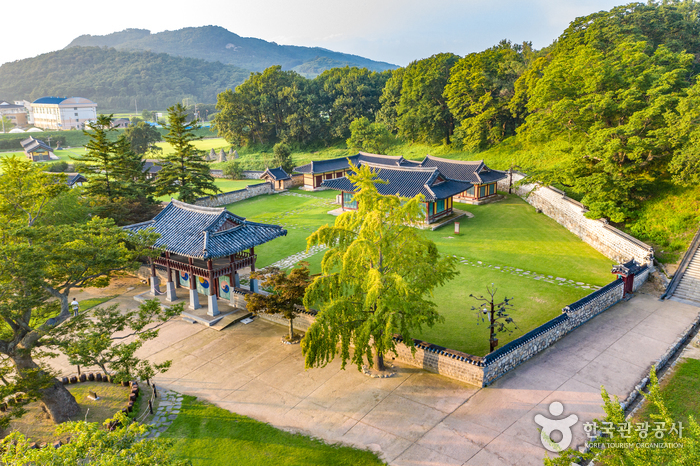
Seosan Haemieupseong Fortress
서산 해미읍성Seosan Haemieupseong Fortress, Seosan, Chungnam, South Korea
Seosan Haemieupseong Fortress is South Korea’s best-preserved flatland Joseon Dynasty walled town, spanning 1.8 kilometers of stone ramparts, historically renowned as the military command of Admira...
Morning (around 09:30-10:00)
Details→
Namwon Gwanghalluwon Chunhyang Garden
남원 광한루원Namwon Gwanghalluwon Chunhyang Garden, Namwon, Jeonbuk, South Korea
Namwon Gwanghalluwon is South Korea’s premier classical Joseon garden and the legendary birthplace of Chunhyangga, celebrated for the monumental Gwanghallu Pavilion (Treasure No. 281), the romantic...
Morning (around 09:30-10:00)
Details→
Tongyeong Dongpirang Mural Village
통영 동피랑 벽화마을Tongyeong Dongpirang Mural Village, Tongyeong, Gyeongnam, South Korea
Tongyeong Dongpirang Mural Village is South Korea’s pioneering cliffside art community, perched above Gangguan Harbor, where colorful rotating street murals, charming rooftop cafes, and the histori...
Morning (around 09:30-10:00)
Details→