Gyeongnam•Tongyeong•Culture•Art & Mural Village
Tongyeong Dongpirang Mural Village
통영 동피랑 벽화마을
Powered by Korea Tourism OrganizationAddress: Tongyeong Dongpirang Mural Village, Tongyeong, Gyeongnam, South Korea (경상남도 통영시 동피랑1길 6-18 (동호동 일원))
Editorial review pending

Tongyeong Dongpirang Mural Village representative scenic panoramaZoom


+1More
1 / 6
Tongyeong Dongpirang Mural Village representative scenic panorama
Curator's Guide & Overview
Comprehensive Guide1. Historical Origins & Cultural Background
Tongyeong Dongpirang Mural Village is South Korea’s most celebrated pioneer of community-driven public art regeneration. Perched high on a steep seaside bluff overlooking Gangguan Harbor, its name comes from the indigenous Tongyeong dialect: 'Dong' meaning east and 'Pirang' meaning cliff. Originally slated for total demolition in 2007 by city planners to rebuild the historic Dongporu fortress tower, civic activists and artists organized the First National Dongpirang Mural Biennial. Hundreds of art students and painters transformed the crumbling cement walls, steep staircases, and tin roofs into vibrant, whimsical canvases, sparking an international travel sensation that permanently saved the village from destruction.
2. Architectural Highlights & Key Structures
The artistic landscape of Dongpirang is kept permanently dynamic: every two years, an open public art competition is held to repaint the murals, ensuring that returning travelers always discover fresh visual narratives. Winding upwards through the labyrinthine flagstone alleys, visitors encounter playful pop-art portraits, surrealist marine creatures, poetic calligraphy, and the legendary angel wings photo spot that sparked a nationwide trend. At the summit sits Dongporu (Eastern Pavilion), a faithfully restored Joseon naval sentry pavilion established during Admiral Yi Sun-sin’s naval command (Tongjeyeong), commanding a jaw-dropping 360-degree panorama of Gangguan Harbor filled with fishing boats, the curved Tongyeong Bridge, and the cobalt islands of Hallyeohaesang National Park.
3. Four Seasons Landscape & Seasonal Visiting Charms
Dongpirang radiates warmth across all four seasons. Spring (March to May) brings gentle coastal breezes and cherry blossoms framing the colorful walls, with azure skies highlighting the contrast with the sea. Summer (June to August) fills the alleyways with tropical marine energy; travelers duck into air-conditioned rooftop cafes to sip chilled sweet plum ade while watching fishing trawlers slice through the waves. Autumn (September to November) provides the clearest visibility across the Tongyeong archipelago, with mild sunshine illuminating the vivid paint colors. Winter offers crisp maritime air, with calm cobalt waters and hot Tongyeong honey bread enjoyed on sunlit benches. Sunset is sublime, as dusk bathes the harbor in pink and gold, giving way to shimmering waterfront night lights.
4. Operating Hours & Peak Viewing Times
The outdoor village alleys and Dongporu observation deck are open 24 hours daily year-round with no admission gate. Most boutique cafes, artisan souvenir shops, and rooftop terraces open around 10:00 and close between 18:00 and 19:00. To preserve the peace and privacy of the elderly residents who live here, visitors are requested to keep voices low after 20:00. The ideal time to visit is mid-morning (09:30 to 11:30) or late afternoon (16:00 to 18:00) when natural sunlight illuminates the seaside murals without harsh shadows. Allocate roughly 1.5 to 2 hours to leisurely stroll the alleys, photograph the art, and visit a rooftop cafe.
5. Admission Fees & Concessions (Youth/Foreigner Discounts)
Admission to Dongpirang Mural Village and Dongporu Pavilion is completely FREE for all visitors. Individual food and beverage purchases apply (craft beverages and ice cream typically range from 4,000 to 6,500 KRW; a set of Tongyeong honey bread costs around 10,000 to 12,000 KRW). Paid parking is available at the Tongyeong Jungang Market Public Parking Lot and Gangguan Waterfront Parking Lot for approximately 1,000 KRW per hour.
6. Public Transit & Subway Exit Directions
From Seoul Express Bus Terminal (Gyeongbu) or Nambu Terminal, board an express bus directly to Tongyeong Bus Terminal (approx. 4 hours to 4 hours 20 minutes). From the terminal bus stop, virtually all local buses heading toward the city center (Routes 101, 141, 200, 301, 400, 501) reach Tongyeong Jungang Market in roughly 20 minutes. Disembark at Jungang Market or Gangguan; walk through the bustling market to the marked Dongpirang hillside entrance alleyway (a 3-minute stroll). A taxi from the bus terminal takes about 15 minutes and costs approximately 8,000 to 10,000 KRW.
7. Barrier-Free Accessibility & Visitor Amenities
Because Dongpirang is built on a steep, natural coastal cliff with narrow historic alleyways, the terrain consists of winding flagstone walkways, ramps, and numerous outdoor staircases. Consequently, the upper village and Dongporu summit are physically inaccessible for standard wheelchairs and heavy baby strollers. However, visitors with limited mobility can access the lower hillside road by taxi or car up to the Dongpirang parking terrace, where several charming cafes and lower murals can be enjoyed on flat boardwalks. Accessible public restrooms are located at the base of Jungang Market and the Gangguan waterfront plaza.
8. Recommended Walking Route & Highlights Tour
Recommended 2-Hour Cliff Art & Harbor Panorama Circuit: Arrive at Tongyeong Jungang Market and walk up the marked Dongpirang mural entrance → Stroll past the vibrant marine murals and comic strips along the lower stone lane → Pose at the world-famous Angel Wings mural overlooking Gangguan Harbor → Climb the mosaic-tiled staircase past cozy artisan craft workshops → Reach the hilltop crest and step onto the open wooden pavilion of Dongporu → Marvel at the 360-degree panorama of Tongyeong Port, fishing vessels, and distant mountain islands → Descend through the southern alley to a charming rooftop cafe for a cup of Tongyeong sweet potato latte or iced Americano → Walk down into Jungang Market to feast on authentic Tongyeong Chungmu Gimbap and sweet honey bread.
9. Local Food Specialties & Regional Flavors
Tongyeong is internationally revered as South Korea’s undisputed maritime gastronomy capital. Sample authentic Tongyeong Chungmu Gimbap (bite-sized rice rolls wrapped in plain roasted seaweed, paired with spicy marinated baby squid and crunchy fermented radish kimchi, created historically for fishermen out at sea). Savor freshly baked Tongyeong Kkulppang (honey bread—golden fried wheat pastries filled with sweet red-bean paste, sweet potato, or green tea, glazed in sticky malt honey and toasted sesame seeds). Feast on world-famous Tongyeong Oysters (Gul), served raw, steamed, pan-fried in egg batter (Guljeon), or in steaming hot stone pots. In the evening, experience Tongyeong Dajji—a legendary maritime feast where ordering a kettle of alcohol brings a continuous, lavish banquet of over 20 courses of live seafood straight from local fishing boats.
10. Dietary Options (Vegetarian, Halal & Allergen Guide)
Vegetarians can find satisfying options in Tongyeong: enjoy fresh vegetable bibimbap, savory scallion pancakes (Pajeon), grilled tofu, and comforting seaweed soups at traditional eateries around Jungang Market. Local bakeries offer sweet red-bean and sweet potato filled honey breads. Halal and pescatarian travelers will be in culinary heaven in Tongyeong: the abundant raw fish banquets, grilled sea bream, spicy seafood stews (Haemul Ttukbaegi), and oyster dishes contain zero pork or land meats, sourced fresh daily directly from the coastal fishing docks.
11. Signature Photo Spots & Golden Hour Lighting
Iconic photographic compositions: posing with the iconic Angel Wings mural with the blue waters and fishing boats of Gangguan Harbor framed dramatically below; panoramic shots from the wooden terrace of Dongporu capturing the curved harbor waterfront and the arched Tongyeong Bridge; framing colorful tin-roofed seaside shanties against the deep cobalt blue sea; and artistic close-ups of the whimsical, newly painted biennial murals along the narrow stone staircases.
12. Visitor Etiquette & Cultural Property Regulations
Community etiquette: Dongpirang is a real residential neighborhood inhabited by local elderly citizens. Keep voices and phone conversations low. Do not open residential doors, peek through curtains, or enter private courtyards marked 'Residents Only'. Do not write graffiti or scratch the murals. Dispose of empty take-out cups and wooden skewers in designated trash bins near the village cafes. Smoking is strictly prohibited throughout the hillside village due to fire hazards among closely packed wooden homes.
13. Safety Precautions & 1330 Tourism Hotline Support
Wear comfortable walking shoes with non-slip rubber soles, as the village alleys feature steep slopes and smooth cobblestones. In summer, carry a water bottle and sun protection, as the open hillside catches strong sea reflections. For village walking maps and biennial updates, visit the Dongpirang Village Center or call Tongyeong Tourism Information at 055-650-0580 or dial 1330.
14. Nearby Connected Attractions & Walking Links
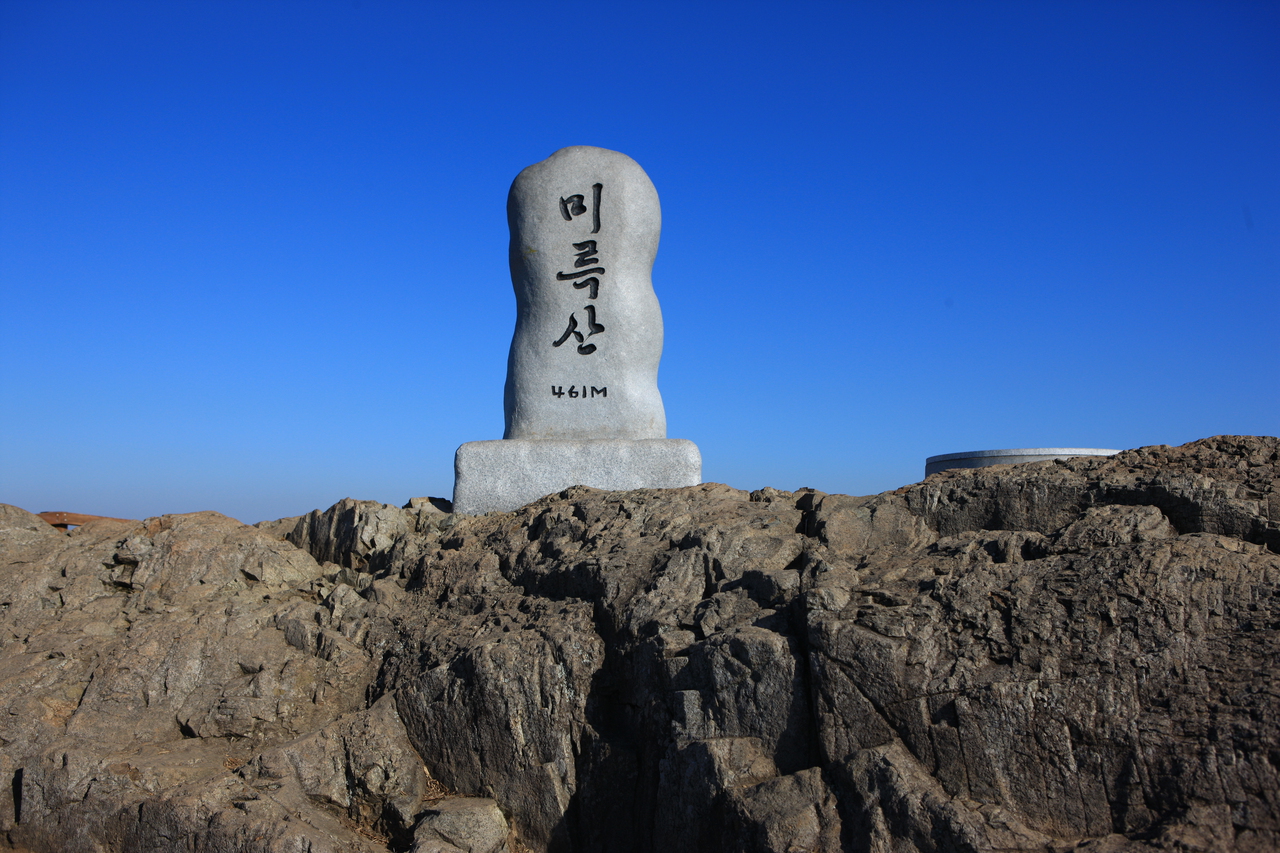
Nearby attractions: directly below lies the bustling Tongyeong Jungang Live Fish Market, where you can pick fresh flounder and sea bream for custom slicing; stroll Gangguan Harbor to inspect the life-sized replica of Admiral Yi Sun-sin's Turtle Ship (Geobukseon); ride the Tongyeong Hallyeosudo Cable Car to Mount Mireuksan for the ultimate archipelago view; or walk 15 minutes west to explore the sister art village of Seopirang (Western Cliff), famous for its 99-step staircase.
15. Frequently Asked Questions (FAQ)
Q: What happened to the village's original demolition plan? A: In 2007, Tongyeong City planned to demolish all houses to restore the Joseon fortress Dongporu; however, after the first mural biennial brought hundreds of thousands of visitors and revitalized the local economy, the city altered its master plan, choosing to restore Dongporu on the vacant summit while permanently preserving the surrounding homes as a living public art district. Q: Why is it called 'Chungmu Gimbap'? A: Tongyeong was historically named 'Chungmu' (honoring Admiral Yi Sun-sin's posthumous title); fishermen going out to sea under the hot sun found that regular gimbap with vegetables quickly spoiled, so local wives separated the plain rice rolls from the spicy fermented squid and radish kimchi, creating this durable, beloved maritime specialty.
16. Regional Extended Day Trip Itinerary
Tongyeong Dongpirang & Coastal Highlights Day Tour: Morning arrival at Tongyeong Bus Terminal → City bus to Gangguan Harbor → Explore Dongpirang Mural Village, taking photos at the Angel Wings mural and enjoying harbor views from Dongporu → Rooftop coffee and sweet Tongyeong honey bread → Lunch at Gangguan enjoying authentic Chungmu Gimbap and spicy Haemul Ttukbaegi (seafood earthen pot) → Tour the historic Turtle Ship on the harbor → Ride the Tongyeong Hallyeosudo Cable Car up Mount Mireuksan for panoramic island views → Evening seafood feast at a traditional Tongyeong Dajji restaurant → Return or overnight in Tongyeong.
Essential Visitor Facts
Operating Hours
Streets and alleys open 24/7 year-round; individual cafes and souvenir shops typically operate 10:00 - 18:00 / 19:00; optimal visiting hours are early morning or late afternoon golden hour.
Admission / Price
FREE ADMISSION to the mural village, alleys, viewpoints, and Dongporu Pavilion; individual purchases at cafes and snack shops apply; Public parking at Gangguan Harbor (approx. 1,000 KRW/hour).
Closed Days
Open 365 Days
Best Time to Visit
Morning (around 09:30-10:00)
Transit & Access Directions
From Tongyeong Intercity Bus Terminal, take City Bus 101, 141, 200, 301, 400, or 501 to Tongyeong Jungang Market or Gangguan stop (approx. 20 minutes). From the market, walk 3 minutes up the hillside alley.
Accessibility & Special Amenities
Wheelchair ramps, tactile paving, accessible restrooms
Location Coordinates
Latitude: 34.8465
Longitude: 128.4285
Discover Themes & Highlights
Key interest areas and cultural highlights:
#tongyeong-dongpirang-mural-village#VisitGyeongnam#KoreaTravelAtlas
Community Traveler Reviews0 Reviews
Visitor tips, feedback, and questions submitted by real travelers.
No community reviews submitted yet. Be the first traveler to share your experience!
Connected Cultural Destinations
Handpicked nearby attractions and regional cultural highlights.
Gwangalli Beach & Gwangan Bridge
광안리해수욕장219 Gwanganhaebyeon-ro, Suyeong-gu, Busan
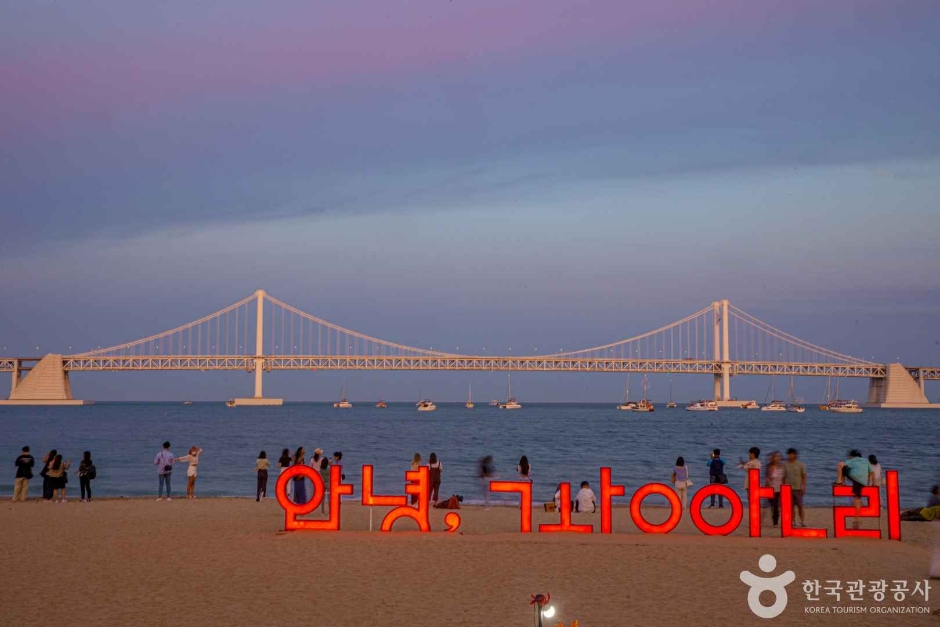
Gwangalli Beach, curving gracefully in Suyeong-gu, Busan, is renowned for its sweeping vistas of the monumental 7.42-kilometer Gwangan Grand Bridge (Diamond Bridge) spanning the ocean horizon. Frin...
HalalMorning (around 09:30-10:00)
Details→
Yeosu Odongdo Island & Marine Cable Car
여수 오동도 및 해상케이블카Yeosu Odongdo Island & Marine Cable Car, Yeosu, Jeonnam, South Korea
Yeosu Odongdo Island and the Marine Cable Car form South Korea’s quintessential maritime spectacle, featuring an emerald islet carpeted with 3,000 crimson winter camellias and an exhilarating 1.5-k...
Morning (around 09:30-10:00)
Details→
Geoje Windy Hill & Sinseondae Cliff
거제 바람의 언덕 및 신선대Geoje Windy Hill & Sinseondae Cliff, Geoje, Gyeongnam, South Korea
Geoje Windy Hill is South Korea’s most romantic coastal promontory, world-famous for its majestic Dutch windmill spinning in the ocean breezes of Dojangpo Harbor, paired with the ancient stratified...
Morning (around 09:30-10:00)
Details→
Namhae German Village (Deutsches Dorf)
남해 독일마을Namhae German Village (Deutsches Dorf), Namhae, Gyeongnam, South Korea
Namhae German Village is South Korea’s charming Bavarian coastal enclave, established in 2001 for Korean nurses and miners returning from Germany, featuring authentic white-walled villas with red-o...
Morning (around 09:30-10:00)
Details→