Gyeongnam•Geoje•Nature•Mountain & Trail
Geoje Windy Hill & Sinseondae Cliff
거제 바람의 언덕 및 신선대
Powered by Korea Tourism OrganizationAddress: Geoje Windy Hill & Sinseondae Cliff, Geoje, Gyeongnam, South Korea (경상남도 거제시 남부면 갈곶리 산14-47 (도장포마을))
Editorial review pending

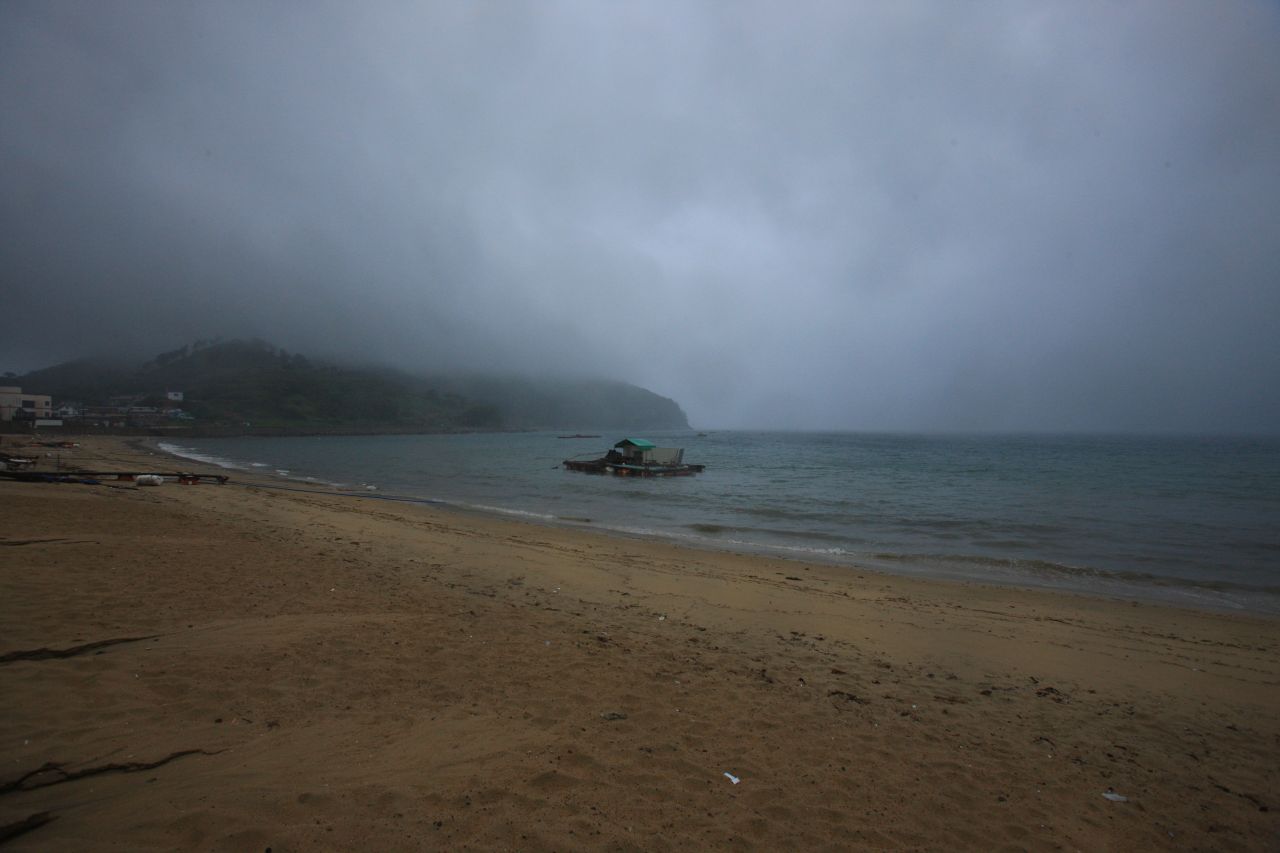
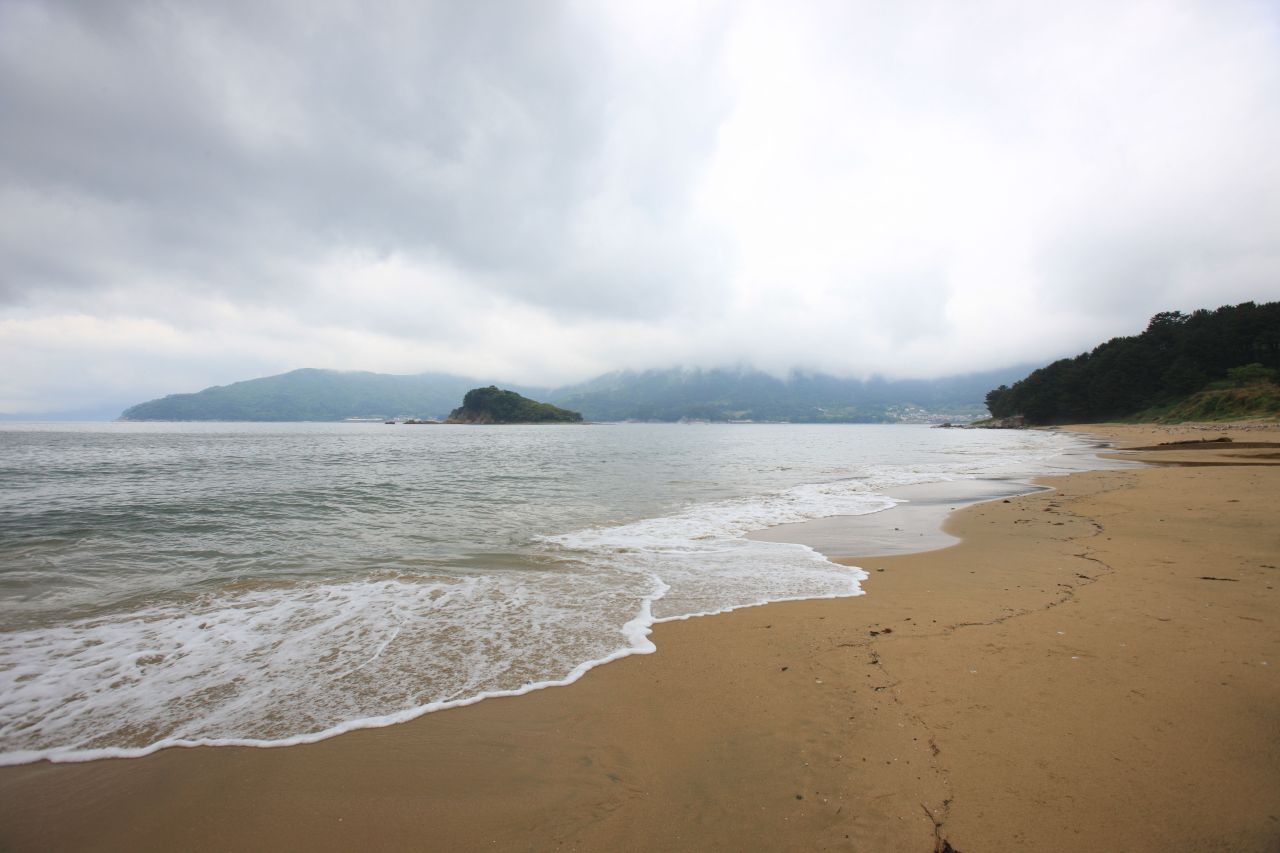
Geoje Windy Hill & Sinseondae Cliff representative scenic panoramaZoom


+1More
1 / 6
Geoje Windy Hill & Sinseondae Cliff representative scenic panorama
Curator's Guide & Overview
Comprehensive Guide1. Historical Origins & Cultural Background
Geoje Windy Hill, situated on a dramatic grassy promontory jutting into the cobalt waters of Dojangpo Harbor, is one of South Korea's most visually recognized coastal landmarks. Originally known to local fishermen simply as 'Dojangpo Hill', its legendary reputation blossomed in the early 2000s when renowned film directors chose this wind-swept headland as the backdrop for blockbuster K-dramas such as *Eve’s Garden* and *Merry-Go-Round*. Recognizing the area's perpetual oceanic breezes, Geoje City installed a majestic 11-meter-tall Dutch-style windmill on the grassy bluff in 2009, creating an enchanting Mediterranean-style tableau that attracts over a million visitors annually.
2. Architectural Highlights & Key Structures
Windy Hill is characterized by its rolling lawns carpeted in wild seaside grasses, bordered by vertical sea cliffs and jagged marine rocks. A wooden pedestrian boardwalk winds down from the quaint harbor village of Dojangpo, leading visitors past traditional fishing docks and elevated viewing platforms directly to the windmill. Immediately across the harbor road to the south lies Sinseondae (Platform of the Immortals)—an astonishing natural geological terrace composed of layered Cretaceous sedimentary sea cliffs. According to local folklore, celestial Taoist hermits (Sinseon) descended from heaven to play games of go and revel in the beauty of the emerald waves crashing against the multi-hued rocky steps.
3. Four Seasons Landscape & Seasonal Visiting Charms
The promontory delivers sensational scenery across all seasons. Spring (March to May) brings gentle, warming sea winds that rustle the emerald lawns while yellow canola flowers and blooming wild camellias line the coastal trail. Summer (June to August) is vibrant and refreshing; powerful marine trade winds blow constantly off the South Sea, keeping visitors remarkably cool even under the bright southern sun. Autumn (September to November) offers crystalline visibility, with deep sapphire blue waters meeting fiery orange skies at sunset. Winter brings brisk coastal air, calm turquoise seas, and blooming crimson winter camellias. Sunset is unforgettable: as the sun dips behind the jagged mountains of Geoje, the spinning windmill stands in sharp silhouette against a fiery purple sky.
4. Operating Hours & Peak Viewing Times
Windy Hill and the Sinseondae terraces are open 24 hours daily year-round with unrestricted free access. The windmill and coastal boardwalks are illuminated by soft decorative floodlights until late evening. The premier times to visit are early morning (08:00 to 10:00) before tour buses arrive, and late afternoon (16:30 to 18:00) during the golden hour sunset. A comprehensive visit encompassing both the walk to the windmill and the descent onto the rocky terraces of Sinseondae requires approximately 1.5 to 2 hours.
5. Admission Fees & Concessions (Youth/Foreigner Discounts)
Admission to Windy Hill, the Dutch Windmill, the coastal marine boardwalks, and the geological platforms of Sinseondae is completely FREE of charge. Sprawling paid municipal and harbor parking at Dojangpo Port charges a flat daily fee of approximately 2,000 to 3,000 KRW.
6. Public Transit & Subway Exit Directions
From Seoul Express Bus Terminal (Gyeongbu) or Seoul Nambu Terminal, board an express bus directly to Geoje Gohyeon Bus Terminal (approx. 4 hours 20 minutes). From Gohyeon Terminal, board local City Bus 55 or 55-1, which travels through the scenic southern valleys directly to the Dojangpo bus stop in roughly 50 minutes. Alternatively, a taxi from Gohyeon Terminal takes about 35 minutes along Route 14 and costs approximately 30,000 to 35,000 KRW. Driving from Busan is effortless via the Geoga Grand Bridge (Geogadaegyo), taking roughly 1 hour 20 minutes.
7. Barrier-Free Accessibility & Visitor Amenities
The walk to Windy Hill from Dojangpo harbor begins with an initial paved incline, followed by a wide, smoothly graded wooden boardwalk that curves around the grassy hillside to the windmill. While the wooden boardwalk features gentle ramps, there are several short flights of wooden steps that make complete wheelchair transit to the lower grassy bluff challenging without assistance. Sinseondae features a paved roadside viewing deck that is fully barrier-free; however, descending directly onto the rocky wave-swept terraces involves steep wooden staircases and rough natural rocks. Accessible restrooms are located at the Dojangpo ferry terminal plaza.
8. Recommended Walking Route & Highlights Tour
Recommended 2-Hour Windmill & Geological Immortals Circuit: Arrive at Dojangpo Port and stroll past the seaside cafes → Follow the wooden boardwalk up the coastal hill, feeling the fresh sea breezes → Reach the summit lawn and photograph the monumental Dutch windmill against the cobalt ocean → Walk down to the edge of the grassy promontory to watch passenger ferries departing for Oedo Botania → Return to the harbor and cross the coastal road to Sinseondae → Walk down the wooden cliff stairs onto the colossal stratified rock platforms of Sinseondae → Feel the ocean spray and admire the natural wave-carved geological layers → Walk back up to the village to savor a world-famous Geoje Baram Hotdog and fresh oyster pancakes for lunch.
9. Local Food Specialties & Regional Flavors
Dojangpo village is the home of Geoje’s most viral modern snack: the Baram Hotdog (Wind Hotdog)—a colossal, extra-crispy battered sausage coated in crunchy coconut flakes or savory almond slivers, drizzled in honey mustard and spicy ketchup. Geoje is also South Korea’s premier oyster and seafood haven: indulge in Geoje Gul-gui (freshly steamed giant rock oysters), Seongge-bibimbap (fragrant sea urchin roe bibimbap), Munggae-bibimbap (sea squirt bibimbap), and spicy seafood ramyeon overflowing with blue crabs, abalone, and mussels.
10. Dietary Options (Vegetarian, Halal & Allergen Guide)
Vegetarians can find nourishing dining around Dojangpo harbor: enjoy vegetable bibimbap, crispy potato pancakes, acorn jelly salad, and warm tofu stews at traditional village eateries. Cafes overlooking the bay serve fresh mango bingsu (shaved ice), sweet sweet-potato lattes, and artisan bakeries. Halal and pescatarian travelers can feast on abundant fresh marine delicacies: fresh sea urchin bibimbap, grilled local red seabream, steamed abalone porridge, and hot seafood noodle pots, all prepared completely free of meat or pork fats.
11. Signature Photo Spots & Golden Hour Lighting
Signature photographic angles: standing on the wooden boardwalk framing the towering Dutch windmill with its four large blades spinning against the brilliant blue waters of the South Sea; a dramatic wide-angle shot from the edge of the grassy bluff looking back at the windmill with fishing boats sailing below; standing upon the giant multi-layered geological stone steps of Sinseondae with crashing turquoise waves in the background; and the fiery silhouette of the windmill against a blazing orange sunset.
12. Visitor Etiquette & Cultural Property Regulations
Visitor safety rules: the promontory experiences powerful gusts of wind throughout the year; hold onto hats, sunglasses, and umbrellas securely to prevent them from blowing into the ocean. Do not climb over wooden safety fences onto the sheer cliff edges. At Sinseondae, never step onto dark, wet rocks near the water's edge, as sudden rogue waves (Neoulseong Pado) can strike without warning. Do not fly drones in high-wind conditions. Smoking is strictly prohibited throughout the park. Dispose of all trash in designated bins.
13. Safety Precautions & 1330 Tourism Hotline Support
Wear comfortable walking shoes with non-slip soles, especially if planning to descend onto the geological rock shelves of Sinseondae. A secure windbreaker or light jacket is recommended even in summer, as the perpetual ocean winds can feel surprisingly brisk. For ferry schedules to nearby Oedo and Haegeumgang, visit the Dojangpo Passenger Terminal or call Geoje Tourism Information at 055-639-4178 or dial 1330.
14. Nearby Connected Attractions & Walking Links
Directly connected attractions: Dojangpo Port is the primary passenger ferry terminal departing for Oedo Botania Marine Botanical Garden (PLACE-GYEONGNAM-003) and the dramatic sea caves of Haegeumgang; drive 10 minutes east to walk the black pebbles of Hakdong Heukjinju Pebble Beach; or drive 20 minutes north to the Geoje Botanical Garden (Jungle Dome).
15. Frequently Asked Questions (FAQ)
Q: Why is there a Dutch windmill on a Korean coastal hill? A: Because this natural promontory is exposed to powerful, uninterrupted maritime trade winds year-round, Geoje City installed the picturesque Dutch-style windmill in 2009 to honor the landscape's natural wind energy and create a fairy-tale coastal aesthetic, which immediately became one of Korea’s most photographed monuments. Q: What is the geological history of Sinseondae? A: Sinseondae was formed during the Cretaceous Period of the Mesozoic Era; over tens of millions of years, alternating layers of gravel, sand, and mud were deposited, compressed into stone, and uplifted, before being sculpted into magnificent flat terraces by relentless wave erosion.
16. Regional Extended Day Trip Itinerary
Geoje Windy Hill & Oedo Botania Day Tour: Morning arrival at Dojangpo Port in Geoje → Walk the breezy boardwalk to Windy Hill and photograph the iconic Dutch Windmill → Walk across to the geological rock terraces of Sinseondae → Snack on a famous crunchy Geoje Baram Hotdog → Board the cruise ferry from Dojangpo Port to circle the towering sea stacks of Haegeumgang → Disembark at Oedo Botania to explore the Mediterranean botanical gardens → Return to Dojangpo for a lunch of fresh sea urchin bibimbap and steamed Geoje oysters → Walk along Hakdong Black Pebble Beach → Return via Busan or Gohyeon Terminal.
Essential Visitor Facts
Operating Hours
Open 24/7 year-round (illuminated in the evening); free access to the grassy promontory, windmill, and Sinseondae geological terraces; optimal visiting hours are morning and sunset.
Admission / Price
FREE ADMISSION to Windy Hill, the Dutch Windmill, wooden coastal boardwalks, and Sinseondae geological observatory; Municipal parking at Dojangpo Harbor (approx. 2,000 to 3,000 KRW/day).
Closed Days
Open 365 Days
Best Time to Visit
Morning (around 09:30-10:00)
Transit & Access Directions
From Gohyeon Bus Terminal in Geoje, take City Bus 55 or 55-1 directly to Dojangpo stop (approx. 50 minutes). A taxi from Gohyeon takes about 35 minutes and costs approximately 30,000 to 35,000 KRW.
Accessibility & Special Amenities
Wheelchair ramps, tactile paving, accessible restrooms
Location Coordinates
Latitude: 34.7612
Longitude: 128.6625
Discover Themes & Highlights
Key interest areas and cultural highlights:
#geoje-windy-hill-sinseondae#VisitGyeongnam#KoreaTravelAtlas
Community Traveler Reviews0 Reviews
Visitor tips, feedback, and questions submitted by real travelers.
No community reviews submitted yet. Be the first traveler to share your experience!
Connected Cultural Destinations
Handpicked nearby attractions and regional cultural highlights.
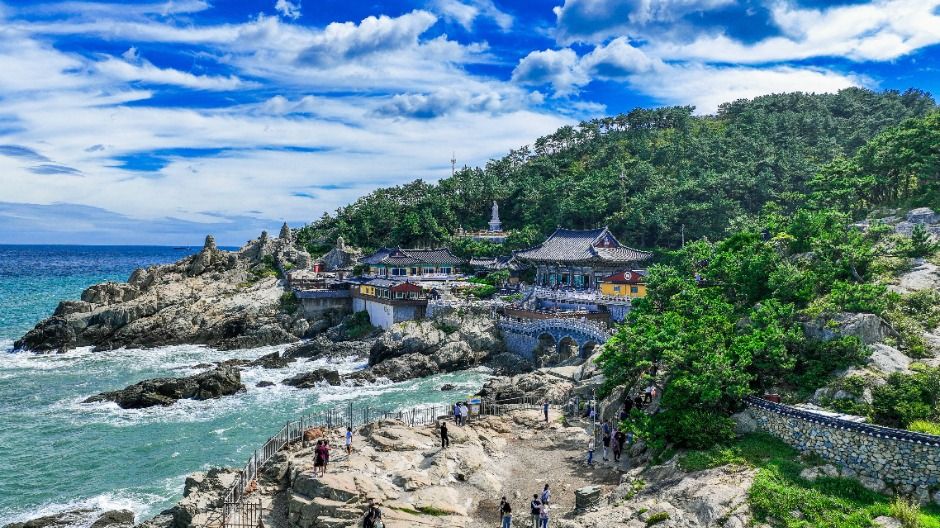
Haedong Yonggungsa Temple
해동용궁사86 Yonggung-gil, Gijang-eup, Gijang-gun, Busan
Haedong Yonggungsa Temple, perched dramatically on rugged oceanfront cliffs in Gijang, Busan, is one of South Korea's rare and magnificent seaside Buddhist sanctuaries. Founded in 1376 by Great Mas...
HalalMorning (around 09:30-10:00)
Details→
Tongyeong Dongpirang Mural Village
통영 동피랑 벽화마을Tongyeong Dongpirang Mural Village, Tongyeong, Gyeongnam, South Korea
Tongyeong Dongpirang Mural Village is South Korea’s pioneering cliffside art community, perched above Gangguan Harbor, where colorful rotating street murals, charming rooftop cafes, and the histori...
Morning (around 09:30-10:00)
Details→
Oedo Botania Marine Botanical Garden
외도 보타니아Oedo Botania Marine Botanical Garden, Geoje, Gyeongnam, South Korea
Oedo Botania is South Korea’s world-renowned European marine botanical paradise, a breathtaking private island in Hallyeohaesang National Park transformed over 30 years from a barren rocky crag int...
Morning (around 09:30-10:00)
Details→
Daepo Jusangjeolli Hexagonal Lava Cliffs
대포 주상절리대Daepo Jusangjeolli Hexagonal Lava Cliffs, Seogwipo, Jeju, South Korea
Daepo Jusangjeolli is a UNESCO Global Geopark marvel and Natural Monument No. 443, featuring colossal hexagonal and polygonal columnar basalt sea cliffs towering 20 to 30 meters above the roaring s...
Morning (around 09:30-10:00)
Details→