Gyeongnam•Geoje•Nature•Garden & Forest
Oedo Botania Marine Botanical Garden
외도 보타니아
Powered by Korea Tourism OrganizationAddress: Oedo Botania Marine Botanical Garden, Geoje, Gyeongnam, South Korea (경상남도 거제시 일운면 외도길 17 (외도해상농원))
Editorial review pending
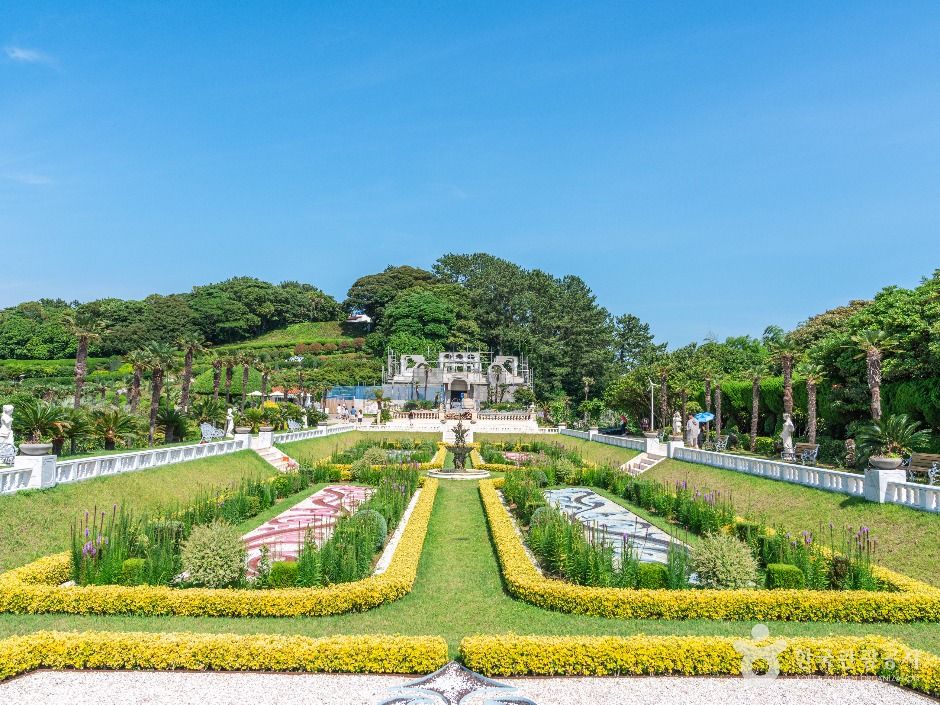
Oedo Botania Marine Botanical Garden representative scenic panoramaZoom


+1More
1 / 6
Oedo Botania Marine Botanical Garden representative scenic panorama
Curator's Guide & Overview
Comprehensive Guide1. Historical Origins & Cultural Background
Geoje Oedo Botania is an internationally acclaimed horticultural miracle and South Korea’s premier marine botanical sanctuary. Floating in the crystalline emerald waters of Hallyeohaesang National Park four kilometers southeast of Geoje Island, this 145,000-square-meter island was historically a barren, windswept rock called 'Oedo' inhabited by just a handful of families struggling without fresh electricity or drinking water. In 1969, fishing enthusiast Lee Chang-ho and his wife Choi Ho-sook took shelter on the island during a storm; captivated by its raw beauty, they purchased the entire island. Over three decades of agonizing toil—hauling fresh soil, planting windbreak trees, and surviving catastrophic typhoons—the couple transformed the rocky wasteland into a lush botanical paradise, opening it to the public in 1995.
2. Architectural Highlights & Key Structures
Oedo Botania blends authentic Mediterranean landscaping with lush subtropical Korean flora. The island is blanketed by more than 1,000 species of rare subtropical plants from around the world, including towering Canary Island date palms, cactus gardens, sweet olive trees, and century-old camellias. The visual centerpiece is the iconic 'Venus Garden', inspired by the royal gardens of Buckingham Palace, featuring pristine manicured hedges, classical marble statues of Roman and Greek deities, and white Roman columns framing the glittering azure sea. Other highlights include the Cypress Avenue (Stairway to Heaven), the open-air Sculpture Park featuring contemporary Korean masterpieces, the peaceful non-denominational Eden Church perched over sea cliffs, and the Panorama Observation Deck.
3. Four Seasons Landscape & Seasonal Visiting Charms
The island is in perpetual bloom throughout all four seasons. Spring (March to May) is breathtaking: millions of blooming tulips, daffodils, and cherry blossoms carpet the terraces against the azure ocean. Summer (June to August) unleashes tropical exuberance, with vibrant bougainvillea, blooming hydrangeas, and lush palms swaying in cooling ocean breezes. Autumn (September to November) brings fragrant sweet olive trees (Geunmokseo) whose perfume wafts across the island, accompanied by blooming silver grass and chrysanthemums. Winter offers a mild Mediterranean-like refuge: while the Korean mainland freezes, Oedo’s tens of thousands of wild camellia trees burst into blazing crimson flowers against the sapphire sea.
4. Operating Hours & Peak Viewing Times
Oedo Botania operates daily year-round from 09:00 to 18:30 in summer (March to October) and 08:30 to 17:00 in winter (November to February). Visiting Oedo is regulated by ferry cruising schedules; cruise ferries allow passengers exactly 2 hours of island exploration time—the perfect duration to complete the one-way walking circuit without backtracking. Access is dependent on maritime weather; during typhoons or high ocean swells exceeding safety limits, ferry departures are temporarily suspended. Always check morning sailing conditions before traveling to the ferry terminals.
5. Admission Fees & Concessions (Youth/Foreigner Discounts)
Admission to Oedo Botania is 11,000 KRW for adults (ages 19-64), 8,000 KRW for youth (ages 13-18), and 5,000 KRW for children (ages 3-12). Round-trip cruise ferry tickets (which universally include a spectacular 20-minute cruise circling the sea caves and sea stacks of Haegeumgang) cost approximately 18,000 to 22,000 KRW per adult depending on the departure port. Tickets can be reserved online in advance with small discounts. Free parking is available at all major ferry terminal harbors.
6. Public Transit & Subway Exit Directions
Cruise ferries depart for Oedo from seven distinct coastal ports around Geoje: Dojangpo (adjacent to Windy Hill), Gujora, Wahyeon, Jangseungpo, Chisepo, Haegeumgang, and Dapo. From Geoje Gohyeon Terminal, City Bus 55 reaches Dojangpo in 50 minutes, while City Bus 22 reaches Gujora in 40 minutes. Dojangpo and Gujora are the most popular terminals due to their close proximity to Haegeumgang. The high-speed ferry cruise takes about 10 to 15 minutes to reach Oedo (or 30 to 40 minutes including the full marine tour of Haegeumgang Island).
7. Barrier-Free Accessibility & Visitor Amenities
Oedo Botania was carefully engineered with a single continuous concrete and flagstone walking circuit designed for visitors. While the main pathways are smoothly paved, the island rises steeply from sea level to an elevation of over 80 meters, featuring substantial uphill inclines, winding switchbacks, and several flights of stone stairs. As a result, navigating the entire circuit with a manual wheelchair or heavy baby stroller requires strong physical exertion. Motorized electric wheelchairs cannot board the passenger ferries due to gangway width constraints. Free wheelchair loans are available at the island harbor arrival gate for flat lower-dock viewing. Accessible restrooms are located at the island arrival port and the summit cafe.
8. Recommended Walking Route & Highlights Tour
Recommended 2-Hour Botanical Eden Circuit: Step off the ferry at Oedo Welcome Wharf → Walk up the winding Palm Tree Avenue past subtropical succulents → Arrive at the breathtaking Venus Garden, photographing the classical Roman statues and white colonnades overlooking the ocean → Walk up the shaded Camellia Tunnel to the Flower Garden terrace → Marvel at the contemporary bronze artworks in the Sculpture Park → Contemplate in the cliffside Eden Church, gazing through glass windows at crashing waves → Ascend the Cypress Avenue (Stairway to Heaven) to the Panorama Observation Deck for sweeping 360-degree views of the South Sea → Enjoy an iced organic citron tea or sweet gelato at the summit cafe → Descend through the bamboo grove and memorial hall honoring founder Lee Chang-ho → Board your return ferry at the departure dock.
9. Local Food Specialties & Regional Flavors
While dining options on the island are limited to light bakery cafes and gelato shops to preserve the delicate ecosystem, the mainland departure ports (Dojangpo, Gujora, and Jangseungpo) offer world-class Geoje seafood. Savor Seongge-bibimbap (fresh local sea urchin roe tossed with warm rice, sesame oil, and seaweed), Munggae-bibimbap (sea squirt bibimbap), fresh flounder sashimi, and steaming pots of Haemul Ttukbaegi (seafood hot pot bursting with blue crab, shrimp, clams, and octopus). On Oedo, enjoy refreshing Geoje Yuzu (Citron) ade, artisan ice cream, and fresh bakery pastries.
10. Dietary Options (Vegetarian, Halal & Allergen Guide)
Vegetarians can find plant-based options at the departure harbors: order vegetable bibimbap, crispy potato pancakes, acorn jelly salad, and warm tofu stews. On Oedo, the summit cafe offers fresh fruit juices, herbal teas, and bakery treats. Halal and pescatarian travelers can indulge in exquisite coastal seafood banquets at the harbor restaurants: fresh sea urchin rice, grilled mackerel, steamed abalone, and seafood pancakes are prepared without meat broths or pork derivatives.
11. Signature Photo Spots & Golden Hour Lighting
Iconic photographic perspectives: framing the classical white Roman statues and columns of the Venus Garden with the endless turquoise sea and distant islands stretching into the horizon; looking down the symmetrical green hedges of Cypress Avenue (Stairway to Heaven); standing on the Panorama Observation Deck with passenger cruise ships leaving white wakes across the deep blue waters; and capturing the charming white spire of Eden Church perched on the edge of the rocky coastal cliffs.
12. Visitor Etiquette & Cultural Property Regulations
Island conservation regulations: Oedo is a strictly protected private botanical garden. Visitors must remain on designated stone pathways; never step into flowerbeds, pick flowers, collect seeds, or touch rare botanical specimens. To ensure smooth ferry operations, visitors must return to the departure dock exactly 2 hours after landing. Smoking, open flames, cooking, alcohol, and pets are strictly prohibited throughout the island. Trash cans are not provided along the trails to prevent litter; carry all personal trash back to the mainland.
13. Safety Precautions & 1330 Tourism Hotline Support
Wear comfortable walking sneakers, as completing the 1.5-kilometer uphill botanical circuit involves moderate continuous climbing over paved inclines and stone steps. In summer, carry a parasol, sunhat, and a bottle of water, as the open garden terraces catch intense Mediterranean-like sun reflections. Always verify sea wave conditions and ferry sailing status before traveling to the ports by contacting Oedo Botania customer service at 055-681-4541 or dial 1330.
14. Nearby Connected Attractions & Walking Links
Nearby mainland attractions: Dojangpo Ferry Terminal is located directly beside Windy Hill and Sinseondae (PLACE-GYEONGNAM-002); Gujora Terminal is beside the white sands of Gujora Beach; visit the Geoje Shipbuilding Marine Cultural Center in Chisepo; or relax on the black pebbles of Hakdong Pebble Beach.
15. Frequently Asked Questions (FAQ)
Q: What was Oedo like before the botanical garden was built? A: In the 1960s, Oedo was a desolate rocky island without electricity or fresh water where six impoverished fishing families survived on sweet potatoes and seaweed; founder Lee Chang-ho initially tried raising tangerines and breeding pigs, but after failing due to brutal typhoons, he and his wife shifted to planting durable windbreaks and subtropical botanical species, creating today's world-famous garden. Q: Why do ferries only allow 2 hours on the island? A: Because Oedo is a small island with limited dock capacity that receives thousands of visitors daily, maritime safety regulations require all cruise ferries to operate on a strict 2-hour turnaround cycle to prevent overcrowding and ensure all passengers return safely on their assigned vessel.
16. Regional Extended Day Trip Itinerary
Geoje Oedo Botania & Coastal Cruise Day Tour: Morning arrival at Dojangpo or Gujora Ferry Terminal → Board cruise ferry for a thrilling maritime tour circling the sea caves of Haegeumgang Island → Land at Oedo Botania Wharf → Walk the 2-hour botanical circuit through the Palm Avenue, Venus Garden, and Cypress Stairway → Enjoy gelato with ocean views at the summit cafe → Board return ferry to the mainland → Savor fresh sea urchin bibimbap and seafood stew for lunch at the harbor → Afternoon visit to nearby Windy Hill and Sinseondae → Return via Gohyeon Terminal or Busan.
Essential Visitor Facts
Operating Hours
Open daily year-round; Summer (March to October) 09:00 - 18:30 / Winter (November to February) 08:30 - 17:00; access dependent on passenger ferry schedules and sea wave conditions.
Admission / Price
Island Botanical Garden Admission: Adults 11,000 KRW, Youth 8,000 KRW, Children 5,000 KRW; Ferry Cruise (includes Haegeumgang island cruise + Oedo landing): approx. 18,000 to 22,000 KRW round-trip.
Closed Days
Open 365 Days
Best Time to Visit
Morning (around 09:30-10:00)
Transit & Access Directions
Passenger cruise ferries depart regularly from 7 ports around Geoje: Dojangpo, Gujora, Wahyeon, Jangseungpo, Chisepo, Haegeumgang, and Dapo. From Gohyeon Terminal, take Bus 55 to Dojangpo or Bus 22 to Gujora (approx. 40-50 minutes).
Accessibility & Special Amenities
Wheelchair ramps, tactile paving, accessible restrooms
Location Coordinates
Latitude: 34.8212
Longitude: 128.7152
Discover Themes & Highlights
Key interest areas and cultural highlights:
#oedo-botania-island#VisitGyeongnam#KoreaTravelAtlas
Community Traveler Reviews0 Reviews
Visitor tips, feedback, and questions submitted by real travelers.
No community reviews submitted yet. Be the first traveler to share your experience!
Connected Cultural Destinations
Handpicked nearby attractions and regional cultural highlights.

Gamcheon Culture Village
감천문화마을203 Gamnae 2-ro, Saha-gu, Busan
Gamcheon Culture Village in Saha-gu, Busan, is a vibrant hillside community celebrated as "Korea's Santorini" or "Machu Picchu of Busan" for its terraced rows of pastel-hued residences clinging to ...
HalalMorning (around 09:30-10:00)
Details→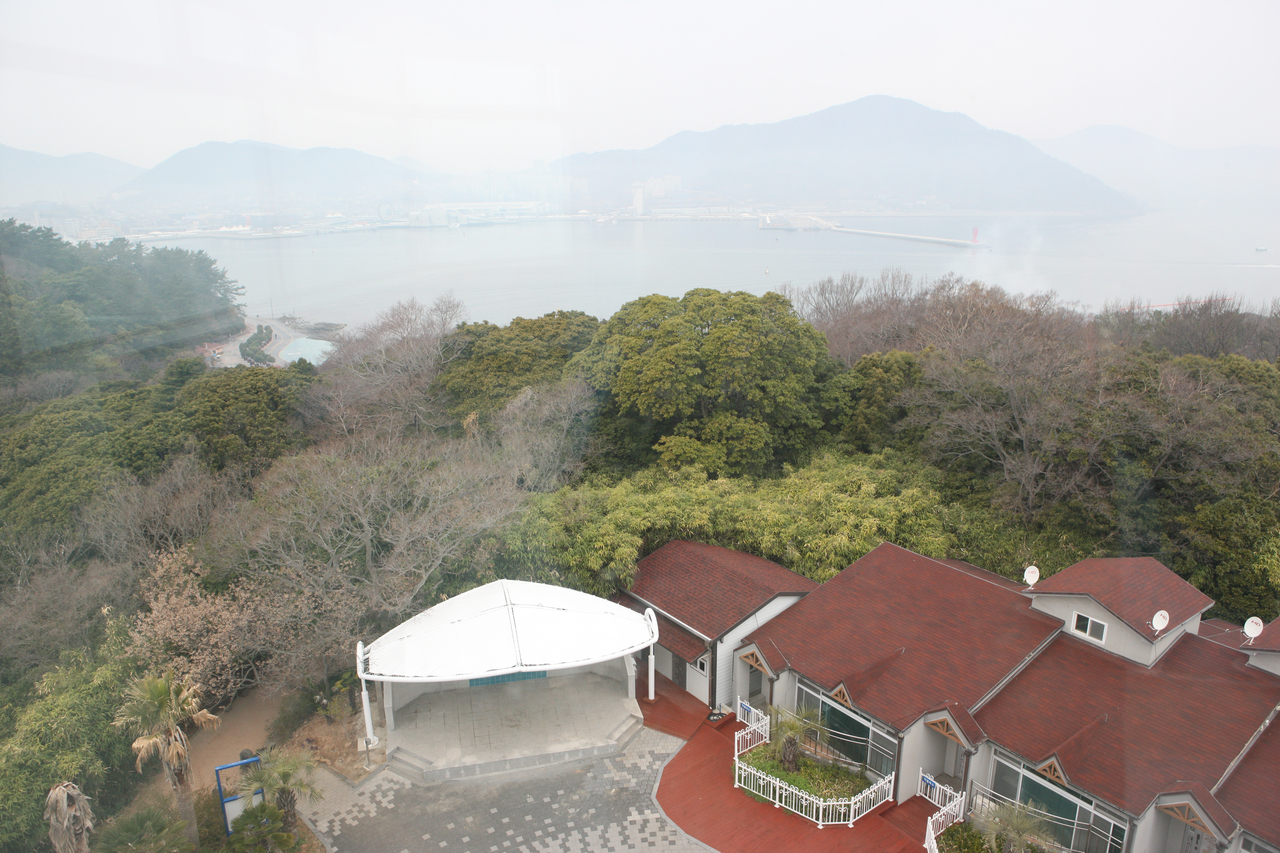
Yeosu Odongdo Island & Marine Cable Car
여수 오동도 및 해상케이블카Yeosu Odongdo Island & Marine Cable Car, Yeosu, Jeonnam, South Korea
Yeosu Odongdo Island and the Marine Cable Car form South Korea’s quintessential maritime spectacle, featuring an emerald islet carpeted with 3,000 crimson winter camellias and an exhilarating 1.5-k...
Morning (around 09:30-10:00)
Details→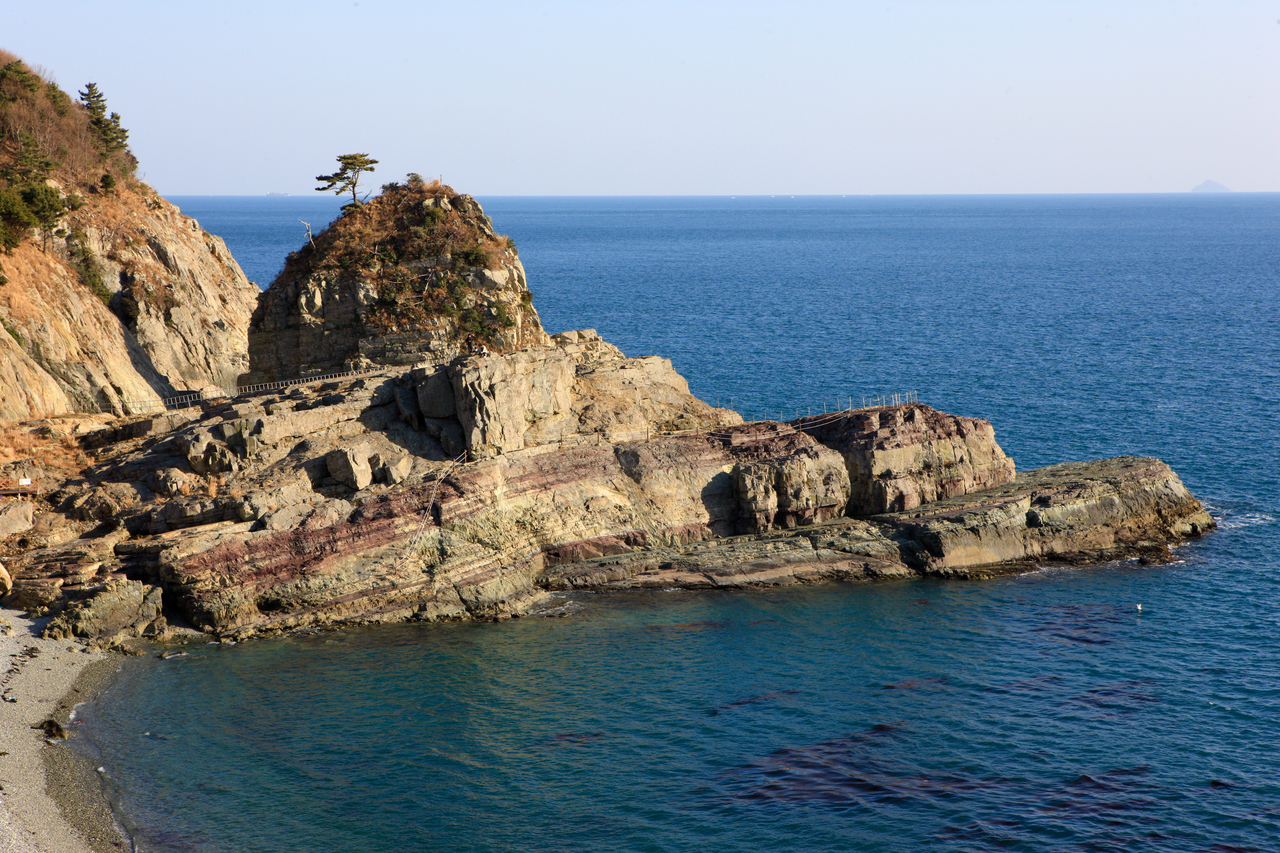
Geoje Windy Hill & Sinseondae Cliff
거제 바람의 언덕 및 신선대Geoje Windy Hill & Sinseondae Cliff, Geoje, Gyeongnam, South Korea
Geoje Windy Hill is South Korea’s most romantic coastal promontory, world-famous for its majestic Dutch windmill spinning in the ocean breezes of Dojangpo Harbor, paired with the ancient stratified...
Morning (around 09:30-10:00)
Details→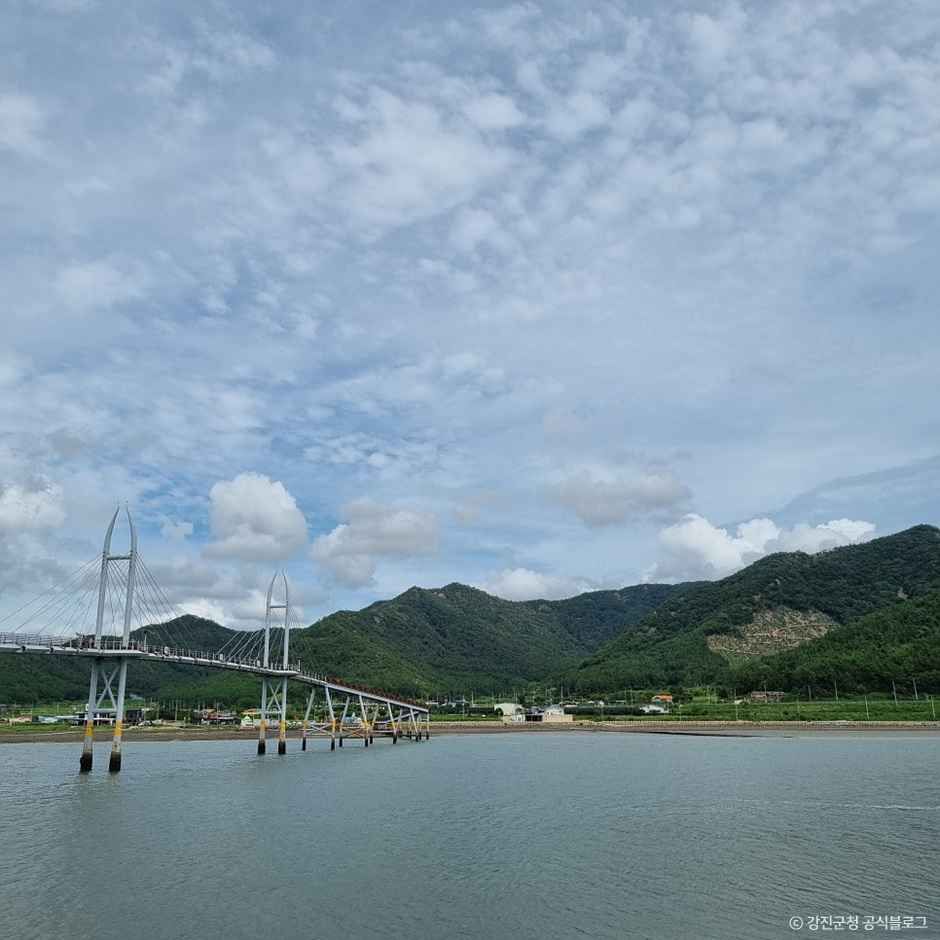
Udo Island (Seobinbaeksa Coral Beach)
우도 (서빈백사)Udo Island (Seobinbaeksa Coral Beach), Jeju, South Korea
Udo Island is Jeju’s breathtaking ‘Cow Island’ maritime paradise, internationally renowned for Seobinbaeksa (Natural Monument No. 438)—Asia’s only white rhodolith beach formed from calcified red al...
Morning (around 09:30-10:00)
Details→