Jeju•Nature•Beach & Coast
Udo Island (Seobinbaeksa Coral Beach)
우도 (서빈백사)
Powered by Korea Tourism OrganizationAddress: Udo Island (Seobinbaeksa Coral Beach), Jeju, South Korea (제주특별자치도 제주시 우도면 우도해안길 252 (서빈백사))
Editorial review pending

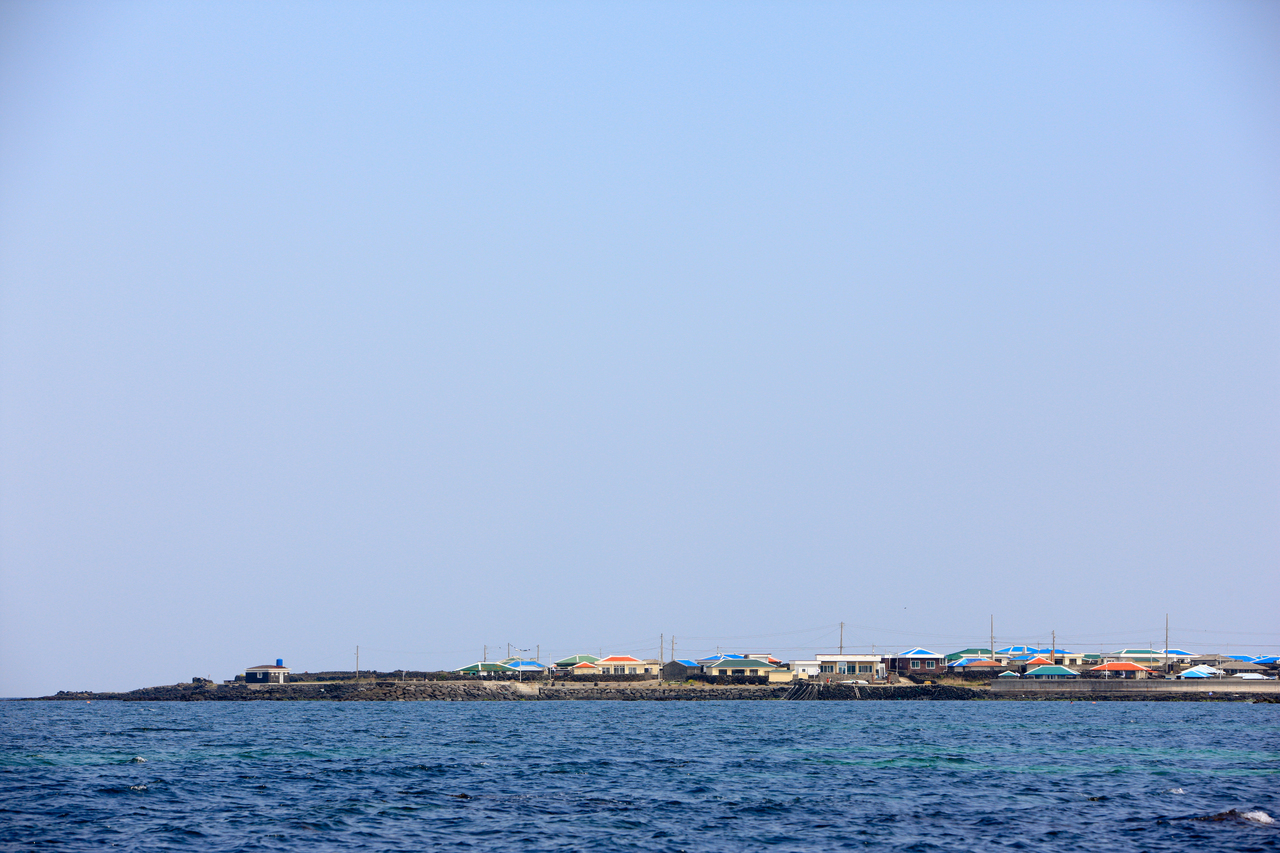
Udo Island (Seobinbaeksa Coral Beach) representative scenic panoramaZoom


+1More
1 / 6
Udo Island (Seobinbaeksa Coral Beach) representative scenic panorama
Curator's Guide & Overview
Comprehensive Guide1. Historical Origins & Cultural Background
Udo Island, affectionately known as 'Cow Island' because its gently sloping topography resembles a recumbent cow resting on the blue sea, is the largest inhabited offshore island in Jeju Province. Located roughly 3.5 kilometers off the eastern coast of Seongsan-eup, this 6-square-kilometer volcanic sanctuary is world-famous for its crown jewel: Seobinbaeksa Beach (designated South Korean Natural Monument No. 438 as the 'Rhodolith Beach of Udo'). Historically mistaken for a coral beach, scientific investigations revealed that Seobinbaeksa is Asia's only known beach composed entirely of rhodoliths—calcified nodules of red algae that slowly absorbed calcium carbonate from the sea, rolling along the shallow seafloor in ocean currents before washing ashore as bright, popcorn-like white stones.
2. Architectural Highlights & Key Structures
The geological landscape of Udo Island presents an extraordinary spectrum of coastal topographies. While western Udo at Seobinbaeksa is defined by its gleaming white rhodolith sands and gentle turquoise shallows, the southern tip at Udobong Peak (132m) plunges vertically into the roaring Pacific in colossal columnar basalt sea cliffs known as the 'Eight Scenic Wonders of Udo' (Udopalgyeong). Here, visitors explore Geommeolle Beach—a dramatic cove of jet-black volcanic sand sheltered beneath soaring basalt palisades—as well as the mystical sea cave Juganmyeongweol, where morning sunlight reflects off the water to illuminate a glowing celestial disc on the cave ceiling. Across the green meadows, sturdy black basalt stone walls (batdam) protect fields of native Udo peanuts from ocean winds.
3. Four Seasons Landscape & Seasonal Visiting Charms
Udo offers an unforgettable island retreat across all four seasons. Spring (March to May) carpets the volcanic meadows in vibrant yellow rapeseed blossoms, contrasting against black stone walls and deep blue waters. Summer (June to August) brings peak island life: crystal-clear swimming in the turquoise lagoons of Seobinbaeksa, thrilling jet-boat rides around the sea caves, and refreshing sea breezes. Autumn (September to November) is the golden harvest season for Udo’s famous dwarf peanuts, celebrated with cool autumn breezes, waving silver pampas grass on Udobong, and sensational clear views across to Seongsan Ilchulbong. Winter offers tranquil solitude, with crisp blue skies and ocean lighthouses framing the peaceful island lanes.
4. Operating Hours & Peak Viewing Times
Udo Island is accessible 24 hours daily for overnight guests, but daytime ferry services operate from Seongsan Port every 30 minutes between 07:30 and 18:00 in summer (08:00 to 17:00 in winter). Crossing the strait takes just 15 minutes aboard large, stable car ferries arriving at either Cheonjin Port or Haumokdong Port. The golden rule of day trips to Udo is checking the departure time of the last ferry back to the mainland (Mak-bae), which is strictly enforced; missing the last ferry requires booking an overnight island guesthouse. Plan roughly 4 to 6 hours to tour the entire island via electric mini-car, bicycle, or circular tour bus.
5. Admission Fees & Concessions (Youth/Foreigner Discounts)
Admission to Udo Island and Seobinbaeksa Beach is completely FREE. The round-trip ferry fare from Seongsan Port is approximately 10,500 KRW for adults (which includes the ship fare, provincial park entrance fee, and terminal charge). Visitors must complete two copies of the boarding manifest (one for each leg) and present a valid government passport/ID at the ticket window. On the island, renting an electric mini-car or electric bicycle typically costs 20,000 to 35,000 KRW for 2 to 3 hours, while the hop-on hop-off municipal circular bus ticket costs 6,000 KRW.
6. Public Transit & Subway Exit Directions
From Jeju International Airport or Jeju Bus Terminal, take East Coast Express Bus 111 or 112 directly to the Seongsan Port Passenger Terminal terminus in approximately 70 to 75 minutes. At the terminal, fill out your boarding manifest and board the ferry to Udo. Note that rental cars are strictly prohibited from boarding the ferry to preserve Udo’s environment and safety, with exceptions granted only for registered disabled travelers, pregnant women, and travelers with infants under 6 years or seniors aged 65+.
7. Barrier-Free Accessibility & Visitor Amenities
Seobinbaeksa Beach features a paved stone boardwalk and viewing platform along the coastal road with gentle ramps, making the upper promenade fully accessible to wheelchairs and strollers with breathtaking views of the white beach and turquoise sea. However, wheeling directly onto the beach itself is challenging because the dry rhodolith stones are loose, rounded, and deep, behaving like gravel pebbles. At the ferry ports (Cheonjin and Haumokdong), boarding ramps are wide and paved, allowing smooth wheelchair boarding. The island’s municipal tour buses feature accessible seating, and accessible public restrooms are located at both ferry terminals and Seobinbaeksa plaza.
8. Recommended Walking Route & Highlights Tour
Recommended 4-Hour Island Circuit & Rhodolith Wonder: Board the morning ferry from Seongsan Port, admiring the dramatic sea view of Seongsan Ilchulbong from the upper deck → Arrive at Haumokdong Port and rent an eco-friendly electric buggy or board the circular bus → Drive along the scenic coastal lane to Seobinbaeksa Beach → Walk down to the water’s edge to examine the fascinating popcorn-shaped white rhodolith stones, dipping your feet into the crystalline turquoise lagoon → Savor an authentic cup of Udo Peanut Ice Cream topped with roasted crushed peanuts and sweet caramel → Continue south to Udobong Peak to walk the breezy ridge to the historic Udo Lighthouse → Descend to Geommeolle Beach to photograph the black volcanic sand and towering cliffs → Enjoy a seaside lunch of Bomal Kalguksu (sea snail noodles) or fresh seafood ramyeon → Drive through the green inland peanut fields bordered by black stone walls → Arrive back at the port and board the afternoon ferry back to Seongsan.
10. Dietary Options (Vegetarian, Halal & Allergen Guide)
Vegetarians can enjoy nourishing options on Udo: sample fresh vegetable bibimbap, crispy potato pancakes, and seaweed noodle soup at seaside cafes. Sweet treats are everywhere: authentic Udo peanut ice cream, peanut cookies, Hallabong citrus juice, and sweet red-bean pastries. Halal and pescatarian travelers will find a culinary wonderland on Udo: fresh sea snail noodles, live conch sashimi, grilled abalone skewers, and seafood hot pots are prepared fresh from the surrounding sea without pork broths or land meats.
11. Signature Photo Spots & Golden Hour Lighting
Signature photographic perspectives: a macro close-up of a handful of popcorn-shaped white rhodolith stones cradled in your palm with the turquoise sea blurred in the background (the definitive Seobinbaeksa shot); holding a cup of Udo peanut ice cream against the brilliant white sand and azure ocean; looking across the turquoise strait toward the majestic silhouette of Seongsan Ilchulbong rising on the horizon; and wide-angle panoramas from the summit ridge of Udobong overlooking the entire green patchwork island and black basalt stone walls.
12. Visitor Etiquette & Cultural Property Regulations
Strict Natural Monument conservation laws: Seobinbaeksa is a legally protected Natural Monument. It is strictly illegal to collect, pocket, or remove even a single white rhodolith stone from the beach; luggage is inspected, and violations incur severe criminal fines up to 50 million KRW under the Cultural Heritage Protection Act. Always respect ferry departure times; do not miss the last ferry. Drive electric buggies carefully on narrow coastal lanes and yield to pedestrians. Dispose of all trash in designated recycling bins. Smoking is prohibited on the beaches.
13. Safety Precautions & 1330 Tourism Hotline Support
Bring your official passport or national ID card (mandatory for purchasing ferry tickets). Wear sunscreen, sunglasses, and a sun hat, as island roads have minimal shade. When walking on Seobinbaeksa, wear sturdy sandals or water shoes, as walking barefoot on the coarse rhodolith pebbles can feel sharp. For ferry schedules and weather cancellations, contact the Seongsan Port Terminal at 064-782-5671 or dial 1330.
14. Nearby Connected Attractions & Walking Links
Nearby attractions: visit the UNESCO World Natural Heritage site Seongsan Ilchulbong (PLACE-JEJU-001) located directly beside Seongsan Port; explore the dramatic coastal bluffs and canola fields of Seopjikoji (PLACE-JEJU-009); or relax on the black volcanic sands of Gwangchigi Beach.
15. Frequently Asked Questions (FAQ)
Q: What are rhodoliths, and why are they not coral? A: While traditionally nicknamed 'Coral Beach' due to its gleaming white color, scientific analysis in 2004 proved the beach contains zero coral; instead, it consists of rhodoliths—calcareous nodules formed when marine red algae (Lithothamnion) absorb dissolved calcium carbonate from seawater to build hard, stone-like crusts that break off and roll in waves, gradually forming rounded, popcorn-shaped stones. Q: Can I take my rental car to Udo? A: Generally no; to prevent severe traffic congestion and air pollution, Jeju Province bans standard rental cars from boarding Udo ferries, permitting only vehicles carrying certified disabled persons, pregnant women, children under 6, or seniors aged 65 and older.
16. Regional Extended Day Trip Itinerary
Udo Island Scenic Maritime Day Tour: Morning bus from Jeju City to Seongsan Port Passenger Terminal → Board the 15-minute scenic ferry to Udo Island → Rent an electric mini-car or board the circular bus → Explore the unique white popcorn stones of Seobinbaeksa Rhodolith Beach → Savor authentic Udo Peanut Ice Cream by the ocean → Drive up to Udobong Peak to tour the lighthouse and take in 360-degree island vistas → Marvel at the black sand cove of Geommeolle Beach → Lunch tasting fresh conch sashimi and Bomal Kalguksu prepared by Haenyeo divers → Catch the mid-afternoon ferry back to Seongsan Port → Tour Seongsan Ilchulbong before returning.
Essential Visitor Facts
Operating Hours
Island open 24/7; Regular passenger ferries operate every 30 minutes between Seongsan Port and Udo (Cheonjin/Haumokdong ports) from 07:30 to 18:00 (summer) / 08:00 to 17:00 (winter); Subject to cancellation during maritime storm warnings.
Admission / Price
FREE ADMISSION to Udo Island and Seobinbaeksa Beach; Round-trip passenger ferry ticket from Seongsan Port: approx. 10,500 KRW for adults (includes environmental entrance fee); Electric buggy/bicycle rentals: approx. 20,000 to 35,000 KRW.
Closed Days
Open 365 Days
Best Time to Visit
Morning (around 09:30-10:00)
Transit & Access Directions
From Jeju Intercity Bus Terminal or Jeju Airport, take Express Bus 111 or 112 directly to Seongsan Port Passenger Terminal (approx. 70 minutes), then board the 15-minute scenic ferry to Udo Island (Haumokdong or Cheonjin Port).
Accessibility & Special Amenities
Wheelchair ramps, tactile paving, accessible restrooms
Location Coordinates
Latitude: 33.5042
Longitude: 126.9535
Discover Themes & Highlights
Key interest areas and cultural highlights:
#udo-island-coral-beach#VisitJeju#KoreaTravelAtlas
Community Traveler Reviews0 Reviews
Visitor tips, feedback, and questions submitted by real travelers.
No community reviews submitted yet. Be the first traveler to share your experience!
Connected Cultural Destinations
Handpicked nearby attractions and regional cultural highlights.

Seongsan Ilchulbong Peak (UNESCO)
성산일출봉Seongsan Ilchulbong Peak (UNESCO), Jeju, South Korea
Seongsan Ilchulbong Peak is an iconic UNESCO World Natural Heritage volcanic tuff cone rising 182 meters directly from the eastern sea of Jeju Island. Formed through explosive hydrovolcanic eruptio...
Morning (around 09:30-10:00)
Details→
Hyeopjae & Geumneung Beach
협재 및 금능해수욕장Hyeopjae & Geumneung Beach, Jeju, South Korea
Hyeopjae and Geumneung Beach is Jeju Island’s iconic tropical paradise, internationally celebrated for its powdery crushed-seashell white sands, shallow turquoise crystal lagoons, and the unforgett...
Morning (around 09:30-10:00)
Details→
Seopjikoji Coastal Bluff & Canola Fields
섭지코지Seopjikoji Coastal Bluff & Canola Fields, Seogwipo, Jeju, South Korea
Seopjikoji is Jeju Island’s dramatic volcanic ocean promontory in Seongsan, renowned for its red scoria volcanic cinder cone (Bingeodeok), white cliff-top lighthouse, spring canola blossoms framing...
Morning (around 09:30-10:00)
Details→
Hamdeok Beach & Seoubong Peak
함덕해수욕장 및 서우봉Hamdeok Beach & Seoubong Peak, Jeju, South Korea
Hamdeok Beach & Seoubong Peak is Jeju’s world-famous ‘Maldives of Korea’ in Jocheon, boasting crystalline emerald-turquoise shallow lagoons, powdered white shell sand, arched volcanic footbridges, ...
Morning (around 09:30-10:00)
Details→