Jeju•Seogwipo•Nature•Waterfall
Cheonjiyeon Waterfall
천지연폭포
Powered by Korea Tourism OrganizationAddress: Cheonjiyeon Waterfall, Seogwipo, Jeju, South Korea (제주특별자치도 서귀포시 남성중로 2-15 (천지연폭포))
Editorial review pending
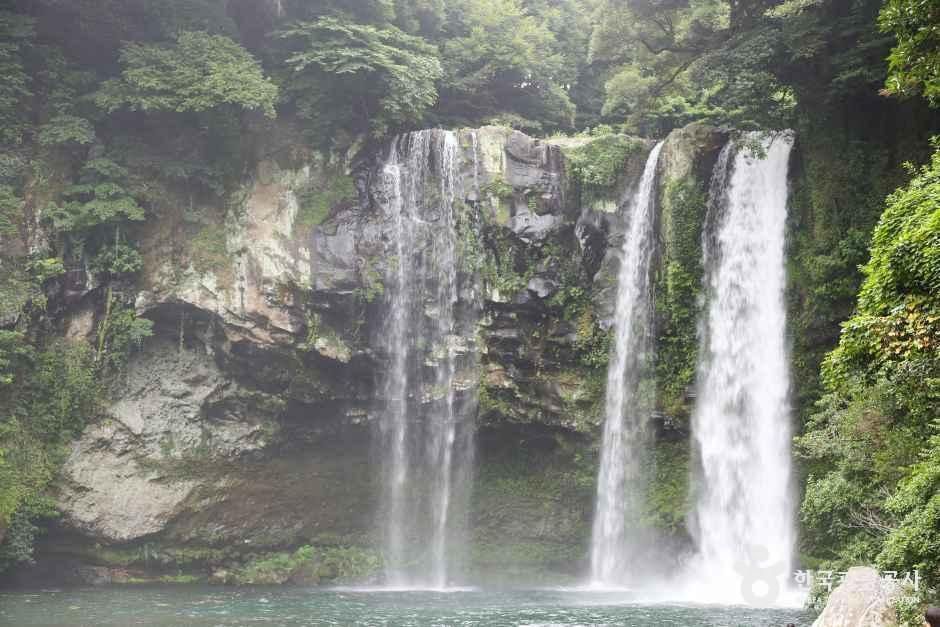
Cheonjiyeon Waterfall representative scenic panoramaZoom


+1More
1 / 6
Cheonjiyeon Waterfall representative scenic panorama
Curator's Guide & Overview
Comprehensive Guide1. Historical Origins & Cultural Background
Cheonjiyeon Waterfall, gracefully tucked into the deep volcanic canyon of Yeonoecheon stream in Seogwipo City, is South Korea’s most romantic cascade and a celebrated UNESCO Global Geopark geosite. Its poetic name literally translates to 'the pond where heaven (Cheon) and earth (Ji) meet' (Yeon), originating from ancient lore that heavenly water nymphs descended on moonlit nights to bathe in its pristine depths. Plunging 22 meters (72 feet) down a sheer columnar basalt precipice into a luminous emerald lagoon with a water depth of 20 meters, the cascade is revered for its majestic volume, soothing roar, and primeval botanical setting sheltered from ocean gales.
2. Architectural Highlights & Key Structures
The canyon enclosing Cheonjiyeon is an internationally recognized botanical and zoological sanctuary protected under multiple Natural Monument designations. Natural Monument No. 163 protects the 'Warm-Temperate Forest of Cheonjiyeon', an ancient subtropical jungle sheltering rare flora such as Dampier’s dock (Elaeocarpus sylvestris var. ellipticus, Natural Monument No. 379), ancient hackberries, camellias, and the world's northernmost wild Psilotum nudum (skeleton whisk ferns). Furthermore, the deep 20-meter lagoon is designated Natural Monument No. 27 as the protected northernmost habitat of the Giant Mottled Eel (Anguilla marmorata / Mutaejangeo)—a nocturnal tropical freshwater predator that grows up to 2 meters long and hunts in the shadowy depths beneath the waterfall.
3. Four Seasons Landscape & Seasonal Visiting Charms
Cheonjiyeon Waterfall is a magnificent year-round attraction, celebrated particularly as Seogwipo's supreme evening spectacle. Summer (June to August) is the lively peak, when refreshing mist from the roaring falls lowers the valley temperature by several degrees, providing an invigorating escape from subtropical heat. Autumn (September to November) surrounds the emerald pond in golden foliage and fragrant blooming silver grass, with crystal-clear skies enhancing the turquoise reflections. Winter (December to February) remains remarkably mild and frost-free thanks to Seogwipo's southern microclimate, keeping the subtropical camellias and broadleaf laurel trees glossy and green. Evening visits between 19:00 and 22:00 are enchanting: artistic lanterns and soft LED spotlights illuminate the rushing white water, ancient stone arch bridge, and dark basalt cliffs against the starry night sky.
4. Operating Hours & Peak Viewing Times
The park is open daily year-round from 09:00 to 22:00 (last ticketing and entry strictly at 21:20). The walk from the ticket gate along the bubbling stream to the waterfall basin spans roughly 1 kilometer round-trip over a completely flat, wide promenade, taking approximately 30 to 45 minutes at a relaxed pace. Visiting in the late afternoon allows you to experience the natural beauty in daylight, watch the sunset over nearby Saeyeongyo Bridge, and return for the magical night illumination.
5. Admission Fees & Concessions (Youth/Foreigner Discounts)
Admission is 2,000 KRW for adults, 1,000 KRW for youth and active military, and 1,000 KRW for children aged 7 to 12 (free for children under 6 and seniors aged 65+). Sprawling paved municipal parking at the entrance plaza along Seohong-dong is completely free of charge.
6. Public Transit & Subway Exit Directions
From Jeju International Airport, take Airport Limousine Bus 600 directly to Seogwipo Harbor / New Kyungnam Hotel stop (approx. 75 minutes), followed by a 10-minute walk down the hill. Alternatively, Express Bus 182 connects Jeju Airport to Seogwipo Jungang Rotary in about 70 minutes; from the rotary, transfer to City Bus 611 or 612 and ride 5 minutes to the Cheonjiyeon Waterfall terminus. Taxis from downtown Seogwipo take just 5 minutes (approx. 4,500 KRW).
7. Barrier-Free Accessibility & Visitor Amenities
Cheonjiyeon Waterfall is universally celebrated as one of the most accessible barrier-free natural attractions in South Korea. The entire 500-meter promenade connecting the ticket plaza to the waterfall viewing deck is wide, flat, and paved with smooth interlocking pavers and packed volcanic stone, featuring zero steps and gentle slopes under 3 degrees. Manual wheelchairs, motorized scooters, and strollers glide effortlessly alongside the babbling stream all the way to the water's edge. Free wheelchairs and strollers are loaned at the entrance ticket booth. Dedicated accessible restrooms with automated doors and grab bars are located at the ticket plaza.
8. Recommended Walking Route & Highlights Tour
Recommended 1-Hour Stream Promenade & Evening Waterfall Circuit: Arrive at Cheonjiyeon Plaza in the late afternoon and photograph the historic Dolhareubang statues and traditional thatched pavilion → Cross the scenic stone footbridge spanning Yeonoecheon stream, watching schools of native carp and sweetfish swimming in the crystalline current → Stroll along the wide, tree-shaded promenade flanked by ancient subtropical laurel trees and mossy basalt boulders → Marvel at the educational plaques detailing the habitat of the elusive Giant Mottled Eel → Reach the wide stone viewing terrace to behold Cheonjiyeon Waterfall plunging 22 meters into the 20-meter-deep emerald abyss → Take photos as twilight settles and the nocturnal spotlights ignite, transforming the rushing white water into a glowing ribbon of light → Toss a lucky coin into the three traditional wishing stone urns in the stream → Walk back along the illuminated stream path and cross the street to explore the illuminated Saeyeongyo Bridge and Saeseom Island.
9. Local Food Specialties & Regional Flavors
Seogwipo's dining scene around Cheonjiyeon Waterfall is steeped in fresh southern coastal abundance. Walk 10 minutes up to the famous Seogwipo Olle Market (Maeil Olle Sijang) to feast on Galchi Hoe (silvery raw hairtail fish sashimi), Kkweong-memil-guksu (buckwheat noodles in savory pheasant broth), and Modakchigi (a beloved market platter of tteokbokki, gimbap, and fried dumplings drenched in sweet chili sauce). Savor freshly grilled Seogwipo Heuk-dwaeji (native black pork belly) and sample freshly fried sweet Hallabong citrus bread and garlic fried chicken.
10. Dietary Options (Vegetarian, Halal & Allergen Guide)
Vegetarians can feast happily in downtown Seogwipo: savor mountain vegetable bibimbap, crispy potato pancakes, soft tofu stews, and acorn jelly salads at traditional eateries near the market. Street food treats include sweet red-bean Omegi-tteok (Jeju traditional millet rice cakes rolled in whole red beans), Hallabong sorbet, and roasted chestnuts. Halal and pescatarian travelers can savor fresh raw hairtail and mackerel sashimi, grilled tilefish (Okdom-gui), abalone porridge, and spicy seafood earthen hot pots (Haemul Ttukbaegi) with zero pork broths.
11. Signature Photo Spots & Golden Hour Lighting
Signature photographic perspectives: a straight-on composition from the wooden viewing deck capturing the roaring 22-meter white cascade plunging into the glowing emerald lagoon with mossy columnar basalt framing both sides; a long-exposure night photograph (using a tripod or resting surface) capturing the silky smooth motion of illuminated water against the pitch-black canyon; atmospheric shots along the stream promenade as glowing lantern light filters through the dense subtropical tree canopy; and daytime portraits crossing the picturesque stepping stones across the river.
12. Visitor Etiquette & Cultural Property Regulations
Conservation rules: Cheonjiyeon is a protected Natural Monument and ecological reserve. Swimming, wading, or washing feet in the stream or waterfall pool is strictly prohibited and heavily fined. Do not throw garbage, stones, or coins outside of designated wishing urns. The Giant Mottled Eel is a legally protected endangered species; any poaching or fishing is a severe criminal offense. Pets are not permitted inside the ticketed scenic area. Smoking is strictly forbidden throughout the canyon.
13. Safety Precautions & 1330 Tourism Hotline Support
Wear comfortable walking shoes. Even in summer, the dense river canyon can feel slightly cool in the evening, so a light sweater or windbreaker is helpful during night visits. Flash photography is permitted, but tripods should not block pedestrian paths on the viewing deck. For facility inquiries and weather operating notices, contact the Seogwipo Tourism Management Office at 064-733-1528 or dial 1330.
14. Nearby Connected Attractions & Walking Links
Nearby attractions: walk 5 minutes south to cross the iconic Saeyeongyo Bridge (modeled after a traditional Jeju wooden raft sail) and explore the Saeseom Island nature loop; visit historic Jeongbang Waterfall (plunging directly into the ocean); explore the Lee Jung-seop Cultural Street and Art Museum; or shop at the lively Seogwipo Maeil Olle Market.
15. Frequently Asked Questions (FAQ)
Q: What is the Giant Mottled Eel living in Cheonjiyeon? A: The Giant Mottled Eel (Anguilla marmorata / Mutaejangeo) is a colossal tropical freshwater eel that can reach up to 2 meters in length and over 20 kg in weight; Cheonjiyeon marks the absolute northernmost geographic limit of its global distribution, and because of its extreme ecological rarity in Korea, both the eel and its deep waterfall pool habitat are protected as Natural Monument No. 27. Q: Why is Cheonjiyeon so popular at night? A: Unlike most waterfalls in Korea which close at dusk for safety, Cheonjiyeon operates a completely flat, wide, step-free paved promenade illuminated by warm artistic pathway lighting until 22:00, allowing visitors to experience the waterfall lit by brilliant night spotlights against the starlit canyon.
16. Regional Extended Day Trip Itinerary
Seogwipo Twilight Waterfalls & Olle Market Evening Tour: Late afternoon arrival in Seogwipo → Visit dramatic Jeongbang Waterfall on the coast → Stroll through the Lee Jung-seop Cultural Street and art galleries → Dinner at Seogwipo Maeil Olle Market tasting Galchi sashimi and black pork skewers → Walk down to Cheonjiyeon Waterfall after dusk to witness the illuminated 22-meter cascade and subtropical laurel forest → Walk across the glowing Saeyeongyo Bridge overlooking Seogwipo Harbor → Return to hotel.
Essential Visitor Facts
Operating Hours
Open daily year-round 09:00 - 22:00 (last ticketing and entry at 21:20); Night illumination operates from sunset until 22:00.
Admission / Price
Admission: Adults 2,000 KRW, Youth/Active Military 1,000 KRW, Children 1,000 KRW (free for children under 6 and seniors aged 65+); Large municipal parking is completely free.
Closed Days
Open 365 Days
Best Time to Visit
Morning (around 09:30-10:00)
Transit & Access Directions
From Jeju International Airport, take Airport Limousine Bus 600 or Express Bus 182 to Seogwipo Old Terminal (approx. 70-80 minutes), then take City Bus 611 or 612 directly to Cheonjiyeon Waterfall stop (approx. 5 minutes).
Accessibility & Special Amenities
Wheelchair ramps, tactile paving, accessible restrooms
Location Coordinates
Latitude: 33.2465
Longitude: 126.5545
Discover Themes & Highlights
Key interest areas and cultural highlights:
#cheonjiyeon-waterfall#VisitJeju#KoreaTravelAtlas
Community Traveler Reviews0 Reviews
Visitor tips, feedback, and questions submitted by real travelers.
No community reviews submitted yet. Be the first traveler to share your experience!
Connected Cultural Destinations
Handpicked nearby attractions and regional cultural highlights.

Seoraksan National Park (Sinheungsa)
설악산국립공원 (신흥사)1055 Seoraksan-ro, Sokcho-si, Gangwon-do
Seoraksan National Park, sprawling across Sokcho, Inje, and Yangyang in Gangwon-do, is a UNESCO Biosphere Reserve celebrated for its jagged granite spires, pristine mountain cascades, and rich biod...
Morning (around 09:30-10:00)
Details→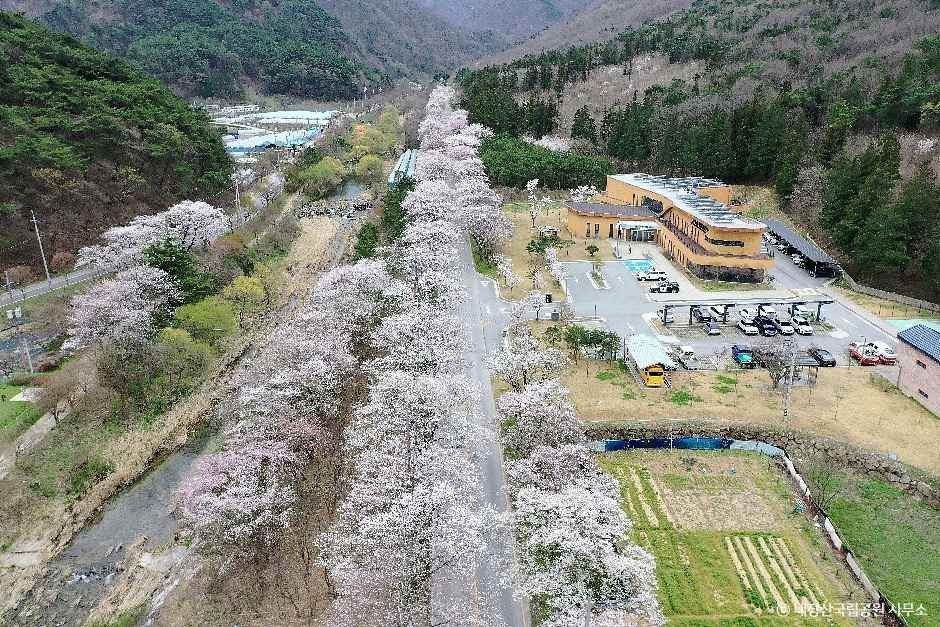
Naejangsan National Park (Autumn Foliage)
내장산국립공원Naejangsan National Park (Autumn Foliage), Jeongeup, Jeonbuk, South Korea
Naejangsan National Park is South Korea’s undisputed autumn foliage wonderland, renowned for its vivid crimson baby-leaf maples, the fairy-tale Uhwajeong water pavilion, soaring ridge cable car, an...
Morning (around 09:30-10:00)
Details→
Daepo Jusangjeolli Hexagonal Lava Cliffs
대포 주상절리대Daepo Jusangjeolli Hexagonal Lava Cliffs, Seogwipo, Jeju, South Korea
Daepo Jusangjeolli is a UNESCO Global Geopark marvel and Natural Monument No. 443, featuring colossal hexagonal and polygonal columnar basalt sea cliffs towering 20 to 30 meters above the roaring s...
Morning (around 09:30-10:00)
Details→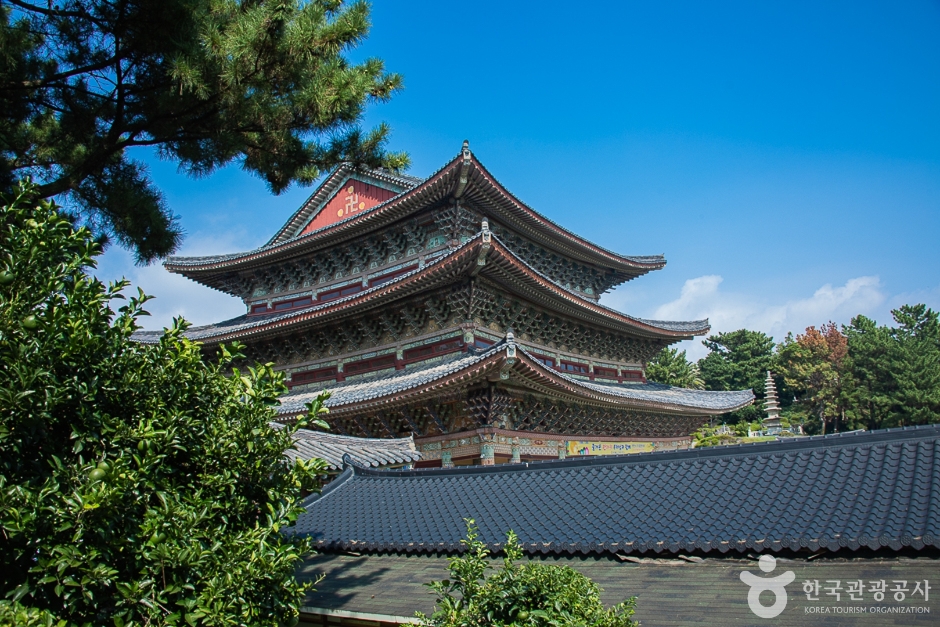
Yakcheonsa Ocean Temple
약천사Yakcheonsa Ocean Temple, Seogwipo, Jeju, South Korea
Yakcheonsa Ocean Temple in Seogwipo is an awe-inspiring architectural wonder, home to the single largest Buddhist temple hall in East Asia (Jeokgwangjeon, rising 30 meters high), enshrining three c...
Morning (around 09:30-10:00)
Details→