Jeju•Seogwipo•Nature•Mountain & Trail
Seopjikoji Coastal Bluff & Canola Fields
섭지코지
Powered by Korea Tourism OrganizationAddress: Seopjikoji Coastal Bluff & Canola Fields, Seogwipo, Jeju, South Korea (제주특별자치도 서귀포시 성산읍 섭지코지로 107 (섭지코지))
Editorial review pending

Seopjikoji Coastal Bluff & Canola Fields representative scenic panoramaZoom


+1More
1 / 6
Seopjikoji Coastal Bluff & Canola Fields representative scenic panorama
Curator's Guide & Overview
Comprehensive Guide1. Historical Origins & Cultural Background
Seopjikoji, jutting dramatically into the turquoise East China Sea from the coastal village of Sinyang-ri in Seongsan-eup, is one of Jeju Island’s most iconic and breathtaking volcanic promontories. In the indigenous Jeju dialect, 'Seopji' refers to a narrow, talented spit of land, while 'Koji' signifies a coastal cape or headland. Formed by multiple submarine and subaerial hydrovolcanic eruptions, this 2-kilometer-long peninsula of jet-black volcanic basalt and crimson volcanic scoria (song-i) commands an uninterrupted, world-famous panoramic vista across the bay to the majestic UNESCO World Heritage fortress of Seongsan Ilchulbong.
2. Architectural Highlights & Key Structures
The geological landscape of Seopjikoji is an open-air museum of volcanic volcanology. Rising prominently above the ocean bluffs is 'Bingeodeok' (or Bulgeun Oreum), a volcanic cinder cone composed of fiery-red oxidized basalt scoria slag, crowned at its summit by the gleaming white Bangdupo Lighthouse. Standing tall just offshore is 'Seondolbawi' (Standing Rock, also called Candlestick Rock)—a dramatic 30-meter-high vertical volcanic neck (lava plug) formed when magma solidified inside an ancient volcanic vent and resisted millennia of marine erosion. Beyond its raw geology, Seopjikoji is internationally celebrated for world-class contemporary architecture: Pritzker Prize laureate Tadao Ando designed two masterpieces here—the Glass House (a futuristic V-shaped glass pavilion that frames Seongsan Ilchulbong like a living painting) and the Yumin Art Nouveau Collection (an underground subterranean art museum harmonizing concrete, water, and French glass art).
3. Four Seasons Landscape & Seasonal Visiting Charms
Seopjikoji is an awe-inspiring natural canvas throughout all four seasons. Spring (March to April) is legendary: the vast green rolling coastal bluffs transform into an endless, waving sea of brilliant yellow canola (rapeseed) blossoms, creating a breathtaking color symphony of bright yellow flowers, black basalt rock fences, turquoise ocean waves, and the monumental silhouette of Seongsan Ilchulbong on the horizon. Summer (June to August) brings refreshing ocean winds and crashing white sea swells against the dramatic red scoria cliffs. Autumn (September to November) cloaks the promontory in shimmering silver pampas grass (eoksae) that glows golden in the sunset breeze. Winter offers crisp sapphire skies and dynamic coastal solitude, with crisp sea breezes and horse pastures framing the romantic cape.
4. Operating Hours & Peak Viewing Times
The coastal walking trails, lighthouse, and scenic lookouts are open 24 hours daily year-round with unrestricted free access. The Yumin Art Nouveau Collection operates Wednesday through Monday from 09:00 to 18:00 (last admission 17:00; closed Tuesdays). The prime times to visit are early morning at sunrise, when the sun rises majestically over the sea next to Seongsan Ilchulbong, and late afternoon from 16:30 to 18:00, when golden sunlight sets the red scoria cliffs and canola fields ablaze. Plan roughly 1.5 to 2 hours to walk the complete coastal trail to the lighthouse, explore the architecture, and take photos.
5. Admission Fees & Concessions (Youth/Foreigner Discounts)
Access to the coastal promenade, Bangdupo Lighthouse, and viewing bluffs is completely FREE of charge. Admission to the Yumin Art Nouveau Collection is 12,000 KRW for adults, 9,000 KRW for youth, and 7,000 KRW for children. Large paved municipal parking at the entrance plaza costs roughly 1,000 to 3,000 KRW per passenger car.
6. Public Transit & Subway Exit Directions
From Jeju International Airport, take East Coast Express Bus 111 or 112 directly to the Goseong Transit stop (Goseong Hwanseung) in approximately 65 minutes. From Goseong, take Local Feeder Bus 722-1 or a quick 5-minute taxi directly to the Seopjikoji parking plaza (approx. 5,000 KRW). If driving a rental car from downtown Jeju City, take Route 97 (Beonyeong-ro) east, connecting via Iljudong-ro; the scenic coastal drive takes roughly 50 minutes.
7. Barrier-Free Accessibility & Visitor Amenities
The scenic promenade at Seopjikoji begins from the parking plaza as a wide, smoothly paved asphalt and wooden boardwalk trail that gently undulates along the ocean bluffs. Strollers and manual wheelchairs can effortlessly navigate the first 700 meters of the coastal path, reaching prime scenic viewpoints of Seondolbawi Rock and the canola fields. However, ascending the final flight of narrow wooden stairs to the top of Bangdupo Lighthouse on Bulgeun Oreum requires climbing about 80 steps, which is inaccessible to wheelchairs. Dedicated accessible restrooms and disabled parking spaces are provided at the entrance plaza.
8. Recommended Walking Route & Highlights Tour
Recommended 1.5-Hour Canola Bluff & Tadao Ando Architecture Walk: Arrive at the Seopjikoji entrance plaza and stroll along the gentle coastal boardwalk flanked by grazing Jeju pony horses → Stop to admire the 30-meter vertical volcanic monolith of Seondolbawi (Standing Rock) rising from the ocean swells → Climb the wooden stairs of Bulgeun Oreum to the white Bangdupo Lighthouse for a commanding 360-degree panoramic vista of the coastline and Seongsan Ilchulbong → Walk through the vibrant yellow canola flower fields that carpet the bluff in spring, framing photos with the deep blue sea → Visit Tadao Ando’s Glass House to gaze through its panoramic ocean window framing Seongsan Ilchulbong → Tour the peaceful subterranean stone courtyard of the Yumin Art Nouveau Collection → Conclude by resting at the outdoor ocean terrace sipping iced hallabong tea before returning to the entrance.
9. Local Food Specialties & Regional Flavors
Seongsan-eup and Sinyang-ri offer exceptional fresh seafood dining. Sample authentic Seongsan Galchi Jorim (spicy braised silver hairtail fish with radish in rich gochujang broth) and grilled whole hairtail fish. Savor Haemul Ttukbaegi (earthenware hot pot packed with live abalone, blue crabs, clams, and prawns), Bomal Kalguksu (sea snail hand-cut noodles), and freshly sliced sea cucumber and conch harvested by local Haenyeo divers. For sweet refreshments, enjoy Hallabong citrus sorbet, sweet peanut bread, and warm Hallabong tea.
10. Dietary Options (Vegetarian, Halal & Allergen Guide)
Vegetarians can find satisfying meals in nearby Seongsan village: enjoy mountain vegetable bibimbap, crispy potato pancakes, acorn jelly salad, and soft tofu stews at traditional eateries. Sweet plant-based treats include fresh Jeju Hallabong mandarins, carrot cakes, and iced citrus ade. Halal and pescatarian travelers can feast on fresh raw fish, abalone porridge, grilled hairtail, and rich seafood earthenware stews with zero meat or pork broths.
11. Signature Photo Spots & Golden Hour Lighting
Signature photographic perspectives: looking across the vibrant yellow canola flower fields with the turquoise sea and the towering volcanic crater of Seongsan Ilchulbong perfectly centered in the background (one of the top 3 most iconic travel photos of Jeju Island); standing at the base of the white Bangdupo Lighthouse on the red scoria cinder cone with waves crashing below; framing the dramatic vertical monolith of Seondolbawi Rock against the ocean horizon; and looking through the architectural stone portal of Tadao Ando’s Glass House.
12. Visitor Etiquette & Cultural Property Regulations
Promontory etiquette: Seopjikoji is an ecologically fragile volcanic headland. Stay strictly on marked boardwalks and stone paths; never trample canola flower fields or step over cliff safety railings (the ocean drop-offs are sheer and dangerous). Do not collect or remove red volcanic scoria rocks or basalt stones. Drones are restricted around resort and private museum zones. Smoking is strictly prohibited throughout the natural park. Pack out all trash.
13. Safety Precautions & 1330 Tourism Hotline Support
Because Seopjikoji is an open coastal cape jutting into the sea, ocean winds can be fierce; wearing a windbreaker or light jacket is recommended even on sunny days. Bring sunglasses and sunscreen to protect against open ocean glare. For visiting hours and museum inquiries, contact the Seopjikoji Tourism Office at 064-782-0080 or dial 1330.
14. Nearby Connected Attractions & Walking Links
Nearby attractions: visit the UNESCO World Natural Heritage site Seongsan Ilchulbong (PLACE-JEJU-001) located just 10 minutes north; explore Udo Island by ferry from Seongsan Port (PLACE-JEJU-007); relax on the volcanic sandbar of Gwangchigi Beach; or visit the indoor multi-media art exhibition at Bunker de Lumières.
15. Frequently Asked Questions (FAQ)
Q: What is the red rock that forms Bulgeun Oreum? A: The hill is composed of volcanic scoria (called 'Song-i' in Jeju), which consists of porous, vesicular volcanic slag rich in iron; when molten basaltic magma was ejected into the air during ancient explosive eruptions, the iron minerals oxidized rapidly in the atmosphere, turning the rocks a striking rust-red color. Q: Why was Tadao Ando chosen to design buildings here? A: World-renowned Japanese architect Tadao Ando was commissioned to create structures that seamlessly blend into the dramatic natural landscape without overwhelming it; his Glass House and Yumin Art Nouveau Collection utilize his signature exposed concrete, geometric minimalist forms, and strategic light portals to frame the natural elements—wind, stone, sky, and sea—transforming the landscape into living art.
16. Regional Extended Day Trip Itinerary
Seopjikoji & Eastern Jeju Coastal Day Tour: Morning bus or drive from Jeju City to Seongsan-eup → Arrive at Seopjikoji to walk the coastal bluffs, red scoria cone, and white lighthouse → Photograph the spring canola fields framing Seongsan Ilchulbong → Tour Tadao Ando’s Glass House and Yumin Art Nouveau Collection → Lunch in Seongsan savoring spicy braised hairtail fish (Galchi Jorim) and abalone hot pot → Afternoon climb to the top of Seongsan Ilchulbong crater → Walk along the black sands of Gwangchigi Beach at low tide → Return to Jeju City.
Essential Visitor Facts
Operating Hours
Open 24/7 year-round (free pedestrian access); Optimal viewing hours: sunrise to sunset; Yumin Art Nouveau Collection open 09:00 - 18:00 (closed Tuesdays).
Admission / Price
FREE ADMISSION to Seopjikoji coastal bluffs, walking trails, and lighthouse; Yumin Art Nouveau Collection: approx. 12,000 KRW; Municipal parking fee: approx. 1,000 to 3,000 KRW.
Closed Days
Open 365 Days
Best Time to Visit
Morning (around 09:30-10:00)
Transit & Access Directions
From Jeju Airport or Jeju Intercity Bus Terminal, take Express Bus 111 or 112 to Goseong Transit stop (approx. 65 minutes), then transfer to Feeder Bus 722-1 or take a 5-minute taxi to Seopjikoji parking lot (approx. 5,000 KRW).
Accessibility & Special Amenities
Wheelchair ramps, tactile paving, accessible restrooms
Location Coordinates
Latitude: 33.4242
Longitude: 126.9295
Discover Themes & Highlights
Key interest areas and cultural highlights:
#seopjikoji-coastal-bluff#VisitJeju#KoreaTravelAtlas
Community Traveler Reviews0 Reviews
Visitor tips, feedback, and questions submitted by real travelers.
No community reviews submitted yet. Be the first traveler to share your experience!
Connected Cultural Destinations
Handpicked nearby attractions and regional cultural highlights.
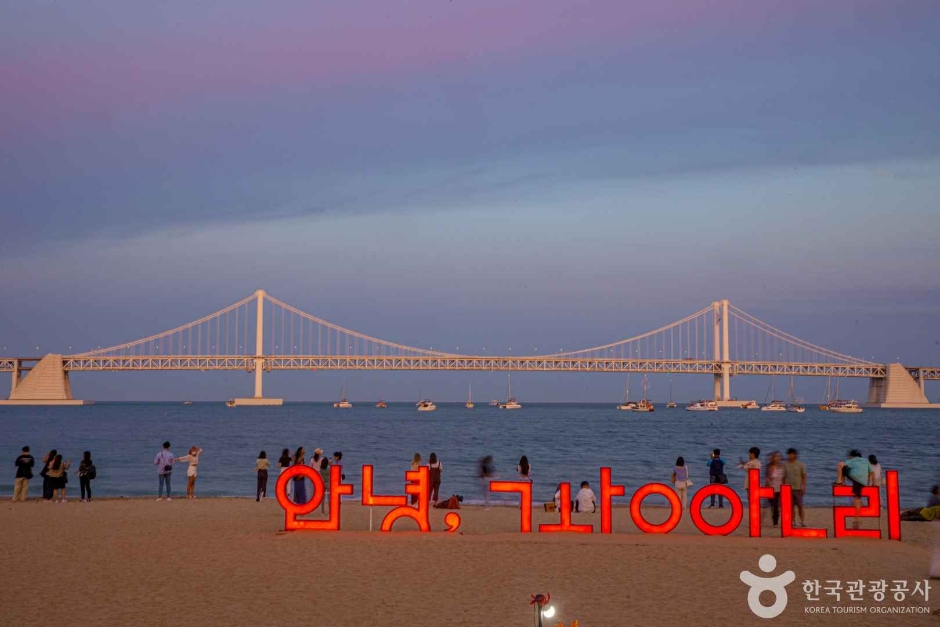
Gwangalli Beach & Gwangan Bridge
광안리해수욕장219 Gwanganhaebyeon-ro, Suyeong-gu, Busan
Gwangalli Beach, curving gracefully in Suyeong-gu, Busan, is renowned for its sweeping vistas of the monumental 7.42-kilometer Gwangan Grand Bridge (Diamond Bridge) spanning the ocean horizon. Frin...
HalalMorning (around 09:30-10:00)
Details→
Seongsan Ilchulbong Peak (UNESCO)
성산일출봉Seongsan Ilchulbong Peak (UNESCO), Jeju, South Korea
Seongsan Ilchulbong Peak is an iconic UNESCO World Natural Heritage volcanic tuff cone rising 182 meters directly from the eastern sea of Jeju Island. Formed through explosive hydrovolcanic eruptio...
Morning (around 09:30-10:00)
Details→
Udo Island (Seobinbaeksa Coral Beach)
우도 (서빈백사)Udo Island (Seobinbaeksa Coral Beach), Jeju, South Korea
Udo Island is Jeju’s breathtaking ‘Cow Island’ maritime paradise, internationally renowned for Seobinbaeksa (Natural Monument No. 438)—Asia’s only white rhodolith beach formed from calcified red al...
Morning (around 09:30-10:00)
Details→
Hamdeok Beach & Seoubong Peak
함덕해수욕장 및 서우봉Hamdeok Beach & Seoubong Peak, Jeju, South Korea
Hamdeok Beach & Seoubong Peak is Jeju’s world-famous ‘Maldives of Korea’ in Jocheon, boasting crystalline emerald-turquoise shallow lagoons, powdered white shell sand, arched volcanic footbridges, ...
Morning (around 09:30-10:00)
Details→