Jeju•Nature•Beach & Coast
Hyeopjae & Geumneung Beach
협재 및 금능해수욕장
Powered by Korea Tourism OrganizationAddress: Hyeopjae & Geumneung Beach, Jeju, South Korea (제주특별자치도 제주시 한림읍 한림로 329 (협재해수욕장))
Editorial review pending
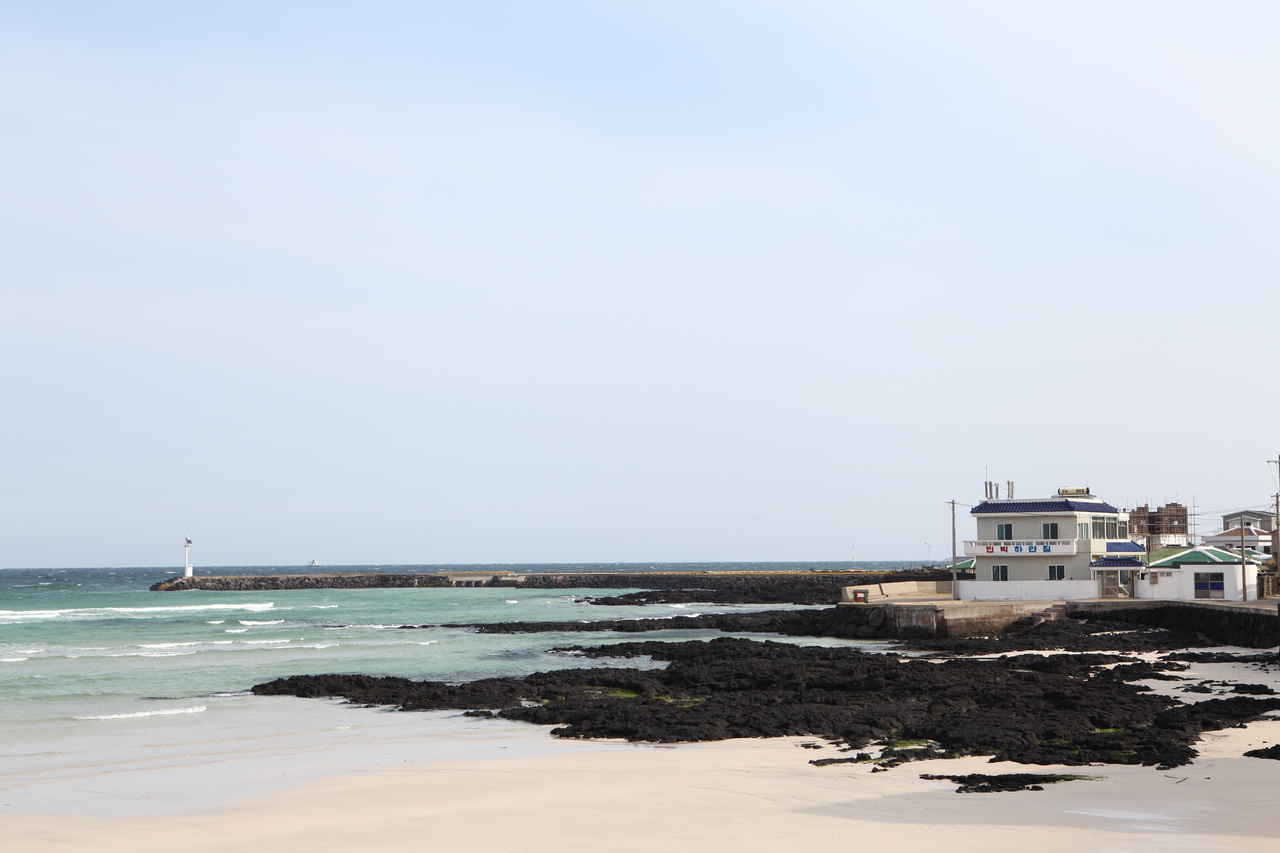
Hyeopjae & Geumneung Beach representative scenic panoramaZoom



+1More
1 / 6
Hyeopjae & Geumneung Beach representative scenic panorama
Curator's Guide & Overview
Comprehensive Guide1. Historical Origins & Cultural Background
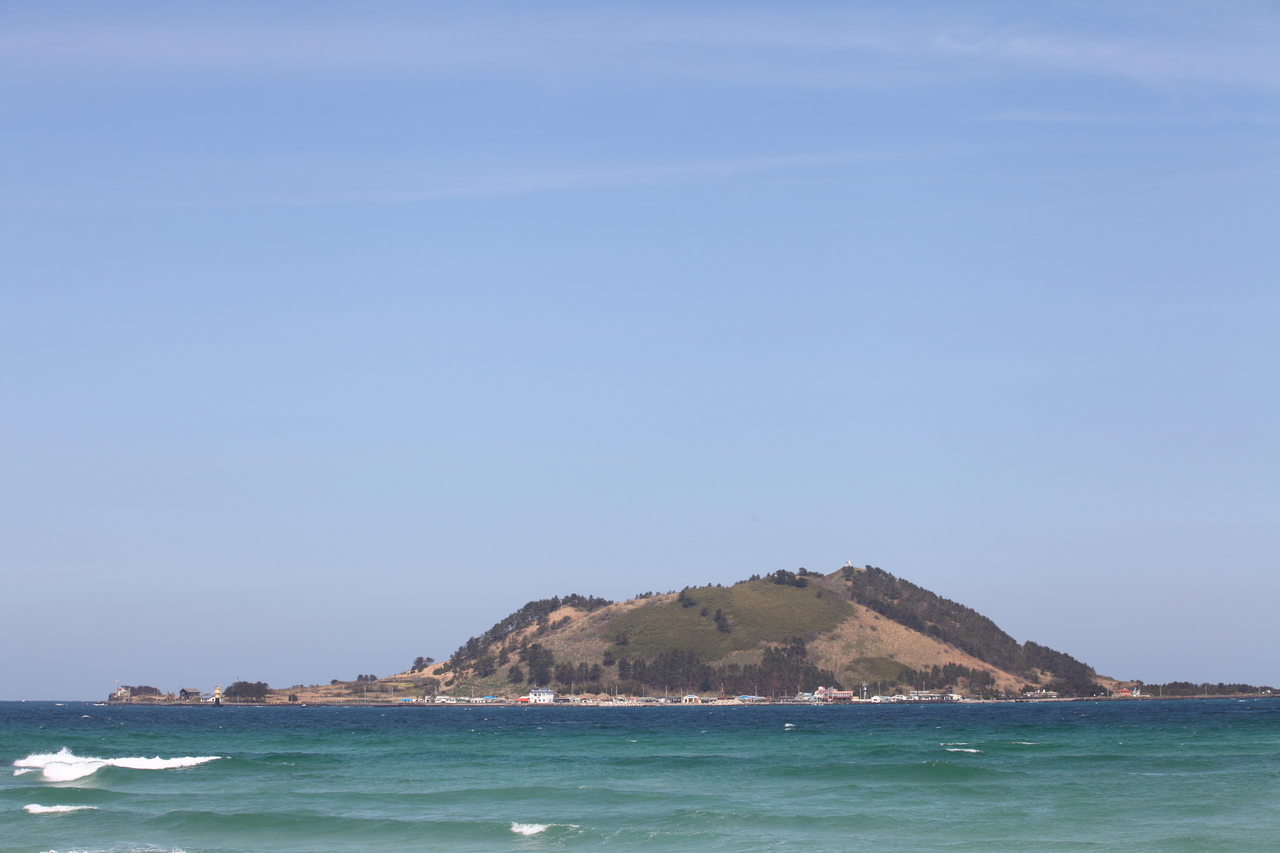
Hyeopjae Beach and its neighboring twin, Geumneung Beach, situated along the tranquil northwestern coastline of Hallim-eup, together form South Korea’s most celebrated coastal sanctuary. Renowned for waters so pure, clear, and vivid they rival tropical coral atolls of the South Pacific, these twin beaches are defined by their shimmering white sands, formed over millennia by countless crushed seashells, coral fragments, and quartz blended with pulverized volcanic basalt. Directly across the turquoise bay, just 1.5 kilometers offshore, floats the iconic green volcanic silhouette of Biyangdo Island—a young parasitic cone (oreum) that erupted from the sea floor around 1002 AD, creating an unforgettable postcard composition that defines western Jeju.
2. Architectural Highlights & Key Structures
The unique topography of Hyeopjae and Geumneung offers one of the gentlest marine environments in Northeast Asia. The underwater slope is remarkably shallow and gradual: even wading 100 meters out into the shimmering blue sea, the warm water rarely reaches above an adult’s waist. At low tide (Gandjo), a vast, pristine sandbar and tidal plateau emerges from the water, creating natural shallow lagoons and sandbanks connecting Hyeopjae seamlessly with Geumneung to the south. Children and families can safely paddle across warm ankle-deep tidal pools, observing tiny hermit crabs, sea snails, and silvery sandfish darting across the ripple-patterned ocean floor, while lush evergreen pine groves (songnim) fringe the landward boundary, providing natural shade and serene seaside camping grounds.
3. Four Seasons Landscape & Seasonal Visiting Charms
The twin beaches offer distinct seasonal charms throughout the year. Summer (July to August) is the lively high season: sunbathers lounge beneath colorful umbrellas, paddleboarders glide over glass-clear lagoons, and swimmers bask in warm turquoise waters until twilight. Spring (March to May) features crisp sea breezes, brilliant yellow rape flowers blooming against black basalt fences, and peaceful walks along the water's edge. Autumn (September to November) brings crystal-clear azure skies and western Jeju’s most sensational sunsets, as the fiery crimson sun sinks directly behind the silhouette of Biyangdo Island, setting the waves aflame in shades of gold and magenta. Winter offers meditative solitude, as dramatic turquoise waves crash against the black basalt sea rocks beneath crisp coastal winds.
4. Operating Hours & Peak Viewing Times
The beaches and coastal promenades are open 24 hours daily year-round with completely free access. During the official summer bathing season (early July through late August), certified lifeguards are stationed daily from 09:00 to 18:00, with night swimming permitted until 21:00 during the peak late-July to early-August heatwave. The optimal visiting time for photography and wading is during low tide (check the daily Jeju tide table / mul-ttaee), as well as late afternoon from 17:30 to 19:30 to witness the legendary Biyangdo sunset. Plan roughly 2 to 3 hours to stroll between Hyeopjae and Geumneung, wade in the lagoons, and relax at a seaside cafe.
5. Admission Fees & Concessions (Youth/Foreigner Discounts)
Admission to Hyeopjae and Geumneung beaches is completely FREE of charge. Municipal shower stalls operate during summer for roughly 2,000 to 3,000 KRW (warm water available). Rental fees for shade parasols and sunbeds during summer typically range between 20,000 and 30,000 KRW per day. Sprawling paved public parking lots at both Hyeopjae and Geumneung are completely free.
6. Public Transit & Subway Exit Directions
From Jeju International Airport, take West Coast Express Bus 102 directly to the Hallim Transit stop (Hanrim Hwanseung) in approximately 40 minutes. From there, transfer to Local Bus 202 and ride two stops to the Hyeopjae Beach stop (approx. 5 minutes). Alternatively, Local Bus 202 connects Jeju Intercity Bus Terminal to Hyeopjae in roughly 1 hour 15 minutes. A taxi from Jeju Airport to Hyeopjae takes about 45 minutes and costs approximately 30,000 to 35,000 KRW. Driving rental cars along coastal Route 1132 provides scenic ocean views.
7. Barrier-Free Accessibility & Visitor Amenities
Hyeopjae and Geumneung are exceptionally well-equipped for visitors with limited mobility. A wide, smoothly paved wooden boardwalk (Olle Trail Route 14) connects Hyeopjae and Geumneung along the pine forest edge, completely flat and free of steps, making it effortless for manual wheelchairs and strollers to glide between the two beaches. Geumneung Beach features a paved concrete ramp extending directly toward the sandbar, allowing wheelchair users to reach the water's edge at low tide. Accessible public restrooms and designated disabled parking spaces are provided at both beach plazas.
8. Recommended Walking Route & Highlights Tour
Recommended 2-Hour Twin Beach & Biyangdo Sunset Circuit: Arrive at Hyeopjae Beach plaza and walk past the traditional basalt stone Dolhareubang statues → Step onto the powdery white sand and gaze out at Biyangdo Island across the turquoise lagoon → Kick off your sandals to wade into the crystal-clear shallow waters, exploring the emerging sandbars and tidal pools → Stroll southward along the shaded pine forest boardwalk toward Geumneung Beach → Marvel at the traditional stone fish traps (wondam) constructed from black volcanic rocks → Relax at a seaside rooftop cafe in Geumneung sipping cold hallabong ade while watching the tide wash over the sand flats → Return to Hyeopjae Beach as dusk approaches to photograph the spectacular fiery sunset melting behind Biyangdo Island → Walk into Hallim town to feast on authentic fresh mackerel sashimi and black pork for dinner.
9. Local Food Specialties & Regional Flavors
Hallim and western Jeju are world-famous for fresh marine delicacies. The absolute culinary pride of Hallim Harbor is Godeung-eo Hoe (raw mackerel sashimi)—because mackerel spoil quickly, tasting them alive, sliced paper-thin with savory soy-vinegar chive dipping sauce and seaweed rice, is a rare delicacy found at Hallim’s coastal restaurants. Savor Bomal Kalguksu (handmade wheat noodles in deep green sea snail broth), Haemul Ttukbaegi (spicy earthenware seafood hot pot packed with abalone, crab, and prawns), and tender grilled Jeju Black Pork. Indulge in sweet Hallabong citrus gelato and freshly fried Hallim squid.
10. Dietary Options (Vegetarian, Halal & Allergen Guide)
Vegetarians can find enjoyable dining along the Hyeopjae beach promenade: sample mountain vegetable bibimbap, crispy potato pancakes, vegetable ramyeon, and warm tofu stews at casual beach cafes. Refreshing plant-based treats include sweet Hallabong juice, mango smoothies, and traditional sweet red-bean shaved ice (bingsu). Halal and pescatarian diners will find culinary heaven in Hallim: live mackerel sashimi, abalone porridge, grilled hairtail fish, and rich sea snail noodle soup are prepared fresh without pork broths or land meats.
11. Signature Photo Spots & Golden Hour Lighting
Signature photographic perspectives: looking past the black volcanic basalt rocks framing the brilliant white crushed-shell sand toward the floating emerald silhouette of Biyangdo Island; capturing a loved one wading in ankle-deep turquoise lagoons where the water reflects the blue sky like a mirror; the dramatic fiery red sunset descending directly behind the twin volcanic craters of Biyangdo Island; and wide-angle drone-style shots of the sandbars at low tide connecting Hyeopjae to Geumneung.
12. Visitor Etiquette & Cultural Property Regulations
Beach visitor etiquette: Hyeopjae and Geumneung are protected coastal ecosystems. Never take white sand or black volcanic rocks from the beach (removal of natural resources is illegal in Jeju). Swim strictly within marked safety buoy zones when lifeguards are on duty. Do not leave plastic cups, fireworks casings, or food trash on the sand; dispose of all waste in designated recycling bins. Camping and open cooking are restricted to designated pine forest campground zones. Smoking is strictly prohibited on the sandy beaches.
13. Safety Precautions & 1330 Tourism Hotline Support
Because white shell sand reflects intense sunlight, wearing UV-protective sunglasses, a sun hat, and reef-safe sunscreen is essential. In summer, water shoes are recommended when exploring black volcanic basalt rocks to avoid sharp barnacles. For real-time wave conditions, summer night opening dates, and water safety updates, contact the Hallim-eup Beach Management Office at 064-728-7672 or dial 1330.
14. Nearby Connected Attractions & Walking Links
Nearby attractions: visit Hallim Park directly across the street (sprawling 100,000-pyeong botanical garden with Hyeopjaegul and Ssangyonggul lava-cave tubes); take a 15-minute passenger ferry from Hallim Harbor to explore Biyangdo Island on foot; or drive 10 minutes south to visit the modern Osulloc Tea Museum (PLACE-JEJU-010).
15. Frequently Asked Questions (FAQ)
Q: What gives the water at Hyeopjae its magical turquoise color? A: The unique color is created by the brilliant white sand floor composed of finely crushed seashells and calcium carbonate rather than dark mud, combined with the extremely shallow water depth (under 1-2 meters for hundreds of meters out); sunlight reflects off the white seafloor and is filtered through the crystal-clear ocean water, scattering short blue and green light wavelengths to produce an intense, luminescent turquoise glow. Q: What is Biyangdo Island visible across the water? A: Biyangdo is one of Jeju's youngest volcanic islands, formed during a recorded submarine volcanic eruption approximately 1,000 years ago (1002 AD) during the Goryeo Dynasty; rising 114 meters with two horseshoe craters and a pristine bamboo forest, it is accessible via a short 15-minute ferry ride from Hallim Harbor.
16. Regional Extended Day Trip Itinerary
Hyeopjae & Geumneung Beach Western Jeju Day Tour: Morning departure from Jeju City via bus or car to Hallim → Arrive at Hyeopjae Beach and marvel at the white shell sands and Biyangdo vista → Walk the pine forest boardwalk to Geumneung Beach, exploring the shallow tidal sandbars and lagoons → Visit Hallim Park to explore subtropical gardens and subterranean lava caves → Lunch in Hallim Harbor tasting fresh raw mackerel sashimi and Bomal Kalguksu → Afternoon seaside coffee at a panoramic rooftop cafe → Twilight return to the beach to witness the unforgettable fiery sunset behind Biyangdo Island → Return to Jeju City.
Essential Visitor Facts
Operating Hours
Open 24/7 year-round (free pedestrian access); Summer swimming season: early July to late August (09:00 - 18:00 with active lifeguards, night swimming until 21:00 at peak season).
Admission / Price
FREE ADMISSION to Hyeopjae and Geumneung beaches, sandbars, and boardwalks; Shower facilities: approx. 2,000 to 3,000 KRW; Public parking is free.
Closed Days
Open 365 Days
Best Time to Visit
Morning (around 09:30-10:00)
Transit & Access Directions
From Jeju International Airport or Jeju Bus Terminal, take West Coast Express Bus 102 to Hanrim Transit stop (approx. 40 minutes), then transfer to Local Bus 202 to Hyeopjae Beach stop (approx. 5 minutes).
Accessibility & Special Amenities
Wheelchair ramps, tactile paving, accessible restrooms
Location Coordinates
Latitude: 33.3938
Longitude: 126.2396
Discover Themes & Highlights
Key interest areas and cultural highlights:
#hyeopjae-geumneung-beach#VisitJeju#KoreaTravelAtlas
Community Traveler Reviews0 Reviews
Visitor tips, feedback, and questions submitted by real travelers.
No community reviews submitted yet. Be the first traveler to share your experience!
Connected Cultural Destinations
Handpicked nearby attractions and regional cultural highlights.
Haeundae Beach
해운대해수욕장Haeundae Beach, Busan, South Korea
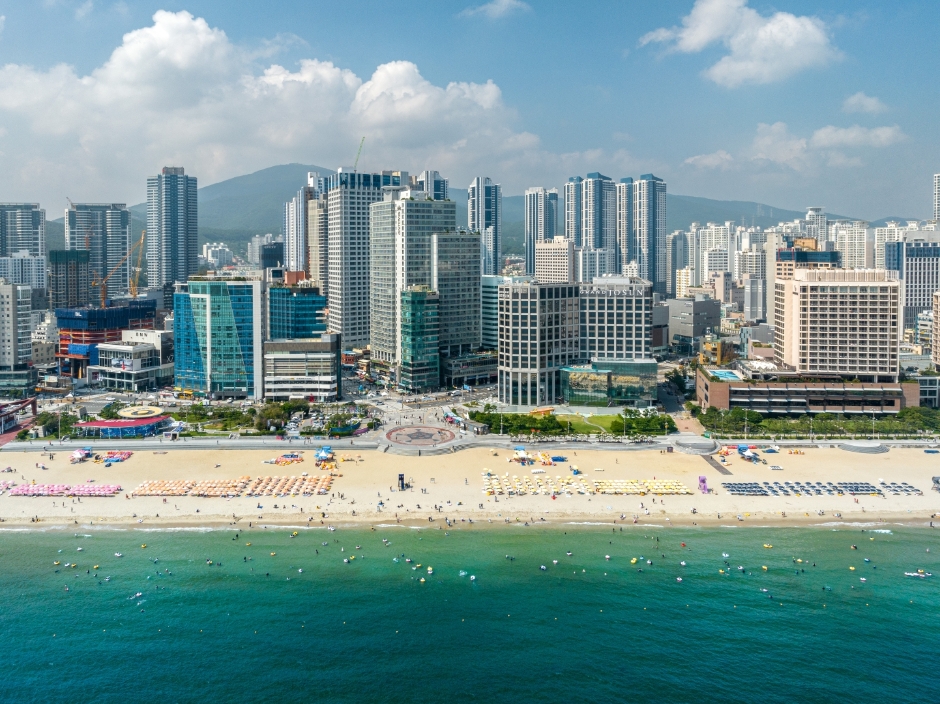
Haeundae Beach is South Korea’s most celebrated coastal seaside destination, stretching for 1.5 kilometers of soft golden sand along Busan’s southeastern shoreline. Backed by modern skyscrapers, se...
HalalMorning (around 09:30-10:00)
Details→
Udo Island (Seobinbaeksa Coral Beach)
우도 (서빈백사)Udo Island (Seobinbaeksa Coral Beach), Jeju, South Korea
Udo Island is Jeju’s breathtaking ‘Cow Island’ maritime paradise, internationally renowned for Seobinbaeksa (Natural Monument No. 438)—Asia’s only white rhodolith beach formed from calcified red al...
Morning (around 09:30-10:00)
Details→
Hamdeok Beach & Seoubong Peak
함덕해수욕장 및 서우봉Hamdeok Beach & Seoubong Peak, Jeju, South Korea
Hamdeok Beach & Seoubong Peak is Jeju’s world-famous ‘Maldives of Korea’ in Jocheon, boasting crystalline emerald-turquoise shallow lagoons, powdered white shell sand, arched volcanic footbridges, ...
Morning (around 09:30-10:00)
Details→
Jungmun Saekdal Beach
중문색달해수욕장Jungmun Saekdal Beach, Seogwipo, Jeju, South Korea
Jungmun Saekdal Beach is South Korea’s premier surfing mecca and dramatic coastal jewel within Jungmun Resort, Seogwipo, boasting rare 4-colored sands (Jinmol), roaring barrel waves framed by volca...
Morning (around 09:30-10:00)
Details→