Jeju•Seogwipo•Nature•Beach & Coast
Jungmun Saekdal Beach
중문색달해수욕장
Powered by Korea Tourism OrganizationAddress: Jungmun Saekdal Beach, Seogwipo, Jeju, South Korea (제주특별자치도 서귀포시 중문관광로72번길 29-51 (중문색달해수욕장))
Editorial review pending

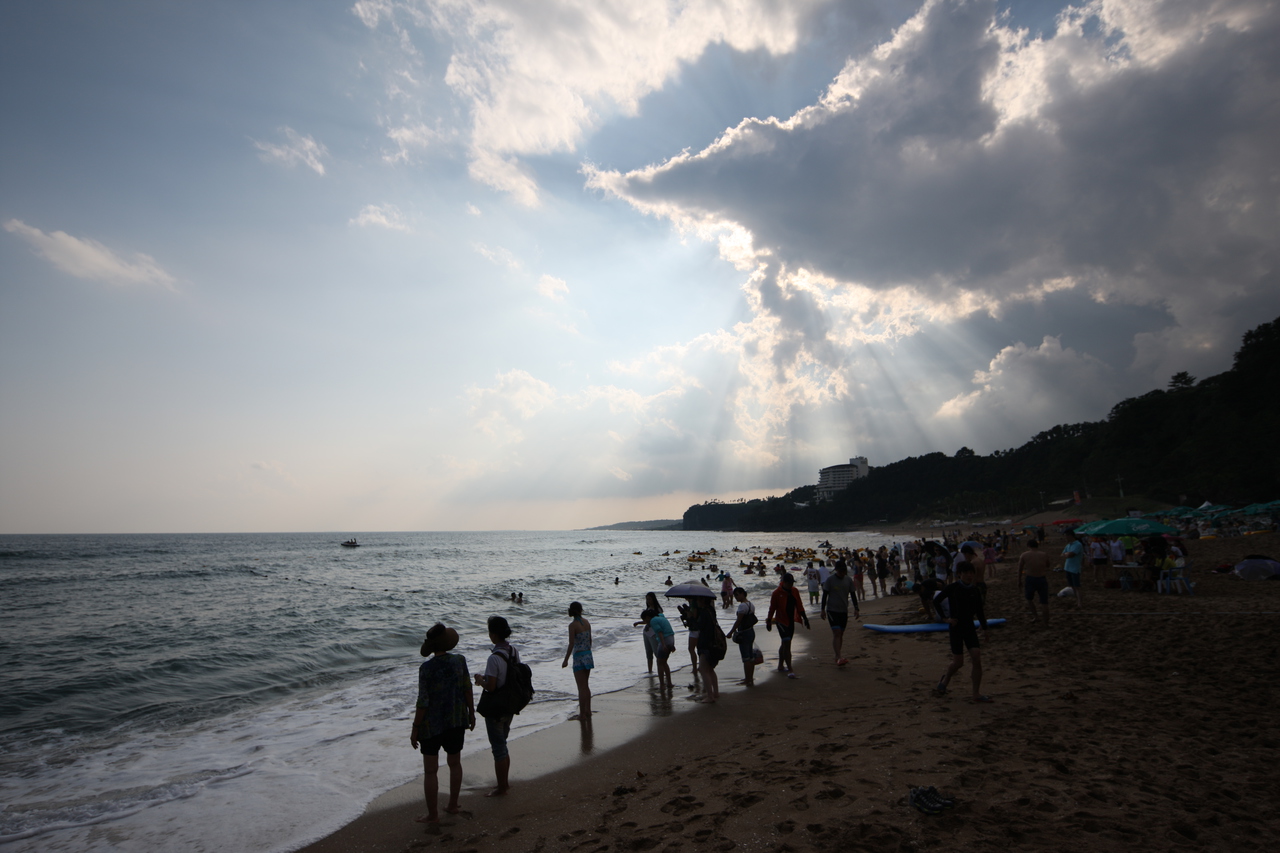
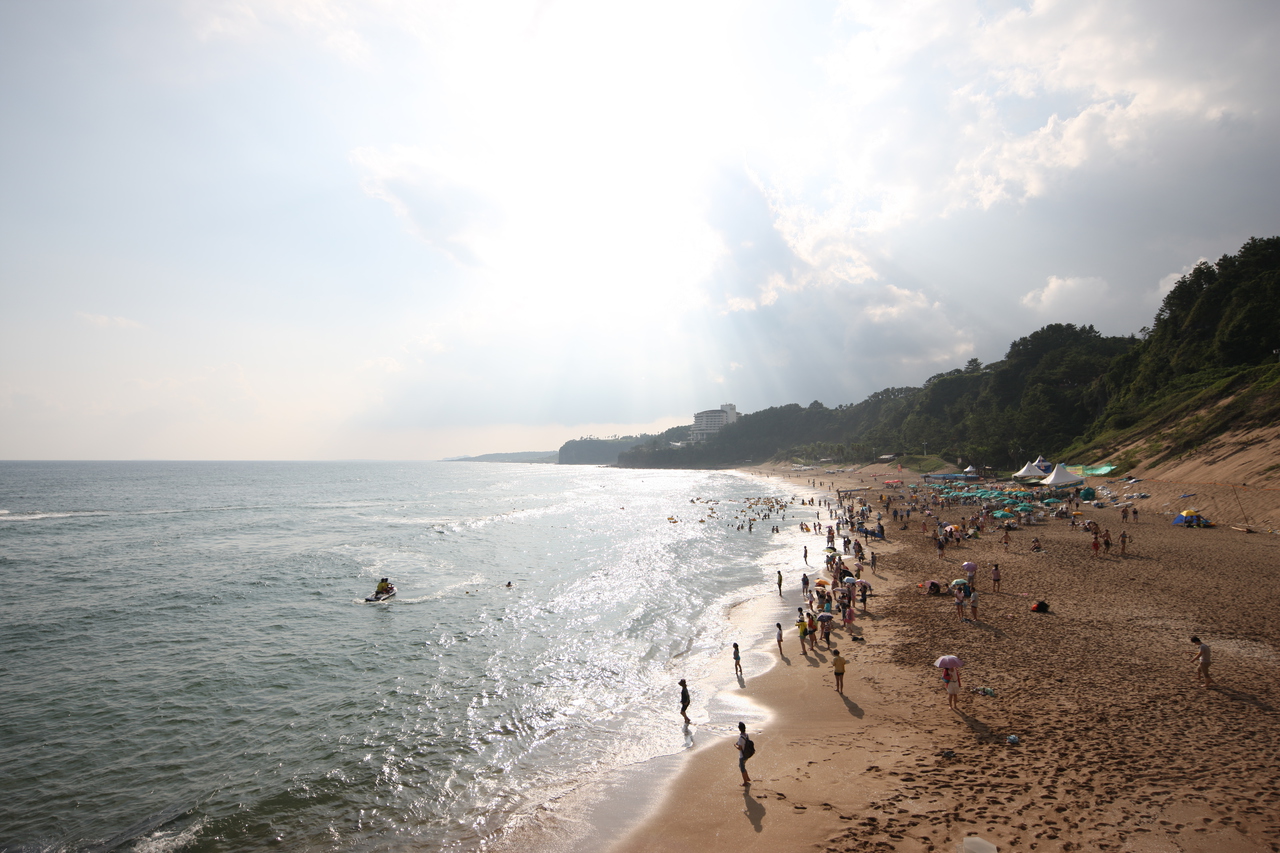
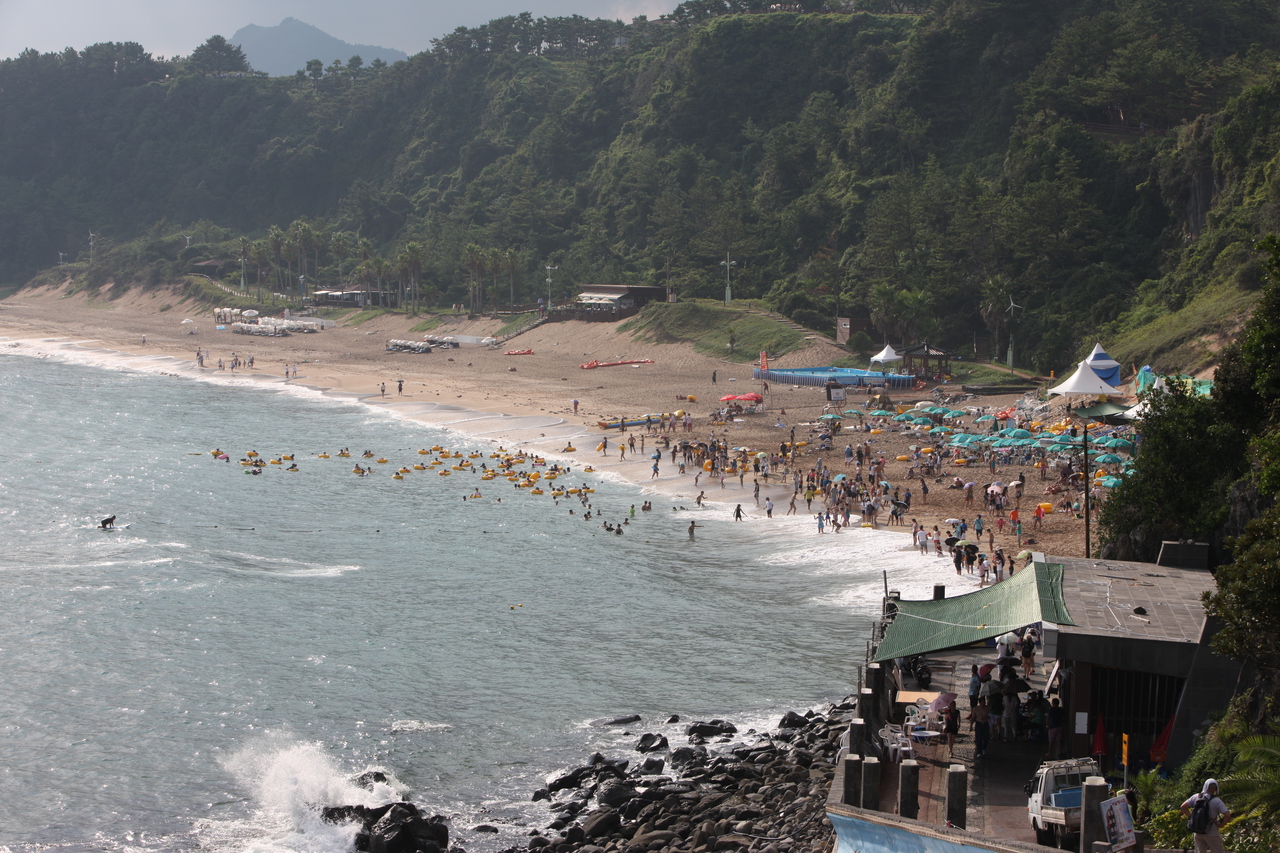
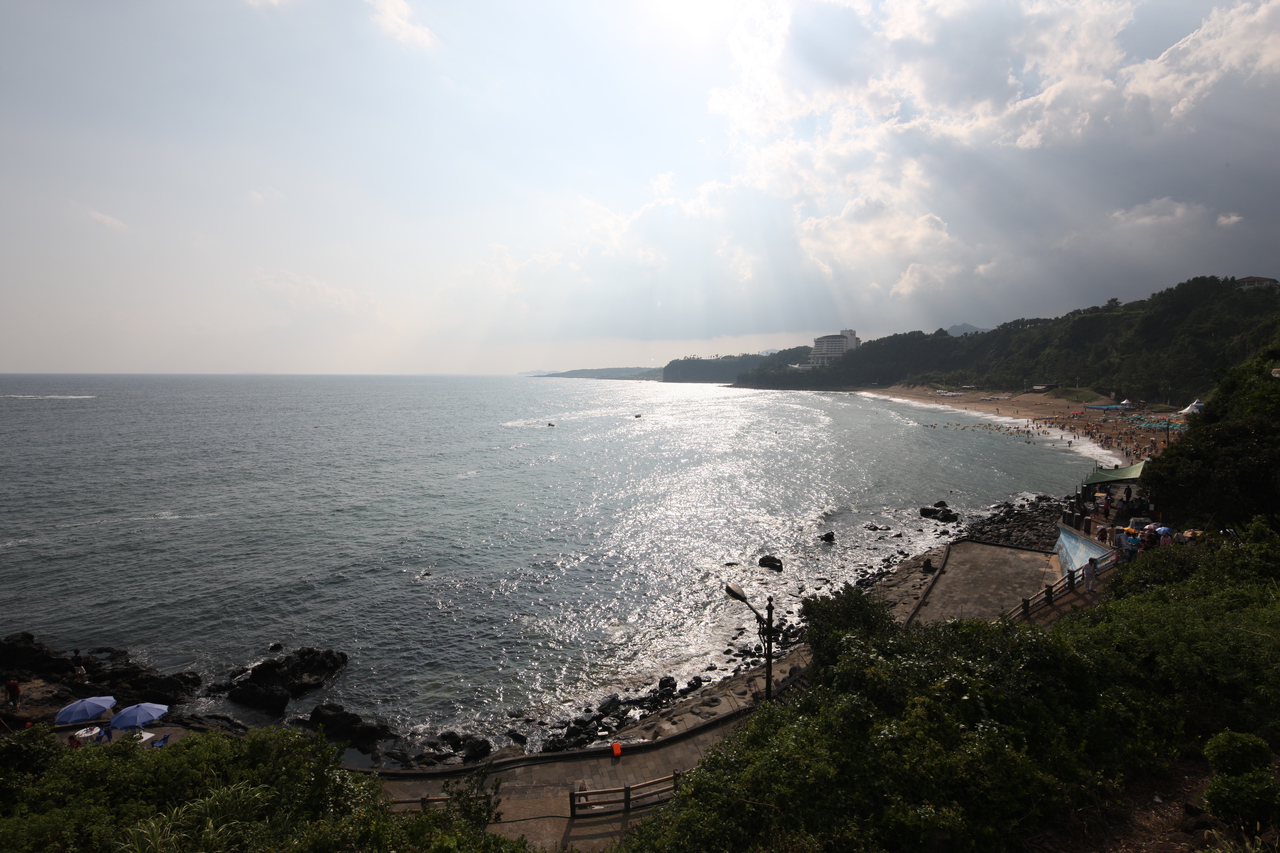
Jungmun Saekdal Beach representative scenic panoramaZoom
+1More
1 / 6
Jungmun Saekdal Beach representative scenic panorama
Curator's Guide & Overview
Comprehensive Guide1. Historical Origins & Cultural Background
Jungmun Saekdal Beach, dynamically carved into the dramatic coastal cliffs of Saekdal-dong within the prestigious Jungmun Tourist Complex in Seogwipo, is South Korea's undisputed surfing capital and one of the most energetically exhilarating beaches in the nation. Sheltered by soaring, emerald-clad volcanic headlands and towering columnar basalt cliffs, this 560-meter-long crescent of sand faces directly into the unobstructed fury and beauty of the Pacific Ocean. Because the sea floor drops away sharply into deep coastal trenches, the incoming ocean swells generate powerful, hollow barrel waves and sweeping breaks that reach heights of two to four meters, establishing Jungmun as the birthplace and primary venue of the annual Jeju International Surfing Competition since the early 1990s.
2. Architectural Highlights & Key Structures
Beyond its legendary waves, Jungmun Saekdal Beach possesses an extraordinary geological anomaly known locally as 'Jinmol' (Jin-mo-sal). Unlike uniform white coral sands or dark basalt gravel, the sand here is composed of a unique, multi-colored tapestry of four distinct grains: jet-black volcanic basalt, pure white powdered seashell calcium, rich red volcanic scoria (Song-i), and silvery-grey quartz crystal. Under the shifting rays of morning and afternoon sunlight, the sand shimmers with subtle iridescent hues. Towering directly above the western flank of the beach are ancient sea-eroded sea-caves, natural basalt columns, and pristine native subtropical forests that host several luxury cliff-top resorts, including the Shilla, Lotte, and Parnas hotels. Perched high on the cliff overlooking the breakers sits 'The Cliff'—a vibrant Bali-inspired beach club and lounge offering panoramic sunset decks, DJ sessions, daybeds, and tropical cocktails. The beach is also ecologically renowned as the sole natural breeding and nesting ground for endangered Pacific loggerhead and green sea turtles in South Korea.
3. Four Seasons Landscape & Seasonal Visiting Charms
Jungmun Saekdal Beach boasts distinct charms across every season. Spring (March to May) brings crisp, brilliant weather where sunny skies and rising temperatures draw early-season surfers in wetsuits, while spring wildflowers bloom along the cliff-side walking trails. Summer (June to August) is high energy: colorful umbrellas line the shore, sunbathers gather on the Jinmol sand, and swimmers splash in designated zones under vigilant lifeguard supervision, with evening music wafting down from cliffside lounges. Autumn (September to November) is the sacred golden season for seasoned surfers: powerful typhoon swells out in the Pacific generate textbook barrels and glassy, long-riding waves under clear azure skies. Winter (December to February) remains surprisingly temperate in southern Seogwipo; dedicated surfers brave the swells in thick winter wetsuits, while walkers stroll the wild, dramatic shoreline to witness thunderous waves crashing against black basalt columns.
4. Operating Hours & Peak Viewing Times
Jungmun Saekdal Beach is open to the public 24 hours daily year-round with free admission. Official municipal swimming operations with professional lifeguards take place during peak summer (July and August) from 09:00 to 18:00. Year-round surf shops, board rental cabins, and certified surf schools operate daily from approximately 08:00 to 19:00 right along the beach plaza. The best times to visit are early morning around 08:30 for glassy surf conditions and quiet walks, or late afternoon from 16:30 to 19:00 to watch skilled surfers carving waves against the backdrop of a fiery Pacific sunset from The Cliff lounge deck. Plan roughly 2 to 3 hours to stroll the beach, watch or participate in surfing, and enjoy a cliffside beverage.
5. Admission Fees & Concessions (Youth/Foreigner Discounts)
Admission to Jungmun Saekdal Beach is completely FREE. Public outdoor freshwater shower facilities operate during summer for approximately 2,000 to 3,000 KRW. Full-day surfboard rentals cost roughly 30,000 to 40,000 KRW, wetsuit rentals cost approximately 10,000 to 15,000 KRW, and comprehensive 2-hour beginner surf lessons with certified instructors typically cost 60,000 KRW per person (including board and suit). The expansive paved beach parking lot at the top of the bluff is free or charges a nominal flat fee of approximately 3,000 KRW.
6. Public Transit & Subway Exit Directions
From Jeju International Airport, take Airport Limousine Bus 600 directly to the Korea Tourism Organization (Hanguk Gwangwang Gonsa) or The Shilla Jeju stop in approximately 50 minutes (no transfers required). From the bus stop, follow the scenic paved wooden boardwalk down through the coastal forest directly to the beach plaza (approx. 7 minutes of walking). Taxis from Jeju Airport take approximately 45 minutes along Route 1135 (Pyeonghwa-ro) costing roughly 30,000 to 35,000 KRW. Driving a rental car takes about 40 minutes from Jeju City and 15 minutes from downtown Seogwipo.
7. Barrier-Free Accessibility & Visitor Amenities
Due to the natural amphitheater topography where cliffs drop steeply to the sea, accessibility requires noting specific routes. The upper parking plaza, clifftop lookout terraces, and The Cliff lounge are fully flat, paved, and accessible to manual wheelchairs and strollers, providing commanding aerial views of the entire beach and surf breaks. A paved, gradual vehicular access road winds down the hillside to the lower beach plaza, allowing wheelchair drop-offs directly by the sand. However, moving across the loose, deep Jinmol sand and climbing the direct wooden foot-stairs from the hotels is challenging for wheelchairs. Fully accessible public restrooms are located at the lower beach plaza.
8. Recommended Walking Route & Highlights Tour
Recommended 2.5-Hour Surfing Vibe & Ocean Cliff Trail: Arrive at the Jungmun beach parking area and walk out onto the upper cliff-top observation deck to survey the roaring waves and surfers in the water → Follow the winding coastal boardwalk down through pine woods to the lower beach plaza → Kick off your shoes to feel the unique texture of the 4-colored Jinmol sand beneath your feet → Watch resident surf instructors guide beginners through pop-up techniques on the sand before heading into the rolling white water → Walk westward along the tide line to inspect the dramatic volcanic sea-caves and columnar basalt walls at the base of the cliffs → If adventurous, rent a surfboard for an exhilarating ride on the Pacific swells, or simply sit on the sand watching skilled shortboarders ride the steep peeling barrels → Ascend back up to the clifftop to take a seat on an outdoor daybed at The Cliff lounge → Sip a signature Hallabong sunset mojito accompanied by tropical chillout beats as the sun sinks into the western horizon.
9. Local Food Specialties & Regional Flavors
Jungmun Tourist Complex surrounding the beach offers some of Jeju Island’s most diverse and upscale culinary offerings. At casual beachfront shacks and cafes, enjoy loaded fish tacos, craft burgers, and fresh fruit acai bowls. In the resort village, indulge in world-class Jeju Black Pork Barbecue (Heuk-dwaeji) grilled over hardwood charcoal, fresh whole silver hairtail fish roasted on long steel trays (Tong-galchi Gui), and rich abalone porridge (Jeonbok-juk). At nearby Daepo Port, feast on live red tilefish sashimi and bubbling earthenware hot pots overflowing with blue crabs, abalone, and prawns (Haemul Ttukbaegi).
10. Dietary Options (Vegetarian, Halal & Allergen Guide)
Vegetarians will find numerous appealing options: The Cliff lounge serves artisanal margherita pizzas, truffle french fries, Mediterranean salads, and fresh tropical fruit smoothies. Traditional Korean restaurants within Jungmun Resort serve nutritious mountain vegetable bibimbap, handmade soft tofu stews, and savory potato pancakes. Halal and pescatarian travelers can savor fresh grilled seafood, sashimi platters, abalone porridge, and vegetable noodle dishes prepared fresh from the local day's catch with zero pork or meat broths.
11. Signature Photo Spots & Golden Hour Lighting
Signature photographic perspectives: an aerial clifftop panorama looking down over the vibrant turquoise waves, multicolored sand, and black basalt headlands dotted with surfers (the defining Jungmun postcard image); an action shot capturing a surfer riding inside a peeling barrel wave with spray flying against the sea-cliff backdrop; relaxing on the neon-lit outdoor daybeds of The Cliff lounge holding a tropical cocktail with the ocean sunset behind you; and a macro shot of the distinctive 4-colored Jinmol sand glistening in your hand.
12. Visitor Etiquette & Cultural Property Regulations
Beach safety and marine awareness: Jungmun Saekdal Beach is known for strong rip currents (yeok-pado) and steep drop-offs. Always heed lifeguard warnings and swim strictly between the designated yellow-and-red flags; never swim alone or enter the water during rough swells without proper flotation or a surfboard leash. Surfers and swimmers must maintain separate zones to avoid collisions. Do not climb fragile sea-cliff rocks. Do not disturb nesting sea turtles or marked conservation areas. Pack out all trash and food containers. Smoking is strictly banned on the public beach.
13. Safety Precautions & 1330 Tourism Hotline Support
Bring high-SPF sunscreen, sunglasses, and a beach towel, as the open sand reflects intense sunlight. Sturdy footwear is recommended for walking the cliffside paths, while flip-flops are handy on the sand. For beach conditions, surf forecasts, and lifeguard status, contact the Jungmun Saekdal Beach Management Office at 064-760-4993 or call the 1330 Korea Travel Hotline.
14. Nearby Connected Attractions & Walking Links
Nearby attractions: visit the hexagonal volcanic columns of Jusangjeolli Cliff (PLACE-JEJU-005) just 5 minutes east; tour the grand Buddhist hall of Yakcheonsa Temple (PLACE-JEJU-015); explore the botanical paradise of Yeomiji Botanical Garden; or visit Cheonjiyeon and Cheonjeyeon waterfalls.
15. Frequently Asked Questions (FAQ)
Q: Why is Jungmun the top surfing destination in South Korea? A: Unlike most beaches on the Korean mainland which are sheltered by islands or shallow peninsulas, Jungmun sits on the southernmost tip of Jeju facing directly into the deep, open waters of the Pacific Ocean; this unobstructed exposure allows long-period oceanic swells generated thousands of kilometers away to march directly into the bay, producing clean, powerful, and consistent peeling waves unmatched anywhere else in the country. Q: What is special about the 4-colored sand? A: Jungmun’s 'Jinmol' sand is a natural geological mosaic resulting from the confluence of four distinct natural processes: wave-eroded black volcanic basalt, pulverized white seashells and coral, weathered red volcanic scoria (Song-i) from ancient cinder cones, and fine grey quartz sand washed down from mountain streams, creating an extraordinarily beautiful, multicolored crystalline beach.
16. Regional Extended Day Trip Itinerary
Jungmun Saekdal Surfing & Coastal Wonder Day Tour: Morning airport limousine or drive to Jungmun Resort → Arrive at Jungmun Saekdal Beach and take a morning walk along the 4-colored Jinmol sand → Join a 2-hour beginner surf lesson or rent a board to catch the Pacific swells → Rinse off at the beach facilities and head into Jungmun village for lunch savoring authentic Jeju black pork barbecue → Early afternoon visit to the hexagonal basalt sea columns at Jusangjeolli Cliff → Tour the colossal 30-meter Buddhist hall of Yakcheonsa Temple → Return to Jungmun in the late afternoon to grab an outdoor daybed at The Cliff lounge → Sip sunset cocktails while listening to DJ beats and watching the surfers catch the final waves of the day.
Essential Visitor Facts
Operating Hours
Open 24/7 year-round (free public access); Summer swimming season (July-August) officially 09:00 - 18:00 (lifeguard patrol); Surf rental and surf schools operate year-round approx. 08:00 - 19:00.
Admission / Price
FREE PUBLIC ADMISSION to Jungmun Saekdal Beach; Public shower (summer): approx. 2,000 to 3,000 KRW; Surf board rental: approx. 30,000 to 40,000 KRW (surf lessons approx. 60,000 KRW); Large parking lot is free or nominal 3,000 KRW.
Closed Days
Open 365 Days
Best Time to Visit
Morning (around 09:30-10:00)
Transit & Access Directions
From Jeju International Airport, take Airport Limousine Bus 600 directly to the Jungmun Resort / Korea Tourism Organization stop (approx. 50 minutes), then walk down the paved scenic boardwalk to the beach (approx. 7 minutes).
Accessibility & Special Amenities
Wheelchair ramps, tactile paving, accessible restrooms
Location Coordinates
Latitude: 33.2452
Longitude: 126.4112
Discover Themes & Highlights
Key interest areas and cultural highlights:
#jungmun-saekdal-beach-surf#VisitJeju#KoreaTravelAtlas
Community Traveler Reviews0 Reviews
Visitor tips, feedback, and questions submitted by real travelers.
No community reviews submitted yet. Be the first traveler to share your experience!
Connected Cultural Destinations
Handpicked nearby attractions and regional cultural highlights.

Gamcheon Culture Village
감천문화마을203 Gamnae 2-ro, Saha-gu, Busan
Gamcheon Culture Village in Saha-gu, Busan, is a vibrant hillside community celebrated as "Korea's Santorini" or "Machu Picchu of Busan" for its terraced rows of pastel-hued residences clinging to ...
HalalMorning (around 09:30-10:00)
Details→
Daepo Jusangjeolli Hexagonal Lava Cliffs
대포 주상절리대Daepo Jusangjeolli Hexagonal Lava Cliffs, Seogwipo, Jeju, South Korea
Daepo Jusangjeolli is a UNESCO Global Geopark marvel and Natural Monument No. 443, featuring colossal hexagonal and polygonal columnar basalt sea cliffs towering 20 to 30 meters above the roaring s...
Morning (around 09:30-10:00)
Details→
Sanbangsan Mountain & Yongmeori Coast
산방산 및 용머리해안Sanbangsan Mountain & Yongmeori Coast, Seogwipo, Jeju, South Korea
Sanbangsan Mountain & Yongmeori Coast in southwestern Seogwipo form a million-year-old geological wonder, pairing a colossal 395-meter bell-shaped volcanic dome containing the sacred Sanbanggulsa c...
Morning (around 09:30-10:00)
Details→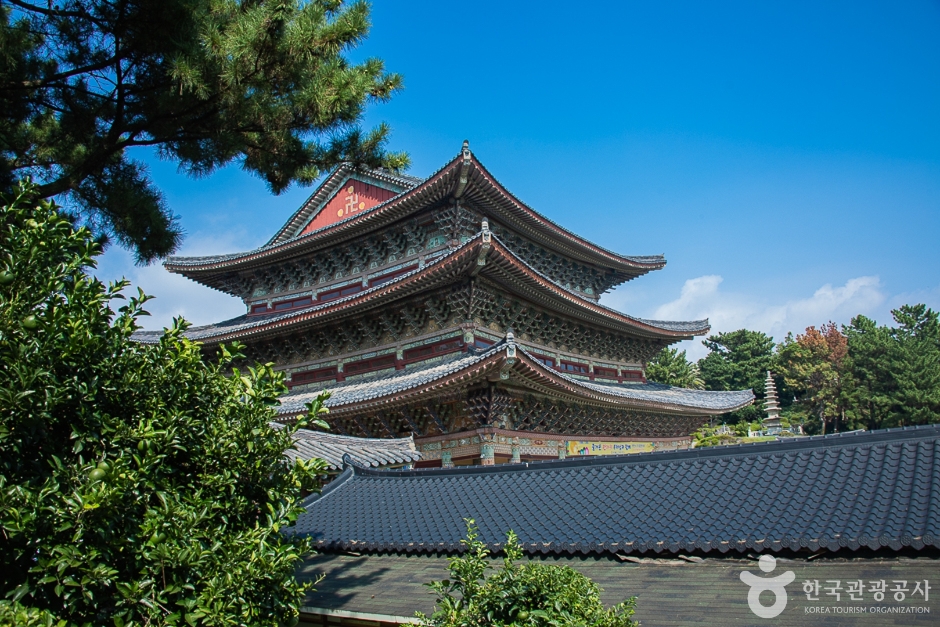
Yakcheonsa Ocean Temple
약천사Yakcheonsa Ocean Temple, Seogwipo, Jeju, South Korea
Yakcheonsa Ocean Temple in Seogwipo is an awe-inspiring architectural wonder, home to the single largest Buddhist temple hall in East Asia (Jeokgwangjeon, rising 30 meters high), enshrining three c...
Morning (around 09:30-10:00)
Details→