Jeonbuk•Muju•Nature•National Park
Muju Deogyusan National Park (Hyangjeokbong)
무주 덕유산 향적봉
Powered by Korea Tourism OrganizationAddress: Muju Deogyusan National Park (Hyangjeokbong), Muju, Jeonbuk, South Korea (전북특별자치도 무주군 설천면 만선로 185 (무주덕유산리조트 곤도라 탑승장))
Editorial review pending

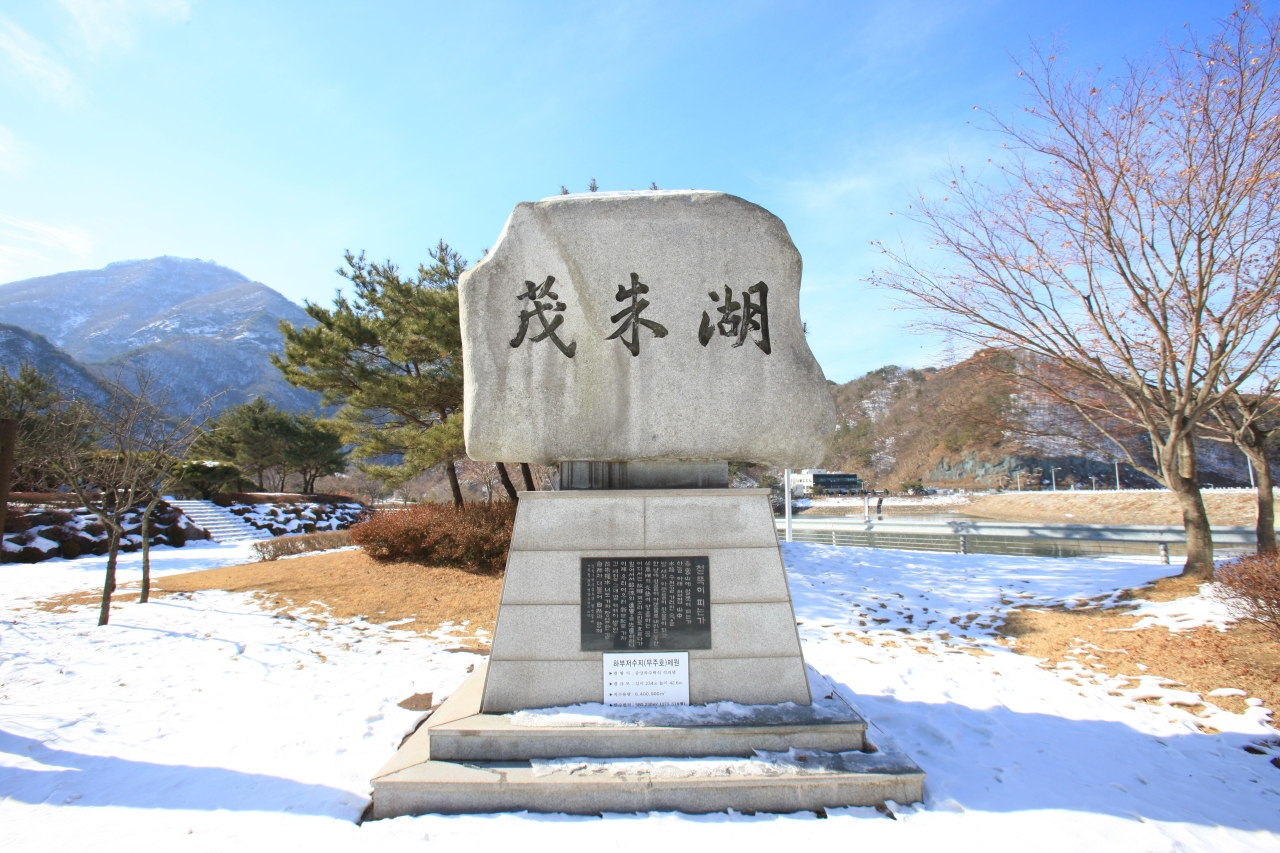
Muju Deogyusan National Park (Hyangjeokbong) representative scenic panoramaZoom

+1More
1 / 6
Muju Deogyusan National Park (Hyangjeokbong) representative scenic panorama
Curator's Guide & Overview
Comprehensive Guide1. Historical Origins & Cultural Background
Spanning the mountainous backbone of the Baekdudaegan mountain system, Deogyusan National Park encompasses 232 square kilometers of majestic peaks, alpine meadows, and rushing river valleys. At 1,614 meters above sea level, Hyangjeokbong (Fragrant Accumulation Peak) is the fourth-highest mountain summit in South Korea, trailing only Hallasan, Jirisan, and Seoraksan. Despite its grand altitude, Deogyusan is affectionately known as Korea’s most democratic alpine summit: thanks to the tourist sightseeing gondola operated by Muju Deogyusan Resort, visitors of any age or fitness level can ascend effortlessly from the valley floor directly into the high alpine zone.
2. Architectural Highlights & Key Structures
The 2.6-kilometer tourist gondola glides gracefully over forested ravines in 15 minutes, carrying passengers from the resort base station up to Seolcheonbong Peak at 1,520 meters, where the striking octagonal Sangjegaru pavilion crowns the ridge. From Seolcheonbong, an easy, gently graded 600-meter wooden staircase trail leads to the ultimate summit of Hyangjeokbong in just 20 minutes. In winter, this alpine ridge transforms into a crystalline wonderland of rime ice (Sang-goda) and frosted snow blossoms. Cold Siberian gales sweep clouds up the slopes, flash-freezing atmospheric moisture onto the twisted branches of thousand-year-old native Korean yew trees (Jumok) and subalpine firs, creating an otherworldly forest of pure white snow-coral sculptures.
3. Four Seasons Landscape & Seasonal Visiting Charms
Spring brings pink royal azaleas blossoming across the high ridges, while Gucheondong Valley echoes with the melting mountain snowmelt. Summer offers a refreshing escape from lowland heat, where temperatures atop Hyangjeokbong stay 10 to 12 degrees Celsius cooler than urban centers, accompanied by cool stream walks along the Gucheondong 33 Scenic Vistas. Autumn paints the vast mountain slopes in brilliant multi-tiered shades of crimson oak, golden birch, and dark green conifers. Winter (December to February) represents Deogyusan’s crowning global glory, attracting photographers and hikers from around the world to witness Korea’s ultimate high-altitude snow kingdom.
4. Operating Hours & Peak Viewing Times
Deogyusan National Park hiking trails are open daily from 04:00 to 18:00 (summer) and 05:00 to 17:00 (winter). The Muju Deogyusan Resort Sightseeing Gondola operates weekdays from 10:00 to 16:30, and weekends from 09:00 to 16:30. Note that during winter peak weekends (October to February), online advance reservations are strictly mandatory via the Muju Deogyusan Resort website to prevent overcrowding.
5. Admission Fees & Concessions (Youth/Foreigner Discounts)
Admission to the national park is free. Round-trip tickets for the Muju Deogyusan Sightseeing Gondola are 22,000 KRW for adults and 17,000 KRW for children (one-way: 16,000 KRW / 13,000 KRW). Spacious open-air parking lots at the resort base are free. Crampons (Aizen) can be rented at the Seolcheonbong summit shop for 5,000 KRW.
6. Public Transit & Subway Exit Directions
From Seoul, take the KTX to KTX Daejeon Station (approx. 55 minutes). Transfer to the Daejeon Complex Bus Terminal and take an intercity bus to Muju Public Bus Terminal (approx. 50 minutes). From Muju Bus Terminal, take the seasonal free shuttle bus operated by Muju Resort or a local rural bus bound for Gucheondong (approx. 25 minutes). Alternatively, direct ski shuttle buses run from Seoul (Sadang, Jamsil) directly to Muju Deogyusan Resort during the winter ski season. Taxis from Muju town center take 25 minutes and cost approximately 26,000 to 28,000 KRW.
7. Barrier-Free Accessibility & Visitor Amenities
The resort base station, gondola boarding platforms, and Seolcheonbong summit lodge feature paved entrances, shallow ramps, and elevator facilities accessible to wheelchairs and strollers. The gondola cabins accommodate folding wheelchairs and strollers. However, the final 600-meter summit trail from Seolcheonbong to Hyangjeokbong consists of continuous wooden staircases and snow paths that require walking on foot. Dedicated accessible restrooms are available at the resort base station and inside the Seolcheonbong summit station.
8. Recommended Walking Route & Highlights Tour
Recommended 3-Hour Alpine Summit Circuit: Board the Muju Resort Gondola at the base station → Enjoy the 15-minute aerial flight over snow-covered valleys to Seolcheonbong (1,520m) → Put on winter crampons and photograph the Sangjegaru pavilion → Walk 20 minutes along the wooden summit trail beneath towering frosted yew trees → Reach the 1,614m Hyangjeokbong stone summit marker for 360-degree views of the Baekdudaegan range → Descend to Seolcheonbong for hot fish-cake soup and warm coffee → Ride the gondola down and enjoy Muju trout sashimi or wild mushroom stew.
9. Local Food Specialties & Regional Flavors
Muju is celebrated for pristine highland culinary specialties sourced from its high altitudes and unpolluted rivers. Savor Neungi-beoseot Jeongol (wild black trumpet mushroom hotpot with tender beef and medicinal herbs), freshwater Song-eo Hoe (chilled pink trout sashimi served with shredded cabbage, soybean powder, and perilla oil), and rustic Dwaeji-gogi Duruchigi (spicy stir-fried pork with mountain herbs). Don't miss Muju Meoru Wine (sweet, rich local wild grape wine aged in oak barrels).
10. Dietary Options (Vegetarian, Halal & Allergen Guide)
Vegetarians will be delighted by Muju’s highland forest dining: authentic Sanchae Bibimbap loaded with wild Deogyusan bracken and codonopsis root, piping-hot wild mushroom hotpots (request pure vegetable broth), savory potato pancakes (Gamjajeon), and boiling soft tofu stew (Sundubu). Warm up with hot roasted chestnuts, sweet corn, and traditional omija berry tea. Halal travelers can savor fresh trout sashimi, vegetable bibimbap, mushroom stews, and sweet local apple wines.
11. Signature Photo Spots & Golden Hour Lighting
Iconic photographic perspectives: framing the ancient snow-frosted branches of a dead yew tree (Jumok) against the vibrant blue sky with the jagged Baekdudaegan peaks receding into the horizon, wide-angle shot of the snow-covered traditional Sangjegaru pavilion at Seolcheonbong, posing beside the rugged granite Hyangjeokbong 1,614m summit stone marker, and magical rime ice tunnels glistening in early morning sunshine.
12. Visitor Etiquette & Cultural Property Regulations
High-altitude winter conditions at 1,600 meters are extreme: temperatures frequently drop below -15°C with severe wind chill. Always carry crampons (ice spikes) for your boots; walking on icy summit stairs without crampons is hazardous. Dress in thermal base layers, down parka, windproof pants, winter gloves, and a warm fleece hat. Never venture past marked ropes into ski slopes or steep ravines. The national park is strictly non-smoking.
13. Safety Precautions & 1330 Tourism Hotline Support
Winter visitors must reserve gondola tickets online in advance for weekend slots. Pack a thermos of hot water and high-energy snacks. For real-time summit weather and gondola operational updates, check the Muju Deogyusan Resort website or call 063-322-9000 or dial 1330.
14. Nearby Connected Attractions & Walking Links
Combine your visit with Muju’s other unique sights: the Muju Meoru Wine Cave (a 270-meter renovated secret tunnel serving wine tastings and foot spas) is a 20-minute drive away, while historic Anguksa Temple atop Mount Jeoksangsan lies 25 minutes to the northwest.
15. Frequently Asked Questions (FAQ)
Q: Can elderly travelers or young children reach the summit? A: Yes, the gondola carries visitors straight to 1,520 meters, leaving only a gentle 20-minute wooden staircase walk to the top; thousands of families and seniors safely complete this pilgrimage every year. Q: What is Sang-goda (rime ice)? A: Unlike falling snow, rime frost forms when supercooled cloud droplets carried by high-velocity freezing winds instantly crystallize upon colliding with exposed trees, building outward into delicate, feathered needles of pure ice.
16. Regional Extended Day Trip Itinerary
Deogyusan Alpine Snow Kingdom Day Tour: Morning bus or train to Muju via Daejeon → Free shuttle to Muju Deogyusan Resort → Board tourist gondola to Seolcheonbong Peak (1,520m) → Put on crampons and hike the magical 600m rime-frost trail to Hyangjeokbong Summit (1,614m) → 360-degree photography across the snow-capped mountain range → Hot coffee at Seolcheonbong → Gondola descent → Hearty wild mushroom hotpot lunch → Visit Muju Meoru Wine Cave for wine tasting and foot spa → Return journey via KTX Daejeon.
Essential Visitor Facts
Operating Hours
National park open daily 04:00 - 18:00; Muju Resort Gondola: Mon - Fri 10:00 - 16:30, Sat - Sun 09:00 - 16:30 (Winter weekend reservation required online)
Admission / Price
Free admission to National Park; Gondola Round-trip: Adults 22,000 KRW, Children 17,000 KRW; Parking Free at resort
Closed Days
Open 365 Days
Best Time to Visit
Morning (around 09:30-10:00)
Transit & Access Directions
From Daejeon Complex Bus Terminal or Jeonju Terminal, take an intercity bus to Muju Bus Terminal (approx. 50 mins), then board Muju Resort Free Shuttle Bus or local rural bus to Seolcheon-myeon / Resort stop (approx. 25 mins)
Accessibility & Special Amenities
Wheelchair ramps, tactile paving, accessible restrooms
Location Coordinates
Latitude: 35.8612
Longitude: 127.7485
Discover Themes & Highlights
Key interest areas and cultural highlights:
#muju-deogyusan-resort-hyangjeokbong#VisitJeonbuk#KoreaTravelAtlas
Community Traveler Reviews0 Reviews
Visitor tips, feedback, and questions submitted by real travelers.
No community reviews submitted yet. Be the first traveler to share your experience!
Connected Cultural Destinations
Handpicked nearby attractions and regional cultural highlights.

Anbandeok Highland Rye Plateau
강릉 안반데기Anbandeok Highland Rye Plateau, Gangneung, Gangwon, South Korea
Gangneung Anbandeok is South Korea’s highest inhabited alpine agricultural plateau at 1,100 meters above sea level, famous for boundless emerald cabbage fields, giant white wind turbines, and world...
Morning (around 09:30-10:00)
Details→
Taebaeksan National Park (Cheonjedan)
태백산국립공원 (천제단)Taebaeksan National Park (Cheonjedan), Taebaek, Gangwon, South Korea
Taebaeksan National Park is Korea’s revered sacred ancestral mountain, famed for Cheonjedan (the prehistoric Altar of Heavenly Rites), millennium-old yew tree snowscapes, Manggyeongsa Temple, and d...
Morning (around 09:30-10:00)
Details→
Naejangsan National Park (Autumn Foliage)
내장산국립공원Naejangsan National Park (Autumn Foliage), Jeongeup, Jeonbuk, South Korea
Naejangsan National Park is South Korea’s undisputed autumn foliage wonderland, renowned for its vivid crimson baby-leaf maples, the fairy-tale Uhwajeong water pavilion, soaring ridge cable car, an...
Morning (around 09:30-10:00)
Details→
Maisan Provincial Park & Stone Pagodas (Tapsa)
진안 마이산 탑사Maisan Provincial Park & Stone Pagodas (Tapsa), Jinan, Jeonbuk, South Korea
Maisan Provincial Park is an awe-inspiring geological sanctuary famed for its surreal twin peaks resembling horse ears, massive tafoni honeycomb cliff cavities, and Tapsa Temple’s mystical ensemble...
Morning (around 09:30-10:00)
Details→