Jeonbuk•Jinan•Nature•National Park
Maisan Provincial Park & Stone Pagodas (Tapsa)
진안 마이산 탑사
Powered by Korea Tourism OrganizationAddress: Maisan Provincial Park & Stone Pagodas (Tapsa), Jinan, Jeonbuk, South Korea (전북특별자치도 진안군 마령면 마이산남로 367 (마이산 탑사))
Editorial review pending

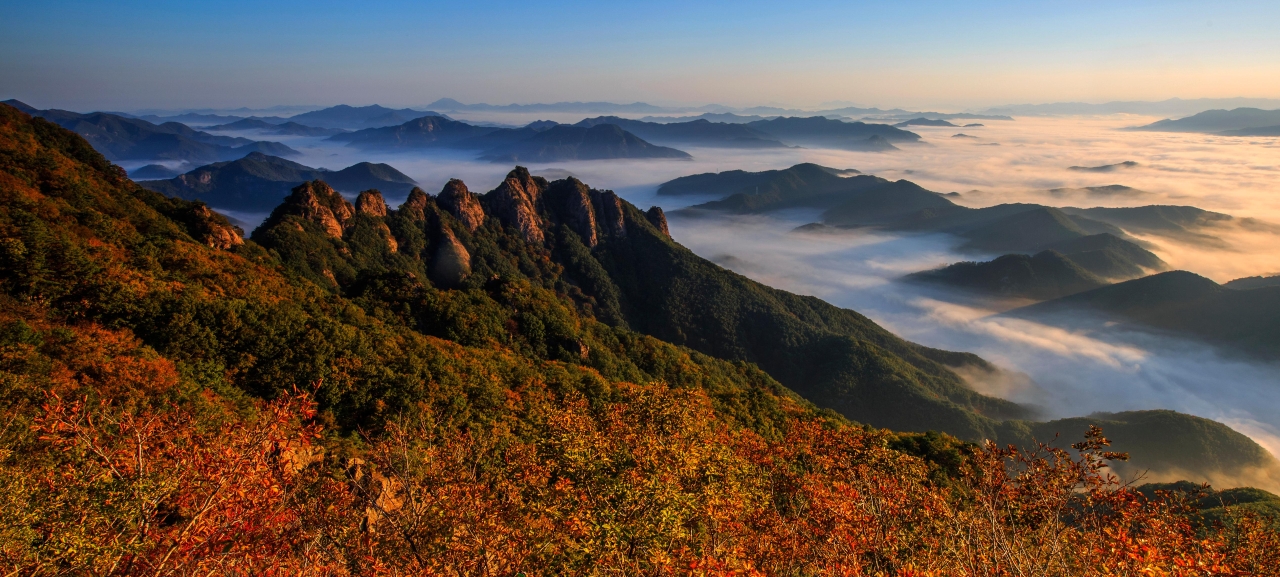
Maisan Provincial Park & Stone Pagodas (Tapsa) representative scenic panoramaZoom
+1More
1 / 6
Maisan Provincial Park & Stone Pagodas (Tapsa) representative scenic panorama
Curator's Guide & Overview
Comprehensive Guide1. Historical Origins & Cultural Background
Rising dramatically from the Jinan Plateau like a monumental pair of colossal horse ears piercing the sky, Maisan (Horse Ears Mountain) is one of the most enigmatic geological and spiritual landmarks on the Korean Peninsula. Formed over 100 million years ago during the Cretaceous Period from compacted freshwater lake conglomerates, the two monoliths—Ammaibong (Female Horse Ear Peak, 687m) and Sutmaibong (Male Horse Ear Peak, 680m)—possess the world's most extensive display of tafoni, giant honeycomb caverns carved into vertical cliffs by natural freeze-thaw weathering. The Michelin Green Guide Korea awarded Maisan a rare top rating of three stars, calling it an unmissable world natural wonder.
2. Architectural Highlights & Key Structures
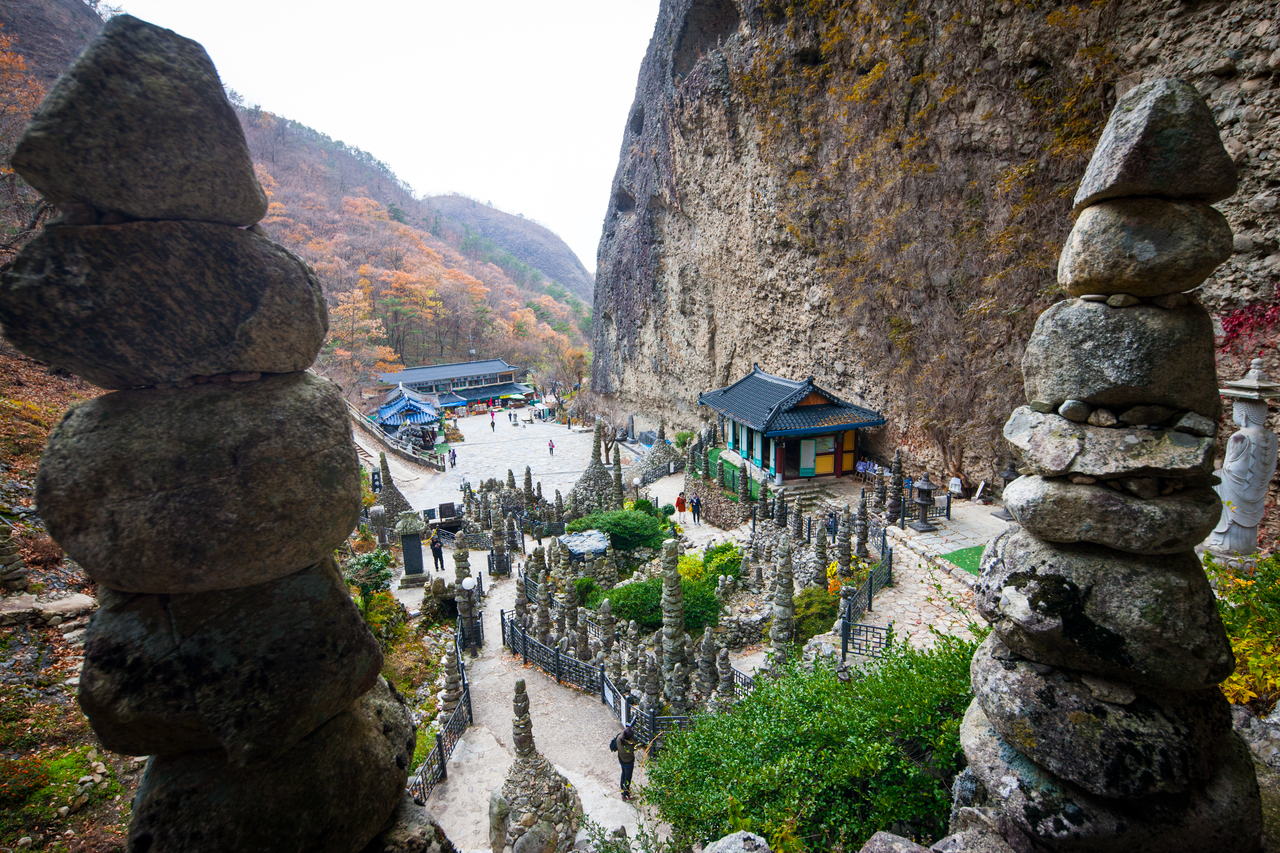
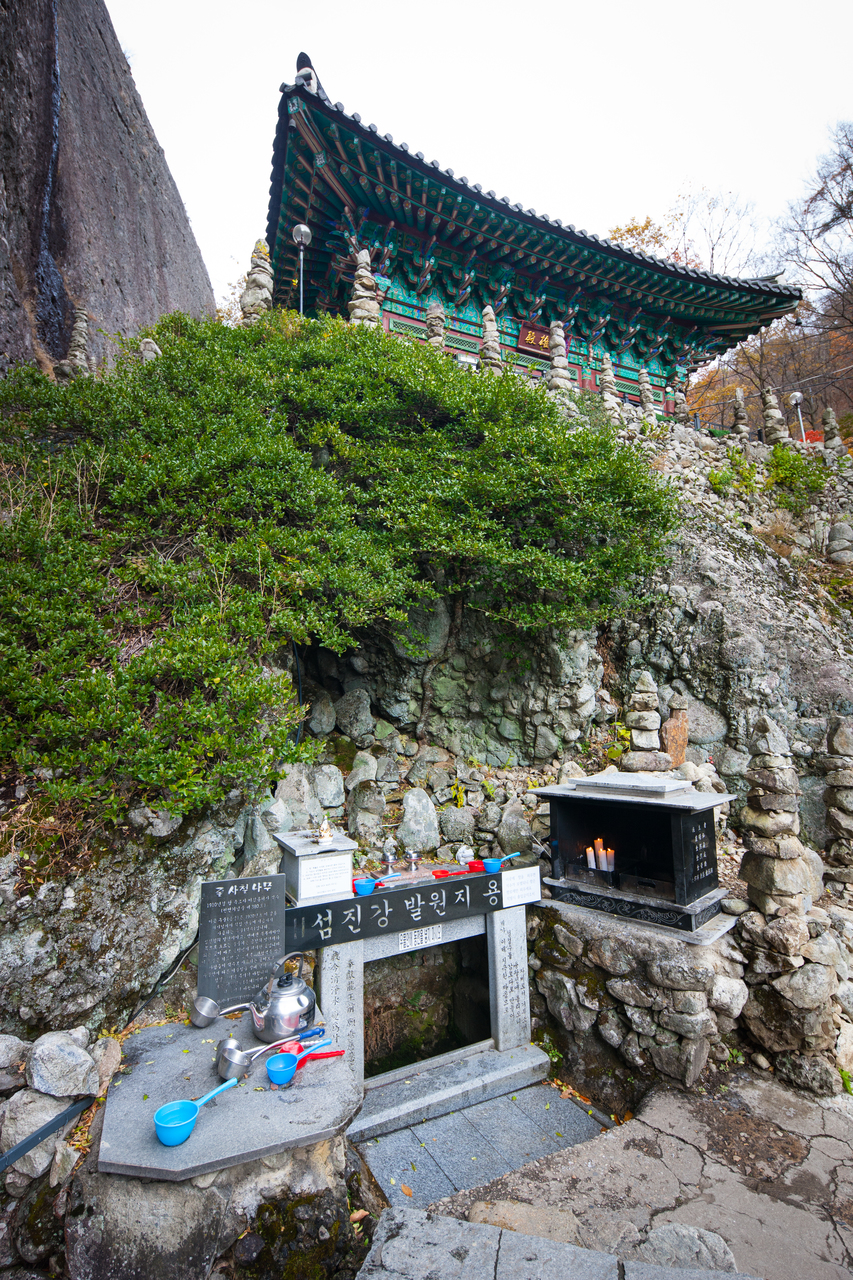
Tucked into the shadowy cliff canyon directly beneath the southern face of Ammaibong lies Tapsa Temple, a sanctuary unlike any other Buddhist temple on earth. In the late 19th century, a Taoist-Buddhist hermit named Yi Gap-ryong (1860–1957) retreated here to pray for national peace. Working completely alone for three decades, he gathered raw river rocks and jagged mountain boulders, stacking over 100 towering stone conical pagodas without a single drop of mortar, cement, or binding clay. Miraculously, over 80 of these needle-sharp and conical stone pagodas still stand intact today, withstanding century-old typhoons, earthquakes, and violent winter gales. During freezing winter nights, water bowls placed before the pagodas produce the famous 'Reverse Icicle' (Yeokeoreum) phenomenon, where icicles defy gravity and grow straight upward toward the heavens.
3. Four Seasons Landscape & Seasonal Visiting Charms
Spring brings the world-renowned Maisan Cherry Blossom Tunnel, a 2.5-kilometer pink floral canopy flanking the serene waters of Tapyeongje Pond that blooms approximately two weeks later than Seoul due to the cool plateau microclimate. Summer cloaks the bizarre rock monoliths in rich emerald moss and jungle vines, with cool mountain breezes rushing down from the tafoni cliff caves. Autumn is an awe-inspiring vision when golden ginkgoes and crimson maples surround the grey stone pagodas against the towering conglomerate cliffs. Winter offers mystical solitude, as white snow caps the stone spires and mysterious reverse icicles freeze in upward spikes of clear crystal.
4. Operating Hours & Peak Viewing Times
The park and southern approach are accessible daily from 09:00 to 18:00 throughout the year. The southern entrance (Nambu) via Tapyeongje Pond is the most scenic and accessible route to Tapsa Temple. The steep hiking trail scaling the bare rock crest of Ammaibong takes 1.5 hours round-trip, but is closed during icy winter conditions for hiker safety.
5. Admission Fees & Concessions (Youth/Foreigner Discounts)
Admission to Maisan Provincial Park and Tapsa Temple is 3,000 KRW for adults, 2,000 KRW for teenagers, and 1,000 KRW for children. On-site vehicle parking costs 2,000 KRW per day.
6. Public Transit & Subway Exit Directions
From Seoul, take the KTX to Jeonju Station (approx. 1 hour 35 minutes). From Jeonju Intercity Bus Terminal, direct buses run every 30 minutes to Jinan Intercity Bus Terminal (approx. 35 minutes). At Jinan Terminal, take a local rural bus directly to Maisan Nambu (approx. 15 minutes), or take a local taxi for about 10,000 to 12,000 KRW. Alternatively, direct intercity buses run from Jeonju directly to Maisan Southern Entrance during spring and autumn weekends.
7. Barrier-Free Accessibility & Visitor Amenities
The 1.8-kilometer southern approach trail from the lower parking lot past Tapyeongje Pond to Tapsa Temple is completely flat, smoothly paved, and bordered by gentle wooden decks. It is an outstanding barrier-free walkway accessible to wheelchairs, mobility scooters, and strollers. Wheelchairs are available for complimentary loan at the southern ticket pavilion. Accessible restrooms are located at the entrance plaza, by the pond, and at the foot of Tapsa Temple.
8. Recommended Walking Route & Highlights Tour
Recommended 2.5-Hour Stone Pagoda Pilgrimage: Arrive at Maisan South Entrance → Stroll along the flat boardwalk alongside Tapyeongje Pond admiring the reflection of the twin peaks → Walk beneath the soaring conglomerate tafoni cliffs → Enter Tapsa Temple courtyard to stand in awe before the 80 freestanding stone pagodas → Climb the short stone stairs behind the main hall to view the master twin towers (Cheonjitap) → Touch the mystical stone wall and pray for good fortune → Return to the entrance village for charcoal-grilled Jinan black pork and wild deodeok.
9. Local Food Specialties & Regional Flavors
The gateway village at Maisan South is legendary for hearty plateau specialties. Jinan is celebrated as Korea’s premier production hub for red ginseng (Hongsam) and pristine black pork (Heukdwaeji). Indulge in Deunggalbi-gui (charcoal-grilled pork back ribs basted in sweet and spicy chili glaze), Jinan Black Pork Samgyeopsal grilled over oak wood, Sanchae Bibimbap served with fragrant wild codonopsis (Deodeok-gui), and invigorating Red Ginseng Makgeolli.
10. Dietary Options (Vegetarian, Halal & Allergen Guide)
Vegetarians will find satisfying mountain banquets at the entrance restaurants: wholesome Sanchae Bibimbap made with wild bracken and bellflower root, seasoned acorn jelly salads (Dotorimuk), savory potato pancakes (Gamjajeon), and boiling soybean paste stews (Doenjang Jjigae) made with organic mountain tofu. Street vendors sell honeyed red ginseng slices, roasted chestnuts, and red ginseng fried fritters. Halal visitors can comfortably enjoy all vegetarian stews, acorn jelly, grilled seafood, and sweet ginseng treats.
11. Signature Photo Spots & Golden Hour Lighting
Top photo spots: the postcard reflection of the twin Horse Ear Peaks in Tapyeongje Pond with cherry blossoms or autumn maples, a dramatic wide-angle shot looking upward from the base of Tapsa Temple capturing the conical stone spires against the massive tafoni cliff cavities, framing the two 13-meter-tall Cheonjitap (Heaven and Earth) pagodas against the bare sky, and photographing the rare winter reverse icicles.
12. Visitor Etiquette & Cultural Property Regulations
Tapsa Temple is a sacred pilgrimage ground built with decades of spiritual prayer. Never climb, lean on, touch, or add loose stones to the historic 80 pagodas; a single dislodged rock could compromise structural balance. Maintain quiet reverence within the prayer courtyards. Smoking, pets, and unauthorized drone flights are strictly prohibited.
13. Safety Precautions & 1330 Tourism Hotline Support
The path from the parking lot to Tapsa is flat and easy, but sturdy sneakers are recommended if continuing up the wooden staircases to Eunsusa Temple or the mountain ridge. Carry a jacket in spring and autumn as plateau temperatures drop rapidly after sunset. For guided tours and park status, call the Maisan Provincial Park Office at 063-430-8751 or call 1330.
14. Nearby Connected Attractions & Walking Links
Combine your visit with the Jinan Red Ginseng Spa (Jinan Hongsam Spa), located just 10 minutes away at the Northern Entrance, featuring rooftop herbal bubble pools and hot red-ginseng mud therapies overlooking the horse ear peaks.
15. Frequently Asked Questions (FAQ)
Q: How do the stone pagodas stay upright without cement? A: Master Yi Gap-ryong stacked them using principles of natural balance and pressure interlocking; heavier triangular stones form an internal spiral core while smaller flat stones lock the outer perimeter, allowing fierce winds to pass through interstitial gaps rather than pushing the structure over. Q: What causes the reverse icicles? A: On freezing nights, capillary action and rapid thermal expansion in open bowls place localized pressure beneath the freezing surface, forcing liquid water upward through a pinhole in the surface ice where it freezes progressively into an upward crystal spire up to 30 cm tall.
16. Regional Extended Day Trip Itinerary
Maisan Wonders & Red Ginseng Spa Day Tour: Morning KTX to Jeonju Station → Bus or taxi to Jinan Maisan South Entrance → Scenic walk along Tapyeongje Pond → Explore the 80 mystical stone pagodas of Tapsa Temple → Visit Eunsusa Temple under the tafoni cliff → Charcoal-grilled black pork ribs and mountain bibimbap lunch → Short transfer to Jinan Red Ginseng Spa for rooftop herbal thermal bath → Return to Jeonju for Hanok Village evening walk or return to Seoul via KTX.
Essential Visitor Facts
Operating Hours
Daily 09:00 - 18:00 (Southern Gate trail open 24/7; Winter entry to Ammaibong peak restricted for safety)
Admission / Price
Adults 3,000 KRW, Youth 2,000 KRW, Children 1,000 KRW; Parking 2,000 KRW
Closed Days
Open 365 Days
Best Time to Visit
Morning (around 09:30-10:00)
Transit & Access Directions
From Jeonju Intercity Bus Terminal, take an intercity bus to Jinan Bus Terminal (approx. 35 mins), then take local rural bus to Maisan South (Nambu) stop (approx. 15 mins, or taxi 10 mins / 10,000 KRW)
Accessibility & Special Amenities
Wheelchair ramps, tactile paving, accessible restrooms
Location Coordinates
Latitude: 35.7595
Longitude: 127.4165
Discover Themes & Highlights
Key interest areas and cultural highlights:
#maisan-provincial-park#VisitJeonbuk#KoreaTravelAtlas
Community Traveler Reviews0 Reviews
Visitor tips, feedback, and questions submitted by real travelers.
No community reviews submitted yet. Be the first traveler to share your experience!
Connected Cultural Destinations
Handpicked nearby attractions and regional cultural highlights.

Kim Kwang-seok Memorial Street
김광석 다시그리기길Kim Kwang-seok Memorial Street, Daegu, South Korea
Kim Kwang-seok Memorial Street is a soulful 350-meter artistic mural lane honoring the iconic Korean folk-rock balladeer, filled with nostalgic bronze statues, acoustic music, and retro cafes.
Morning (around 09:30-10:00)
Details→
Jeonju Hanok Village
전주한옥마을Jeonju Hanok Village, Jeonju, Jeonbuk, South Korea
Jeonju Hanok Village encompasses over 700 traditional Korean tiled homes nestled within the historic downtown core of Jeonju. Designated as an International Slow City, the village preserves authent...
Morning (around 09:30-10:00)
Details→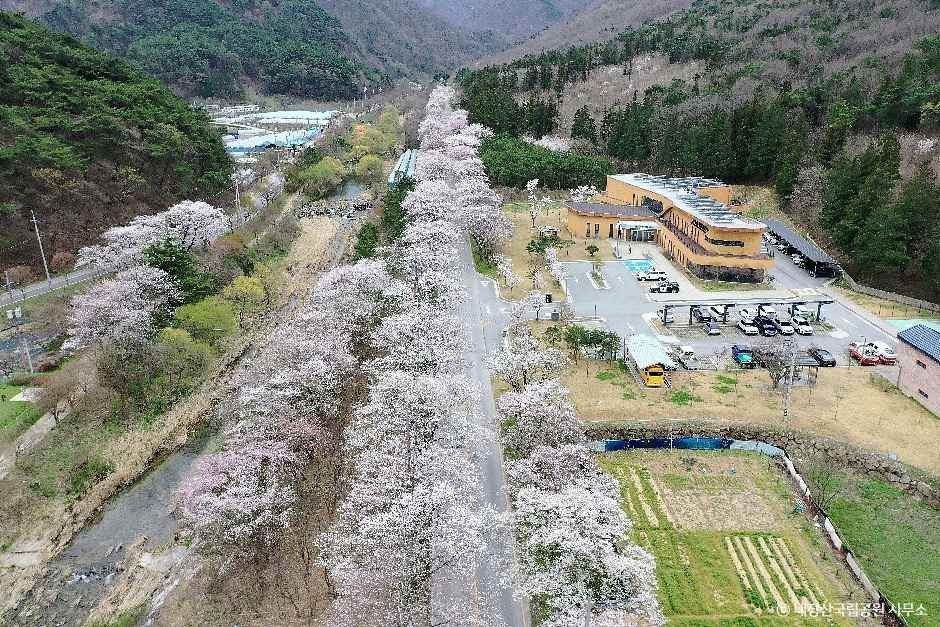
Naejangsan National Park (Autumn Foliage)
내장산국립공원Naejangsan National Park (Autumn Foliage), Jeongeup, Jeonbuk, South Korea
Naejangsan National Park is South Korea’s undisputed autumn foliage wonderland, renowned for its vivid crimson baby-leaf maples, the fairy-tale Uhwajeong water pavilion, soaring ridge cable car, an...
Morning (around 09:30-10:00)
Details→
Muju Deogyusan National Park (Hyangjeokbong)
무주 덕유산 향적봉Muju Deogyusan National Park (Hyangjeokbong), Muju, Jeonbuk, South Korea
Muju Deogyusan National Park features Hyangjeokbong Peak (1,614m), South Korea’s fourth-highest summit, famed for effortless sightseeing gondola access, surreal winter rime ice snowscapes on ancien...
Morning (around 09:30-10:00)
Details→