Jeju•Nature•Scenic Nature Spot
Manjanggul Lava Tube Cave (UNESCO)
만장굴
Powered by Korea Tourism OrganizationAddress: Manjanggul Lava Tube Cave (UNESCO), Jeju, South Korea (제주특별자치도 제주시 구좌읍 만장굴길 182 (김녕리 만장굴))
Editorial review pending

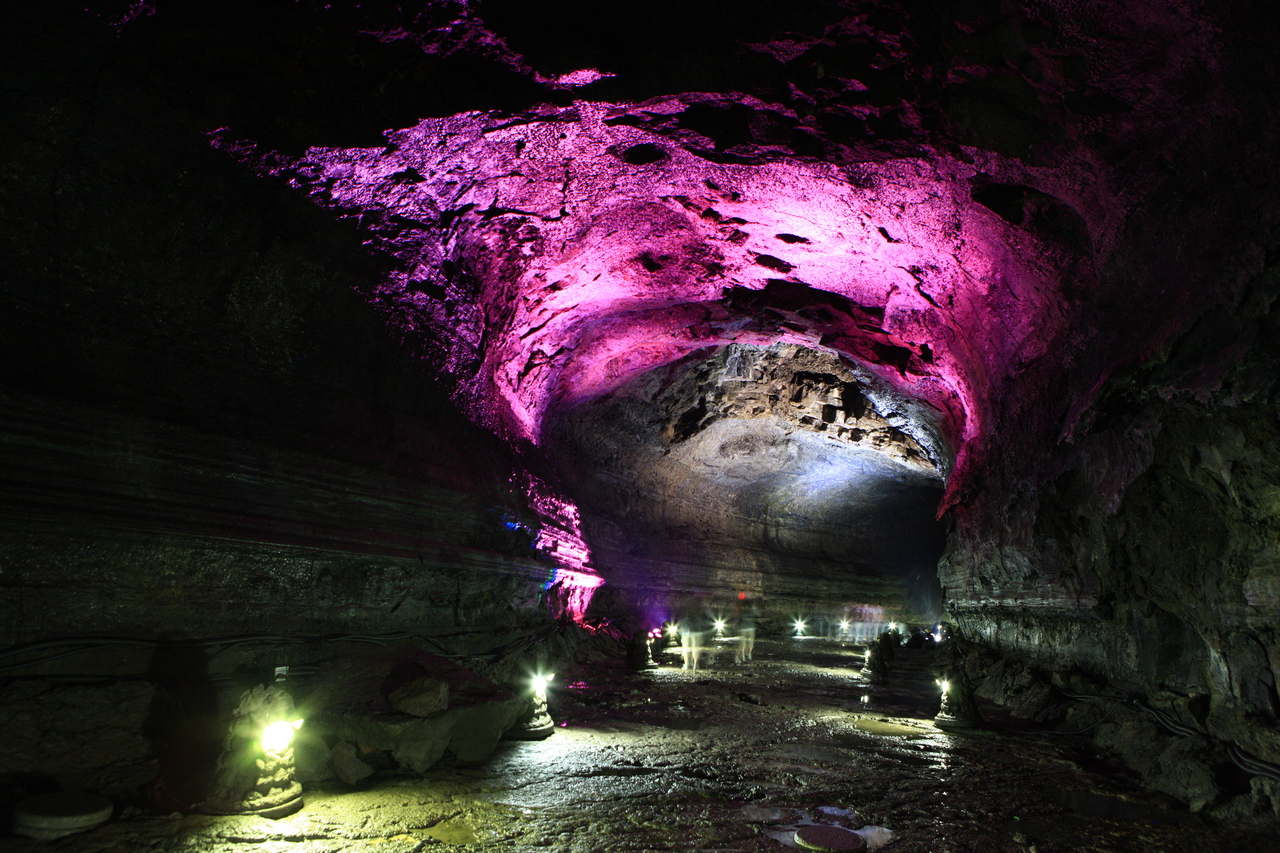
Manjanggul Lava Tube Cave (UNESCO) representative scenic panoramaZoom


+1More
1 / 6
Manjanggul Lava Tube Cave (UNESCO) representative scenic panorama
Curator's Guide & Overview
Comprehensive Guide1. Historical Origins & Cultural Background
Manjanggul Lava Tube Cave, located in Gujwa-eup on the northeastern coast of Jeju Island, is a crowning jewel of the UNESCO World Natural Heritage site 'Jeju Volcanic Island and Lava Tubes' and designated South Korean Natural Monument No. 98. Formed approximately 200,000 to 300,000 years ago when fiery basaltic magma erupted from the Geomunoreum parasitic cone and flowed toward the sea, the outer crust of the molten lava cooled and solidified upon contact with the atmosphere, while the blazing superheated interior continued to flow out, leaving behind a colossal subterranean volcanic tunnel system. Measuring roughly 7.4 kilometers in total surveyed length, up to 18 meters wide, and 23 meters high, Manjanggul is globally acclaimed by speleologists for its pristine preservation and monumental scale.
2. Architectural Highlights & Key Structures
While the delicate multi-level master cave system spans over 7 kilometers with three separate natural entrances, the general public is granted access to a carefully lit 1-kilometer section extending southward from Entrance No. 2. Walking along the cavern floor, visitors discover an open-air museum of volcanic subterranean geology: multi-tiered lava benches showing ancient flow levels, delicate lava stalactites (hanging rock icicles dripping from the ceiling), lava stalagmites rising from the floor, and the famous 'Turtle Rock' (Geobukbawi)—a fallen block of ceiling rock shaped miraculously like Jeju Island that became enveloped in molten lava like a petrified stone tortoise. The grand climax at the end of the public walkway is the colossal Lava Column (Lava Stone Pillar)—a monolithic 7.6-meter-high pillar of frozen lava formed when superheated magma breached a hole in the ceiling and cascaded to the floor, officially recognized as the largest known lava column in the world.
3. Four Seasons Landscape & Seasonal Visiting Charms
Manjanggul provides a dramatically unique microclimatic experience across all four seasons. Due to its thick volcanic basalt roof and subterranean depth, the interior temperature remains remarkably constant year-round between 11°C and 15°C (52°F to 59°F), with high humidity of 80% to 95%. In the blistering heat of summer (July to August), stepping into the mouth of the cave feels like walking into an underground natural air-conditioned sanctuary (wearing a jacket is essential). In the freezing winds of winter (December to February), the cave feels surprisingly warm and gentle compared to the coastal chill outside. During the rainy season, cool droplets of mineral water drip rhythmically from the cavern ceiling onto the volcanic rocks below.
4. Operating Hours & Peak Viewing Times
The cave is open daily year-round from 09:00 to 18:00 (last admission tickets sold at 17:00). Manjanggul is closed on the first Wednesday of every month for ecological monitoring and facility inspection. Walking the 1-kilometer public cave trail to the World Record Lava Column and returning back to the entrance involves a 2-kilometer round trip across natural basalt stone, taking roughly 50 to 70 minutes at a comfortable walking pace. The optimal visiting time is mid-morning (09:30 to 11:30) or late afternoon, allowing visitors to combine the subterranean cave exploration with nearby above-ground UNESCO attractions like Bijarim Forest or Gimnyeong Beach.
5. Admission Fees & Concessions (Youth/Foreigner Discounts)
Admission to Manjanggul Cave is 4,000 KRW for adults, 2,000 KRW for teenagers and active military personnel, and 2,000 KRW for children aged 7 to 12 (free for children under 6 and seniors aged 65+). Sprawling paved parking lots at the visitor center are completely free of charge.
6. Public Transit & Subway Exit Directions
From Jeju International Airport or Jeju Intercity Bus Terminal, board East Coast Express Bus 101 or Local Bus 201 to the Manjanggul Entrance (Manjanggul Ipgu) bus stop on Iljudong-ro (approx. 50 minutes). From the highway stop, transfer to local Feeder Bus 711-1 directly into the cave parking plaza, or take a quick 3-minute taxi (approx. 4,500 KRW). If driving a rental car, take Route 97 (Beonyeong-ro) east and connect via Bijarim-ro; the drive takes approximately 40 minutes from downtown Jeju City.
7. Barrier-Free Accessibility & Visitor Amenities
Due to strict UNESCO World Heritage preservation mandates, the interior cavern floor of Manjanggul has been preserved in its raw, natural volcanic state. The walking surface consists of uneven, jagged basalt boulders, cool stone slabs, and damp volcanic gravel. Descending into Entrance No. 2 requires negotiating a steep, 80-step metal staircase. Therefore, the cave interior is unfortunately inaccessible to wheelchairs, motorized carts, and strollers. Visitors with limited mobility, back problems, or knee difficulties should exercise great caution. The outdoor park grounds, ticket office, and visitor exhibition hall are fully paved and barrier-free, with accessible public restrooms located at the entrance plaza.
8. Recommended Walking Route & Highlights Tour
Recommended 1.5-Hour Subterranean Wonder & Lava Column Circuit: Arrive at the Manjanggul Visitor Plaza and browse the outdoor geological exhibits explaining the Geomunoreum lava tube system → Descend the steep metal staircase into the cool, dark subterranean entrance of Entrance No. 2, feeling the instant drop in temperature → Walk along the soft indirect pathway lighting, admiring the multi-layered lava flow lines etched into the towering cave walls → Pause at the famous 'Turtle Rock' (Geobukbawi) to photograph the petrified volcanic tortoise that mirrors the shape of Jeju Island → Touch the cool basalt walls and observe the delicate lava stalactites dangling overhead → Reach the end of the public tunnel to behold the illuminated 7.6-meter World Record Lava Column soaring to the ceiling → Rest on the viewing benches soaking in the ancient geological stillness → Walk the 1-kilometer path back to the entrance staircase → Ascend back into the warm sunlight and enjoy fresh Jeju Hallabong juice or sweet carrot cake at the park cafe.
9. Local Food Specialties & Regional Flavors
The surrounding Gujwa-eup district is celebrated as South Korea’s carrot capital. Savor Gujwa Danggeun-ppang (artisanal sweet carrot bread), freshly cold-pressed Gujwa carrot juice, and carrot chiffon cakes. Along the nearby coastal villages of Gimnyeong and Woljeong-ri, indulge in freshly caught Godeung-eo Hoe (raw mackerel sashimi sliced to order), Bomal Kalguksu (handmade knife-cut noodles in rich green sea snail broth), and tender grilled abalone.
10. Dietary Options (Vegetarian, Halal & Allergen Guide)
Vegetarians can enjoy nutritious dining in the Gujwa countryside: sample vegetable bibimbap, crispy vegetable pancakes, sweet pumpkin soup, and acorn jelly salad at village restaurants. Gujwa sweet carrot cakes, fresh carrot juice, and Jeju mandarin pastries provide delicious plant-based snacks. Halal and pescatarian travelers can savor fresh raw mackerel sashimi, abalone porridge, grilled hairtail fish, and rich sea snail noodle soup (Bomal Kalguksu), with zero pork broths or meat products.
11. Signature Photo Spots & Golden Hour Lighting
Signature photographic perspectives: a wide-angle illuminated shot of the towering 7.6-meter Lava Column glowing under soft spotlights against the dark basalt ceiling (Manjanggul’s supreme signature photograph); capturing the distinctive tortoise-shell silhouette of the volcanic Turtle Rock (Geobukbawi); looking down the cavern corridor as indirect ground lights cast mysterious, elongated shadows along the curving lava flow lines; and capturing the dramatic contrast of lush green ferns clinging to the sunlit rock walls of the cave entrance portal.
12. Visitor Etiquette & Cultural Property Regulations
Subterranean conservation rules: Manjanggul is a fragile UNESCO World Heritage treasure and sanctuary for endangered bent-wing bats. Do not touch, scratch, or chip off lava stalactites, stalagmites, or cave wall formations. Never write graffiti on volcanic rock surfaces. Flash photography on wildlife is restricted. Stay strictly on the illuminated wooden boardwalk and stone paths; do not jump over safety railings into dark crevices. Food, drinks (other than bottled water), and pets are strictly prohibited inside the cavern. Smoking is forbidden everywhere.
13. Safety Precautions & 1330 Tourism Hotline Support
The cavern floor is naturally damp, uneven, and slippery from dripping mineral water; wearing sturdy walking sneakers with rubber grip soles is strictly required (high heels, dress shoes, and thin flip-flops are dangerous and strongly discouraged). Because the interior temperature is a chilly 11°C to 15°C year-round, bring a light windbreaker or warm cardigan, even in the middle of summer. For facility status and guided tour inquiries, call the Manjanggul Management Office at 064-710-7903 or dial 1330.
14. Nearby Connected Attractions & Walking Links
Nearby attractions: explore the ancient 800-year-old forest of Bijarim (PLACE-JEJU-011); visit the Jeju World Natural Heritage Center at Geomunoreum; relax on the white sands of Gimnyeong Beach; or drive 10 minutes east to the trendy seaside cafes of Woljeong-ri Beach.
15. Frequently Asked Questions (FAQ)
Q: How was the massive 7.6-meter Lava Column formed? A: Hundreds of thousands of years ago, a multi-level subterranean lava system existed above Manjanggul; extremely hot, molten basaltic lava in the upper chamber burned through a fissure in the rock ceiling and poured down like an incandescent molten waterfall into the lower cavern, cooling and solidifying as it accumulated until it bridged the floor to the ceiling, forming the largest intact volcanic lava pillar on Earth. Q: Why are bats not visible in the public section of the cave? A: Manjanggul is home to Korea’s largest colony of over 30,000 common bent-wing bats (Miniopterus schreibersii); however, to protect them from light and human noise, the bats roost deep inside the unlit, restricted non-public sections beyond Entrance No. 1 and Entrance No. 3, ensuring their natural habitat remains completely undisturbed.
16. Regional Extended Day Trip Itinerary
Manjanggul UNESCO Volcanic Wonders Half-Day Tour: Morning bus or drive from Jeju City to Gujwa-eup → Arrive at Manjanggul Cave plaza and descend the historic stone entrance → Walk the 1-kilometer illuminated underground lava tunnel past the Turtle Rock → Stand in awe before the 7.6-meter World Record Lava Column → Ascend back into the fresh air and enjoy freshly pressed Gujwa sweet carrot juice → Drive 10 minutes south to walk the tranquil nutmeg tree paths of Bijarim Ancient Forest → Seaside lunch in Woljeong-ri enjoying fresh Bomal Kalguksu (sea snail noodles) and mackerel sashimi overlooking emerald ocean waters.
Essential Visitor Facts
Operating Hours
Open daily 09:00 - 18:00 (last entry 17:00); Closed on the first Wednesday of every month; Internal temperature remains constant at 11-15°C year-round (warm jacket required even in summer).
Admission / Price
Admission: Adults 4,000 KRW, Youth/Active Military 2,000 KRW, Children 2,000 KRW (free for children under 6 and seniors aged 65+); Parking is free.
Closed Days
Open 365 Days
Best Time to Visit
Morning (around 09:30-10:00)
Transit & Access Directions
From Jeju Intercity Bus Terminal or Jeju Airport, take Express Bus 101 or Local Bus 201 to Manjanggul Entrance stop (approx. 50 minutes), then transfer to local feeder Bus 711-1 or take a 3-minute taxi to the ticket office.
Accessibility & Special Amenities
Wheelchair ramps, tactile paving, accessible restrooms
Location Coordinates
Latitude: 33.5284
Longitude: 126.7716
Discover Themes & Highlights
Key interest areas and cultural highlights:
#manjanggul-lava-tube#VisitJeju#KoreaTravelAtlas
Community Traveler Reviews0 Reviews
Visitor tips, feedback, and questions submitted by real travelers.
No community reviews submitted yet. Be the first traveler to share your experience!
Connected Cultural Destinations
Handpicked nearby attractions and regional cultural highlights.

Daegwallyeong Highland Sheep Farm
대관령 양떼목장Daegwallyeong Highland Sheep Farm, Pyeongchang, Gangwon, South Korea
Daegwallyeong Highland Sheep Farm is South Korea’s iconic alpine pastoral paradise, situated at an altitude of 850 meters on the Baekdudaegan mountain ridge in Pyeongchang, featuring rolling green ...
Morning (around 09:30-10:00)
Details→
Seongsan Ilchulbong Peak (UNESCO)
성산일출봉Seongsan Ilchulbong Peak (UNESCO), Jeju, South Korea
Seongsan Ilchulbong Peak is an iconic UNESCO World Natural Heritage volcanic tuff cone rising 182 meters directly from the eastern sea of Jeju Island. Formed through explosive hydrovolcanic eruptio...
Morning (around 09:30-10:00)
Details→
Hallasan National Park (Baengnokdam Crater)
한라산국립공원 (백록담)Hallasan National Park (Baengnokdam Crater), Jeju, South Korea
Hallasan National Park is South Korea’s supreme volcanic crown and highest mountain (1,947m), a UNESCO World Natural Heritage site renowned for the mythical Baengnokdam crater lake, ancient subalpi...
Morning (around 09:30-10:00)
Details→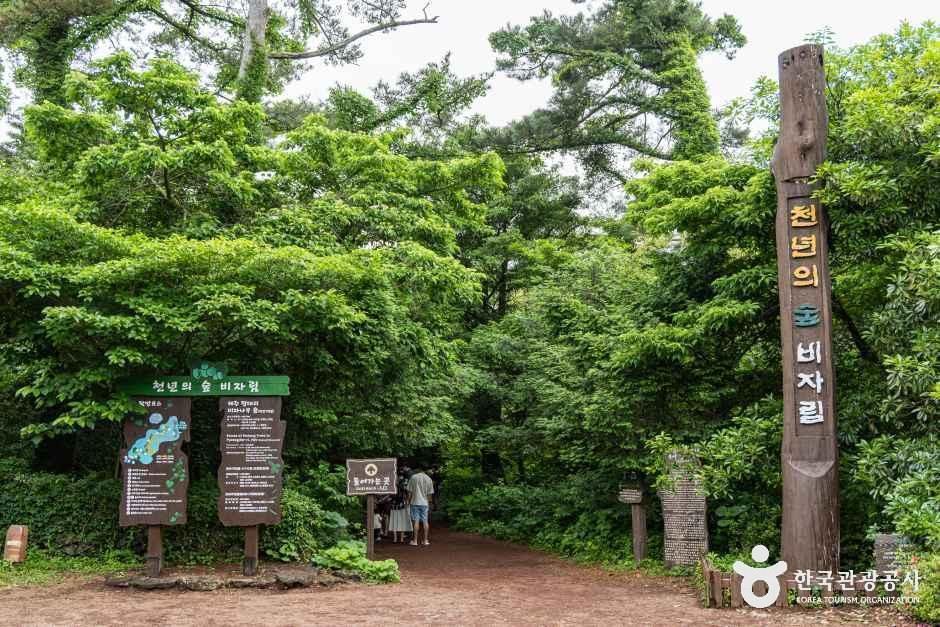
Bijarim Ancient Nutmeg Tree Forest
비자림Bijarim Ancient Nutmeg Tree Forest, Jeju, South Korea
Bijarim is South Korea’s primeval millennial evergreen sanctuary and Natural Monument No. 374, preserving the world’s largest single-species forest of over 2,800 ancient nutmeg trees (Torreya nucif...
Morning (around 09:30-10:00)
Details→