Jeju•Seogwipo•Nature•Garden & Forest
Camellia Hill Arboretum
카멜리아힐
Powered by Korea Tourism OrganizationAddress: Camellia Hill Arboretum, Seogwipo, Jeju, South Korea (제주특별자치도 서귀포시 안덕면 병악로 166 (카멜리아힐))
Editorial review pending

Camellia Hill Arboretum representative scenic panoramaZoom


+1More
1 / 6
Camellia Hill Arboretum representative scenic panorama
Curator's Guide & Overview
Comprehensive Guide1. Historical Origins & Cultural Background
Camellia Hill Arboretum, situated in the peaceful volcanic foothills of Sangchang-ri, Andeok-myeon in southwestern Seogwipo, is East Asia’s largest private botanical park dedicated to the genus Camellia. Sprawling across an expansive 198,000 square meters (roughly 60 acres) of indigenous Gotjawal volcanic woodland, this breathtaking sanctuary was lovingly cultivated over three decades by passionate horticulturists. Today, it preserves more than 6,000 individual camellia trees representing over 500 distinct botanical species, cultivars, and wild varieties collected from 80 countries worldwide—including Europe, Japan, China, the United States, and native Korean mountain camellias (Dongbaek-namu).
2. Architectural Highlights & Key Structures
The arboretum is systematically designed into a sequence of enchanting themed botanical gardens interconnected by winding stone paths, romantic fabric banners with poetic Korean affirmations, and traditional Jeju thatched-roof pavilions. Visitors embark on a continuous floral journey through the Autumn & Winter Camellia Forest, the Western Camellia Garden, the Ancient Native Camellia Tunnel, and the Wildflower Garden. In the heart of the park lies a serene lotus pond (Waryongyeon) reflecting curved wooden bridges and towering palm trees, flanked by two expansive glasshouse greenhouses—the Camellia Flower Cafe and the Glass Conservatory—overflowing with blooming orchids, exotic succulents, and fragrant citrus trees. Modern open-air art installations and mirror sculptures blend gracefully with native volcanic rock walls, creating a photography paradise.
3. Four Seasons Landscape & Seasonal Visiting Charms
Camellia Hill is celebrated as one of Jeju’s premier four-season floral wonderlands. Winter (November to March) is the supreme headline season: hundreds of thousands of crimson, magenta, blush-pink, and snow-white camellia blossoms explode in succession, dropping soft velvety petals onto the dark volcanic stone paths to create Korea’s most famous 'Red Carpet Camellia Trails'. Spring (April to May) brings fragrant native azaleas, vibrant cherry blossoms, and lush green tea terraces. Summer (June to August) transforms the entire arboretum into a magical fairy tale of cool blue, violet, and pastel-pink Hydrangeas (Suguk), celebrated during the annual Camellia Hill Hydrangea Festival. Autumn (September to October) envelops the upper eco-meadows in dreamy waves of pastel-pink muhly grass and shimmering silver pampas grass against the backdrop of Mount Sanbangsan.
4. Operating Hours & Peak Viewing Times
The park is open daily year-round with seasonal operating hours: Winter (December to February) operates from 08:30 to 18:00 (ticketing closes at 17:00); Spring and Autumn (March to May, September to November) operate from 08:30 to 18:30; and Summer (June to August) operates from 08:30 to 19:00. The optimal visiting time is morning between 09:00 and 11:30, when soft morning light illuminates the dewy flower petals and crowds are light, or late afternoon from 15:30 to 17:30 for warm golden-hour photography. Plan roughly 1.5 to 2.5 hours to leisurely walk the complete 2-kilometer garden trail, take photos, and relax in the greenhouse cafe.
5. Admission Fees & Concessions (Youth/Foreigner Discounts)
Standard walk-in admission is 10,000 KRW for adults, 8,000 KRW for teenagers, and 7,000 KRW for children aged 3 to 12 (free for infants under 36 months). Purchasing advance mobile vouchers online typically offers discounted rates around 8,500 KRW. Large paved parking lots at the entrance gate are completely free of charge.
6. Public Transit & Subway Exit Directions
From Jeju International Airport, board Southwest Express Bus 151 or 152 to the Donggwang Transit Center (Donggwang Hwanseung Center) in approximately 40 minutes. From the transit hub, transfer to Local Feeder Bus 752-1 or Tourism Circular Bus 820-2 and alight directly at the Camellia Hill bus stop (approx. 5 minutes). A taxi from Jeju Airport takes approximately 35 minutes (approx. 25,000 to 30,000 KRW). Driving a rental car along Route 1135 (Pyeonghwa-ro) takes roughly 35 minutes from downtown Jeju City.
7. Barrier-Free Accessibility & Visitor Amenities
Camellia Hill was consciously developed with universal accessibility in mind. The primary 2-kilometer garden circuit is wide, paved with smooth volcanic stone pavers and packed earth, and features gentle ramps that bypass traditional stone stairs. This allows standard strollers and manual or electric wheelchairs to navigate approximately 85% of the arboretum's gardens, greenhouses, and rest areas with ease. Accessible public restrooms equipped with wide doors and grab bars are located at the ticket entrance, central cafe plaza, and exit village. Free manual wheelchairs and strollers are available on a first-come, first-served basis at the customer ticket office.
8. Recommended Walking Route & Highlights Tour
Recommended 2-Hour Floral Dream & Photo Trail Circuit: Enter through the Camellia Entrance and walk into the Winter Camellia Garden, admiring the first clusters of vibrant pink petals → Walk through the romantic Camellia Tunnel beneath the dense canopy of glossy green leaves and blooming red flowers, reading the poetic cloth banners → Pose beneath the famous hanging lightbulb installation on the forest pathway → Cross the wooden bridge over Waryongyeon Pond to admire the swimming koi fish → Step inside the sunlit Glasshouse Greenhouse Cafe to admire exotic potted camellias and enjoy a fragrant Camellia Blossom Tea or iced Hallabong latte → Stroll through the traditional Jeju Thatched Cottage Village and the Secret Garden → Explore the expansive Autumn Meadow featuring fluffy pink muhly grass and silver pampas grass overlooking Mount Sanbangsan → Browse the gift shop for cold-pressed camellia face oil and artisan flower soaps before departing.
9. Local Food Specialties & Regional Flavors
Culinary treats at Camellia Hill celebrate the aromatic properties of native camellia blossoms and Jeju citrus. At the park’s Glasshouse Cafe, sip organic Camellia Flower Herbal Tea (Dongbaek Kkot-cha)—steeped from pure dried red camellia petals to yield a delicate ruby-red broth with subtle floral sweetness. Savor artisan Dongbaek Macarons, Camellia Blossom Bread filled with sweet red-bean paste, and iced Hallabong citrus spritzers. In nearby Andeok village, feast on authentic Jeju Black Pork barbecue, warm pheasant buckwheat noodles, and comforting abalone porridge.
10. Dietary Options (Vegetarian, Halal & Allergen Guide)
Vegetarians will find delightful plant-based options at the arboretum’s cafes: enjoy organic camellia herbal tea, freshly brewed drip coffees, Jeju mandarin smoothies, sweet red bean pastries, and vegan fruit sorbets. Nearby village restaurants in Andeok serve fresh vegetable bibimbap, crispy potato pancakes, and savory braised tofu stews. Halal and pescatarian travelers can savor rich seafood hot pots, grilled tilefish, and abalone porridge at local coastal restaurants in nearby Sagye-ri and Jungmun.
11. Signature Photo Spots & Golden Hour Lighting
Signature photographic perspectives: standing on the dark stone path covered in fallen velvet-red camellia petals under the arched branches of the Camellia Tunnel (the definitive Camellia Hill winter photo); sitting on the wooden bench beneath the white fabric banner reading 'You are my brightest flower' in Korean; framing a portrait in the outdoor pink muhly grass fields with the bell-shaped dome of Mount Sanbangsan rising in the distance; and posing among colossal pastel-blue hydrangea clusters during the summer festival.
12. Visitor Etiquette & Cultural Property Regulations
Arboretum etiquette: Camellia Hill is a living botanical sanctuary. Never pick camellia blossoms from the trees or break flower branches. Do not step off marked pathways into flower beds to take photos. Do not touch or lean heavily against vintage textile banners and outdoor art installations. Pets are permitted only if kept on a short leash (under 8kg) with waste bags. Commercial filming or drone photography requires prior management approval. Smoking is strictly prohibited throughout the botanical grounds.
13. Safety Precautions & 1330 Tourism Hotline Support
Wear comfortable walking sneakers, as the complete circuit spans roughly 2 kilometers of garden paths. Because camellias bloom successively from late autumn through early spring, check which zones are in peak bloom on the park’s official social media before visiting. For bloom updates and group inquiries, contact the Camellia Hill Information Desk at 064-792-0088 or dial 1330.
14. Nearby Connected Attractions & Walking Links
Nearby attractions: visit the modern Osulloc Tea Museum and green tea fields (PLACE-JEJU-010) located 10 minutes west; explore the prehistoric volcanic dome of Sanbangsan and Yongmeori Coast (PLACE-JEJU-014); or visit the Jungmun Tourist Complex and Daepo Jusangjeolli (PLACE-JEJU-005).
15. Frequently Asked Questions (FAQ)
Q: When is the best time to see the camellias in full bloom? A: Because Camellia Hill cultivates over 500 species from different world regions, the bloom season is remarkably long: early autumn camellias (Sasanqua) begin blooming in late October, native winter camellias (Dongbaek) peak from December through January creating magnificent red carpets of fallen petals, and Western camellia cultivars continue blooming brightly through late March and April. Q: What makes the camellia flower culturally special in Jeju? A: In Jeju culture, the native red camellia (Dongbaek) is revered for its resilient beauty, blooming proudly in the freezing snow when all other flora is dormant; culturally, its dramatic drop—where the entire flower head falls intact to the ground while still in prime bloom—has also become a poignant symbol of remembrance for the victims of the historical Jeju April 3rd Incident.
16. Regional Extended Day Trip Itinerary
Camellia Hill & Southwestern Jeju Floral Day Tour: Morning bus or drive from Jeju City to Andeok-myeon → Arrive at Camellia Hill to walk the 2-kilometer camellia petal trails and greenhouses → Sip organic camellia blossom tea at the glasshouse cafe → Drive 10 minutes west to Osulloc Tea Museum to walk the green tea plantations and taste green tea roll cake → Lunch savoring authentic Jeju black pork barbecue in Andeok → Afternoon visit to the volcanic dome of Sanbangsan and the coastal sea cliffs of Yongmeori Coast → Sunset coffee overlooking the Pacific Ocean before returning.
Essential Visitor Facts
Operating Hours
Open daily year-round: Winter (Dec-Feb) 08:30 - 18:00 (last entry 17:00); Spring/Autumn (Mar-May, Sep-Nov) 08:30 - 18:30; Summer (Jun-Aug) 08:30 - 19:00.
Admission / Price
Admission: Adults 10,000 KRW, Youth 8,000 KRW, Children 7,000 KRW (online discounted tickets available for 8,500 KRW); Free parking.
Closed Days
Open 365 Days
Best Time to Visit
Morning (around 09:30-10:00)
Transit & Access Directions
From Jeju Airport, take Express Bus 151 or 152 to Donggwang Transit Center (approx. 40 minutes), then transfer to Feeder Bus 752-1 or 820-2 directly to Camellia Hill stop (approx. 5 minutes).
Accessibility & Special Amenities
Wheelchair ramps, tactile paving, accessible restrooms
Location Coordinates
Latitude: 33.2895
Longitude: 126.3685
Discover Themes & Highlights
Key interest areas and cultural highlights:
#camellia-hill-arboretum#VisitJeju#KoreaTravelAtlas
Community Traveler Reviews0 Reviews
Visitor tips, feedback, and questions submitted by real travelers.
No community reviews submitted yet. Be the first traveler to share your experience!
Connected Cultural Destinations
Handpicked nearby attractions and regional cultural highlights.
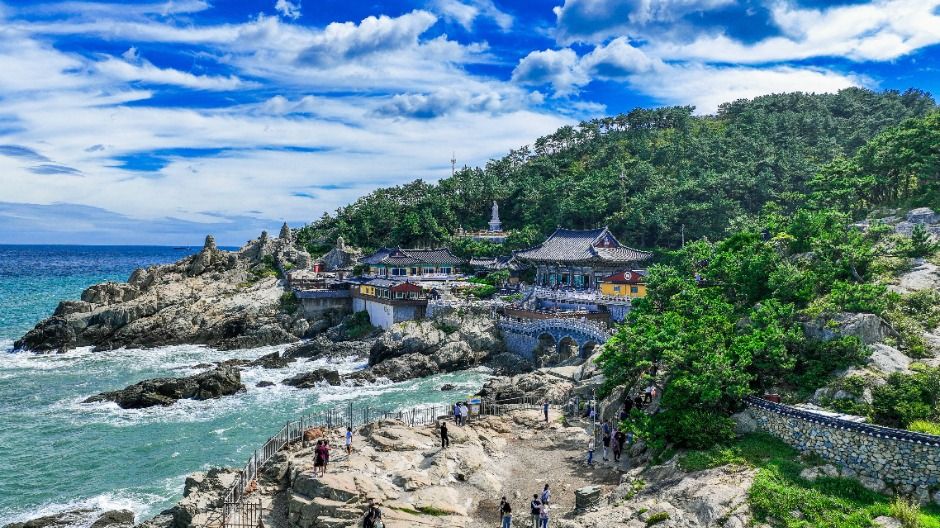
Haedong Yonggungsa Temple
해동용궁사86 Yonggung-gil, Gijang-eup, Gijang-gun, Busan
Haedong Yonggungsa Temple, perched dramatically on rugged oceanfront cliffs in Gijang, Busan, is one of South Korea's rare and magnificent seaside Buddhist sanctuaries. Founded in 1376 by Great Mas...
HalalMorning (around 09:30-10:00)
Details→
Osulloc Tea Museum & Seogwang Tea Fields
오설록 티뮤지엄Osulloc Tea Museum & Seogwang Tea Fields, Seogwipo, Jeju, South Korea
Osulloc Tea Museum is South Korea’s premier tea cultural sanctuary and lush organic oasis in Seogwipo, showcasing endless emerald green tea plantations, traditional tea roasting pavilions, the mini...
Morning (around 09:30-10:00)
Details→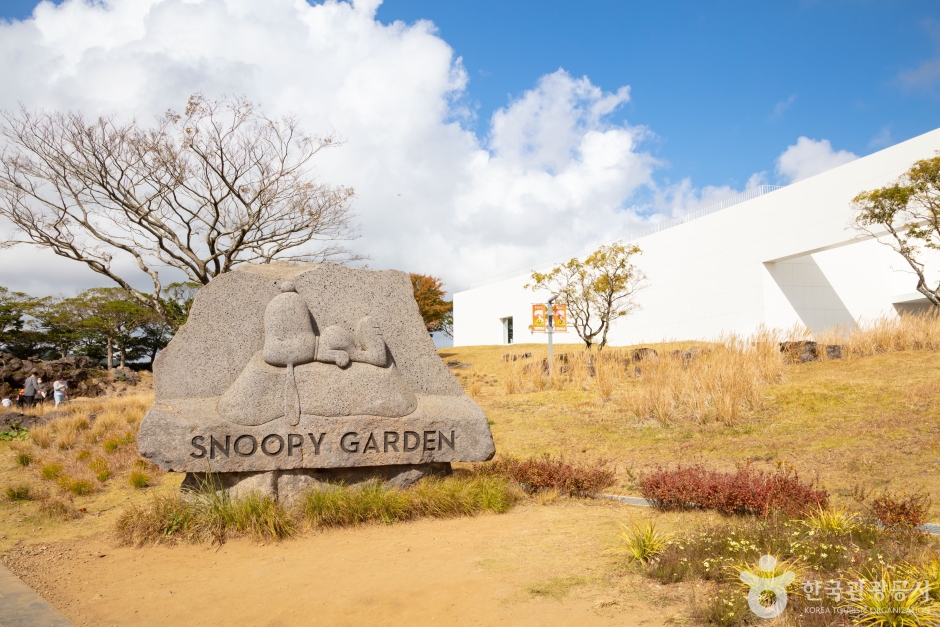
Snoopy Garden Nature Reserve
스누피가든Snoopy Garden Nature Reserve, Jeju, South Korea
Snoopy Garden is Jeju’s world-renowned 83,000-square-meter eco-thematic sanctuary in Songdang-ri, harmonizing Charles M. Schulz’s Peanuts comic philosophy with native Gotjawal volcanic woodlands, f...
Morning (around 09:30-10:00)
Details→
Sanbangsan Mountain & Yongmeori Coast
산방산 및 용머리해안Sanbangsan Mountain & Yongmeori Coast, Seogwipo, Jeju, South Korea
Sanbangsan Mountain & Yongmeori Coast in southwestern Seogwipo form a million-year-old geological wonder, pairing a colossal 395-meter bell-shaped volcanic dome containing the sacred Sanbanggulsa c...
Morning (around 09:30-10:00)
Details→