Jeonnam•Yeosu•Heritage•Buddhist Temple
Yeosu Hyangiram Ocean Hermitage
여수 향일암
Powered by Korea Tourism OrganizationAddress: Yeosu Hyangiram Ocean Hermitage, Yeosu, Jeonnam, South Korea (전라남도 여수시 돌산읍 향일암로 60 (율림리))
Editorial review pending

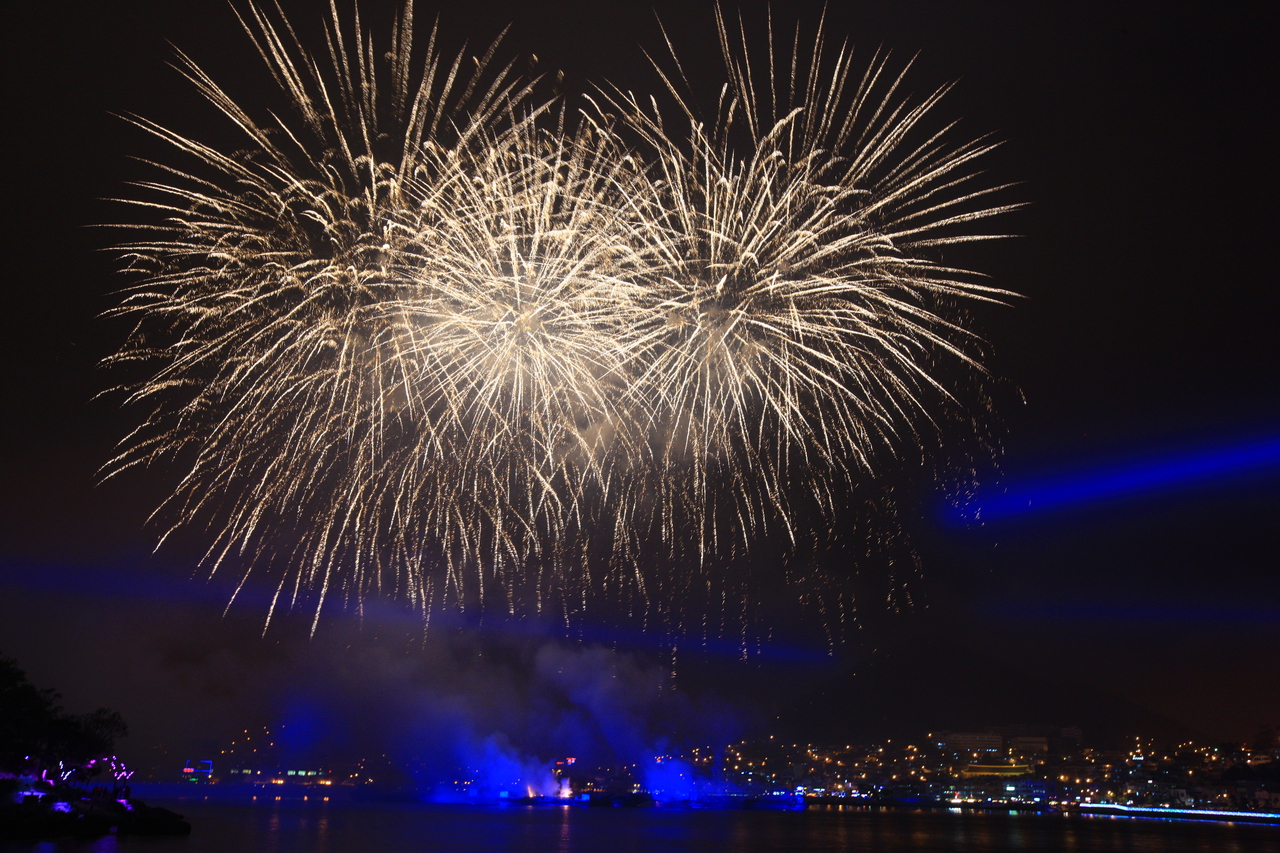
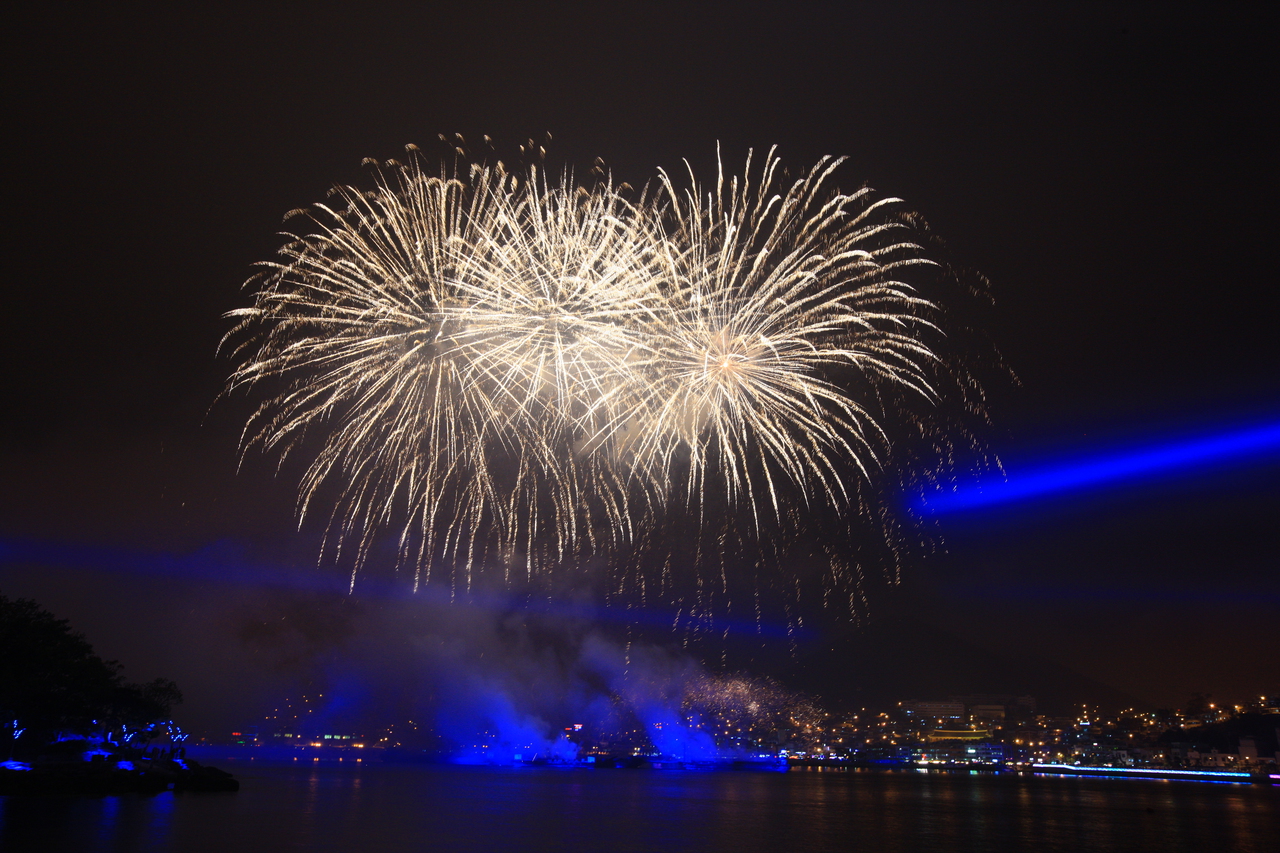
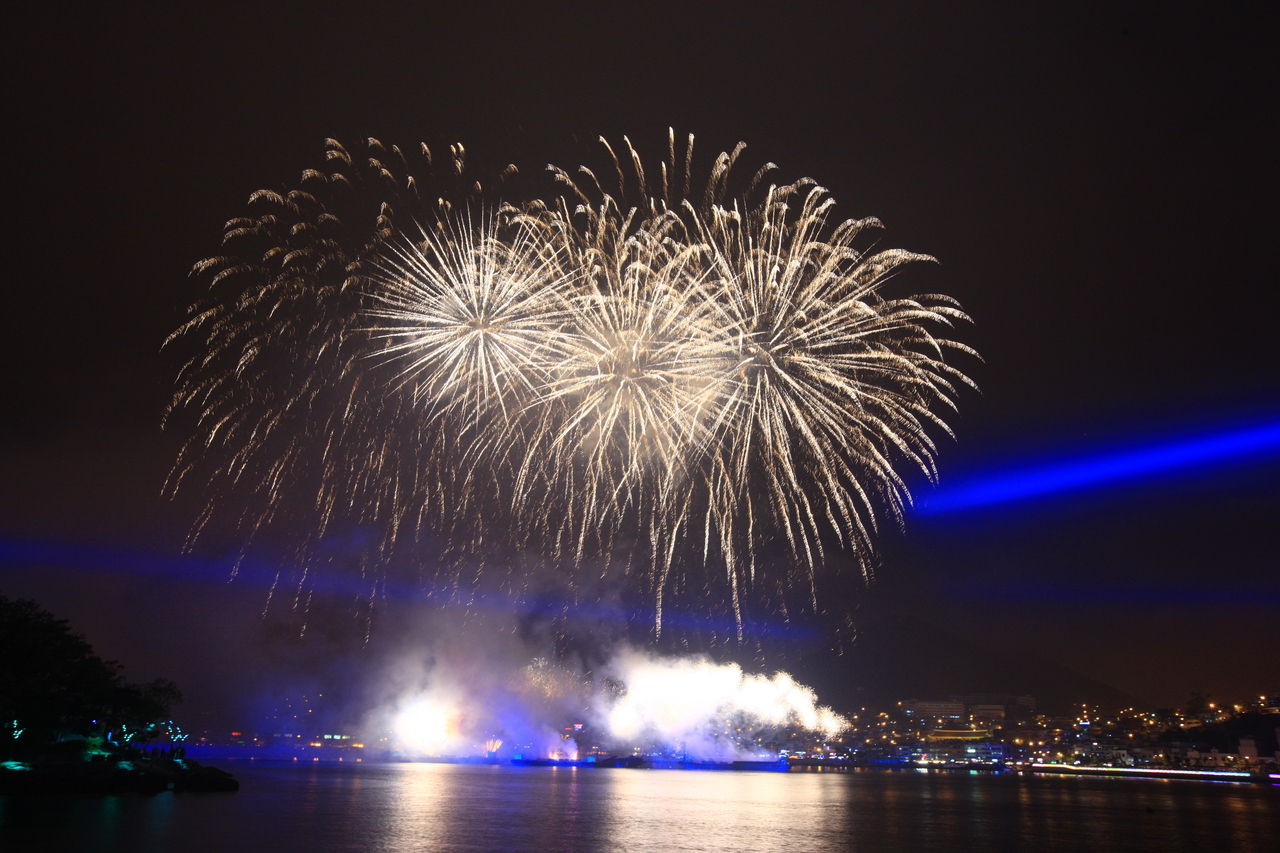
Yeosu Hyangiram Ocean Hermitage representative scenic panoramaZoom

+1More
1 / 6
Yeosu Hyangiram Ocean Hermitage representative scenic panorama
Curator's Guide & Overview
Comprehensive Guide1. Historical Origins & Cultural Background
Perched precariously upon the dizzying seaside precipices of Mount Geumosan at the southernmost tip of Dolsan Island, Yeosu Hyangiram is one of South Korea’s four supreme Avalokitesvara (Gwaneum) Bodhisattva prayer sanctuaries. Founded in 659 AD during the reign of King Uija of Baekje by the great Silla Monk Wonhyo (who originally christened it Wontongam), the hermitage was renamed 'Hyangiram'—literally meaning 'Hermitage Facing the Sun'—by Joseon Royal Monk Inmuk in 1715 in tribute to its sublime morning panorama, where the golden sun ascends directly out of the sapphire waters of the South Sea.
2. Architectural Highlights & Key Structures
Mount Geumosan takes its name from its uncanny geomantic resemblance to a colossal golden sea turtle (Geumo) swimming out into the Pacific Ocean, with the hexagonal rock joints resembling turtle shell armor. Hyangiram’s spiritual and architectural journey is world-famous: to reach the prayer halls, pilgrims must squeeze in single file through seven narrow, soaring natural rock clefts (Haetalmun) carved into vertical cliff fissures. Buddhist lore promises that anyone who passes through all seven stone gates will have a single heartfelt wish fulfilled. Within the cliff terraces, thousands of small carved granite turtles wear red prayer beads and gaze silently across the boundless ocean horizon.
3. Four Seasons Landscape & Seasonal Visiting Charms
Spring brings refreshing ocean winds and blooming wild camellias along the steep stone staircases, alongside the colorful Yeosu Hyangiram Sunrise Festival. Summer offers dazzling blue sea vistas from the open wooden terrace of the Main Buddha Hall, where the sound of wooden temple bells (Moktak) mingles with breaking ocean surf. Autumn treats pilgrims to crisp coastal clarity, with golden morning light illuminating the craggy cliff ramparts. Winter is the pinnacle of spiritual pilgrimage: on New Year’s Eve and January 1st, tens of thousands gather on the sheer cliffs to welcome the first sunrise of the new year, praying for prosperity as the scarlet sun pierces the winter sea horizon.
4. Operating Hours & Peak Viewing Times
The temple gates open early at 04:00 daily to accommodate dawn sunrise pilgrims and close at 20:00 (illuminated after dusk). The best time to visit is either pre-dawn (05:30 to 07:00) to witness the sunrise, or late afternoon (16:00 to 18:00) when the setting sun bathes the sea rocks in deep bronze. Expect a vigorous 15-to-20-minute uphill climb from the parking lot up the steep stairs or paved slope.
5. Admission Fees & Concessions (Youth/Foreigner Discounts)
Following cultural heritage reforms, admission to Hyangiram is completely free of charge. Public parking at the base in Impo Village is free for the first hour and costs a nominal 200 KRW per 10 minutes thereafter.
6. Public Transit & Subway Exit Directions
From Seoul, take the KTX directly to KTX Yeosu Expo Station (approx. 2 hours 50 minutes to 3 hours 10 minutes). From the bus stops outside the station, board local City Bus 111, 111-1, or 116 directly to the Impo (Hyangiram) Terminal (approx. 50 to 60 minutes, departing every 30 to 40 minutes). The bus ride provides a scenic coastal journey down the entire length of Dolsan Island. A taxi from Yeosu city center takes about 40 minutes and costs approximately 32,000 to 36,000 KRW.
7. Barrier-Free Accessibility & Visitor Amenities
Due to its location suspended on vertical sea cliffs, Hyangiram involves a steep 15-minute ascent featuring either 291 stone stairs or a steep paved vehicle switchback road, followed by narrow single-file rock fissures. Consequently, the upper temple terraces are not accessible to wheelchairs or strollers. Visitors with limited mobility can enjoy panoramic ocean views and delicious seafood dining at the lower Impo Harbor plaza. Accessible restrooms are located at the lower Impo bus terminal and parking pavilion.
8. Recommended Walking Route & Highlights Tour
Recommended 2.5-Hour Cliff Pilgrimage Route: Arrive at Impo Village and begin the ascent past traditional Dolsan Gat-kimchi stalls → Choose the stone stairway path and pause to photograph the three 'Wise Monkey' stone statues (Hear No Evil, Speak No Evil, See No Evil) → Squeeze through the soaring natural stone chasm of Haetalmun (Gate of Deliverance) → Emerge onto the cliff terrace of Daeungjeon (Main Hall) overlooking the vast South Sea → Touch the nose of the stone dragon carving and inspect the thousands of miniature granite sea turtles → Climb through the upper rock crevice to Gwaneumjeon (Goddess of Mercy Hall) perched on the highest rock spur → Walk down the paved path and enjoy freshly pan-fried seafood pancakes at Impo market.
9. Local Food Specialties & Regional Flavors
The approach village of Impo is world-famous as the home of Dolsan Gat-kimchi. Savor freshly prepared Gat-kimchi (spicy, peppery mustard leaf kimchi made with regional sea salt and fermented anchovy sauce), crispy Haemul Pajeon (scallion seafood pancakes packed with local squid and shrimp), Dongbaek-dongdongju (sweet rice wine infused with camellia blossoms), and hearty Gwangeo Maeuntang (spicy rockfish stew).
10. Dietary Options (Vegetarian, Halal & Allergen Guide)
Vegetarians will find satisfying mountain and coastal temple cuisine at the base: savory Nokdujeon (mung bean pancakes), Dotorimuk-muchim (acorn jelly salad), Deodeok-gui (grilled seasoned codonopsis root), and Sanchae Bibimbap. Refreshing snacks include honeyed camellia tea, roasted dried persimmons, and sweet pumpkin sikhye. Halal visitors can comfortably enjoy all seafood pajeon, vegetarian bibimbap, grilled local fish, and sweet teas.
11. Signature Photo Spots & Golden Hour Lighting
Top photo spots: standing inside the narrow, soaring vertical rock chasm of Haetalmun looking toward the light at the tunnel exit, close-ups of the small stone turtles wearing prayer beads overlooking the blue ocean from the cliff terrace, panoramic landscape shots from Gwaneumjeon framing the curved roof eaves suspended over the boundless South Sea, and the magical moment the red sun rises out of the ocean at dawn.
12. Visitor Etiquette & Cultural Property Regulations
Hyangiram is an active Buddhist holy sanctuary and one of Korea’s most sacred prayer shrines. Maintain quiet reverence within the prayer halls; do not speak loudly or take flash photos of praying worshipers. Watch your step inside the rock clefts, as natural stone floors can be damp and uneven. Do not litter, write graffiti on cliff faces, or disturb prayer items. Smoking is strictly prohibited throughout the entire mountain.
13. Safety Precautions & 1330 Tourism Hotline Support
Sturdy walking shoes or hiking sneakers with good grip are absolutely essential for climbing the steep stone steps and rock chasms. Dress warmly in winter and early morning, as coastal winds on the cliff edges are fierce. For prayer schedules and temple status, call the Hyangiram Office at 061-644-4742 or dial 1330.
14. Nearby Connected Attractions & Walking Links
Combine your trip with a stop at Dolsan Park and the Yeosu Marine Cable Car (PLACE-JEONNAM-002), located 35 minutes to the north, or relax at the pristine white pebble beach of Musulmok Beach along the coastal highway.
15. Frequently Asked Questions (FAQ)
Q: What is the significance of the seven rock chasms? A: According to local temple belief, the seven natural narrow rock clefts represent the seven gates of spiritual cleansing; squeezing through all seven requires humility (bowing one's head and body) and grants the granting of one's deepest prayer. Q: Why are there so many turtle statues? A: Mount Geumosan is geomantically shaped like a giant turtle swimming out to sea; carved turtles symbolize longevity, ocean protection, and carry pilgrims' prayers for prosperity into the heavens.
16. Regional Extended Day Trip Itinerary
Yeosu Ocean Hermitage & Coastal Pilgrimage Day Tour: Early morning KTX to Yeosu Expo Station → City Bus 111 or taxi to Impo Harbor → Climb through the 7 mystical rock chasms of Hyangiram → Pray at Gwaneumjeon overlooking the open South Sea → Free tasting of authentic Dolsan Gat-kimchi in the market street → Seafood Pajeon and Maeuntang lunch → Return toward Yeosu city center → Ride the Yeosu Marine Cable Car at Dolsan Park → Evening stroll around Romantic Pocha street → Return via KTX.
Essential Visitor Facts
Operating Hours
Daily 04:00 - 20:00 (Year-round; Temple gates open before dawn for sunrise pilgrimage; Night lighting until 20:00)
Admission / Price
Free admission (Cultural Heritage fee abolished); Parking at Impo Public Lot: 1 hour free, then 200 KRW per 10 mins
Closed Days
Closed on Mondays/Tuesdays
Best Time to Visit
Morning (around 09:30-10:00)
Transit & Access Directions
From KTX Yeosu Expo Station or Yeosu Intercity Terminal, take City Bus 111, 111-1, or 116 directly to Impo (Hyangiram) Terminal (approx. 50-60 mins, departs every 30-40 mins)
Accessibility & Special Amenities
Wheelchair ramps, tactile paving, accessible restrooms
Location Coordinates
Latitude: 34.5935
Longitude: 127.8012
Discover Themes & Highlights
Key interest areas and cultural highlights:
#yeosu-hyangiram-cliff-hermitage#VisitJeonnam#KoreaTravelAtlas
Community Traveler Reviews0 Reviews
Visitor tips, feedback, and questions submitted by real travelers.
No community reviews submitted yet. Be the first traveler to share your experience!
Connected Cultural Destinations
Handpicked nearby attractions and regional cultural highlights.
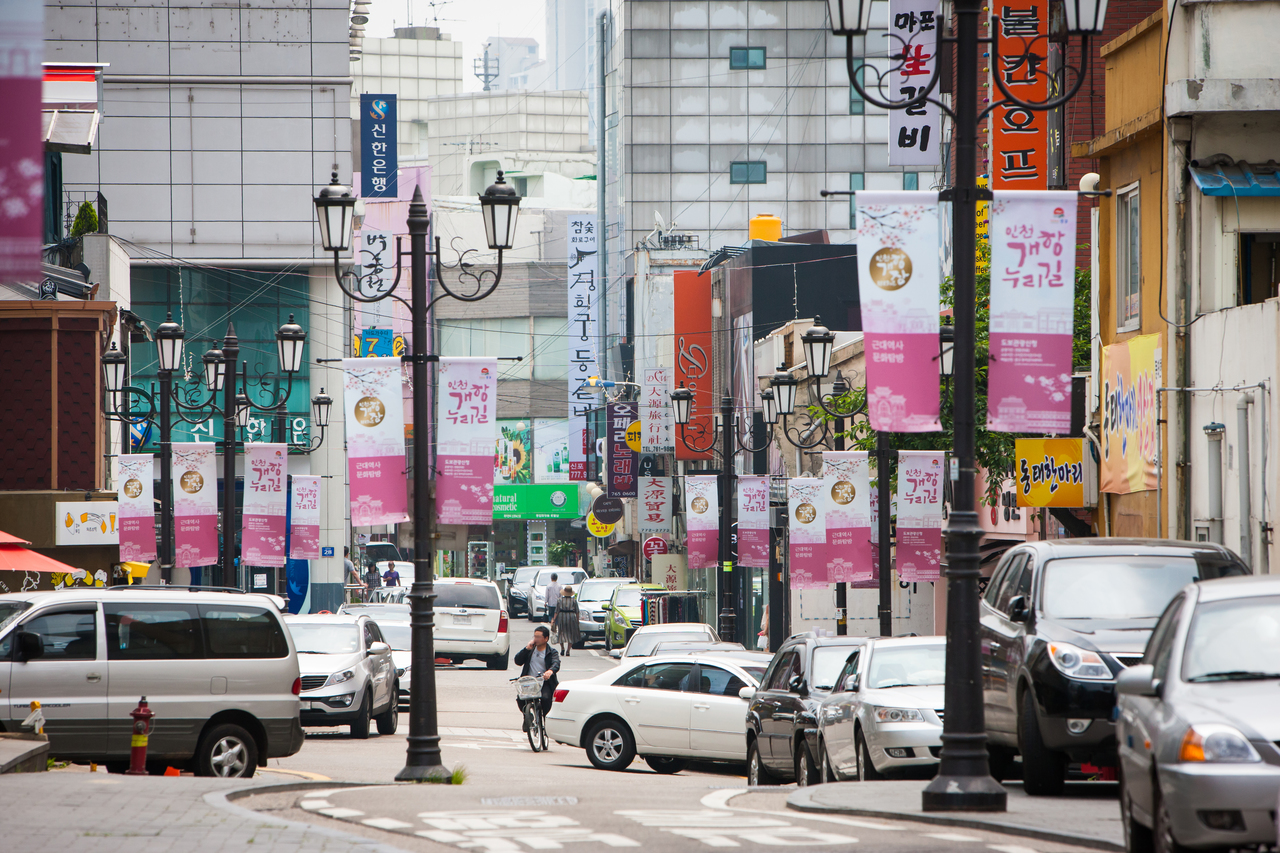
Incheon Open Port Modern History Street
인천 개항장 근대역사거리Incheon Open Port Modern History Street, Incheon, South Korea
Incheon Open Port Modern History Street preserves authentic late-nineteenth-century Western and Japanese consular bank buildings, red-brick art warehouses, and historical concession borders from th...
Morning (around 09:30-10:00)
Details→
Gyeongpodae Beach & Pavilion
강릉 경포대 및 경포해변Gyeongpodae Beach & Pavilion, Gangneung, Gangwon, South Korea
Gyeongpodae Beach & Historic Pavilion is Gangneung’s premier coastal sanctuary, pairing a 6-kilometer white sand beach on the East Sea with a celebrated 14th-century wooden pavilion overlooking a n...
Morning (around 09:30-10:00)
Details→
Yeosu Odongdo Island & Marine Cable Car
여수 오동도 및 해상케이블카Yeosu Odongdo Island & Marine Cable Car, Yeosu, Jeonnam, South Korea
Yeosu Odongdo Island and the Marine Cable Car form South Korea’s quintessential maritime spectacle, featuring an emerald islet carpeted with 3,000 crimson winter camellias and an exhilarating 1.5-k...
Morning (around 09:30-10:00)
Details→
Namhae Gacheon Daraengi Rice Terraces
남해 가천 다랭이마을Namhae Gacheon Daraengi Rice Terraces, Namhae, Gyeongnam, South Korea
Namhae Daraengi Village is South Korea’s iconic agrarian coastal masterpiece, designated as National Scenic Site No. 15, where over 100 tiers of terraced emerald rice paddies cascade down steep 45-...
Morning (around 09:30-10:00)
Details→