Incheon•Heritage•Historic Site
Incheon Open Port Modern History Street
인천 개항장 근대역사거리
Powered by Korea Tourism OrganizationAddress: Incheon Open Port Modern History Street, Incheon, South Korea (인천광역시 중구 신포로27번길 80 일원)
Editorial review pending
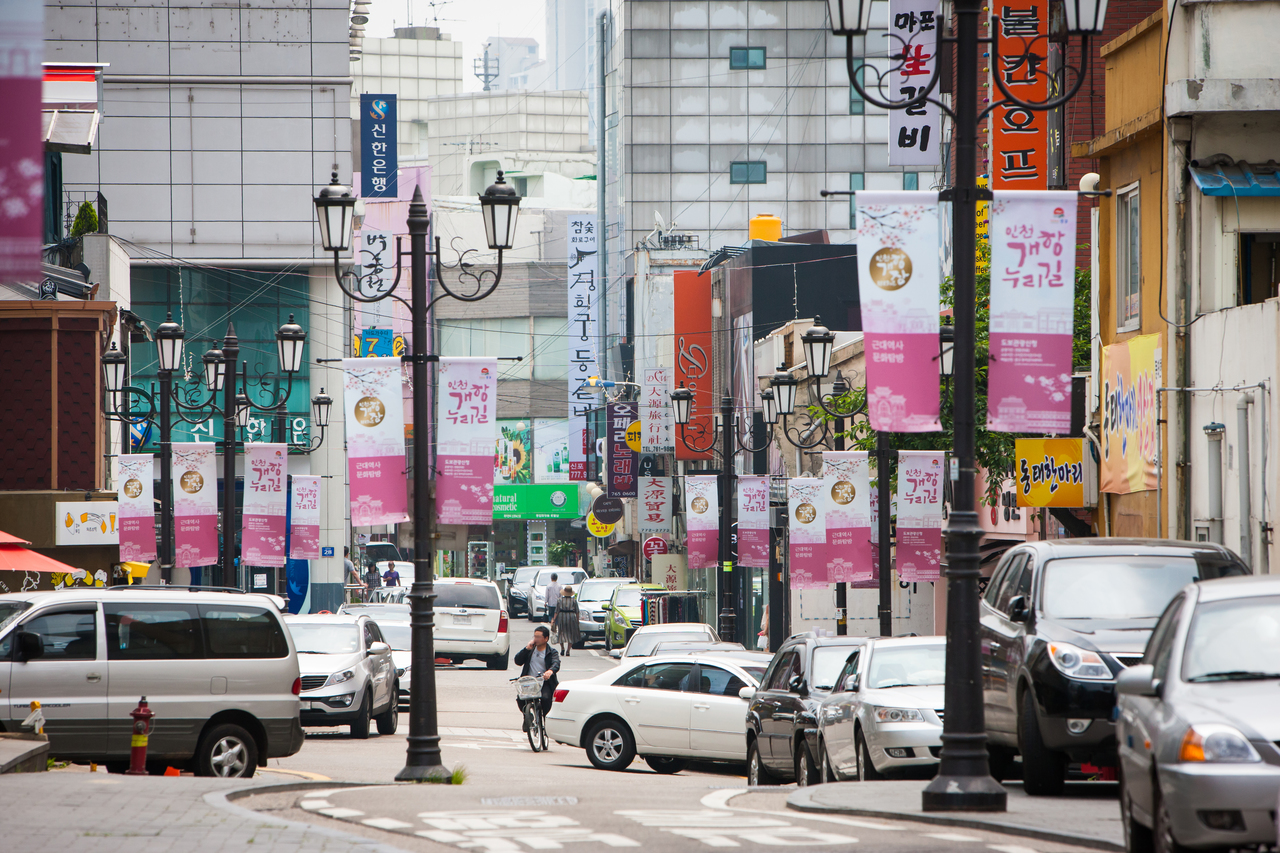
Incheon Open Port Modern History Street representative scenic panoramaZoom


+1More
1 / 6
Incheon Open Port Modern History Street representative scenic panorama
Curator's Guide & Overview
Comprehensive Guide1. Historical Origins & Cultural Background
Following the 1876 Treaty of Ganghwa and the formal opening of Incheon (Chemulpo) Port in 1883, this coastal quadrant was divided into exclusive foreign concessions (Jogye-ji) for Japan, Qing China, and Western powers. As the primary gateway for modern Western civilization, electricity, railways, and diplomacy in Korea, it has preserved exceptional nineteenth-century heritage.
2. Architectural Highlights & Key Structures
The architectural landscape features Renaissance-revival stone bank institutions, such as the former Japanese First Bank (now Incheon Open Port Museum) and Japanese Eighteenth Bank. The adjacent Incheon Art Platform thoughtfully repurposes thirteen 1930s red-brick shipping warehouses into vibrant artist studios and galleries, while the unique Qing-Japan Concession Boundary Stairway demarcates historical borders.
3. Four Seasons Landscape & Seasonal Visiting Charms
Spring brings soft pastel blossoms to historic courtyards. Summer evenings feature retro lantern strolls during the Open Port Night Heritage Festival. Autumn bathes red-brick warehouses and ginkgo trees in rich amber hues, while winter provides tranquil, reflective heritage walks.
4. Operating Hours & Peak Viewing Times
The historical boulevards are open 24 hours daily. The affiliated heritage museums (Open Port Museum, Modern Architecture Museum, Daebul Hotel Museum, and Jajangmyeon Museum) operate Tuesday through Sunday from 09:00 to 18:00 (last entry 17:30, closed Mondays).
5. Admission Fees & Concessions (Youth/Foreigner Discounts)
Walking along the streets is completely free. An integrated Open Port Heritage Museum Pass covering five premier museums (Open Port Museum, Modern Architecture Museum, Daebul Hotel Museum, Korean-Chinese Cultural Center, and Jajangmyeon Museum) costs an economical 3,400 KRW for adults.
6. Public Transit & Subway Exit Directions
Take Seoul Subway Line 1 or the Suin-Bundang Line to Incheon Station (Exit 1). Walk south along Jung-gu Office Road for 5 minutes (about 400 meters) to enter the core historic preservation avenue.
7. Barrier-Free Accessibility & Visitor Amenities
The preservation district features wide, smooth asphalt roadways and level brick sidewalks with low curbs, ensuring comfortable navigation for strollers and wheelchairs. All primary museums are equipped with wheelchair entry ramps and automated doors.
8. Recommended Walking Route & Highlights Tour
Incheon Station → visit Incheon Open Port Museum (former Japanese First Bank) → explore Incheon Modern Architecture Museum → climb the historic Qing-Japan Concession Boundary Staircase → tour Korea's first Western hotel museum (Daebul Hotel) → browse contemporary art at Incheon Art Platform.
9. Local Food Specialties & Regional Flavors
The district is famous for historical retro culinary specialties: cold drip coffees brewed in century-old timber shophouses (pot-r), savory Incheon hot buckwheat soba, castella sponge cakes, and hand-drip pourovers served in historic machiya-style cafe lounges.
10. Dietary Options (Vegetarian, Halal & Allergen Guide)
Several renovated timber teahouses serve organic green teas, persimmon cakes, sweet shaved red bean ice, and plant-based seasonal desserts. Traditional hand-rolled buckwheat noodles (soba) without meat broth offer a classic vegetarian alternative.
11. Signature Photo Spots & Golden Hour Lighting
Capture moody, cinematic architectural portraits in front of the rustic weathered red-brick facades of the Incheon Art Platform warehouses, or shoot down the Qing-Japan Concession Staircase where stone lanterns divide Chinese dragon carvings from Japanese lanterns.
12. Visitor Etiquette & Cultural Property Regulations
The stone museum buildings are protected state heritage properties; do not touch antique stone masonry or lean on fragile historic balustrades. Respect working artists in the Incheon Art Platform studios.
13. Safety Precautions & 1330 Tourism Hotline Support
The district is equipped with well-marked emergency posts. The Jung-gu Police Station and district medical center are within 200 meters. For English/Japanese translation and docent reservations, contact 1330.
14. Nearby Connected Attractions & Walking Links
Incheon Chinatown lies immediately adjacent to the north, Sinpo International Market sits 5 minutes east, and Wolmido Island is a 10-minute bus ride west.
15. Frequently Asked Questions (FAQ)
Q: What was the Daebul Hotel? A: Established in 1888 by merchant Hori Riki, Daebul Hotel was Korea's very first Western-style luxury hotel catering to arriving Western diplomats, missionaries, and traders travelling to Seoul.
16. Regional Extended Day Trip Itinerary
Morning visit to Incheon Open Port Museum and Daebul Hotel → retro pour-over coffee and castella at Cafe Pot-r → afternoon contemporary art viewing at Incheon Art Platform → street food banquet at Sinpo Market.
Essential Visitor Facts
Operating Hours
Open 24/7 (Museums typically 09:00 - 18:00, Closed Mondays)
Admission / Price
Free Street Walking (Integrated Museum Pass: 3,400 KRW for 5 museums)
Closed Days
Closed on Mondays/Tuesdays
Best Time to Visit
Morning (around 09:30-10:00)
Transit & Access Directions
Subway Line 1 Incheon Station Exit 1 (5 min walk south toward Open Port district)
Accessibility & Special Amenities
Wheelchair ramps, tactile paving, accessible restrooms
Location Coordinates
Latitude: 37.4735
Longitude: 126.6214
Discover Themes & Highlights
Key interest areas and cultural highlights:
#incheon-open-port-heritage#VisitIncheon#KoreaTravelAtlas
Community Traveler Reviews0 Reviews
Visitor tips, feedback, and questions submitted by real travelers.
No community reviews submitted yet. Be the first traveler to share your experience!
Connected Cultural Destinations
Handpicked nearby attractions and regional cultural highlights.

Songdo Central Park
송도 센트럴파크Songdo Central Park, Incheon, South Korea
Songdo Central Park is an avant-garde 400,000-square-meter urban oasis featuring Korea’s first seawater canal, futuristic architectural icons like the Tri-bowl, and moon-shaped electric leisure boats.
Morning (around 09:30-10:00)
Details→
Incheon Chinatown & Fairy Tale Village
인천 차이나타운 및 동화마을Incheon Chinatown & Fairy Tale Village, Incheon, South Korea
Incheon Chinatown is Korea’s premier historical Chinese community established in 1884, famous as the birthplace of black bean Jajangmyeon and seamlessly connected to the pastel murals of Songwol-do...
Morning (around 09:30-10:00)
Details→
Wolmido Island & Culture Street
월미도 문화의 거리Wolmido Island & Culture Street, Incheon, South Korea
Wolmido Culture Street is a lively coastal promenade overlooking Incheon Harbor, famous for the historic 1950 Incheon Landing site, pulsating amusement rides like the Disco Pang Pang, and ocean sun...
Morning (around 09:30-10:00)
Details→
Sinpo International Market
신포국제시장Sinpo International Market, Incheon, South Korea
Sinpo International Market is Incheon’s premier historic market dating back to the late nineteenth century, famous nationwide for its fiery sweet Dakgangjeong chicken, handmade dumplings, and hollo...
HalalMorning (around 09:30-10:00)
Details→