Incheon•Culture•Local Experience
Incheon Chinatown & Fairy Tale Village
인천 차이나타운 및 동화마을
Powered by Korea Tourism OrganizationAddress: Incheon Chinatown & Fairy Tale Village, Incheon, South Korea (인천광역시 중구 차이나타운로59번길 12 일원)
Editorial review pending
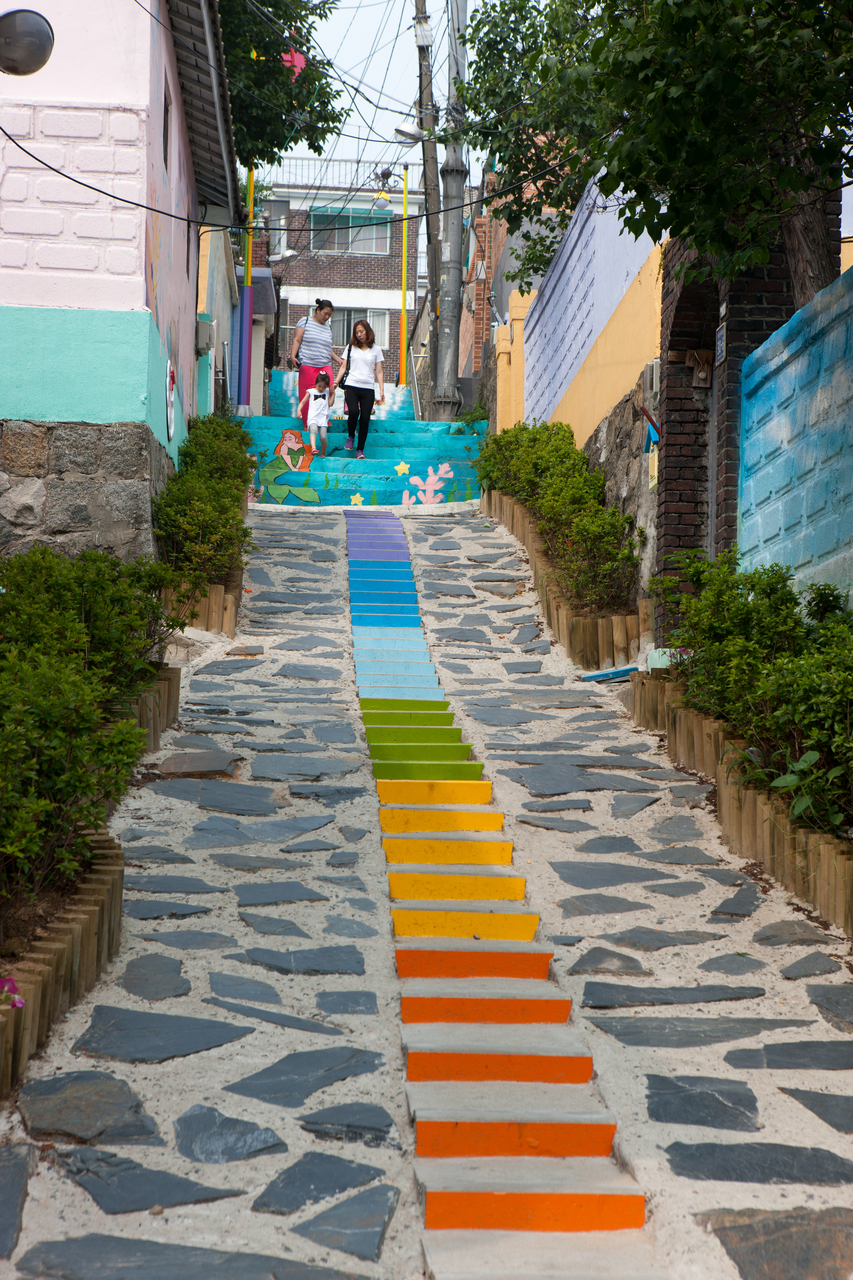
Incheon Chinatown & Fairy Tale Village representative scenic panoramaZoom


+1More
1 / 6
Incheon Chinatown & Fairy Tale Village representative scenic panorama
Curator's Guide & Overview
Comprehensive Guide1. Historical Origins & Cultural Background
Incheon Chinatown took root in 1884 when the Qing Dynasty designated an extraterritorial consular concession following the opening of Incheon Port. Chinese immigrants established commercial trade houses, schools, and eateries, creating a distinct ethnic enclave that has preserved Sino-Korean heritage and culinary innovation for over 140 years.
2. Architectural Highlights & Key Structures
The neighborhood is marked by four monumental Chinese Paeru gateways (Zhonghwa-mun, Seolin-mun, etc.) carved in marble and adorned with golden dragons. Traditional red-brick Chinese-style tile-roofed buildings line steep streets, decorated with red lanterns and a 150-meter ceramic tile mural illustrating the epic Romance of the Three Kingdoms.
3. Four Seasons Landscape & Seasonal Visiting Charms
Spring brings blooming cherry blossoms in adjacent Jayu (Freedom) Park. Summer evenings buzz with street carts selling Taiwanese castella and meat skewers. Autumn brings pleasant walking weather during the Incheon Chinatown Culture Festival, while winter lights up with red lanterns and Lunar New Year lion dances.
4. Operating Hours & Peak Viewing Times
The vibrant streetscapes and Songwol-dong Fairy Tale Village alleys are accessible 24 hours daily. Historic Chinese restaurants, bakeries, and museums operate from 10:00 to 21:30. Weekdays or weekend mornings before 12:00 allow for relaxed exploration before long restaurant queues form.
5. Admission Fees & Concessions (Youth/Foreigner Discounts)
Walking through Chinatown and Songwol-dong Fairy Tale Village is completely free. Admission to the Jajangmyeon Museum (housed inside the historic Gonghwachun restaurant building) is just 1,000 KRW for adults. Signature bowls of traditional or white Jajangmyeon range from 7,000 to 12,000 KRW.
6. Public Transit & Subway Exit Directions
Take Seoul Subway Line 1 or the Suin-Bundang Line to its western terminal at Incheon Station. Walk out Exit 1, cross the pedestrian crosswalk directly ahead, and you will stand before the towering Zhonghwa-mun Paeru gateway marking the entrance.
7. Barrier-Free Accessibility & Visitor Amenities
The main avenues are paved, but Chinatown sits on the steep western slope of Mount Eungbongsan, featuring several hilly inclines and stairways that require stamina. Songwol-dong Fairy Tale Village has ramped alley alternatives, though manual wheelchair pushing on slopes requires physical effort.
8. Recommended Walking Route & Highlights Tour
Arrive Incheon Station Exit 1 → pass through Zhonghwa-mun Paeru gateway → visit the Jajangmyeon Museum → savor lunch at an authentic Chinese restaurant → walk the Romance of the Three Kingdoms mural street → explore whimsical murals in Songwol-dong Fairy Tale Village → ascend into Jayu Park for harbor views.
9. Local Food Specialties & Regional Flavors
Savor authentic traditional black-bean Jajangmyeon and seafood Jjamppong, white Jajangmyeon fermented with soybean paste, crispy sweet-and-sour pork tangsuyuk, crispy baked clay-oven meat dumplings (onggi mandu), and sweet handmade red bean mooncakes.
10. Dietary Options (Vegetarian, Halal & Allergen Guide)
Numerous restaurants accommodate plant-forward diets with vegetarian vegetable Jajangmyeon (Chae-sik Jajang), tofu fried rice, and vegetable spring rolls. Street bakeries sell sweet egg tarts, sesame hollow breads (gonggalppang), and candied fruit skewers (tanghulu).
11. Signature Photo Spots & Golden Hour Lighting
Capture vibrant portraits against the grand red-and-gold Paeru gateways, pose beside giant Pinocchio and Cinderella sculptures in Songwol-dong Fairy Tale Village, or frame the dynamic 150-meter Three Kingdoms ceramic battle mural along the hillside.
12. Visitor Etiquette & Cultural Property Regulations
Songwol-dong Fairy Tale Village is an active residential community; maintain moderate noise levels and do not peer into private house windows. Takeout skewers and drink cups should be discarded in shop recycling bins.
13. Safety Precautions & 1330 Tourism Hotline Support
The street has multiple pedestrian crossings with warning beacons. The Incheon Jungbu Police Station and tourist police booth are located near Incheon Station. For English/Japanese translation and guidance, dial 1330.
14. Nearby Connected Attractions & Walking Links
The historical Incheon Open Port Modern History Street begins immediately south of Chinatown, and Jayu (Freedom) Park crowned by General Douglas MacArthur's statue sits atop the hillside staircase.
15. Frequently Asked Questions (FAQ)
Q: Where was Jajangmyeon invented? A: Jajangmyeon was popularized in Chinatown at the historic restaurant Gonghwachun in the early 1900s for dockworkers, now preserved as the official Jajangmyeon Museum.
16. Regional Extended Day Trip Itinerary
Morning tour of Incheon Chinatown and Jajangmyeon Museum → authentic dim sum and Jajangmyeon lunch → afternoon fairy-tale photography in Songwol-dong → historical walking tour of Incheon Open Port museums → sunset coffee overlooking the sea at Wolmido.
Essential Visitor Facts
Operating Hours
Open 24/7 (Restaurants and shops typically 10:00 - 21:30 daily)
Admission / Price
Free Street Admission (Jajangmyeon Museum: 1,000 KRW)
Closed Days
Open 365 Days
Best Time to Visit
Morning (around 09:30-10:00)
Transit & Access Directions
Subway Line 1 or Suin-Bundang Line Incheon Station Exit 1 (Across the street, 1 min walk)
Accessibility & Special Amenities
Wheelchair ramps, tactile paving, accessible restrooms
Location Coordinates
Latitude: 37.4754
Longitude: 126.6179
Discover Themes & Highlights
Key interest areas and cultural highlights:
#incheon-chinatown#VisitIncheon#KoreaTravelAtlas
Community Traveler Reviews0 Reviews
Visitor tips, feedback, and questions submitted by real travelers.
No community reviews submitted yet. Be the first traveler to share your experience!
Connected Cultural Destinations
Handpicked nearby attractions and regional cultural highlights.

Songdo Central Park
송도 센트럴파크Songdo Central Park, Incheon, South Korea
Songdo Central Park is an avant-garde 400,000-square-meter urban oasis featuring Korea’s first seawater canal, futuristic architectural icons like the Tri-bowl, and moon-shaped electric leisure boats.
Morning (around 09:30-10:00)
Details→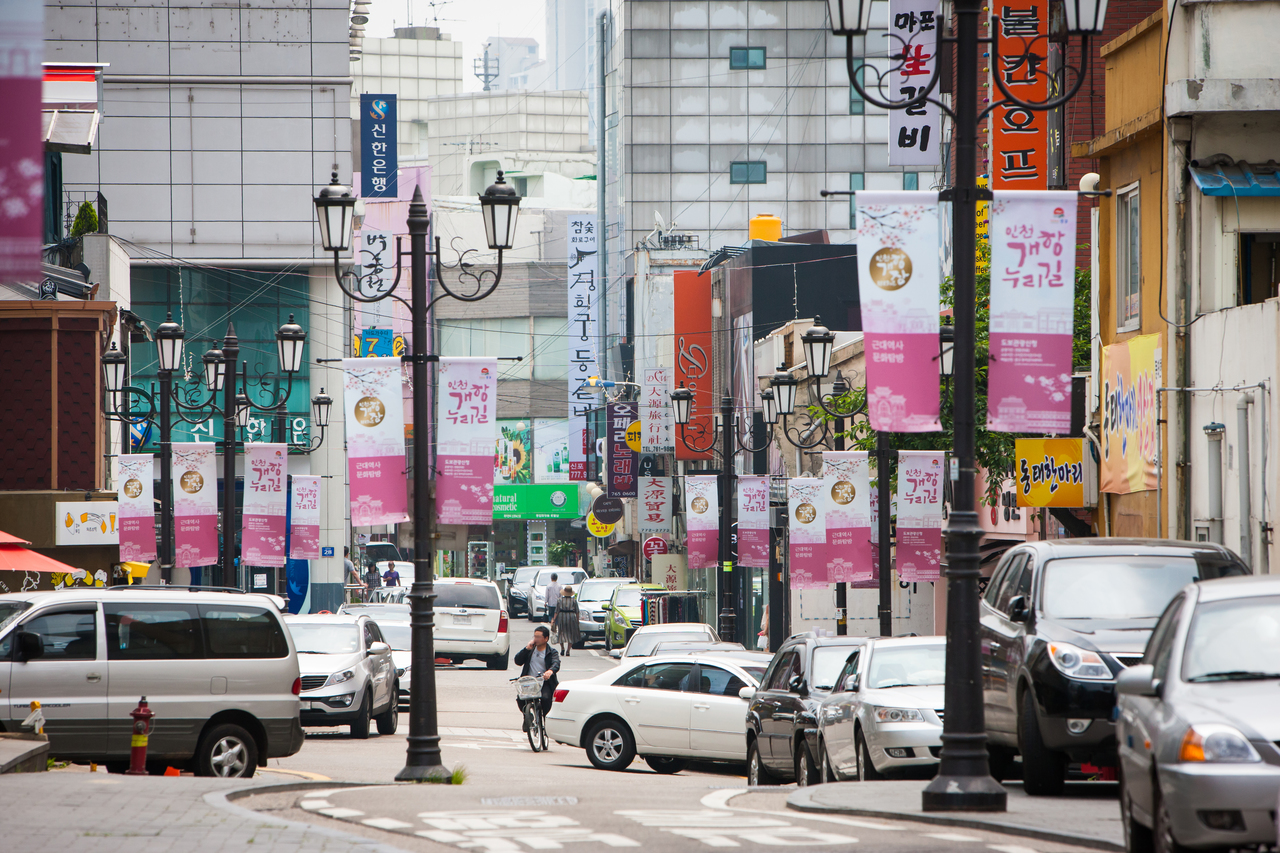
Incheon Open Port Modern History Street
인천 개항장 근대역사거리Incheon Open Port Modern History Street, Incheon, South Korea
Incheon Open Port Modern History Street preserves authentic late-nineteenth-century Western and Japanese consular bank buildings, red-brick art warehouses, and historical concession borders from th...
Morning (around 09:30-10:00)
Details→
Wolmido Island & Culture Street
월미도 문화의 거리Wolmido Island & Culture Street, Incheon, South Korea
Wolmido Culture Street is a lively coastal promenade overlooking Incheon Harbor, famous for the historic 1950 Incheon Landing site, pulsating amusement rides like the Disco Pang Pang, and ocean sun...
Morning (around 09:30-10:00)
Details→
Sinpo International Market
신포국제시장Sinpo International Market, Incheon, South Korea
Sinpo International Market is Incheon’s premier historic market dating back to the late nineteenth century, famous nationwide for its fiery sweet Dakgangjeong chicken, handmade dumplings, and hollo...
HalalMorning (around 09:30-10:00)
Details→