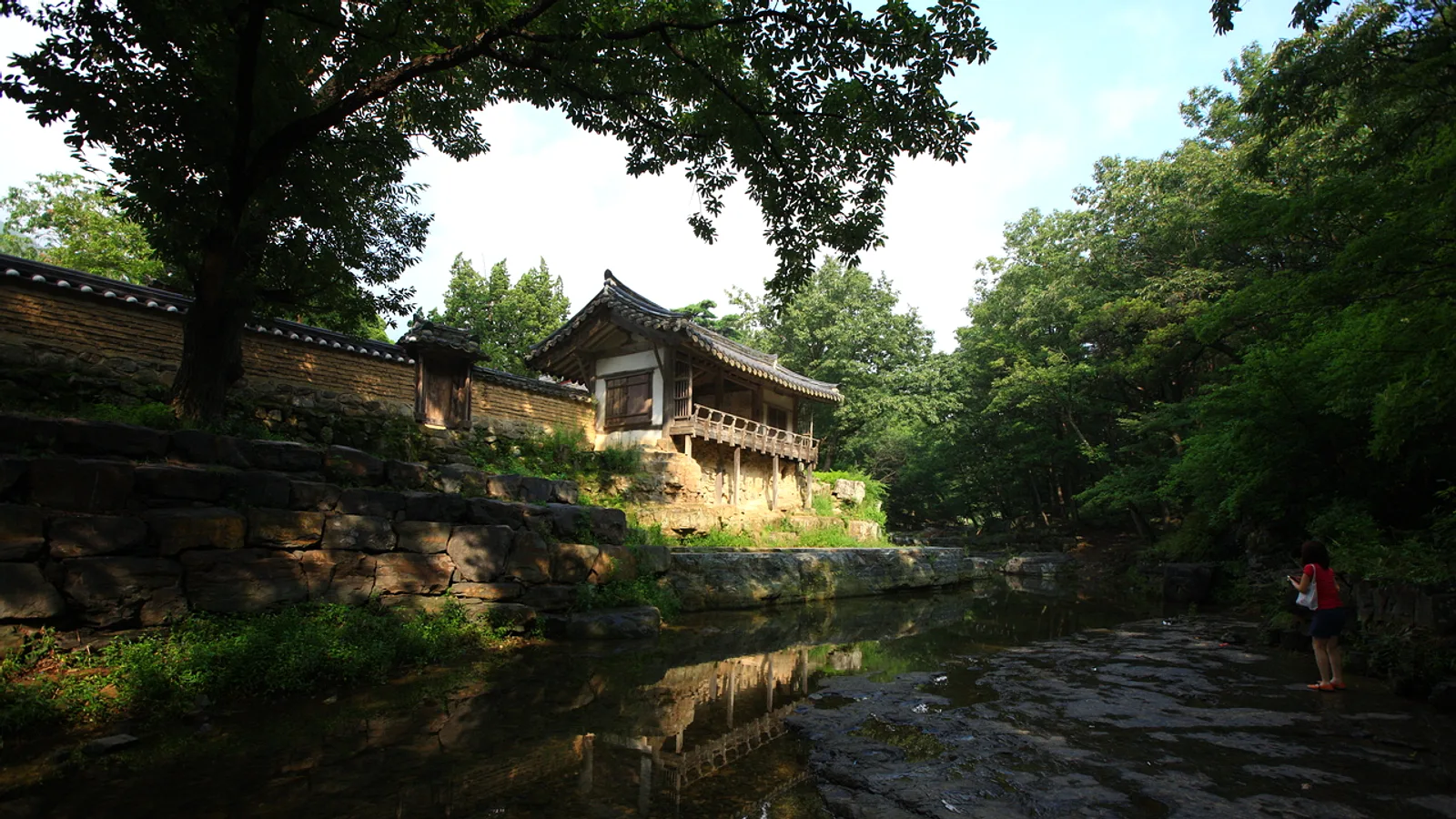
Most visitors to Gyeongju focus on the Silla-era tombs, temples and palace sites near the city centre. Yangdong Village and Oksan Seowon represent a later chapter: the Joseon dynasty, when Confucian scholar families shaped rural life. Both sites lie north of the downtown area, are quieter than the central attractions, and suit travellers who want a slower look at how Korean clan communities were organised. This guide explains what each site is, how to reach them, and how to behave in a village where people still live.
What Yangdong Village Is
Yangdong is a UNESCO-listed clan village associated with two families: the Wolseong Son and the Yeogang Yi. It is not a museum reconstruction or a theme park. The houses are real homes, and the village remains inhabited.
The layout reflects status and landscape. Tiled-roof houses of the aristocratic families stand higher on the hillsides, while thatched-roof houses sit lower down. Seeing both types in one walk gives a clear picture of the social order of the time, and of how the village was fitted into the slopes around it.
What Oksan Seowon Is
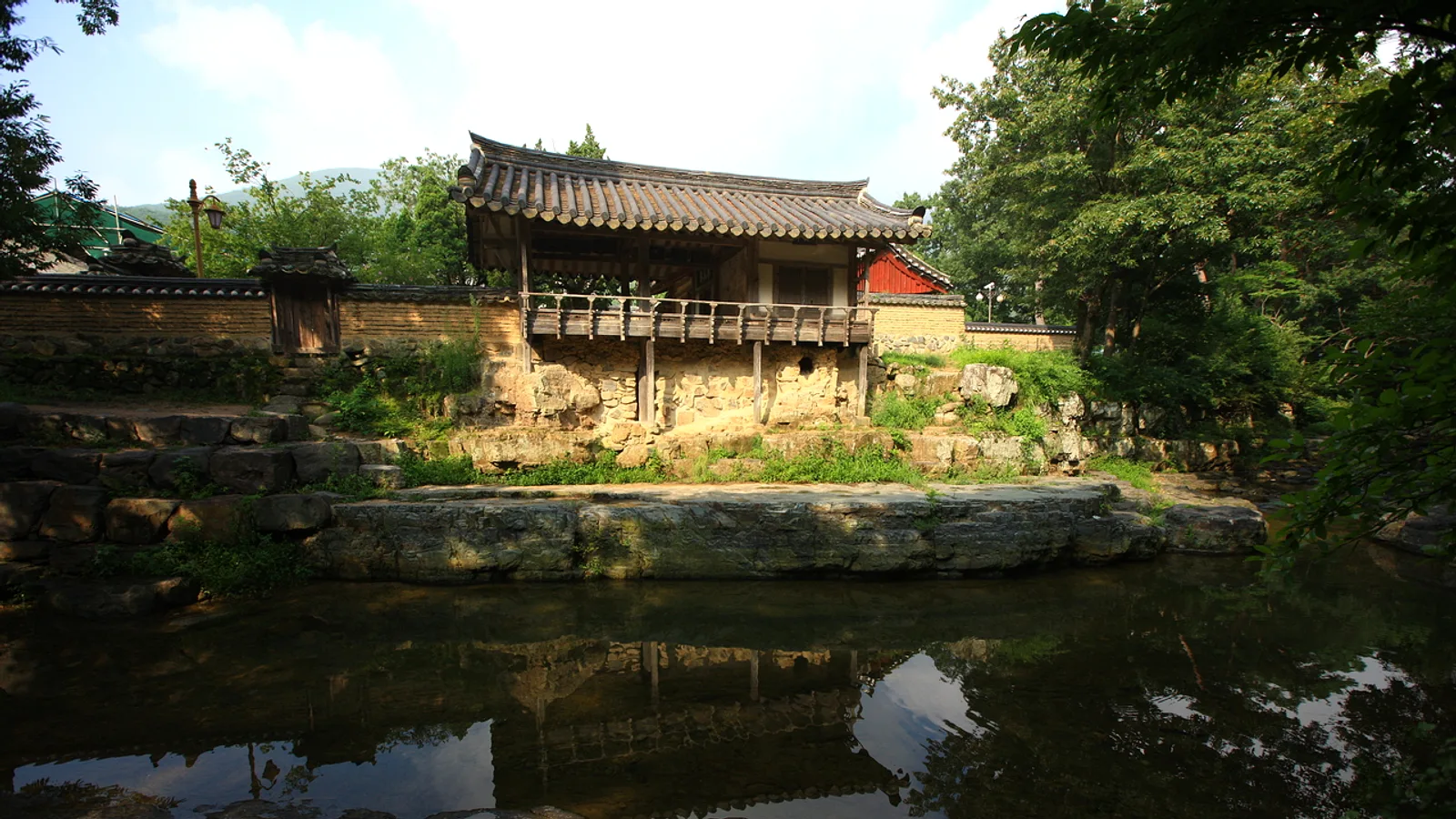
A seowon was a private Confucian academy, a place for study and for honouring respected scholars. Oksan Seowon honours Yi Eon-jeok and is part of the UNESCO listing for Korean Neo-Confucian Academies.
Compared with a Buddhist temple, a seowon feels plainer and more orderly. Expect wooden halls and pavilions arranged around the idea of scholarship and ritual rather than worship. It is a good place to understand the intellectual world that Yangdong's families belonged to.
Getting There
Both sites are north of Gyeongju city and are reached by bus or taxi. Neither is a short walk from the main downtown sights.
- Bus: local bus routes exist, but frequency can be low. Check current routes and timetables on Naver Map or Kakao Map before leaving.
- Taxi: practical for a half-day trip, especially if travelling in a group. Ask the driver about a return pickup, or confirm that taxis can be hailed or called in the area.
- Combining the sites: Yangdong and Oksan Seowon are nearby, so they work well as one outing. Check the map for the exact distance and the best way to link them.
Walking the Village Respectfully
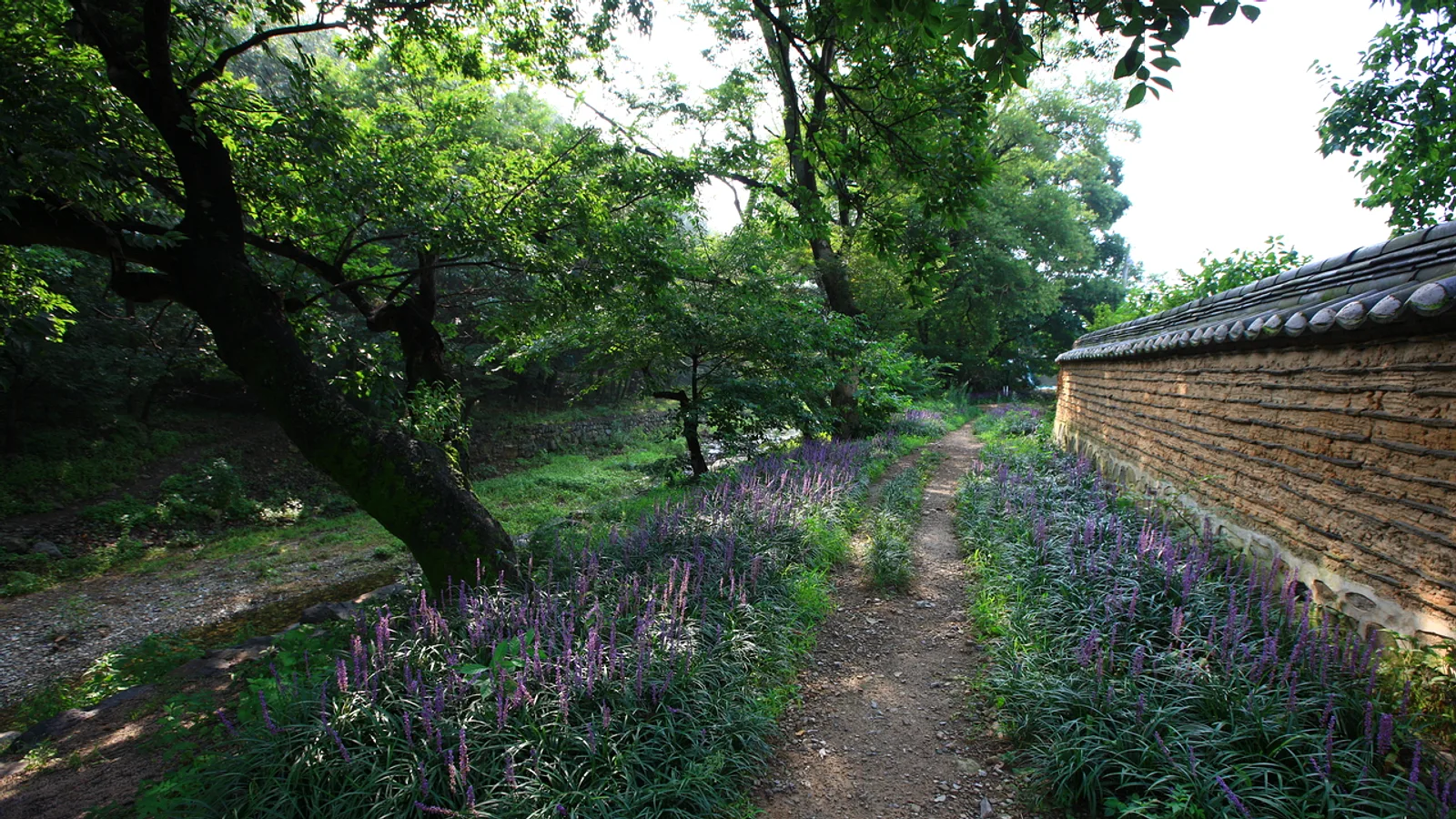
Because people live in the houses, the rule is simple: view from the paths only. Do not enter yards, open gates or look through windows.
- Keep voices low and avoid flying drones.
- Photograph the architecture and landscape, not residents or their private spaces.
- Stay on the marked lanes, even where a gate appears open.
- Do not touch or lean on thatched roofs, walls or wooden structures.
- Take rubbish with you rather than looking for a bin.
Some houses may offer other arrangements, and access rules can change. Rely on signs at the site and the official information instead of assumptions.
Planning the Day
Yangdong is built on hillsides, so expect uneven ground, stone steps and slopes. Comfortable shoes with good grip are more useful than fashionable ones, particularly after rain.
Allow enough time to walk both the lower thatched area and the upper tiled-roof area without rushing. Opening hours, entrance arrangements and any fees should be checked on the official site or on Naver Map or Kakao Map, since these can change by season.
Facilities in and around smaller heritage sites are more limited than in the city. Bring water, and consider eating in Gyeongju before or after the trip. Anyone with food allergies or dietary restrictions should plan meals in town, where menus and staff are easier to ask about.
How It Fits with Other Gyeongju Sites
The city's better-known sites mostly belong to the Silla period. Yangdong and Oksan Seowon add the Joseon view of the same region, which makes the contrast between the two eras easier to see. Visiting both periods in a single stay gives a fuller sense of how long Gyeongju has been a centre of Korean culture.
Because these two sites are quieter, they also work as a counterweight to a busy day at the central attractions.
Tips
- Check transport options on Naver Map or Kakao Map before leaving, including how to get back.
- View the village from the paths only. The houses are private homes.
- Wear sturdy shoes for slopes and steps, and bring water.
- Confirm opening hours and any entry arrangements on the official site.
- Pair Yangdong with Oksan Seowon to understand both the village and the scholarly tradition behind it.
- Pick a dry day if possible, as stone paths and hillside lanes can be slippery.
- Eat in Gyeongju, where it is easier to confirm ingredients if you have allergies or dietary needs.