Gwangju•Market•Traditional Market
1913 Songjeong Station Market
1913 송정역시장
Powered by Korea Tourism OrganizationAddress: 1913 Songjeong Station Market, Gwangju, South Korea (광주광역시 광산구 송정로8번길 13 (송정동))
Editorial review pending
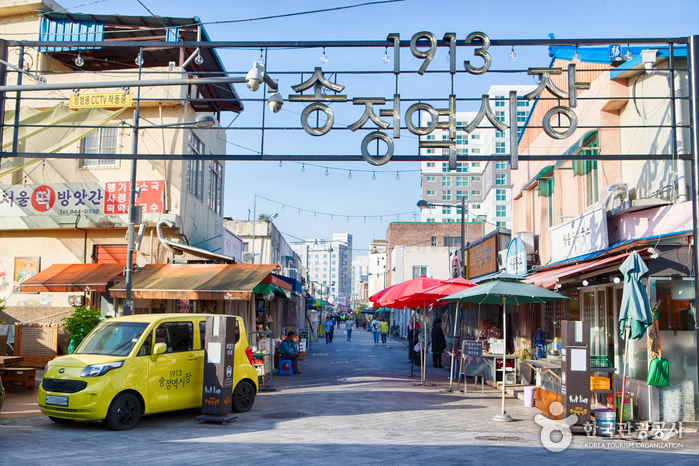
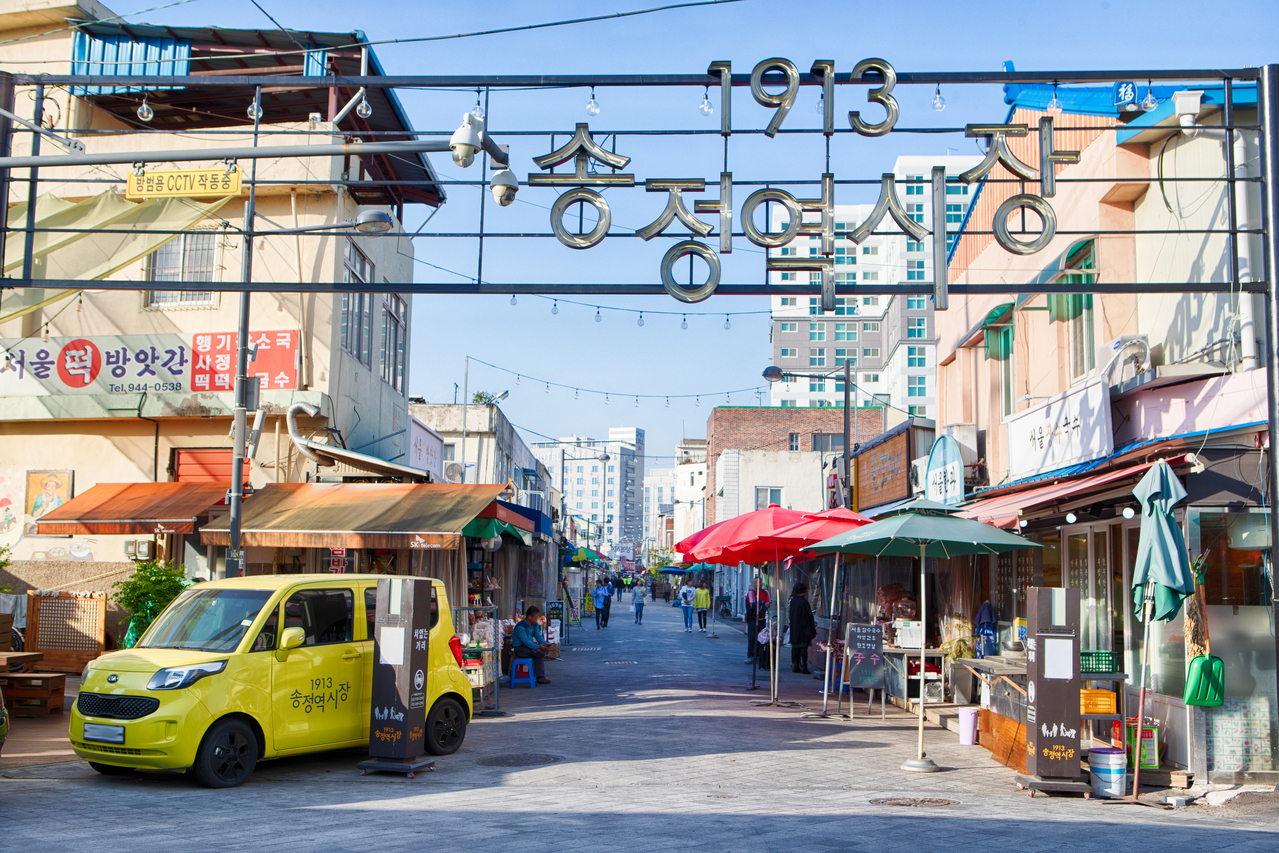
1913 Songjeong Station Market representative scenic panoramaZoom
+1More
1 / 6
1913 Songjeong Station Market representative scenic panorama
Curator's Guide & Overview
Comprehensive Guide1. Historical Origins & Cultural Background
Originally established in 1913 as the Songjeong Station Daily Market following the opening of the Honam Railway Line, this vibrant bazaar sustained railway travelers and local farmers for over a century. Facing modern obsolescence, the market was transformed in 2016 through a pioneering partnership between the Gwangju Creative Economy Innovation Center and Hyundai Card, painstakingly restoring nostalgic 1960s-style signage and brass facade details while empowering multi-generational merchants.
2. Architectural Highlights & Key Structures
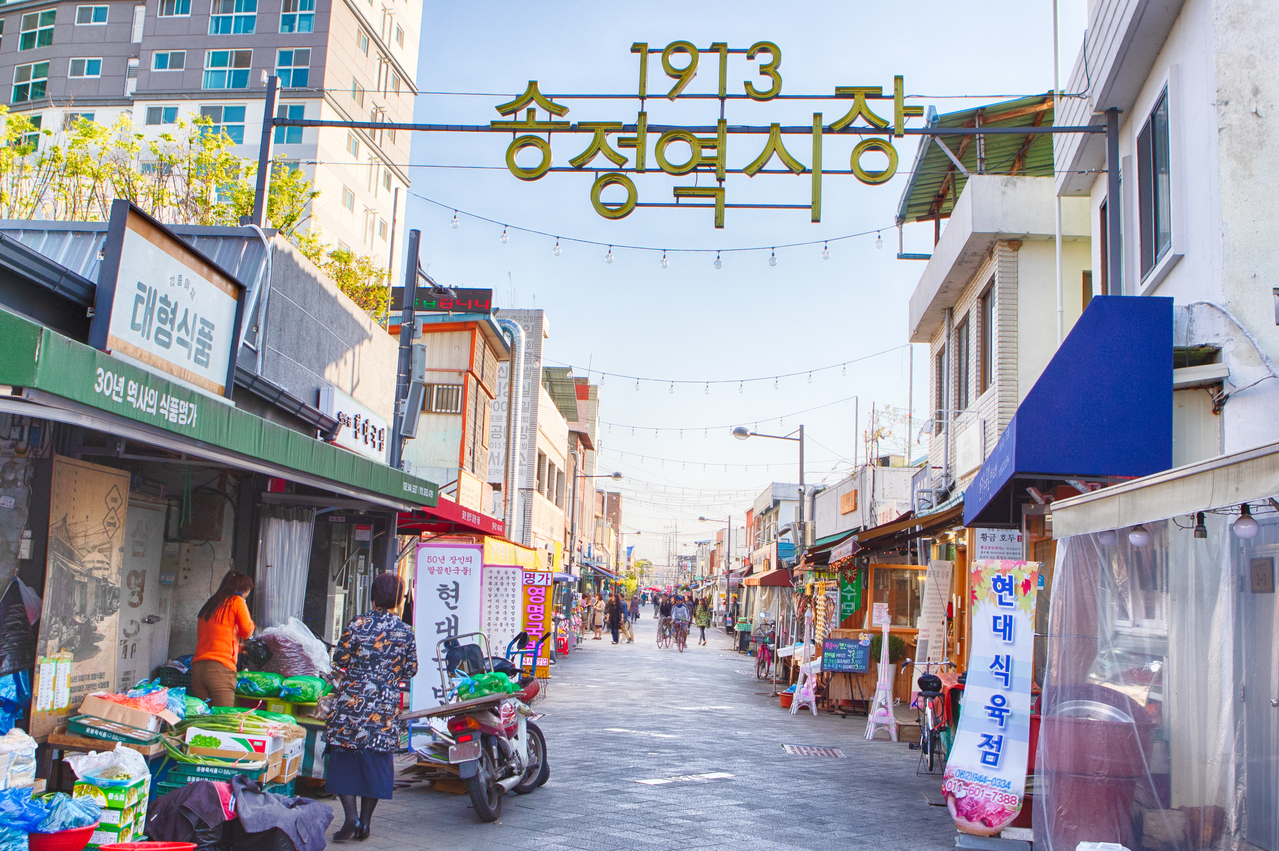
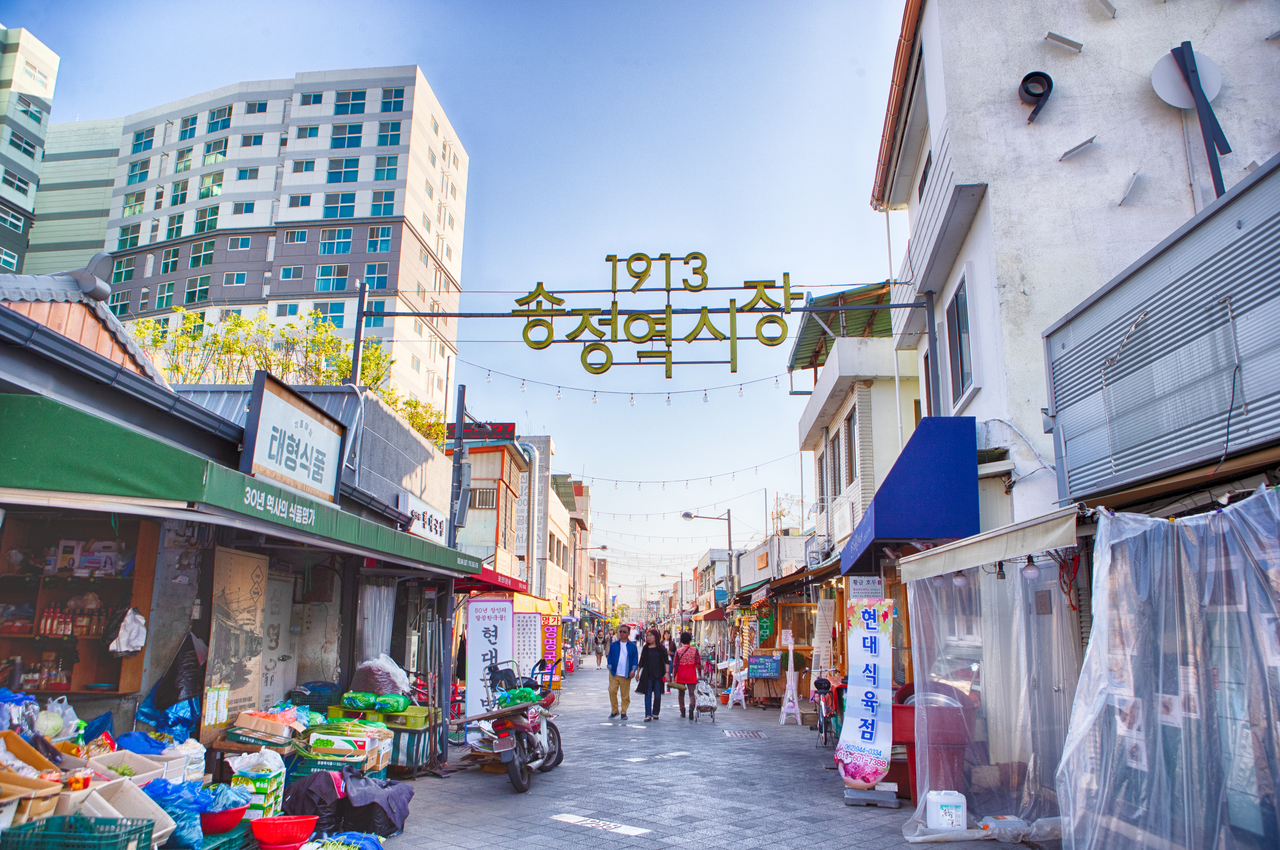
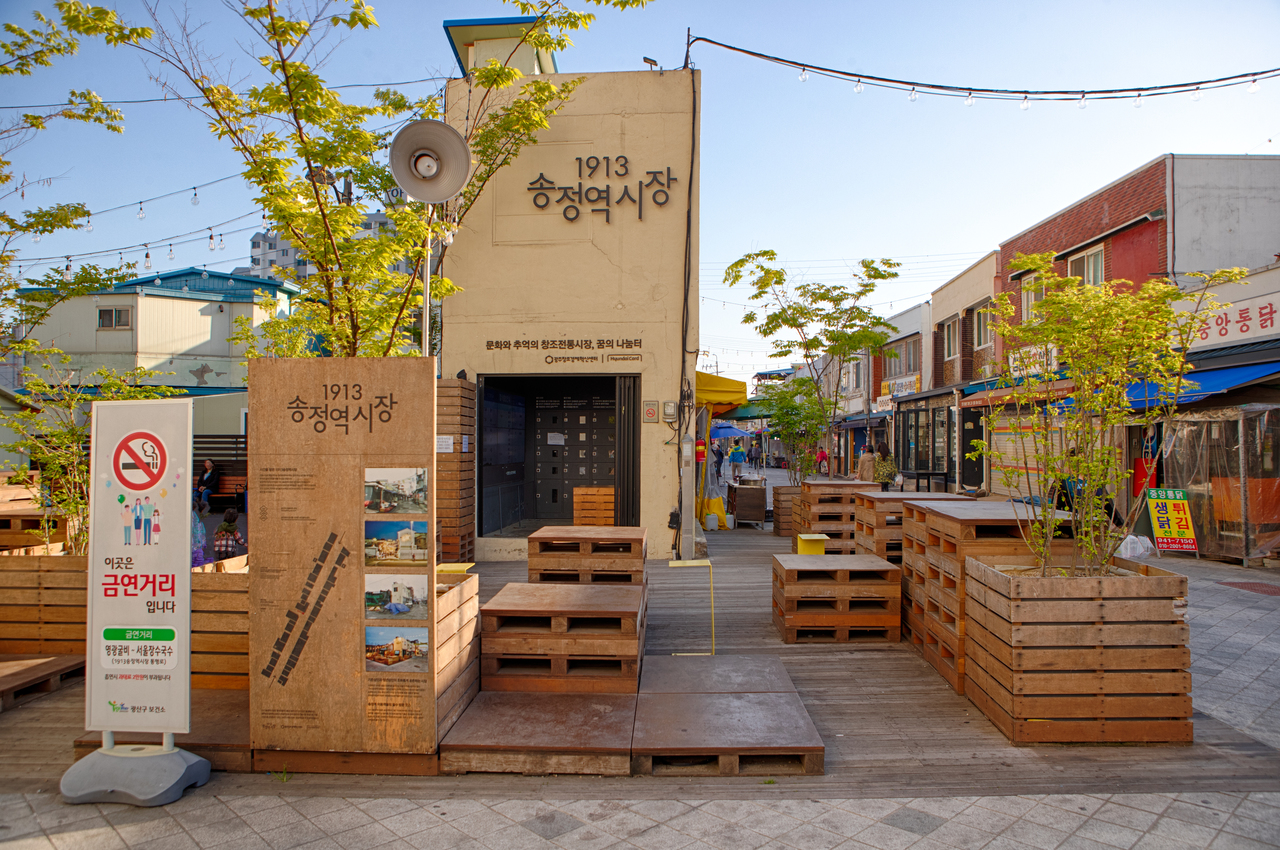
The linear 180-meter pedestrian lane features paving embedded with brass year plaques commemorating merchant founding dates. Classic vintage fonts, hand-lettered wood planks, and hanging warm Edison bulb canopies preserve the visual soul of 20th-century Korea. A digital train departure timetable kiosk in the central rest lounge keeps transit passengers informed.
3. Four Seasons Landscape & Seasonal Visiting Charms
Spring brings mild evenings ideal for strolling between artisanal food stalls. Summer is electric with night beer festivals and bustling youth crowds. Autumn fills the market with seasonal persimmons, roasted chestnuts, and aromatic freshly milled sesame oils, while winter draws visitors around steaming pots of fish cake broth and sweet hotteok griddles.
4. Operating Hours & Peak Viewing Times
Market lanes are accessible daily from 11:00 to 22:00 (extended until 23:00 on Fridays, Saturdays, and Sundays). The market closes on the second and fourth Monday of every month for municipal maintenance. The best visiting time is early evening between 17:30 and 20:00 when retro string lights illuminate the lane and all food vendors are firing griddles.
5. Admission Fees & Concessions (Youth/Foreigner Discounts)
Admission to the market is completely free of charge. Street food snacks range from 2,000 KRW to 7,000 KRW per item. All vendor stalls accept Korean and international credit cards, mobile payments, and local currency vouchers.
6. Public Transit & Subway Exit Directions
Take Gwangju Metro Line 1 to Gwangju Songjeong Station and use Exit 2. Alternatively, if arriving via high-speed rail (KTX or SRT), exit through Gwangju Songjeong Station Exit 1, cross the plaza street, and reach the market entrance in under 3 minutes.
7. Barrier-Free Accessibility & Visitor Amenities
The 180-meter lane is level, paved with smooth flat cobblestone, and entirely step-free. Modern accessible public restrooms and luggage storage lockers are available at the central Customer Service Lounge.
8. Recommended Walking Route & Highlights Tour
Enter through the main neon archway → browse vintage dried fish and oil mill stores with historical black-and-white photos → sample freshly rolled egg rolls (Gyeran-bap) → taste mugwort choco-pies and hand-pulled fish cakes → explore the retro photography studio → dine at the adjoining Songjeong Tteokgalbi Alley (approx. 90 minutes).
9. Local Food Specialties & Regional Flavors
Culinary specialties include: Gyeran-bap (warm sticky rice wrapped in a fluffy rolled omelet with spicy pork or tuna fillings), Ssuk Choco-pie (artisan dark chocolate pies infused with fragrant wild mugwort), hand-sliced Gaemi-jip dried sea snacks, and fresh craft beer from local microbreweries.
10. Dietary Options (Vegetarian, Halal & Allergen Guide)
Vegetarian options are readily available: fresh vegetable gimbap, meat-free potato and corn pancakes, sweet red-bean glutinous rice balls, and vegan mugwort bread. Fresh seasonal fruit cups and cold roasted grain drinks (misugaru) are sold at multiple stalls.
11. Signature Photo Spots & Golden Hour Lighting
Top photo spots: the glowing retro 1913 Songjeong Station Market wooden entrance archway at twilight, posing under the hanging warm Edison string lights down the central lane, and the charming vintage monochrome photo studio facade.
12. Visitor Etiquette & Cultural Property Regulations
Maintain right-hand walking etiquette along the narrow 180-meter corridor. Dispose of street food skewers and paper cups in designated waste and recycling receptacles positioned every 30 meters. Smoking is strictly prohibited throughout the market.
13. Safety Precautions & 1330 Tourism Hotline Support
The Market Customer Center houses a nursing room and emergency first aid supplies. Security guards patrol during evening hours. Multilingual tourist interpretation is available via 1330.
14. Nearby Connected Attractions & Walking Links
The famous Songjeong Tteokgalbi Alley sits just 3 minutes walk north, while the Asia Culture Center (ACC) is a 20-minute direct subway ride east on Metro Line 1.
15. Frequently Asked Questions (FAQ)
Q: Can train travelers store heavy luggage here? A: Yes, automated luggage storage lockers accommodating large suitcases are located inside the Customer Support Lounge in the center of the market, as well as inside the KTX train station.
16. Regional Extended Day Trip Itinerary
Afternoon arrival at KTX Gwangju Songjeong Station → street food tour of 1913 Songjeong Station Market → Songjeong Tteokgalbi dinner → evening subway ride to the Asia Culture Center.
Essential Visitor Facts
Operating Hours
Mon - Thu 11:00 - 22:00; Fri - Sun 11:00 - 23:00 (Closed 2nd & 4th Mondays)
Admission / Price
Free Market Entry
Closed Days
Open 365 Days
Best Time to Visit
Morning (around 09:30-10:00)
Transit & Access Directions
Gwangju Metro Line 1 Gwangju Songjeong Station Exit 2 (3 min walk) or KTX Gwangju Songjeong Station Exit 1
Accessibility & Special Amenities
Wheelchair ramps, tactile paving, accessible restrooms
✓ Halal Options Nearby
Location Coordinates
Latitude: 35.1384
Longitude: 126.7909
Discover Themes & Highlights
Key interest areas and cultural highlights:
#1913-songjeong-market#VisitGwangju#KoreaTravelAtlas
Community Traveler Reviews0 Reviews
Visitor tips, feedback, and questions submitted by real travelers.
No community reviews submitted yet. Be the first traveler to share your experience!
Connected Cultural Destinations
Handpicked nearby attractions and regional cultural highlights.
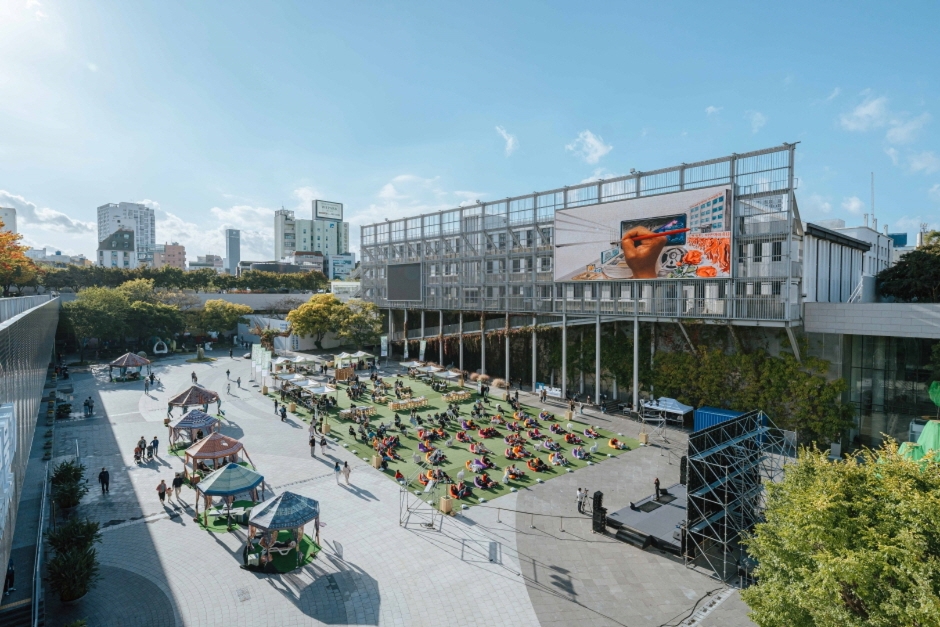
Asia Culture Center (ACC)
국립아시아문화전당 (ACC)Asia Culture Center (ACC), Gwangju, South Korea
Asia Culture Center is a world-class subterranean cultural sanctuary designed by Kyu Sung Woo on the historic May 18 Gwangju Uprising site, featuring cutting-edge arts and sunken plazas.
Morning (around 09:30-10:00)
Details→
Mudeungsan National Park (Jusangjeolli)
무등산국립공원 (주상절리대)Mudeungsan National Park (Jusangjeolli), Gwangju, South Korea
Mudeungsan National Park is a UNESCO Global Geopark soaring 1,187 meters above Gwangju, world-famous for its colossal 87-million-year-old polygonal volcanic columnar joints.
Morning (around 09:30-10:00)
Details→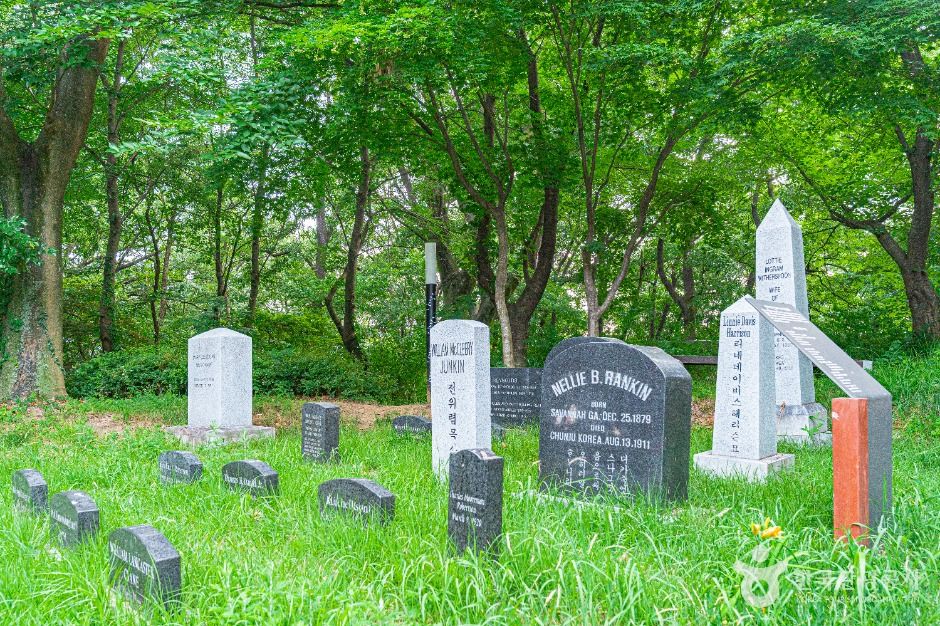
Yangnim-dong & Penguin Village
양림동 역사문화마을 (펭귄마을)Yangnim-dong & Penguin Village, Gwangju, South Korea
Yangnim-dong is Gwangju’s premier modern history and arts quarter, blending 120-year-old Western missionary brick manors with the whimsical upcycled junk-art alleys of Penguin Village.
Morning (around 09:30-10:00)
Details→