Gwangju•Market•전통시장
1913 송정역시장
1913 Songjeong Station Market
Powered by Korea Tourism Organization주소: 광주광역시 광산구 송정로8번길 13 (송정동)
에디터 검토 대기
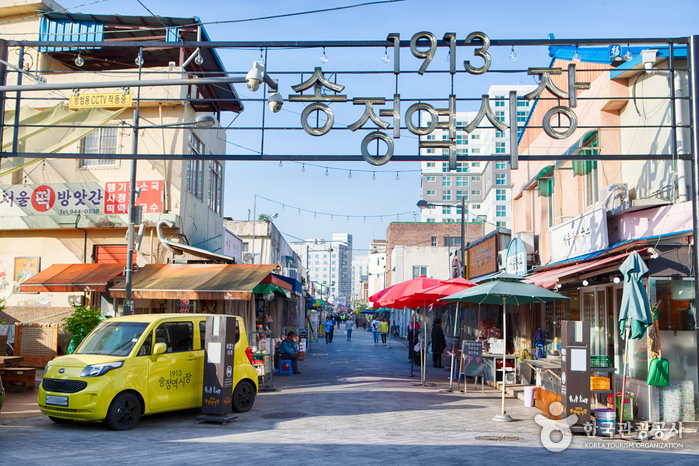
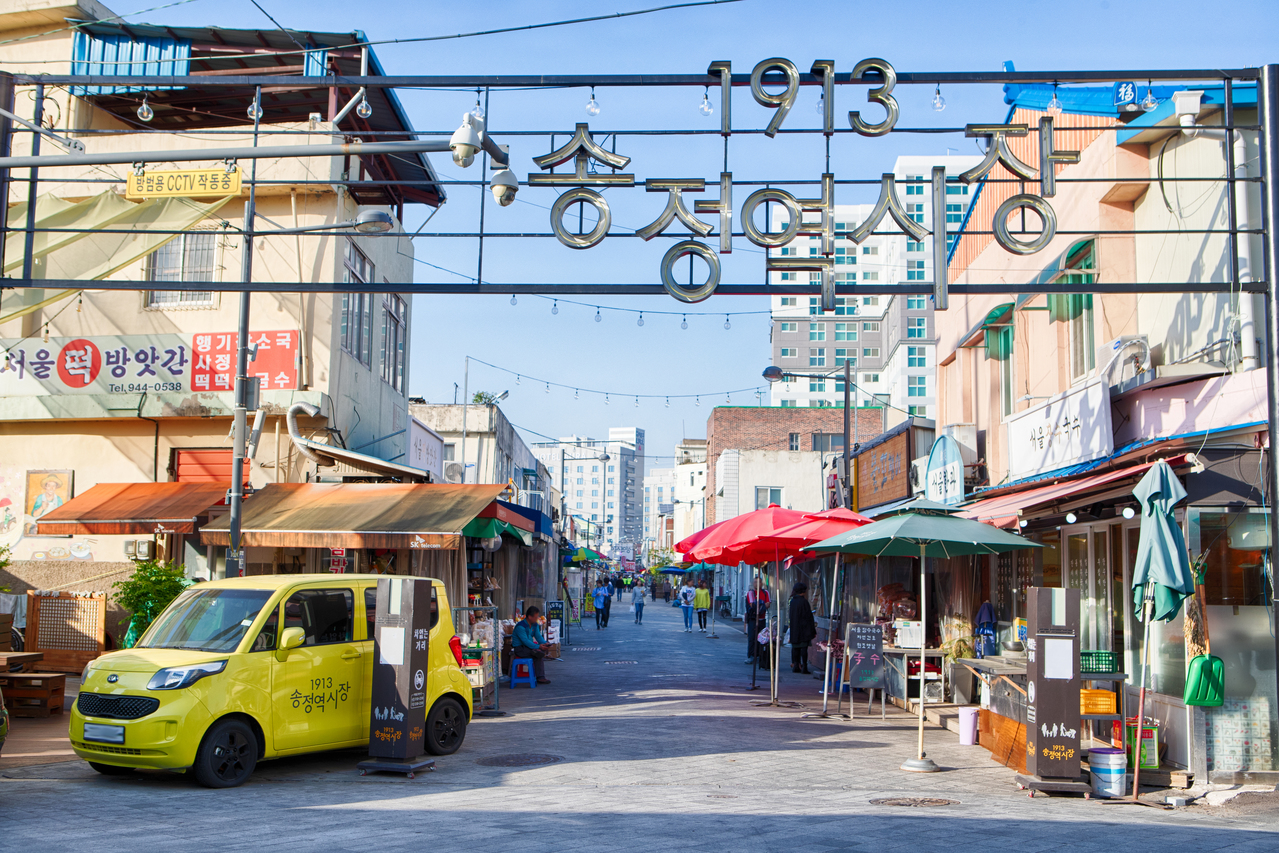
1913 송정역시장 대표 전경 실사확대
+1더보기
1 / 6
1913 송정역시장 대표 전경 실사
큐레이터 상세 가이드 및 개요
종합 가이드1. 역사적 유래 및 문화적 배경
1913 송정역시장은 1913년 호남선 송정리역 개통과 함께 형성되어 100년 넘게 호남 서민들의 애환과 삶을 지켜온 유서 깊은 전통시장입니다. 대형마트와 신도시 개발로 쇠락해가던 골목을 2016년 광주창조경제혁신센터와 현대카드가 '지키기 위한 변화'를 모토로 리모델링하여, 100년 전통 상인들의 옛 간판과 이야기, 그리고 청년 상인들의 톡톡 튀는 아이디어가 어우러진 전국 최고의 레트로 감성 시장으로 부활했습니다.
2. 건축 양식 및 대표 전각·핵심 구조물
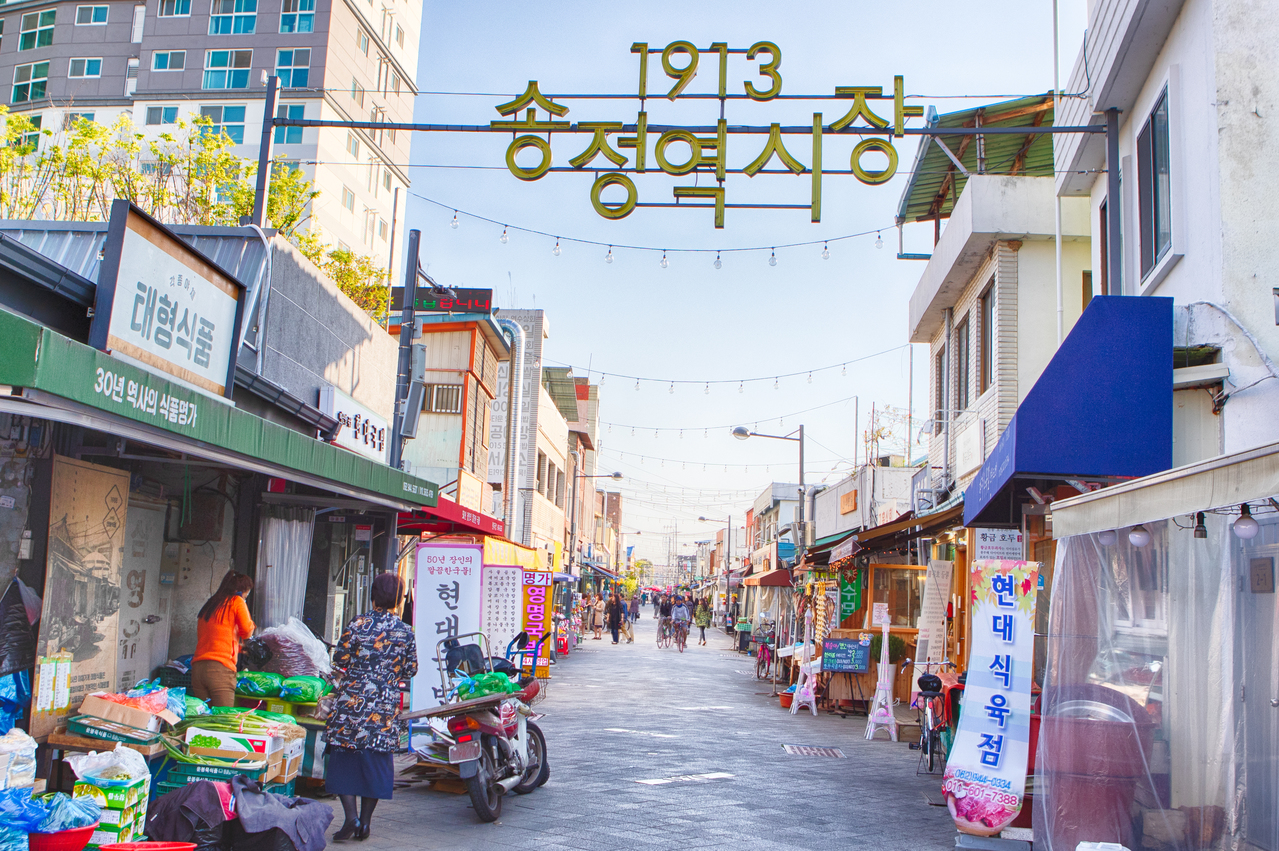
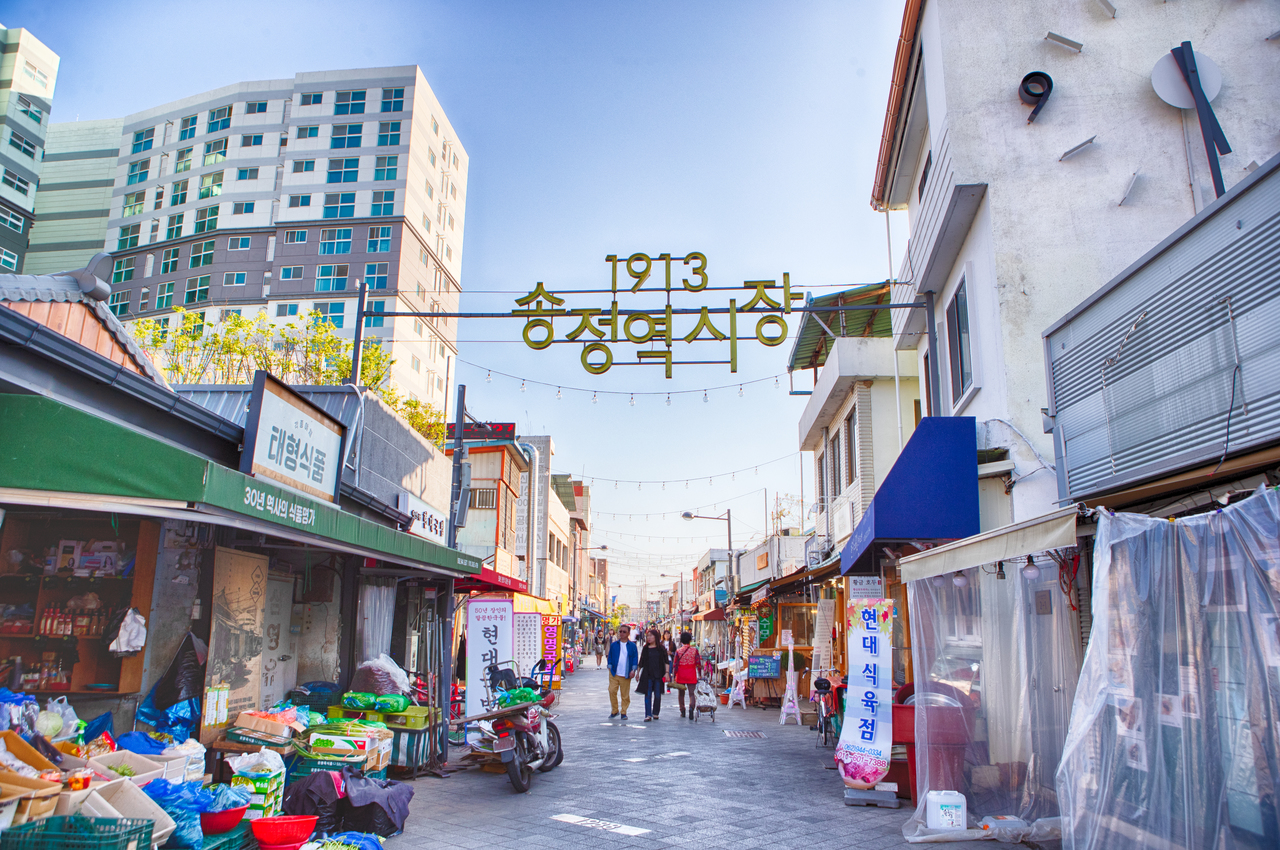
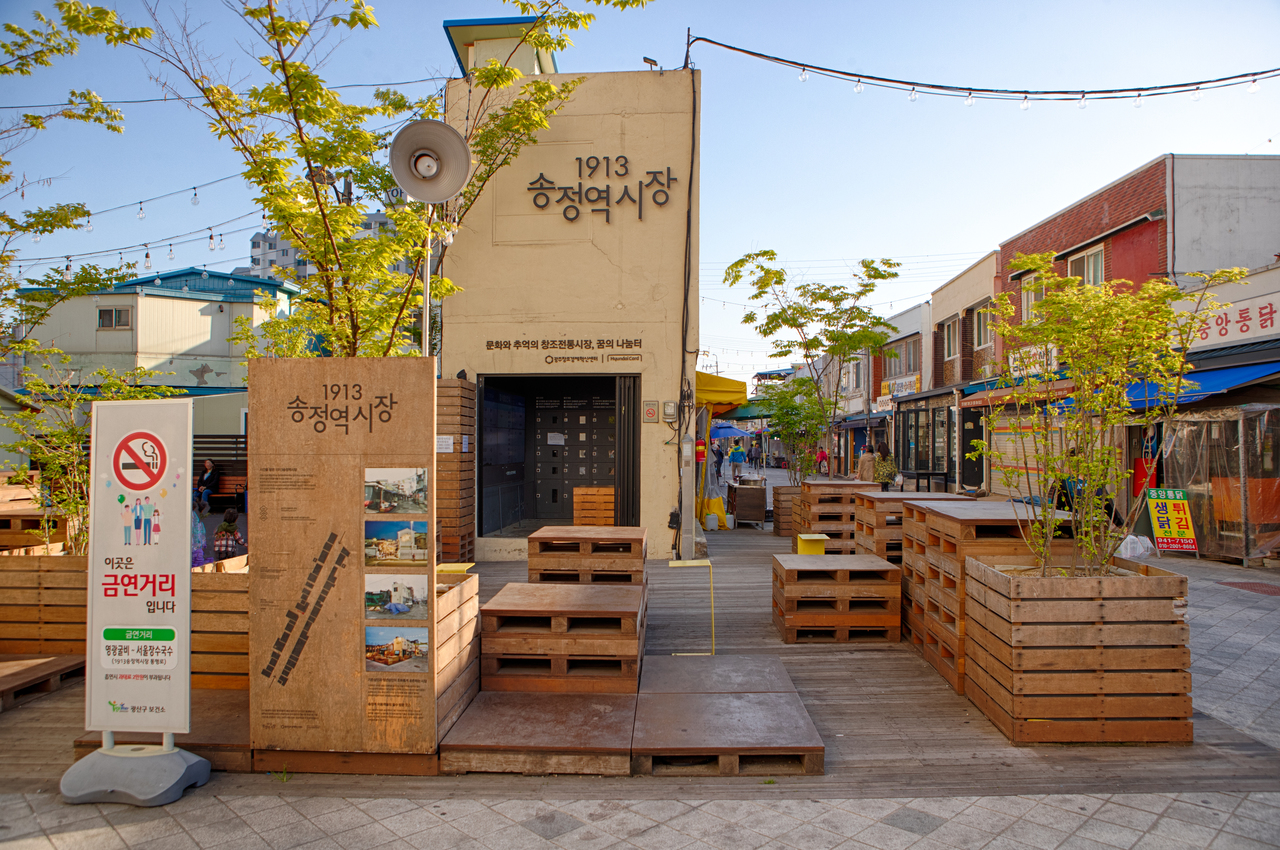
180m에 이르는 단일 골목길 바닥에는 각 점포의 개업 연도가 새겨진 황동 보도블록이 박혀 있어 걷는 것만으로도 시간 여행을 선사합니다. 1960년대 복고풍 글씨체로 복원된 간판, 낡은 흑백 가족사진, 그리고 밤이면 골목 천장을 따스하게 밝히는 주황색 알전구 조명이 뉴트로 감성을 극대화합니다. 시장 중앙 쉼터에는 KTX 열차 출발 시각을 실시간으로 알려주는 전광판이 설치되어 있습니다.
3. 사계절 자연 경관 및 계절별 방문 묘미
봄가을에는 야외 벤치에 앉아 선선한 밤바람과 함께 길거리 미식을 즐기기에 최적이며, 여름철에는 시원한 수제 맥주 축제가 골목을 뜨겁게 달굽니다. 겨울철에는 포장마차에서 피어오르는 어묵탕의 구수한 김과 갓 구워낸 붕어빵, 호떡이 여행자들의 발길을 따스하게 붙잡습니다.
4. 운영 시간 및 최적 관람 시간대
시장 골목은 월~목요일 11:00~22:00, 금~일요일 11:00~23:00까지 운영하며, 매월 둘째·넷째 월요일은 정기 휴무입니다. 해 질 무렵인 오후 6시 전후에 방문하면 주황색 스트링 라이트 조명이 켜지고 모든 청년 매대가 활기를 띠어 가장 매력적인 풍경을 만날 수 있습니다.
5. 관람 요금 및 청년·외국인 무료·할인 혜택
시장 골목 입장료는 무료입니다. 계란밥, 쑥초코파이, 고로케, 양갱 등 인기 먹거리는 단품 기준 2,000원~4,000원 선으로 저렴합니다. 전 점포에서 신용카드와 간편결제, 온누리상품권 사용이 가능합니다.
6. 대중교통 및 지하철 역 출구 도보 안내
광주 도시철도 1호선 광주송정역 2번 출구 또는 KTX·SRT 광주송정역 1번 출구로 나와 길을 건너면 도보 3분 만에 시장 입구 조형물에 닿을 수 있어 기차 여행자에게 최고의 접근성을 자랑합니다.
7. 배리어프리 무장애 보행 환경 및 편의시설
180m 전 구간이 평탄한 황동 블록과 화강암 보도로 포장되어 있어 휠체어와 유아차의 이동이 수월합니다. 시장 중앙 고객쉼터에 장애인 전용 화장실과 코인 물품보관함이 구비되어 있습니다.
8. 추천 관람 동선 및 핵심 탐방 코스
시장 입구 네온 아치 → 황동 연도 블록을 따라 골목 산책 → 계란밥과 수제 양갱 맛보기 → 옛날 흑백사진관 구경 → 쑥초코파이와 건어물 쇼핑 → 인근 송정리 떡갈비 골목 만찬(총 소요시간 약 1시간 30분).
9. 인근 대표 향토 미식 및 로컬 먹거리
포슬포슬한 지단으로 감싼 든든한 한 끼 '계란밥', 향긋한 거문도 해풍쑥으로 만든 '쑥스초코파이', 감칠맛 나는 수제 어묵, 전통 방식으로 볶아낸 고소한 참기름, 그리고 시장 바로 옆 골목의 달콤 짭조름한 육즙 가득 '송정 떡갈비'가 최고의 명물입니다.
10. 채식·할랄 및 식이 선호 옵션 안내
기름에 튀기지 않은 수제 과일 양갱, 구운 옥수수, 채소 고로케, 단호박 식혜 등 채식 선호자를 위한 다채로운 디저트가 완비되어 있습니다. 주변 떡갈비 골목 식당에서 비빔밥과 된장찌개를 채식 옵션으로 주문할 수 있습니다.
11. 대표 포토존 및 골든아워 촬영 팁
황혼 무렵 주황색 알전구가 켜진 180m 골목의 소실점 뷰, 1913 송정역시장 복고풍 네온사인 조형물 앞, 그리고 1960년대 분위기를 재현한 '서봄사진관' 흑백 쇼윈도 앞이 최고의 포토존입니다.
12. 관람 에티켓 및 문화재 보호 수칙
골목 폭이 좁으므로 인파가 붐빌 때는 우측통행을 준수해야 합니다. 음식물 쓰레기는 골목 곳곳의 전용 수거함에 분리 배출해야 하며, 시장 전 구역은 금연 구역입니다.
13. 안전 유의사항 및 1330 관광통역안내
중앙 고객센터에 상시 관리 인력과 응급약품이 비치되어 있습니다. 기차역 인근으로 경찰 순찰이 잦으며, 긴급 상황 시 119 또는 1330 관광안내전화를 이용할 수 있습니다.
14. 주변 연계 관광 명소 및 도보 코스
시장 북쪽으로 도보 3분 거리에 광주 5미(味) 중 하나인 '송정 떡갈비 골목'이 위치하며, 지하철 1호선을 타면 국립아시아문화전당(ACC)까지 20분 만에 직결됩니다.
15. 자주 묻는 질문 (FAQ)
Q: 기차 타기 전에 짐을 맡길 수 있나요? A: 네, 시장 중앙 고객쉼터 내부와 KTX 광주송정역 역사 안에 대형 캐리어까지 보관 가능한 무인 물품보관함이 설치되어 있어 가벼운 손으로 시장을 둘러볼 수 있습니다.
16. 권역 연계 추천 당일 여행 코스
KTX 광주송정역 도착 → 1913 송정역시장 길거리 먹거리 투어 → 송정 떡갈비 점심 식사 → 지하철 탑승 후 양림동 펭귄마을 및 국립아시아문화전당 관람.
핵심 방문 정보
운영 시간
월~목 11:00 ~ 22:00; 금~일 11:00 ~ 23:00 (매월 둘째·넷째 월요일 휴무)
입장료 / 이용요금
Free Market Entry
휴무일
Open 365 Days
추천 방문 시간대
오전 시간대 (09:30~10:00경)
대중교통 및 찾아가는 법
Gwangju Metro Line 1 Gwangju Songjeong Station Exit 2 (3 min walk) or KTX Gwangju Songjeong Station Exit 1
접근성 및 편의시설
Wheelchair accessible ramps, tactile paving, accessible restrooms, complimentary wheelchair rental
✓ 인근 할랄 식당 안내
위치 및 지도 좌표
위도: 35.1384
경도: 126.7909
주요 테마 및 핵심 하이라이트
주요 관심 분야 및 문화 하이라이트:
#1913-songjeong-market#VisitGwangju#KoreaTravelAtlas
여행자 커뮤니티 리뷰0개 리뷰
실제 여행자들이 직접 등록한 팁, 방문 경험 및 안내입니다.
아직 등록된 커뮤니티 리뷰가 없습니다. 첫 번째 여행자 리뷰를 남겨보세요!
인근 연계 문화 관광지
함께 방문하기 좋은 주변 명소와 문화 유적지입니다.
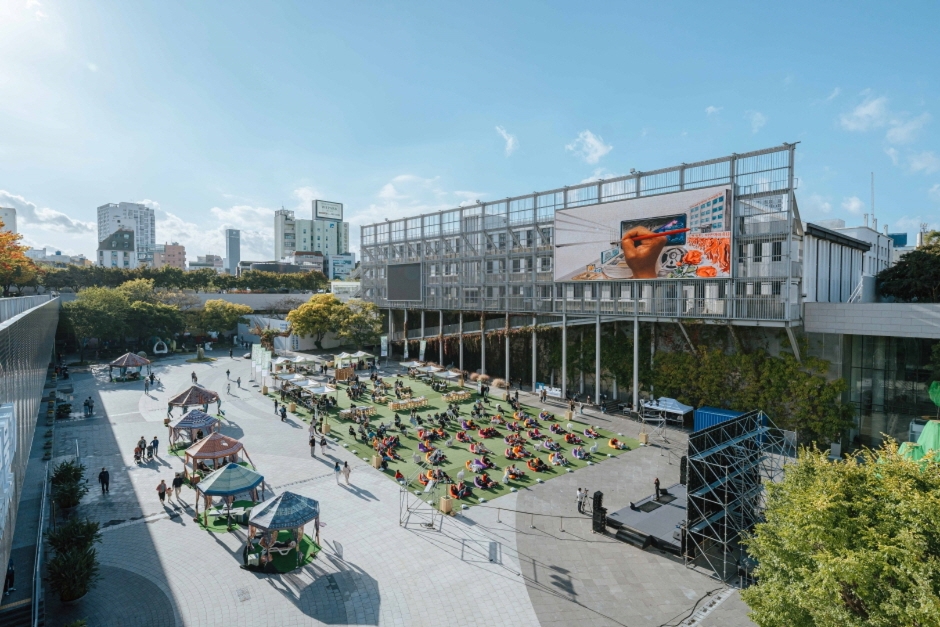
국립아시아문화전당 (ACC)
Asia Culture Center (ACC)광주광역시 동구 문화전당로 38 (광산동)
국립아시아문화전당(ACC)은 5·18 민주화운동의 역사적 현장인 옛 전남도청 터에 조성된 아시아 최대 규모의 복합 문화예술 기관으로, 지하는 첨단 예술 공간, 지상은 푸른 도심 공원으로 설계된 빛의 전당입니다.
오전 시간대 (09:30~10:00경)
상세 정보→
무등산국립공원 (주상절리대)
Mudeungsan National Park (Jusangjeolli)광주광역시 동구 증심사길 160 일원 (무등산 국립공원)
무등산국립공원은 유네스코 세계지질공원이자 광주의 진산으로, 8,700만 년 전 백악기 화산 폭발로 형성된 서석대와 입석대의 거대한 다각형 주상절리대와 천년 고찰 증심사를 품은 명산입니다.
오전 시간대 (09:30~10:00경)
상세 정보→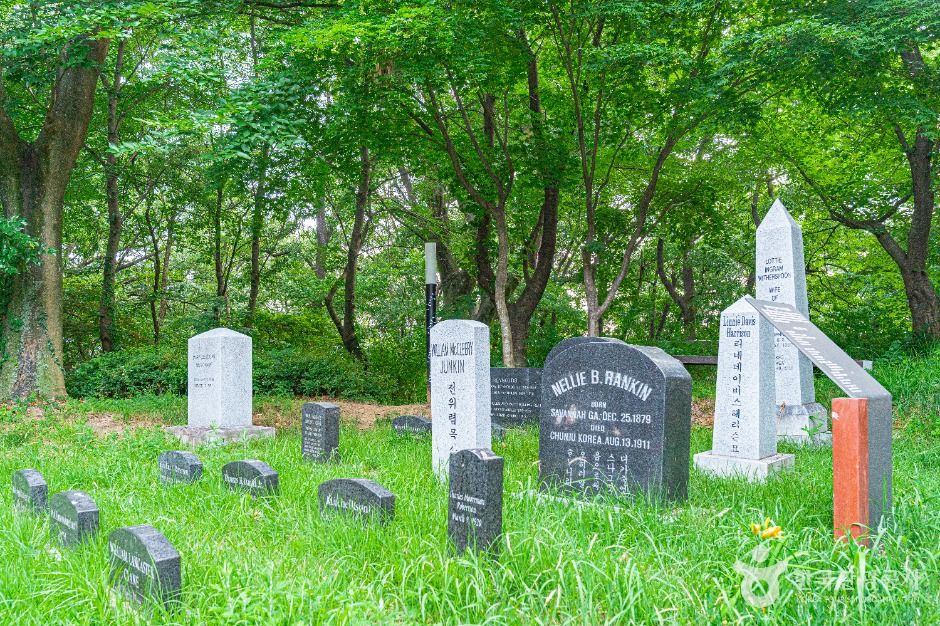
양림동 역사문화마을 (펭귄마을)
Yangnim-dong & Penguin Village광주광역시 남구 천변좌로446번길 7 일원 (양림동)
양림동 역사문화마을은 100여 년 전 미국 남장로교 선교사들이 광주 최초의 근대 교육과 의료를 꽃피운 역사적 유산과, 어르신들의 정겨운 일상을 폐품 예술로 유쾌하게 승화시킨 펭귄마을이 공존하는 문화예술 마을입니다.
오전 시간대 (09:30~10:00경)
상세 정보→