Gwangju•Culture•Museum
Gwangju National Museum
국립광주박물관
Powered by Korea Tourism OrganizationAddress: Gwangju National Museum, Gwangju, South Korea (광주광역시 북구 하서로 110 (매곡동))
Editorial review pending

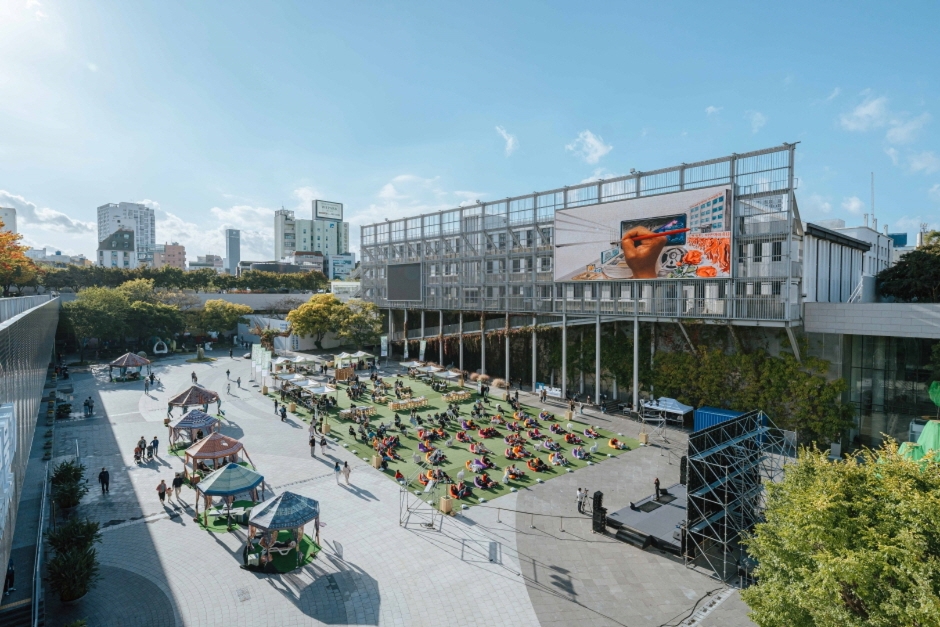
Gwangju National Museum representative scenic panoramaZoom
+1More
1 / 6
Gwangju National Museum representative scenic panorama
Curator's Guide & Overview
Comprehensive Guide1. Historical Origins & Cultural Background
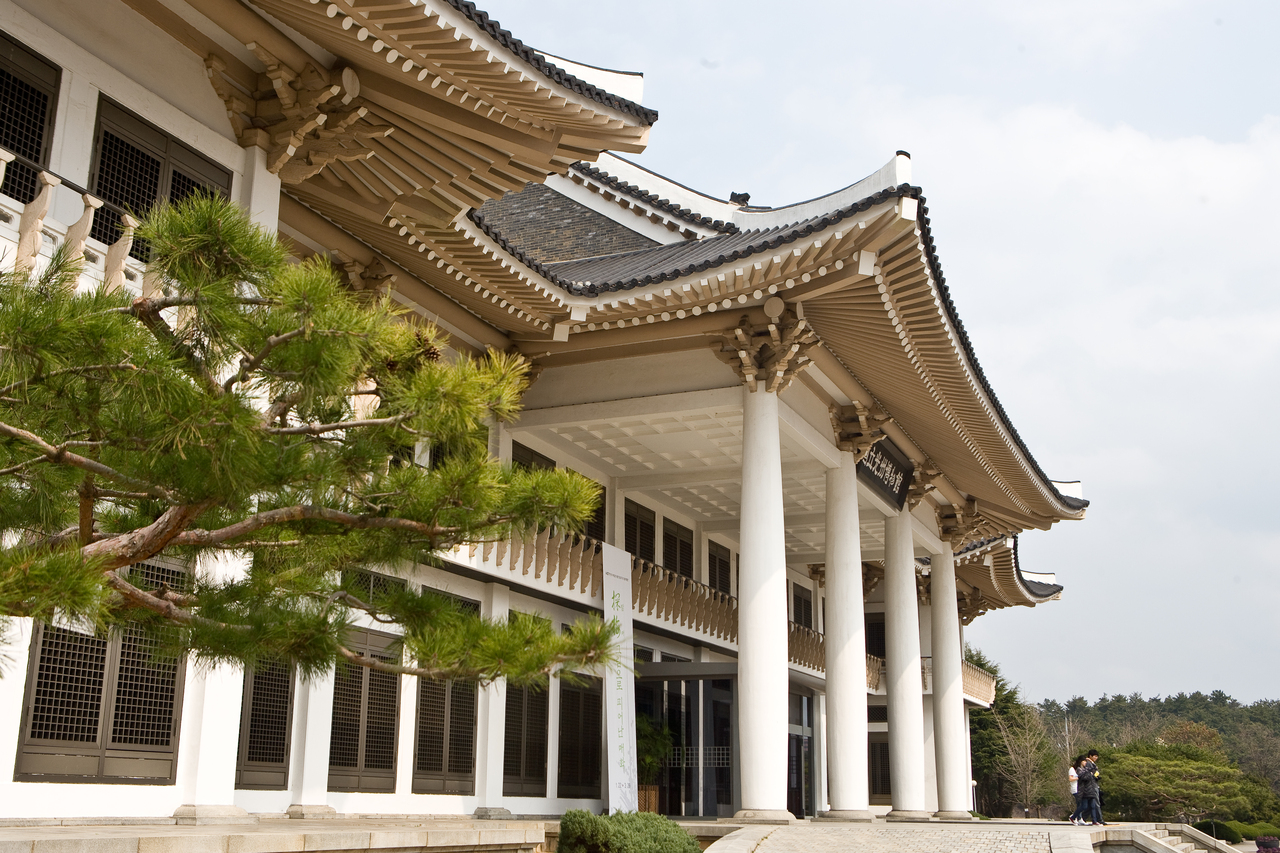
The discovery of the 14th-century Sinan Shipwreck off the coast of Sinan in 1975 sent shockwaves through the global maritime archaeology community: a medieval Chinese trade vessel laden with over 20,000 pristine pieces of Longquan celadon, white porcelain, purple clay tea wares, and 28 tons of ancient coins bound for Hakata, Japan, when it sank around 1323. To house and research this monumental maritime discovery, the Korean government built the Gwangju National Museum in December 1978, designing the main palace-style pavilion with traditional Joseon architectural hip-and-gable roof profiles.
2. Architectural Highlights & Key Structures
The permanent exhibition is anchored by the breathtaking Sinan Shipwreck Gallery, showcasing hundreds of illuminated celadon vases, incense burners, wooden cargo tags (mokgan), and ship timbers. Other premier wings include the Prehistory and Ancient Culture Hall (displaying Honam dolmen culture, Mahan earthenware, and Baekje gilt-bronze crowns), and the Asian Ceramic Culture Hall showcasing Korea's world-renowned Goryeo celadon and Joseon white porcelain.
3. Four Seasons Landscape & Seasonal Visiting Charms
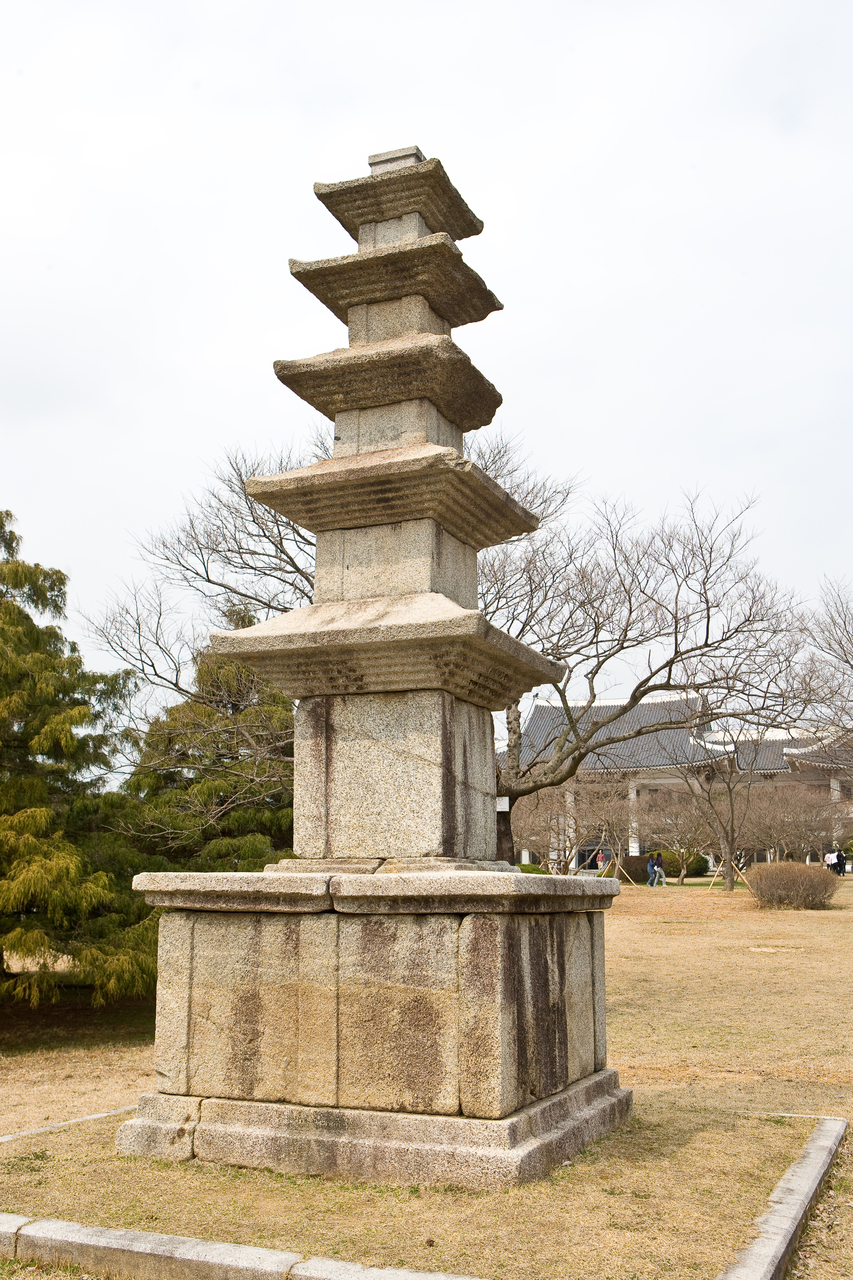
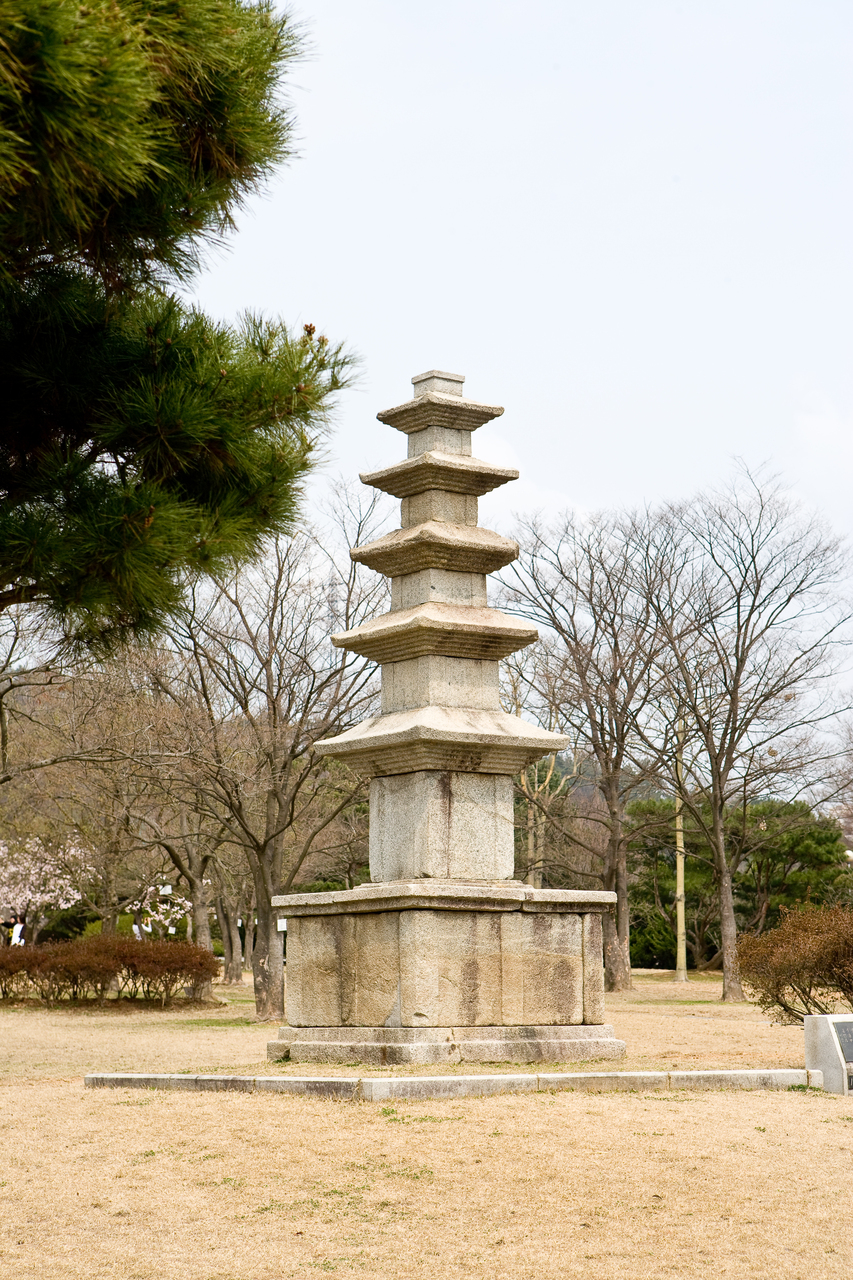
Spring enchants visitors as the museum's sweeping outdoor gardens bloom with pink cherry blossoms and azaleas around ancient stone pagodas. Summer features flourishing pink lotus blossoms on the garden lake. Autumn illuminates the sprawling pine and maple groves in brilliant red and yellow foliage. Winter offers peaceful strolls past snow-capped Joseon stone lanterns and tranquil warm interior galleries.
4. Operating Hours & Peak Viewing Times
The museum is open daily from 09:00 to 18:00 (last admission 17:30). Closed only on January 1st and major traditional holidays (Seollal and Chuseok). Visiting on weekday mornings offers an unhurried, serene atmosphere with ample space to appreciate the delicate jade-green glaze of 700-year-old celadon masterpieces.
5. Admission Fees & Concessions (Youth/Foreigner Discounts)
Admission to the permanent galleries, the Children's Museum, and the outdoor sculpture park is completely free of charge. Occasional special international blockbusters may charge a nominal entry fee. Parking at the museum plaza is free.
7. Barrier-Free Accessibility & Visitor Amenities
The museum grounds and interior exhibition galleries are fully barrier-free. Smooth asphalt ramps lead from the parking plaza to the main hall, automated sliding doors are installed at entries, passenger elevators connect both floors, and tactile guidance paths assist visually impaired visitors. Wheelchairs and baby strollers are loaned free at the information desk.
8. Recommended Walking Route & Highlights Tour
Enter Main Gate → stroll past outdoor Silla stone pagodas and the lotus pond → explore the Prehistoric and Ancient Honam Hall on the 1st floor → tour the world-famous Sinan Shipwreck Cultural Gallery on the 2nd floor → marvel at masterworks in the Asian Ceramic Hall → visit the Children's Museum interactive zone (approx. 2 hours).
9. Local Food Specialties & Regional Flavors
The surrounding Maegok-dong and Unam-dong neighborhoods feature delicious Honam cuisine: steaming clay-pot Duck Soup (Ori-tang) enriched with ground wild perilla and dropwort, stone-bowl bibimbap, and Gwangju-style beef short-rib patties.
10. Dietary Options (Vegetarian, Halal & Allergen Guide)
Museum garden benches provide scenic picnic spots for packed lunches. Nearby Korean dining houses serve clean vegetarian sets including wild perilla mushroom soup (deulkkae-tang), acorn jelly salads, and pan-fried seasonal vegetable pancakes.
11. Signature Photo Spots & Golden Hour Lighting
Top photo spots: the main museum building's traditional curved tiled roof reflected in the central lotus pond, looking closely through glass at the jade-green Longquan celadon vases in the Sinan Shipwreck Hall, and among the historic Silla stone pagodas in the spring blossom gardens.
12. Visitor Etiquette & Cultural Property Regulations
Flash photography and tripods are strictly prohibited inside the exhibition galleries to protect ancient ceramic glazes and historical documents. Speak in hushed voices and do not touch glass display cases.
13. Safety Precautions & 1330 Tourism Hotline Support
A fully equipped first aid station is situated on the 1st floor near the main entrance. Museum security officers patrol all galleries continuously. Multilingual audio headsets (English, Japanese, Chinese) are available, and tourist hotline 1330 provides phone interpretation.
14. Nearby Connected Attractions & Walking Links
Gwangju Folk Museum and the Gwangju Biennale Exhibition Hall lie just 5 minutes east across the expressway, while the Asia Culture Center (ACC) is 15 minutes south by car.
15. Frequently Asked Questions (FAQ)
Q: What was the Sinan Shipwreck carrying? A: The 14th-century merchant vessel was carrying over 20,000 fine Chinese celadon and porcelain vessels, 2,000 pieces of metalcraft, 1,000 logs of fragrant red sandalwood, and 28 tons (over 8 million coins) of Chinese copper currency.
16. Regional Extended Day Trip Itinerary
Morning visit to the Gwangju National Museum and Sinan Shipwreck collection → lunch of savory duck soup on Ori-tang Street → afternoon contemporary art viewing at the Gwangju Biennale Exhibition Hall → evening visit to the Asia Culture Center.
Essential Visitor Facts
Operating Hours
Open Daily 09:00 - 18:00 (Last entry 17:30, Closed Jan 1; Year-round free entry)
Admission / Price
Free General Museum Admission
Closed Days
Open 365 Days
Best Time to Visit
Morning (around 09:30-10:00)
Transit & Access Directions
Gwangju Station -> City Bus Maegok 30, Unrim 51, or Munheung 48 (Gwangju National Museum stop, 15 min)
Accessibility & Special Amenities
Wheelchair ramps, tactile paving, accessible restrooms
Location Coordinates
Latitude: 35.1872
Longitude: 126.8835
Discover Themes & Highlights
Key interest areas and cultural highlights:
#gwangju-national-museum#VisitGwangju#KoreaTravelAtlas
Community Traveler Reviews0 Reviews
Visitor tips, feedback, and questions submitted by real travelers.
No community reviews submitted yet. Be the first traveler to share your experience!
Connected Cultural Destinations
Handpicked nearby attractions and regional cultural highlights.
Asia Culture Center (ACC)
국립아시아문화전당 (ACC)Asia Culture Center (ACC), Gwangju, South Korea
Asia Culture Center is a world-class subterranean cultural sanctuary designed by Kyu Sung Woo on the historic May 18 Gwangju Uprising site, featuring cutting-edge arts and sunken plazas.
Morning (around 09:30-10:00)
Details→
Mudeungsan National Park (Jusangjeolli)
무등산국립공원 (주상절리대)Mudeungsan National Park (Jusangjeolli), Gwangju, South Korea
Mudeungsan National Park is a UNESCO Global Geopark soaring 1,187 meters above Gwangju, world-famous for its colossal 87-million-year-old polygonal volcanic columnar joints.
Morning (around 09:30-10:00)
Details→
Gwangju Art Street
광주 예술의 거리Gwangju Art Street, Gwangju, South Korea
Gwangju Art Street is the creative soul of the City of Light, a 300-meter bohemian promenade preserving traditional Southern Korean ink-wash painting, antique curio shops, and galleries.
Morning (around 09:30-10:00)
Details→