Gwangju•Culture•Local Experience
Asia Culture Center (ACC)
국립아시아문화전당 (ACC)
Powered by Korea Tourism OrganizationAddress: Asia Culture Center (ACC), Gwangju, South Korea (광주광역시 동구 문화전당로 38 (광산동))
Editorial review pending
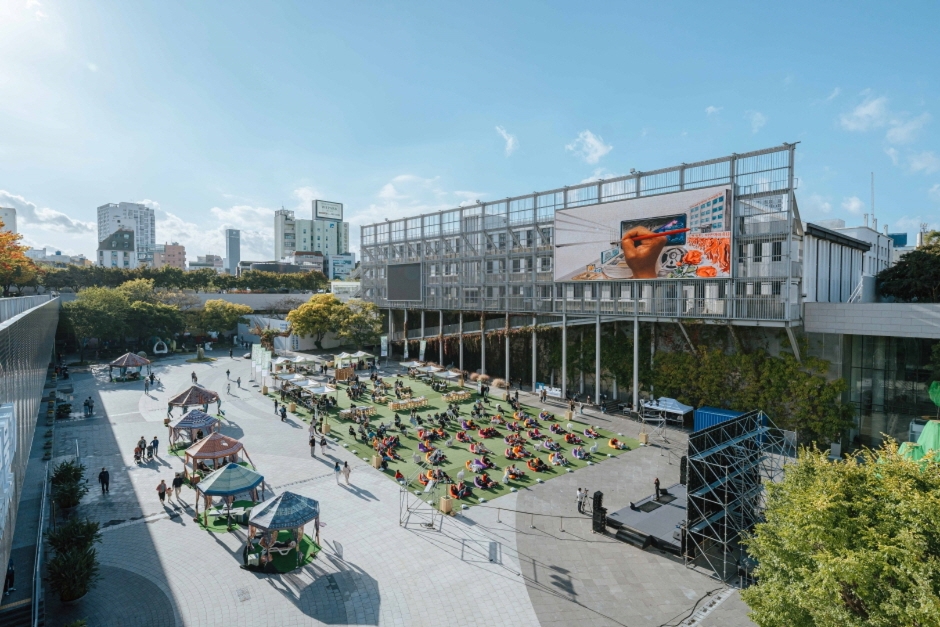
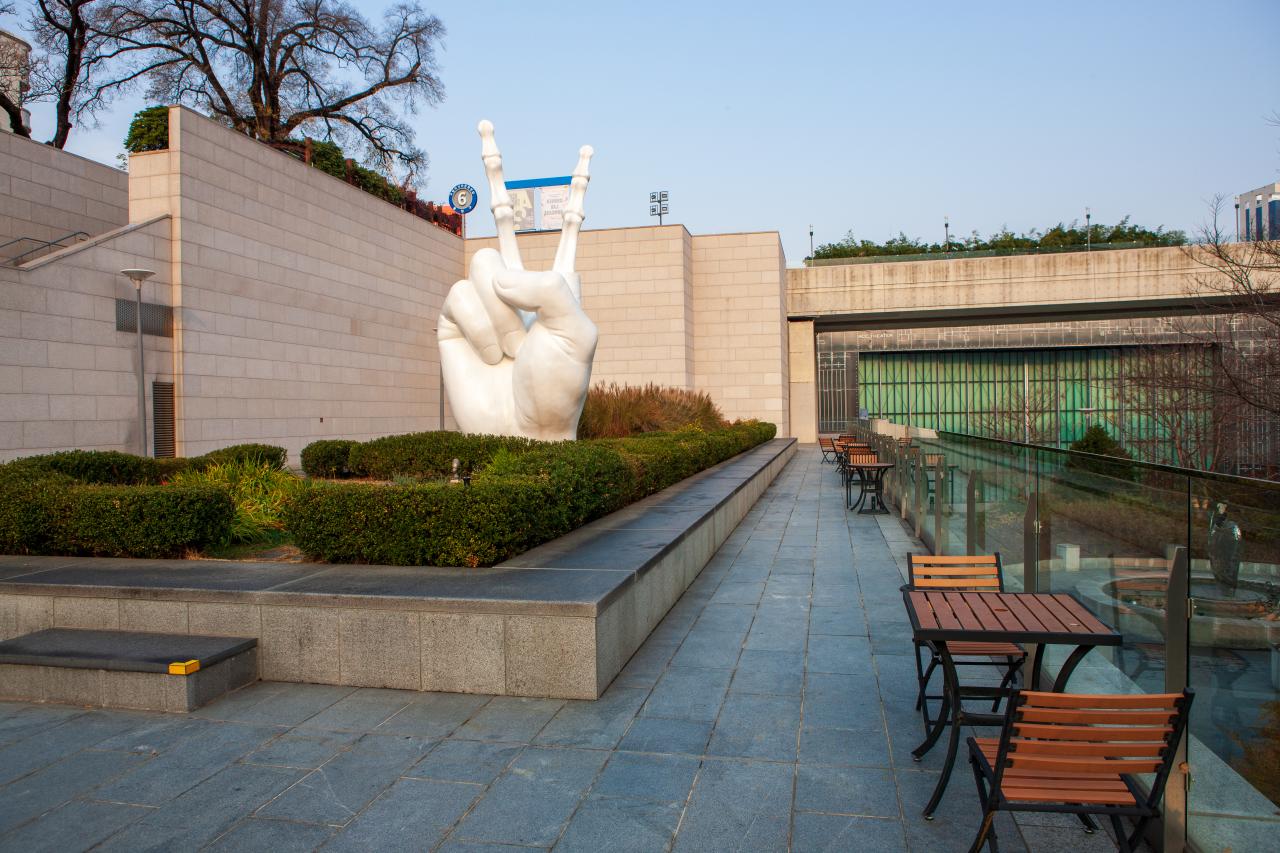
Asia Culture Center (ACC) representative scenic panoramaZoom
+1More
1 / 6
Asia Culture Center (ACC) representative scenic panorama
Curator's Guide & Overview
Comprehensive Guide1. Historical Origins & Cultural Background
The Asia Culture Center (ACC) occupies the sacred ground of the 1980 May 18 Gwangju Democratization Movement—the former Jeollanam-do Provincial Hall, where civic defenders made their final stand for Korean democracy. To honor this solemn legacy without overshadowing the historic buildings, architect Kyu Sung Woo designed the massive 160,000-square-meter facility with an ingenious 'Forest of Light' concept: sinking the monumental functional galleries below ground while creating an expansive open rooftop public park above.
2. Architectural Highlights & Key Structures
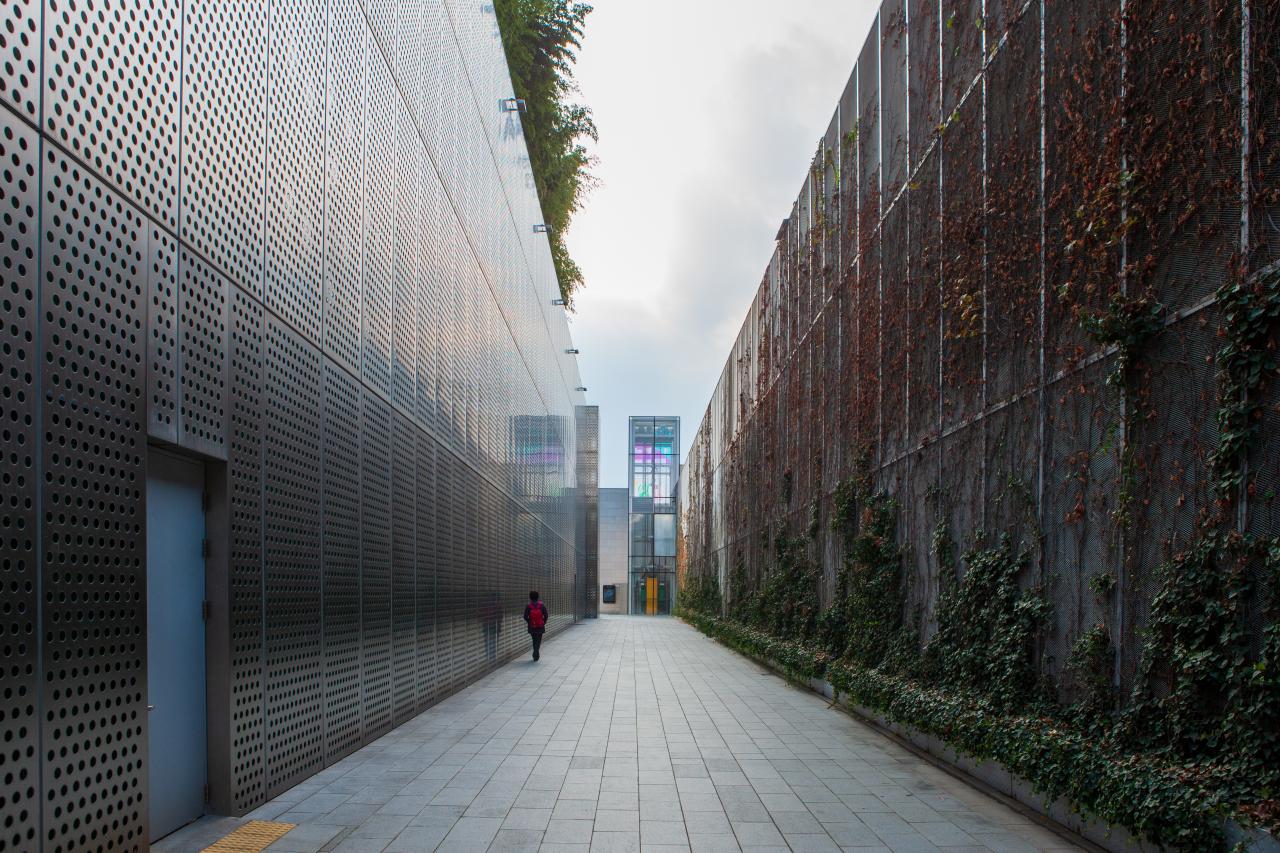
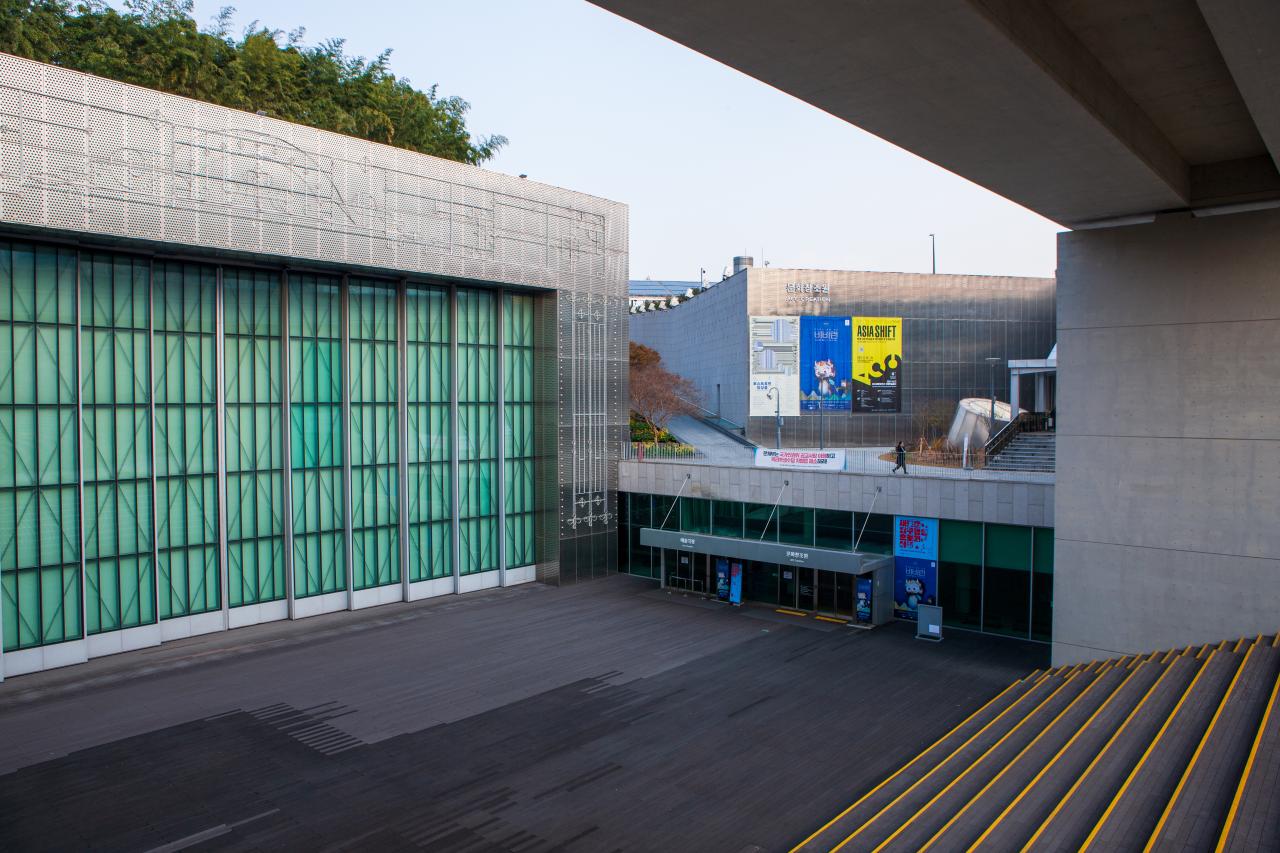
Natural daylight penetrates up to 25 meters beneath the earth through hundreds of architectural light funnels and sunken courtyards. The complex incorporates five specialized functional divisions: ACC Creation (avant-garde media art galleries), ACC Archive & Research (Asian cultural research library), ACC Theater (modular experimental performance stages), ACC Children (Korea’s largest creative children’s culture playground), and the preserved May 18 Democracy Square.
3. Four Seasons Landscape & Seasonal Visiting Charms
Spring brings blooming cherry trees, tulips, and outdoor craft markets across the open rooftop lawns. Summer evenings draw young crowds to the sunken outdoor amphitheater for the ACC World Music Festival and cooling night fountain projections. Autumn hosts international media art biennales, and winter illuminates the sunken courtyards in spectacular LED light installations.
4. Operating Hours & Peak Viewing Times
The outdoor park and open-air sunken plazas are accessible daily from 06:00 to 22:00. Indoor exhibition galleries and libraries operate Tuesday through Sunday from 10:00 to 18:00, with extended evening hours until 20:00 on Wednesdays and Saturdays (closed Mondays). Weekday afternoons offer unhurried, contemplative exploration of vast gallery spaces.
5. Admission Fees & Concessions (Youth/Foreigner Discounts)
Admission to the ACC outdoor park, May 18 Memorial Hall, and general permanent exhibitions is completely free. High-profile international collaborative media art exhibitions charge nominal tickets ranging from 3,000 to 7,000 KRW.
7. Barrier-Free Accessibility & Visitor Amenities
The entire facility was engineered as a benchmark for universal barrier-free accessibility. Smooth outdoor elevators connect the rooftop park to the subterranean courtyards 25 meters below. Broad interior ramps, automated doors, tactile paving blocks, and wheelchair-accessible restrooms are provided throughout. Wheelchairs and strollers are loaned free of charge at the information desk.
8. Recommended Walking Route & Highlights Tour
Emerge from Metro Exit 3 into Sunken Plaza → inspect the preserved historic Provincial Hall building and May 18 Clock Tower → tour contemporary media installations in ACC Creation Space 1 & 2 → browse the Asian Culture Library and reading lounge → ascend via glass elevator to the rooftop sky park for panoramic city views (approx. 2 to 3 hours).
9. Local Food Specialties & Regional Flavors
Gwangju is recognized as Korea’s culinary capital (Taste of Gwangju). Adjacent to ACC lies Dongmyeong-dong Cafe Street, famed for trendy bakery cafes, Sangchu Twigim (crispy fried squid wrapped in fresh lettuce with spicy soy vinegar dip), and authentic Songjeong-style Tteokgalbi (succulent grilled minced beef and pork patties).
10. Dietary Options (Vegetarian, Halal & Allergen Guide)
Dongmyeong-dong features innovative vegetarian bistros serving avocado salads, vegan curries, and soy milk pastries. Within 500 meters, authentic Indian and Turkish halal-certified restaurants cater to international artists and travelers.
11. Signature Photo Spots & Golden Hour Lighting
Prime photo angles: the futuristic cylindrical glass light funnels reflecting sunset clouds on the rooftop lawn, the sweeping sunken amphitheater framed by modern concrete colonnades, and the contrast between the vintage 1930s Provincial Hall facade and the minimalist underground architecture.
12. Visitor Etiquette & Cultural Property Regulations
Quiet and respectful behavior is expected near the May 18 Memorial zones. Inside exhibition galleries, do not touch delicate digital sensors or art installations unless explicitly marked as interactive. Photography without flash is permitted.
13. Safety Precautions & 1330 Tourism Hotline Support
The ACC features a central emergency medical station with certified nursing staff in the administrative building. Comprehensive CCTV security and fire suppression systems operate around the clock. Dial 1330 for tourist interpretation.
14. Nearby Connected Attractions & Walking Links
The historic Yangnim-dong Penguin Village and Western Missionary Quarter lie 10 minutes south on foot, while Dongmyeong-dong cafe boulevard borders the east gate.
15. Frequently Asked Questions (FAQ)
Q: Why is most of the building underground? A: Architect Kyu Sung Woo deliberately submerged the massive modern building beneath the earth so that it would not overpower the modest historic May 18 Provincial Hall, transforming the roof into a democratic green park for the citizens of Gwangju.
16. Regional Extended Day Trip Itinerary
Morning visit to the Asia Culture Center and May 18 Memorial → lunch of Sangchu Twigim or Tteokgalbi in Dongmyeong-dong → afternoon walk through Yangnim-dong Penguin Village → sunset view from Sajik Park Observatory.
Essential Visitor Facts
Operating Hours
Outdoor Grounds & ACC Plaza: 06:00 - 22:00; Exhibition Halls: 10:00 - 18:00 (Wed/Sat extended to 20:00, Closed Mondays)
Admission / Price
Outdoor Plaza & Core Galleries: Free; Special Ticketed Exhibitions: 3,000 - 7,000 KRW
Closed Days
Open 365 Days
Best Time to Visit
Morning (around 09:30-10:00)
Transit & Access Directions
Gwangju Metro Line 1 Culture Complex Station Exit 3 or 4 (Direct underground passage connection)
Accessibility & Special Amenities
Wheelchair ramps, tactile paving, accessible restrooms
Location Coordinates
Latitude: 35.1465
Longitude: 126.9205
Discover Themes & Highlights
Key interest areas and cultural highlights:
#asia-culture-center#VisitGwangju#KoreaTravelAtlas
Community Traveler Reviews0 Reviews
Visitor tips, feedback, and questions submitted by real travelers.
No community reviews submitted yet. Be the first traveler to share your experience!
Connected Cultural Destinations
Handpicked nearby attractions and regional cultural highlights.

Mudeungsan National Park (Jusangjeolli)
무등산국립공원 (주상절리대)Mudeungsan National Park (Jusangjeolli), Gwangju, South Korea
Mudeungsan National Park is a UNESCO Global Geopark soaring 1,187 meters above Gwangju, world-famous for its colossal 87-million-year-old polygonal volcanic columnar joints.
Morning (around 09:30-10:00)
Details→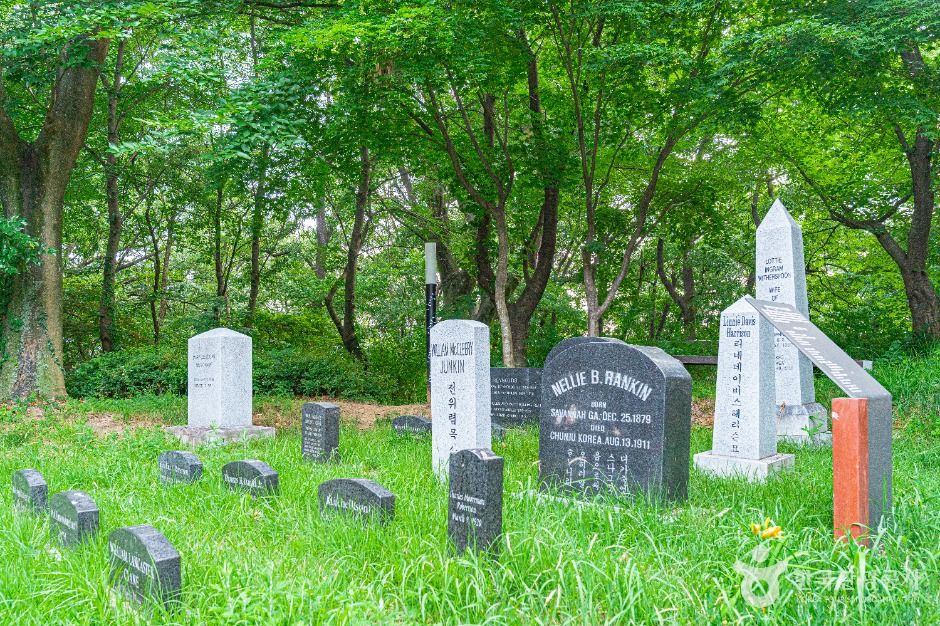
Yangnim-dong & Penguin Village
양림동 역사문화마을 (펭귄마을)Yangnim-dong & Penguin Village, Gwangju, South Korea
Yangnim-dong is Gwangju’s premier modern history and arts quarter, blending 120-year-old Western missionary brick manors with the whimsical upcycled junk-art alleys of Penguin Village.
Morning (around 09:30-10:00)
Details→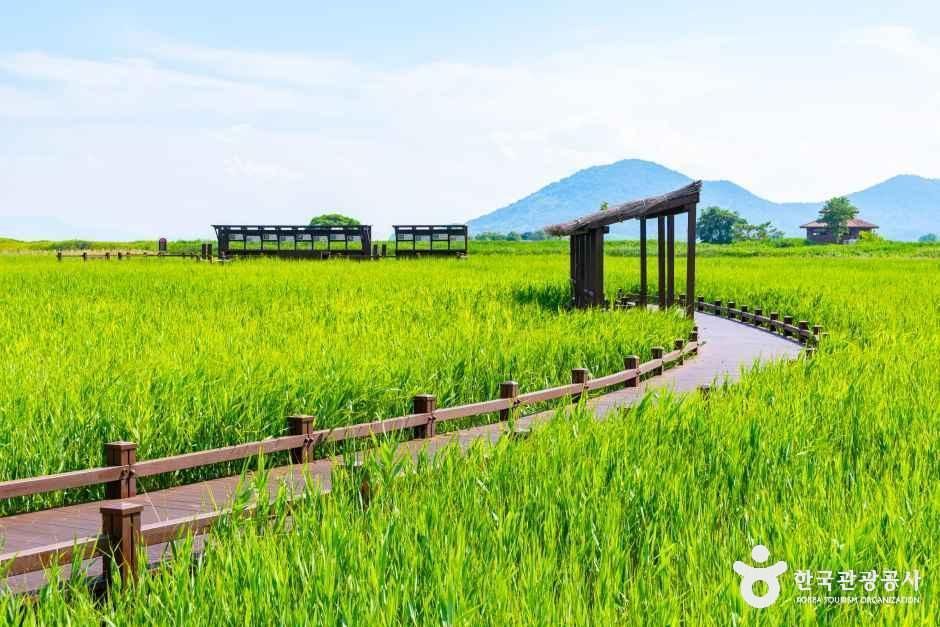
Suncheonman Bay Wetland Reserve
순천만습지Suncheonman Bay Wetland Reserve, Suncheon, Jeonnam, South Korea
Suncheonman Bay Wetland Reserve is a world-class UNESCO coastal biosphere reserve covering 28 square kilometers of expansive tidal mudflats and the densest natural reed forest in South Korea. The b...
Morning (around 09:30-10:00)
Details→