Gwangju•Culture•Art & Mural Village
Yangnim-dong & Penguin Village
양림동 역사문화마을 (펭귄마을)
Powered by Korea Tourism OrganizationAddress: Yangnim-dong & Penguin Village, Gwangju, South Korea (광주광역시 남구 천변좌로446번길 7 일원 (양림동))
Editorial review pending
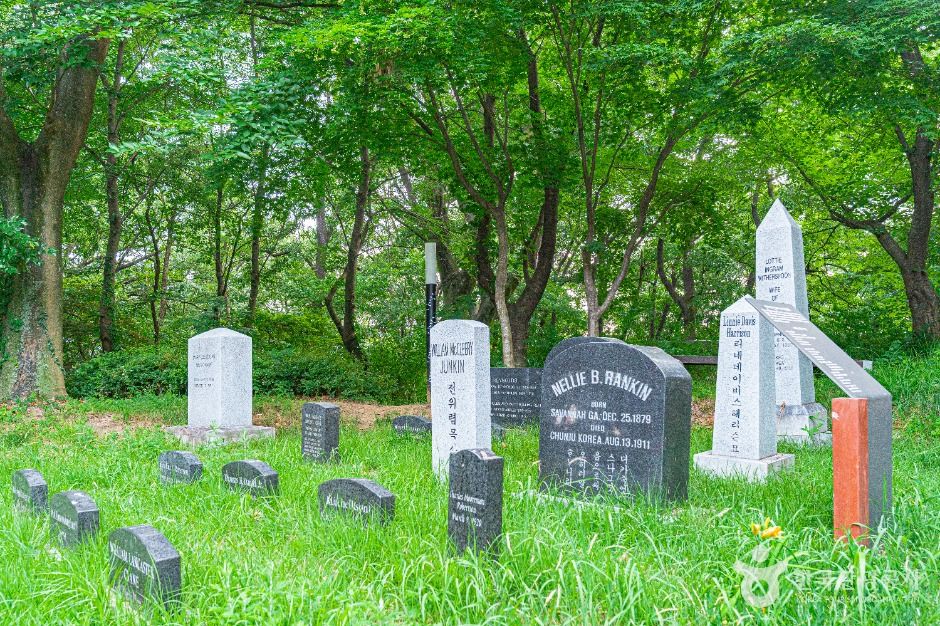
Yangnim-dong & Penguin Village representative scenic panoramaZoom


+1More
1 / 6
Yangnim-dong & Penguin Village representative scenic panorama
Curator's Guide & Overview
Comprehensive Guide1. Historical Origins & Cultural Background
In 1904, American Southern Presbyterian missionaries, including Eugene Bell and Clement Owen, arrived in Yangnim-dong—then a desolate cemetery hill for the poor—and established Gwangju's first Western school (Speer Girls' School) and modern hospital (Gwangju Christian Hospital). Over a century later in 2013, after a fire damaged a residential house, local elder Kim Dong-gyun and village seniors began decorating the alley with discarded clocks, radios, and mirrors. The charming, waddling gait of the village elders inspired the whimsical name 'Penguin Village'.
2. Architectural Highlights & Key Structures
The neighborhood forms a living museum of architectural contrasts: early 20th-century Dutch-colonial and Victorian red-brick missionary residences (such as the 1920 Wilson Missionary House and the grey-brick Owen Memorial Hall), Joseon traditional gentry estates like the House of Choe Seung-hyo, and the vibrant maze of Penguin Village decorated with whimsical junk-art clocks, tin signs, and nostalgic retro toys.
3. Four Seasons Landscape & Seasonal Visiting Charms
Spring brings blooming magnolia and cherry trees framing the century-old brick missionary houses. Summer fills the tree-shaded residential lanes with artistic gallery-hoppers and outdoor craft workshops. Autumn covers the missionary gardens in golden ginkgo foliage and sweet persimmons. Winter offers quiet nostalgia with snow settling over antique clay tiles, wooden garden benches, and quirky metal sculptures.
4. Operating Hours & Peak Viewing Times
The outdoor alleys of Penguin Village and the heritage street are open 24 hours daily with free access. Interior heritage museums, missionary memorial halls, and craft workshops operate Tuesday through Sunday from 10:00 to 17:00 (closed Mondays). Visiting between 14:00 and 17:00 provides soft afternoon light and bustling craft studios.
5. Admission Fees & Concessions (Youth/Foreigner Discounts)
Admission to Yangnim-dong, the Penguin Village outdoor alleys, the missionary manors, and Lee Jang-woo's traditional house is completely free of charge. Hands-on upcycling craft classes and pottery workshops cost 5,000 to 15,000 KRW.
6. Public Transit & Subway Exit Directions
Take Gwangju Metro Line 1 to Namgwangju Station (Exit 3). Walk west across the Gwangjucheon footbridge for 8 minutes to enter Yangnim-dong. Alternatively, walk 10 minutes south from Culture Complex Station (Exit 1).
7. Barrier-Free Accessibility & Visitor Amenities
The main avenues and Penguin Village central plaza are flat, paved with brick and level flagstones, accommodating wheelchairs and baby strollers. The hill approach to the Wilson Missionary House features a gentle asphalt incline. Modern accessible public restrooms are situated beside the Penguin Village Craft Workshop Center.
8. Recommended Walking Route & Highlights Tour
Start at Penguin Village Main Gate → pose at the vintage Clock Wall and retro junk-art alleys → visit Penguin Craft Workshop → walk up toward Owen Memorial Hall (historic red-brick church hall) → explore Lee Jang-woo's traditional Joseon Hanok → climb the scenic hill to the Wilson Missionary House → enjoy tea at a restored hanok cafe (approx. 2 hours).
9. Local Food Specialties & Regional Flavors
Yangnim-dong is famous for artisanal bakeries and local culinary heritage: Yangnim Bakery's fresh onion bread, Penguin-shaped custard pastries (Penguin-ppang), crispy pork cutlets at retro bistros, and seafood soup at the adjacent Namgwangju Traditional Market.
10. Dietary Options (Vegetarian, Halal & Allergen Guide)
Artisan cafes offer soy milk lattes, vegan carrot cakes, and fresh fruit tarts. Restored hanok tea houses serve traditional wild green tea from Mount Jirisan. Plant-based grain bowls and tofu salads are served at contemporary fusion cafes along the main lane.
11. Signature Photo Spots & Golden Hour Lighting
Best photo spots: standing before the whimsical Penguin Clock Wall covered in dozens of antique ticking clocks, posing with the funny painted penguin statues wearing winter scarves, and capturing the vintage red-brick facade of the Wilson Missionary House framed by centenarian oak trees.
12. Visitor Etiquette & Cultural Property Regulations
Yangnim-dong is an active residential quarter with a high elderly population. Speak in quiet voices, do not peer into private windows or courtyards, and treat the whimsical outdoor art installations with care.
13. Safety Precautions & 1330 Tourism Hotline Support
The Yangnim-dong Tourism Information Center is situated at the village entrance, staffed with bilingual guides and first aid kits. The area is monitored by municipal safety CCTV. Multilingual phone assistance is accessible via 1330.
14. Nearby Connected Attractions & Walking Links
The Asia Culture Center (ACC) is located just 10 minutes north across the river, while Sajik Park Observatory offering panoramic Gwangju city views rises immediately to the west.
15. Frequently Asked Questions (FAQ)
Q: Why is it called Penguin Village? A: The name honors the elderly village grandfathers and grandmothers who walked with a slow, waddling gait due to knee arthritis; the community lovingly celebrated their resilient spirit by adopting the penguin as the village's playful artistic emblem.
16. Regional Extended Day Trip Itinerary
Morning stroll through Penguin Village and Yangnim-dong missionary manors → onion bread tasting at Yangnim Bakery → lunch of traditional Korean soup at Namgwangju Market → afternoon contemporary art exploration at Asia Culture Center.
Essential Visitor Facts
Operating Hours
Open 24/7 (Outdoor Penguin Village and Historic Alleys); Museums and Missionary Manors: 10:00 - 17:00 (Closed Mondays)
Admission / Price
Free Village Admission (Both Penguin Village & Historic Manors 100% Free)
Closed Days
Open 365 Days
Best Time to Visit
Morning (around 09:30-10:00)
Transit & Access Directions
Gwangju Metro Line 1 Namgwangju Station Exit 3 (8 min walk west) or Culture Complex Station Exit 1 (10 min walk south)
Accessibility & Special Amenities
Wheelchair ramps, tactile paving, accessible restrooms
Location Coordinates
Latitude: 35.1412
Longitude: 126.9142
Discover Themes & Highlights
Key interest areas and cultural highlights:
#yangnim-dong-penguin-village#VisitGwangju#KoreaTravelAtlas
Community Traveler Reviews0 Reviews
Visitor tips, feedback, and questions submitted by real travelers.
No community reviews submitted yet. Be the first traveler to share your experience!
Connected Cultural Destinations
Handpicked nearby attractions and regional cultural highlights.
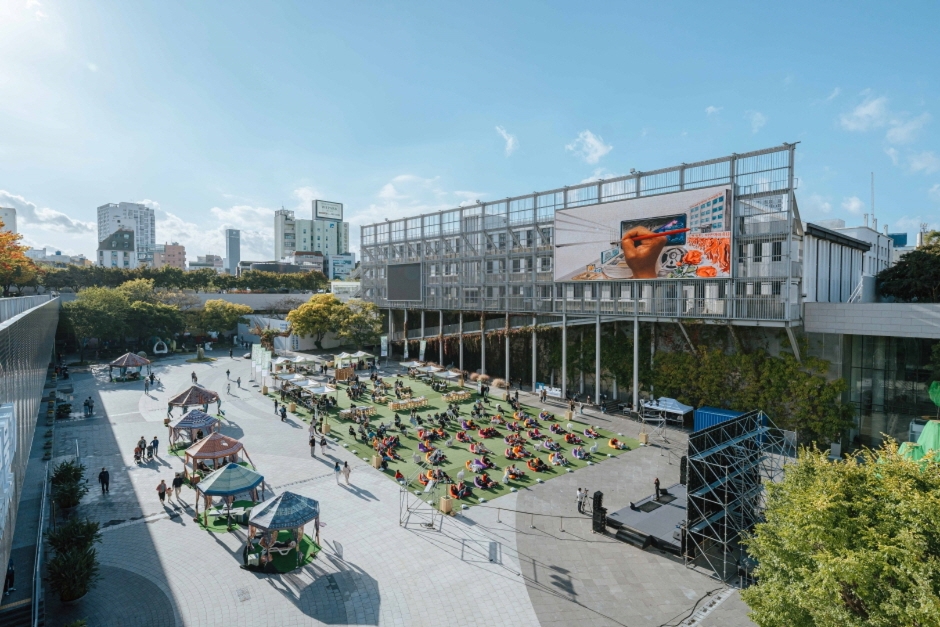
Asia Culture Center (ACC)
국립아시아문화전당 (ACC)Asia Culture Center (ACC), Gwangju, South Korea
Asia Culture Center is a world-class subterranean cultural sanctuary designed by Kyu Sung Woo on the historic May 18 Gwangju Uprising site, featuring cutting-edge arts and sunken plazas.
Morning (around 09:30-10:00)
Details→
Mudeungsan National Park (Jusangjeolli)
무등산국립공원 (주상절리대)Mudeungsan National Park (Jusangjeolli), Gwangju, South Korea
Mudeungsan National Park is a UNESCO Global Geopark soaring 1,187 meters above Gwangju, world-famous for its colossal 87-million-year-old polygonal volcanic columnar joints.
Morning (around 09:30-10:00)
Details→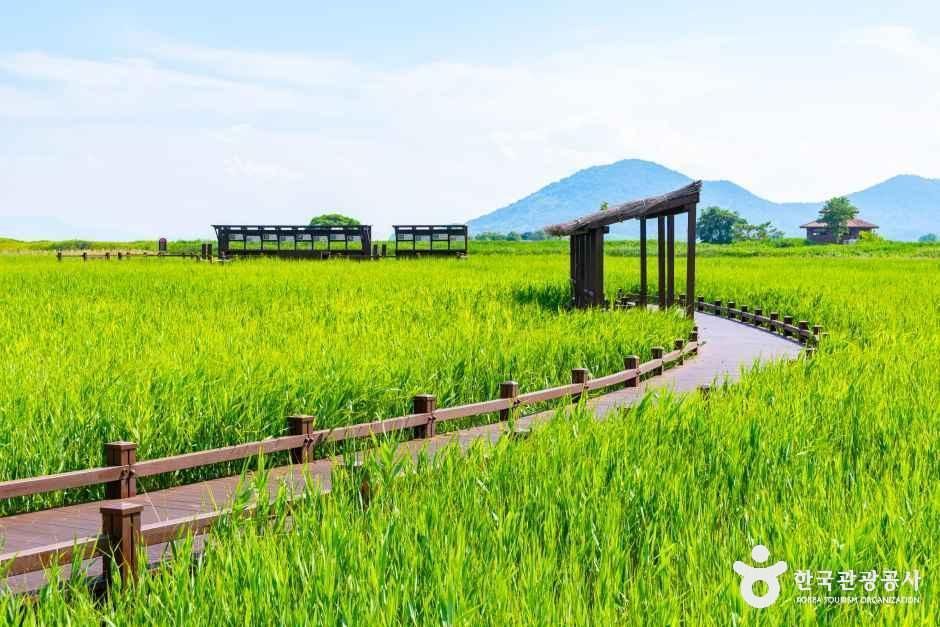
Suncheonman Bay Wetland Reserve
순천만습지Suncheonman Bay Wetland Reserve, Suncheon, Jeonnam, South Korea
Suncheonman Bay Wetland Reserve is a world-class UNESCO coastal biosphere reserve covering 28 square kilometers of expansive tidal mudflats and the densest natural reed forest in South Korea. The b...
Morning (around 09:30-10:00)
Details→