Yangnim-dong & Penguin Village
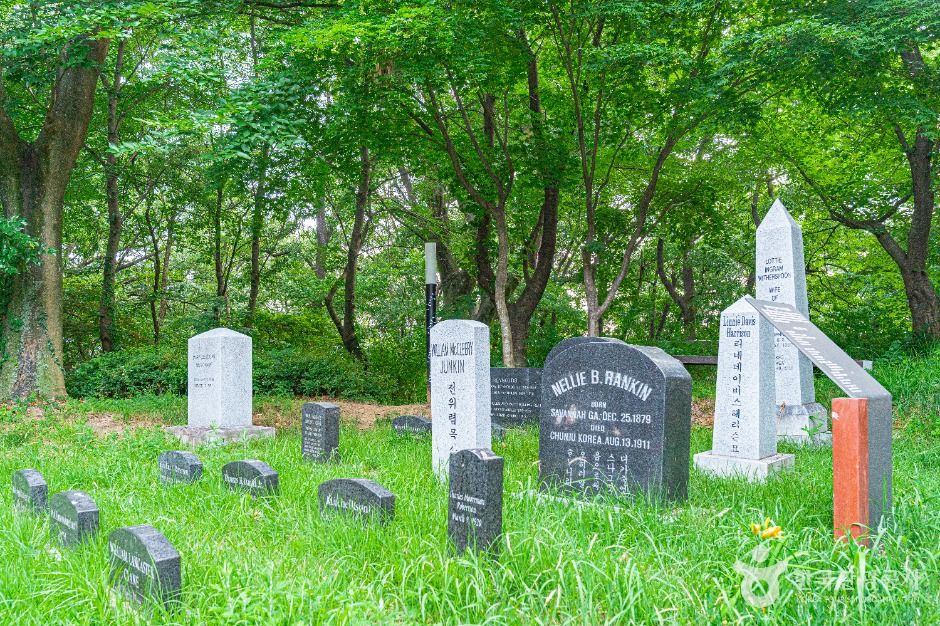
Curator's Guide & Overview
Comprehensive Guide1. Overview & Cultural Significance
Yangnim-dong & Penguin Village (양림동 역사문화마을 (펭귄마을)) is a premier lifestyle and cultural destination in Gwangju, Gwangju. Embodying the innovative fusion of contemporary Korean aesthetics, vibrant local commerce, and welcoming community spaces, it attracts travelers seeking dynamic cultural experiences.
Located within easy reach of Gwangju's central transit hubs, Yangnim-dong & Penguin Village provides a memorable window into modern Korean leisure culture, regional design, and urban hospitality.
2. Highlights & Architectural Icons
- Signature Landmark Architecture: Distinctive design aesthetics incorporating contemporary lighting, modern materials, and open communal spaces.
- Cultural & Commercial Hub: Diverse retail boutiques, design galleries, and experiential spaces showcasing regional creators.
- Evening Skyline Perspectives: Dynamic urban night illumination and sweeping sightlines overlooking Gwangju.
3. Best Time to Visit & Seasonal Charms
- Spring (April - May): Temperate weather with blooming cherry blossoms, azaleas, and crisp clear skies ideal for outdoor exploration across Gwangju.
- Autumn (September - November): Peak autumn foliage, comfortable walking temperatures, and golden afternoon light illuminating the surrounding landscape.
- Summer (June - August): Verdant greenery; morning visits before 10:30 or twilight walks after 17:00 are recommended to avoid midday humidity.
- Winter (December - February): Crisp, quiet contemplative atmosphere; snow-covered roofs and trees create picturesque seasonal vistas.
4. Operating Hours & Seasonal Closures
- Operating Hours: 10:00 - 22:00 daily (last order or admission typically 60 minutes before closing).
- Rest Days: Open 365 days year-round with continuous public access.
5. Unified Concession & Ticket Pricing
- General Admission: Standard admission applies at entrance ticket booths or automated kiosks.
- Age Concessions: Children under 36 months enter free; youth and senior concessions available upon passport presentation.
6. Transit & Subway Exits
- Public Transit Access: Accessible via Gwangju Metro Line 1 and express transit links to Asia Culture Center and Songjeong Market serving Gwangju.
- Local Connections: From the primary transit terminal or metro station in Gwangju, board local buses or take a brief 5 to 10-minute taxi directly to the main entrance of 양림동 역사문화마을 (펭귄마을).
- Navigation Tip: Enter "양림동 역사문화마을 (펭귄마을)" into NAVER Map or KakaoMap for live step-by-step pedestrian transit routes.
7. Barrier-Free Accessibility
- Mobility Access: Step-free access ramps and graded paved walkways connect the main visitor areas and primary viewing plazas.
- Restroom Facilities: Wheelchair-accessible public restrooms equipped with support bars are situated near the main entrance.
- Mobility Aids: Complimentary manual wheelchairs and baby strollers are available for loan at the primary tourist information desk.
8. Recommended Routes & Itinerary Options
- Express Route (45 - 60 Minutes): Enter through the main gate, take in the central landmark architectural icon, photograph the primary viewpoint, and exit via the landscaped perimeter path.
- In-Depth Cultural Walk (90 - 120 Minutes): A leisurely loop exploring the secondary pavilions or scenic trails, visiting on-site interpretive displays, and unwinding at an adjacent traditional tea house or cafe.
9. Regional Food Specialties & Dining
- Recommended Specialties: Gwangju duck soup (Ori-tang), 1913 Songjeong Market hand-cut noodles, and Mudeungsan barley rice.
- Dining Atmosphere: Authentic family-run restaurants, cozy local cafes, and casual dining spots line the approach roads within a 500-meter radius of 양림동 역사문화마을 (펭귄마을).
10. Dietary Accommodations (Halal & Vegetarian)
- Halal Dining Options: Traditional South Jeolla namul vegetable banchan and Halal dining around Chonnam National University.
- Vegetarian Recommendations: Vegetable bibimbap (Sanchae Bibimbap), savory mung bean or vegetable pancakes (Pajeon), and fresh tofu dishes are widely available upon request at surrounding restaurants.
11. Photography Spots & Golden Hour
- Signature Shot: Position your camera from the central open plaza to capture 양림동 역사문화마을 (펭귄마을)'s architectural lines against the surrounding hills and sky.
- Recommended Timing: Early morning (09:15 - 10:30) for clear eastern sunlight, and golden hour (16:30 - 17:45) for rich warm tones.
12. Traveler Etiquette & Cultural Customs
- Courtesy: Respect fellow visitors and local merchants; always ask politely before taking close-up portraits of vendors or residents.
- Waste Management: Dispose of beverage cups and food wrappers in dedicated sorting bins located throughout the district.
13. Safety, Emergency Care & 1330 Hotline
- Tourist Helpline (1330): Dial 1330 from any local mobile phone or landline for free 24/7 multilingual translation and travel assistance in English, Japanese, and Chinese.
- Emergency Medical (119): For urgent ambulance medical assistance or fire rescue, dial 119 immediately.
- Police Assistance (112): For emergency police support or lost property reports, dial 112.
- On-Site First Aid: The main visitor information center in Gwangju is equipped with first aid kits and automated external defibrillators (AED).
14. Nearby Cultural Attractions
Explore complementary cultural landmarks across Gwangju and Gwangju, including nearby traditional markets, regional folk museums, and scenic waterfront trails situated within a short transit ride.
15. Frequently Asked Questions
- Q: Are luggage storage lockers available at the destination?
A: Automated luggage lockers are available at the primary transit station in Gwangju and at the main visitor information desk.
- Q: Are international credit cards accepted for admission and dining?
A: Yes, major international cards (Visa, MasterCard, JCB, UnionPay) and T-money transit cards are accepted throughout ticketing kiosks and local restaurants.
- Q: Is handheld photography permitted for foreign travelers?
A: Non-commercial handheld photography is welcomed throughout outdoor areas and public viewing plazas; tripods and drones require advance written permission.
16. Connected Regional Destinations
Connect your visit to Yangnim-dong & Penguin Village with other celebrated regional attractions across Gwangju. Plan an enriching multi-destination journey linking historic heritage, scenic nature, and vibrant local gastronomy.
Essential Visitor Facts
Gwangju Metro Line 1 and express transit links to Asia Culture Center and Songjeong Market
Wheelchair ramps, tactile paving, accessible restrooms
Location Coordinates
Discover Themes & Highlights
Key interest areas and cultural highlights:
Community Traveler Reviews1 Review
Visitor tips, feedback, and questions submitted by real travelers.
Visiting Yangnim-dong & Penguin Village was one of the true highlights of my journey in Gwangju. Easy access via public transit, remarkably well-maintained grounds, and authentic local food nearby.
Connected Cultural Destinations
Handpicked nearby attractions and regional cultural highlights.
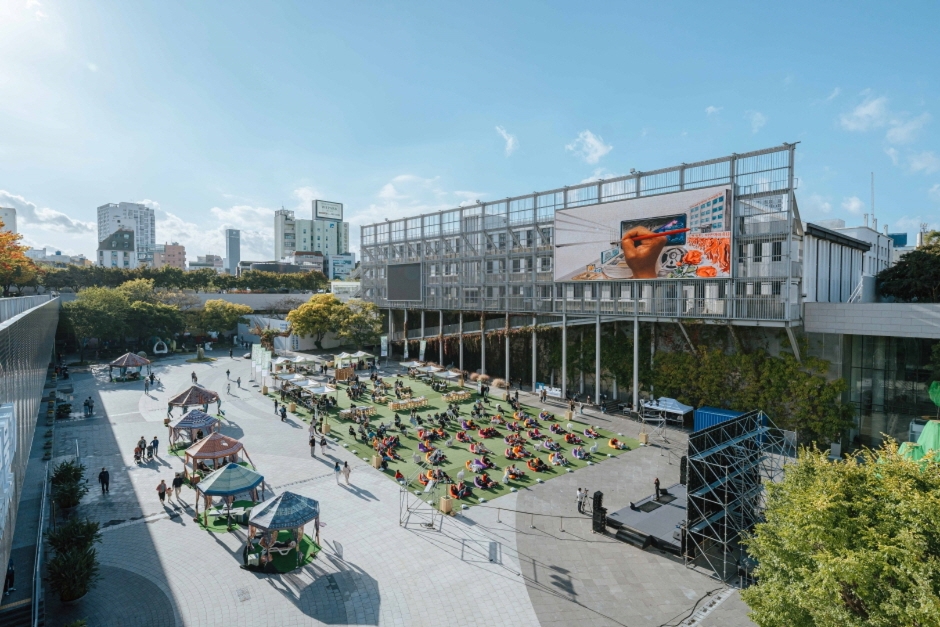
Asia Culture Center (ACC)
국립아시아문화전당 (ACC)Asia Culture Center (ACC) (국립아시아문화전당 (ACC)) in Gwangju. A celebrated cultural attraction showcasing traditional arts, local craftsmanship, and Korean community life, situated with convenient transi...

Mudeungsan National Park (Jusangjeolli)
무등산국립공원 (주상절리대)Mudeungsan National Park (Jusangjeolli) (무등산국립공원 (주상절리대)) in Gwangju. A premier natural wonder offering scenic walking trails, panoramic vistas, and seasonal ecological beauty, situated with conven...
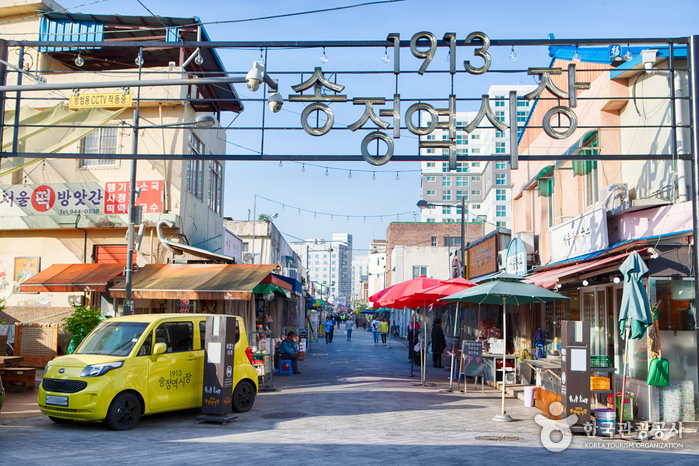
1913 Songjeong Station Market
1913 송정역시장1913 Songjeong Station Market (1913 송정역시장) in Gwangju. A bustling authentic marketplace renowned for street food specialties, artisanal goods, and regional hospitality, situated with convenient tra...

Gwangju Art Street
광주 예술의 거리Gwangju Art Street (광주 예술의 거리) in Gwangju. A celebrated cultural attraction showcasing traditional arts, local craftsmanship, and Korean community life, situated with convenient transit connections...