Gwangju•Nature•National Park
Mudeungsan National Park (Jusangjeolli)
무등산국립공원 (주상절리대)
Powered by Korea Tourism OrganizationAddress: Mudeungsan National Park (Jusangjeolli), Gwangju, South Korea (광주광역시 동구 증심사길 160 일원 (무등산 국립공원))
Editorial review pending

Mudeungsan National Park (Jusangjeolli) representative scenic panoramaZoom


+1More
1 / 6
Mudeungsan National Park (Jusangjeolli) representative scenic panorama
Curator's Guide & Overview
Comprehensive Guide1. Historical Origins & Cultural Background
Designated South Korea’s 21st National Park in 2013 and certified as a UNESCO Global Geopark in 2018, Mount Mudeungsan (1,187 meters) holds exceptional global geological significance. During the Cretaceous period roughly 87 million years ago, volcanic eruptions cooled slowly beneath thick ash blankets, cracking into monumental polygonal volcanic stone pillars—the largest high-altitude columnar joints on Earth situated above 1,000 meters elevation.
2. Architectural Highlights & Key Structures
The geological icons are Ipseokdae ('Standing Stone Terrace'), featuring dozens of pentagonal and hexagonal stone monoliths rising up to 30 meters high like petrified pipe organs, and Seoseokdae ('Auspicious Stone Terrace'), forming a magnificent 50-meter-wide stone colonnade that glistens like silver crystals when catching morning light. At the western foot sits the ancient Buddhist monastery Jeungsimsa, founded in 860 AD during Silla times.
3. Four Seasons Landscape & Seasonal Visiting Charms
Spring dresses the mountain trails in royal pink azaleas and soft mountain cherry blooms. Summer provides deep green forest canopies and refreshing crystalline streams at Wonhyo Valley. Autumn is magical as the wind whispers through shimmering silver grass fields on the Jangbuljae ridge, framing the grey volcanic stone columns. Winter turns Seoseokdae into a breathtaking ice kingdom draped in snow crystals and rime frost.
4. Operating Hours & Peak Viewing Times
The national park hiking trails are open daily from 04:00 to 17:00 (extended to 18:00 in summer; restricted to 05:00 to 16:00 in winter for safety). The easiest trail from Jeungsimsa to Ipseokdae takes roughly 2.5 to 3 hours uphill. Early morning departures around 07:00 provide pleasant temperatures and breathtaking panoramic views over Gwangju.
5. Admission Fees & Concessions (Youth/Foreigner Discounts)
Admission to Mudeungsan National Park and Jeungsimsa Temple is completely free of charge. Parking at the Jeungsimsa public lot carries a nominal municipal fee.
7. Barrier-Free Accessibility & Visitor Amenities
The lower 1.5-kilometer trail from the bus turnaround to Jeungsimsa Temple is designated as a barrier-free ecological path with gentle paved walkways and wooden decks accessible for wheelchairs and strollers. High mountain hiking trails to Ipseokdae and Seoseokdae consist of natural stone staircases requiring sturdy trekking shoes. Accessible restrooms are located at the Jeungsimsa terminus and the national park visitor center.
8. Recommended Walking Route & Highlights Tour
Jeungsimsa Bus Terminus → hike along the valley trail to Jeungsimsa Temple → climb toward Dangsan Tree rest area → reach the open silver grass plateau of Jangbuljae → marvel at the 30-meter stone pillars of Ipseokdae → ascend to the summit colonnade of Seoseokdae → descend via Jungmeorijae ridge (approx. 5 hours round trip).
9. Local Food Specialties & Regional Flavors
The Jeungsimsa trail village at the mountain base is celebrated for hearty hiker fare: Mudeungsan Boribap (nutritious barley rice bowls served with 15 fresh mountain herbs and fermented bean paste), sizzling seafood green onion pancakes (haemul-pajeon), and acorn jelly salad paired with local Mudeungsan makgeolli rice wine.
10. Dietary Options (Vegetarian, Halal & Allergen Guide)
Boribap restaurants are inherently vegetarian-friendly, serving entirely plant-based sets loaded with wild ferns, shepherd's purse, seasoned bean sprouts, and fresh perilla leaves. Tofu stew and boiled mountain greens are staples.
11. Signature Photo Spots & Golden Hour Lighting
Unmissable photo spots: standing at the Ipseokdae observation platform looking up at the colossal hexagonal stone pillars, the frozen rime-covered stone cliff of Seoseokdae in winter, and the vast sea of silver grass at Jangbuljae with the peak rising in the background.
12. Visitor Etiquette & Cultural Property Regulations
Maintain national park environmental ethics: pack out all trash, do not pick alpine plants, stay strictly on marked paths, and refrain from smoking or lighting stoves (strictly prohibited with heavy fines). Hiking after official sunset entry hours is forbidden.
13. Safety Precautions & 1330 Tourism Hotline Support
National Park Ranger rescue stations are operated at the base and Jangbuljae shelter. Automated external defibrillators (AED) and emergency call boxes are installed every 500 meters along major trails. Contact 119 or 1330 for emergency assistance.
14. Nearby Connected Attractions & Walking Links
Gwangju National Museum lies 20 minutes northwest, while the Asia Culture Center (ACC) and Yangnim-dong sit 15 minutes west by bus.
15. Frequently Asked Questions (FAQ)
Q: Is the summit open to the public? A: The highest peaks (Cheonwangbong and Jiwangbong) house military facilities and open during special civilian open days; however, Seoseokdae (1,100m) is open year-round and serves as the official summit viewing terrace offering panoramic views over the city.
16. Regional Extended Day Trip Itinerary
Early morning hike to Mudeungsan Ipseokdae and Seoseokdae columnar joints → hearty barley rice lunch at Jeungsimsa village → afternoon recovery foot spa or rest → evening cultural stroll through Asia Culture Center.
Essential Visitor Facts
Operating Hours
Open Daily 04:00 - 17:00 (Winter daylight hours 05:00 - 16:00 for hiking safety)
Admission / Price
Free National Park Admission (Both Park & Temple entry 100% free)
Closed Days
Open 365 Days
Best Time to Visit
Morning (around 09:30-10:00)
Transit & Access Directions
Gwangju Station or U-Square Bus Terminal -> Bus Cheomdan 09 or Jiwon 35 (Jeungsimsa terminus, 30 min)
Accessibility & Special Amenities
Wheelchair ramps, tactile paving, accessible restrooms
Location Coordinates
Latitude: 35.1342
Longitude: 126.9892
Discover Themes & Highlights
Key interest areas and cultural highlights:
#mudeungsan-national-park#VisitGwangju#KoreaTravelAtlas
Community Traveler Reviews0 Reviews
Visitor tips, feedback, and questions submitted by real travelers.
No community reviews submitted yet. Be the first traveler to share your experience!
Connected Cultural Destinations
Handpicked nearby attractions and regional cultural highlights.
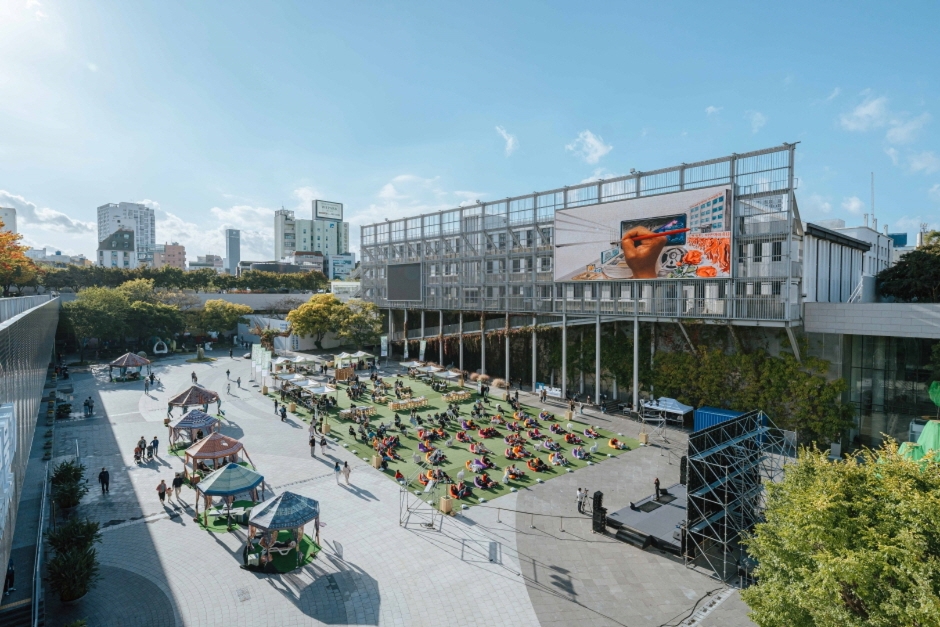
Asia Culture Center (ACC)
국립아시아문화전당 (ACC)Asia Culture Center (ACC), Gwangju, South Korea
Asia Culture Center is a world-class subterranean cultural sanctuary designed by Kyu Sung Woo on the historic May 18 Gwangju Uprising site, featuring cutting-edge arts and sunken plazas.
Morning (around 09:30-10:00)
Details→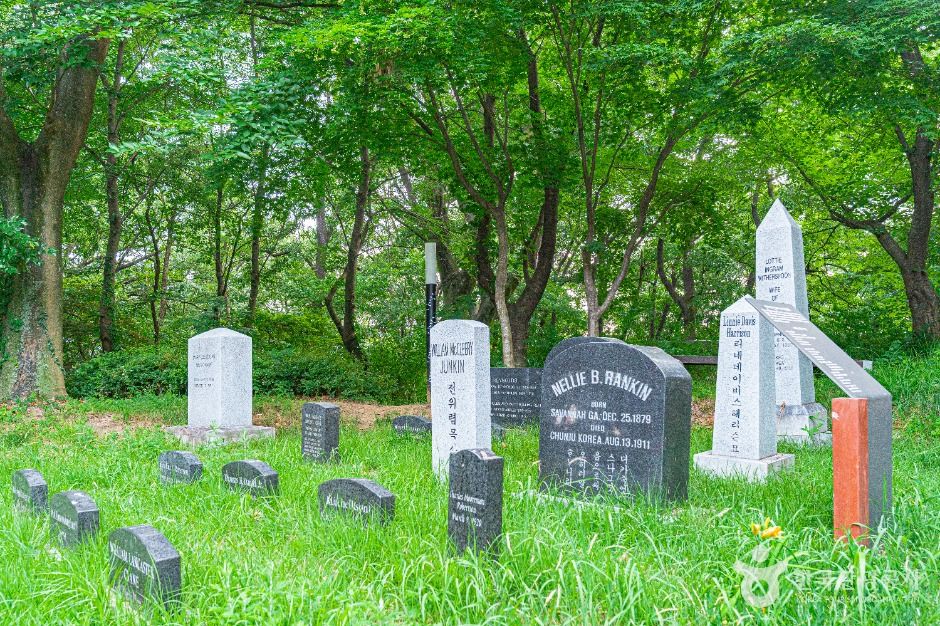
Yangnim-dong & Penguin Village
양림동 역사문화마을 (펭귄마을)Yangnim-dong & Penguin Village, Gwangju, South Korea
Yangnim-dong is Gwangju’s premier modern history and arts quarter, blending 120-year-old Western missionary brick manors with the whimsical upcycled junk-art alleys of Penguin Village.
Morning (around 09:30-10:00)
Details→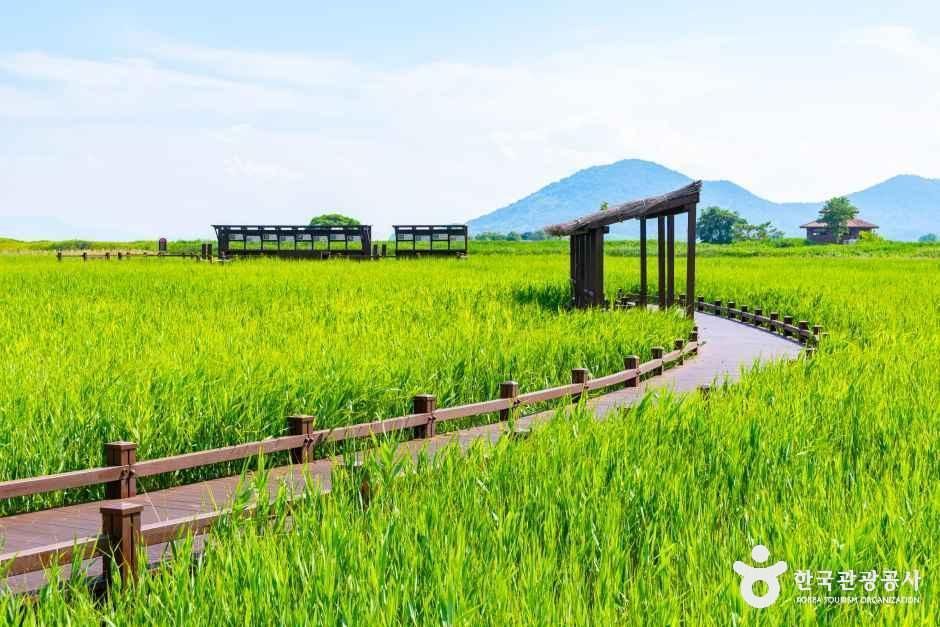
Suncheonman Bay Wetland Reserve
순천만습지Suncheonman Bay Wetland Reserve, Suncheon, Jeonnam, South Korea
Suncheonman Bay Wetland Reserve is a world-class UNESCO coastal biosphere reserve covering 28 square kilometers of expansive tidal mudflats and the densest natural reed forest in South Korea. The b...
Morning (around 09:30-10:00)
Details→
Yeosu Odongdo Island & Marine Cable Car
여수 오동도 및 해상케이블카Yeosu Odongdo Island & Marine Cable Car, Yeosu, Jeonnam, South Korea
Yeosu Odongdo Island and the Marine Cable Car form South Korea’s quintessential maritime spectacle, featuring an emerald islet carpeted with 3,000 crimson winter camellias and an exhilarating 1.5-k...
Morning (around 09:30-10:00)
Details→