Gwangju•Culture•Art & Mural Village
Gwangju Art Street
광주 예술의 거리
Powered by Korea Tourism OrganizationAddress: Gwangju Art Street, Gwangju, South Korea (광주광역시 동구 예술길 24 일원 (궁동))
Editorial review pending

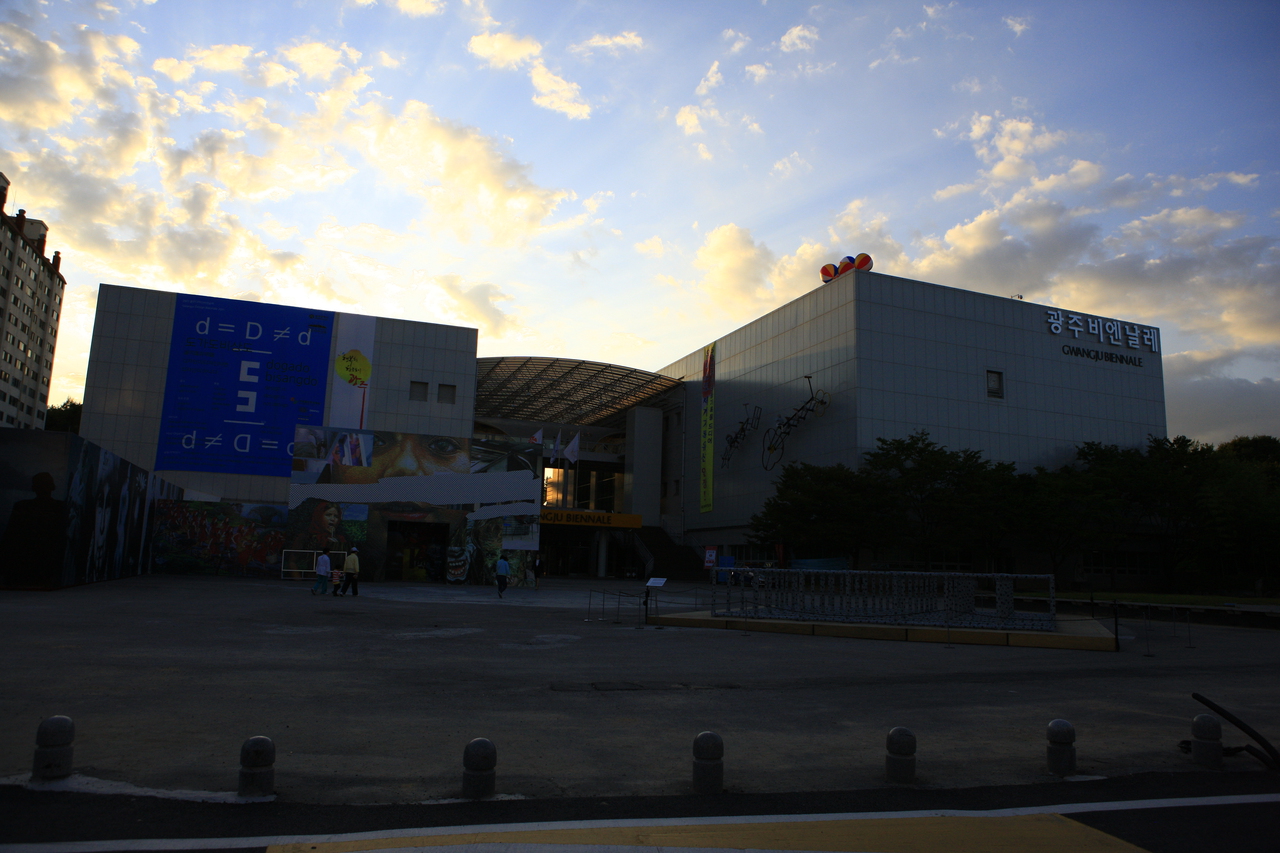
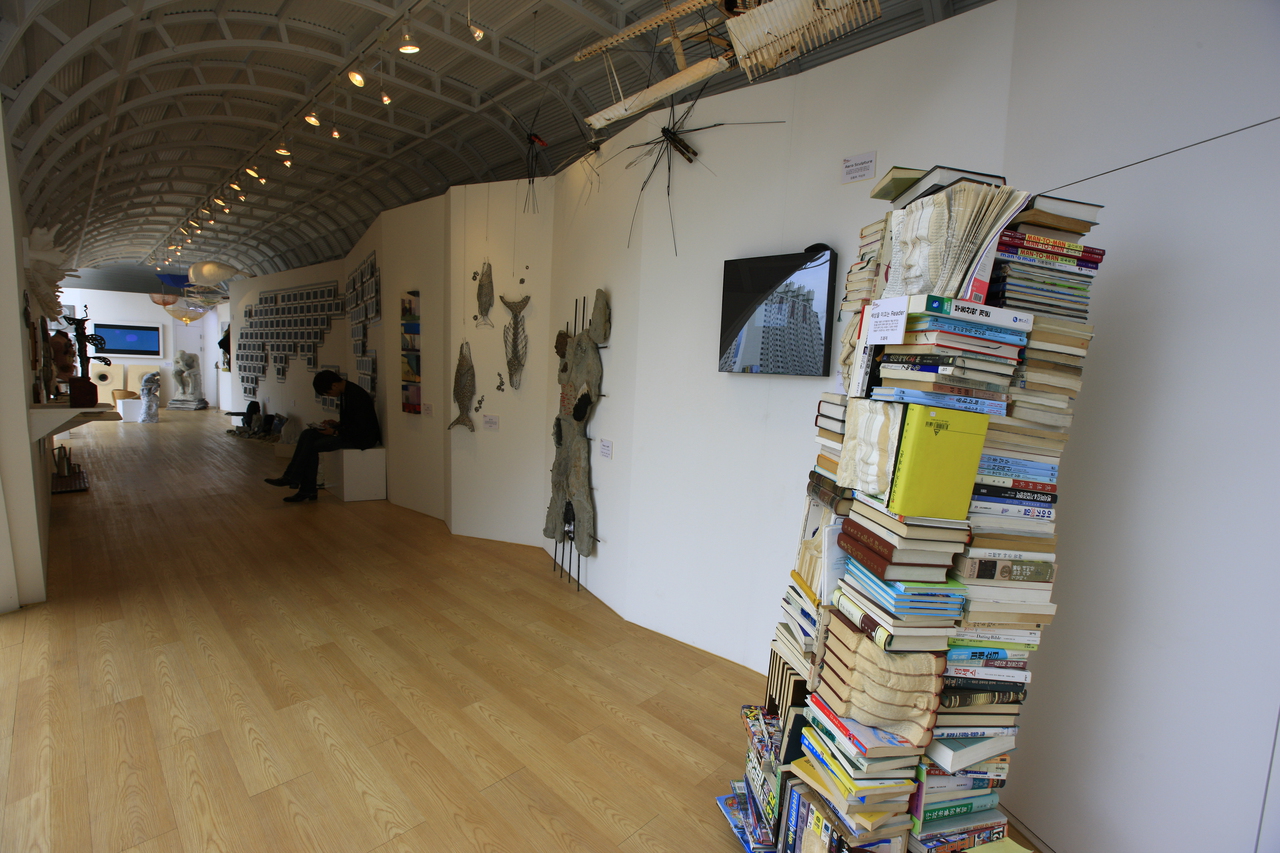
Gwangju Art Street representative scenic panoramaZoom


+1More
1 / 6
Gwangju Art Street representative scenic panorama
Curator's Guide & Overview
Comprehensive Guide1. Historical Origins & Cultural Background
Designated in 1987 as Gwangju's official cultural district, Art Street honors the luminous artistic legacy of the City of Light (Bikgoeul). Gwangju was the southern bastion of Korean ink-wash literati painting (Namjonghwa), nurtured by legendary masters such as Master Heo Baek-ryeon (Uijae) and Master Heo Gun (Namnong). For decades, scholars, calligraphers, and master ceramicists gathered along these Gung-dong alleyways to trade stone seals, rice paper, and ancient scrolls.
2. Architectural Highlights & Key Structures
The 300-meter stone-paved pedestrian boulevard is lined with over 80 specialized cultural establishments: heritage framing studios (pyogusa), traditional calligraphy brush artisans (pilbang), antique pottery shops, and independent contemporary art galleries. Sculptures, granite artist benches, and mosaic paving tiles depicting famous Korean landscape paintings punctuate the walkway.
3. Four Seasons Landscape & Seasonal Visiting Charms
Spring brings open-air painting exhibitions and cherry blossom art walks. Summer offers cool indoor art gallery viewing and the lively Gwangju Fringe Festival. Autumn is the cultural zenith, coinciding with the world-renowned Gwangju Biennale when international curators and art collectors throng the street. Winter offers warm, contemplative tea sessions inside vintage hanok tea houses.
4. Operating Hours & Peak Viewing Times
The pedestrian art boulevard is open 24 hours daily with free access. Galleries, framing workshops, and tea houses generally welcome visitors Tuesday through Sunday from 10:00 to 18:00. Every Saturday afternoon from 12:00 to 18:00, the street hosts the famous 'Ant Market' (Gaemi Jangteo), an open-air vintage flea market filled with brassware, old pottery, and antique coins.
5. Admission Fees & Concessions (Youth/Foreigner Discounts)
Strolling along Art Street and viewing permanent exhibitions inside commercial galleries and the Mudeung Gallery is completely free of charge. Antique curios and handmade ceramic tea cups range from 10,000 to 50,000 KRW.
6. Public Transit & Subway Exit Directions
Take Gwangju Metro Line 1 to Culture Complex Station (Exit 1) and walk 5 minutes northwest across Geumnam-ro. Alternatively, disembark at Geumnamno 4-ga Station (Exit 1) and walk 5 minutes straight east into Gung-dong.
7. Barrier-Free Accessibility & Visitor Amenities
The entire 300-meter street features a flush, curb-free granite pavement allowing smooth barrier-free movement for wheelchairs and strollers. Major commercial galleries provide ramped entries. Accessible public restrooms are located at the Gwangju Central Primary School entrance plaza and the Dong-gu Youth Center.
8. Recommended Walking Route & Highlights Tour
Enter Art Street from Geumnam-ro entrance → browse calligraphy brush artisans and inkstone shops → view contemporary paintings in Mudeung Gallery → explore vintage coins and folk porcelain in antique curiosity shops → relax with traditional wild green tea in an antique hanok tea house → cross south into the Asia Culture Center (approx. 90 minutes).
9. Local Food Specialties & Regional Flavors
Art Street and neighboring Chungjang-ro are home to authentic Namdo flavors: rich chilled soybean noodle soup (Kongmul-guksu), traditional barley rice with fresh wild greens, and Namdo Hanjeongsik (royal multi-course banquet serving over 20 seasonal side dishes in historic courtyards).
10. Dietary Options (Vegetarian, Halal & Allergen Guide)
Vegetarians will relish the street's traditional Buddhist tea rooms serving lotus flower tea, sweet potato rice cakes, and seasonal persimmon treats. Barley rice houses and noodle eateries near the Central Elementary School provide 100% plant-based meal sets.
11. Signature Photo Spots & Golden Hour Lighting
Top photo spots: the sculpted bronze artist brush monument at the street entrance, the picturesque courtyard of an old hanok antique tea shop with stone pagodas, and colorful outdoor art murals painted on gallery brick walls.
12. Visitor Etiquette & Cultural Property Regulations
Photography is permitted throughout the street, but ask gallery owners before taking close-up photos of original contemporary artworks. Handle antique ceramics and curios with extreme care.
13. Safety Precautions & 1330 Tourism Hotline Support
The Dong-gu Cultural Tourism Office monitors the street. Emergency call kiosks and AED defibrillators are available at the community center. Multilingual tourism help is accessible via 1330.
14. Nearby Connected Attractions & Walking Links
The Asia Culture Center (ACC) is located just 300 meters south, while the historic Chungjang-ro fashion street runs parallel to the west.
15. Frequently Asked Questions (FAQ)
Q: What happens during the Saturday Ant Market? A: Every Saturday, antique collectors and local elders spread colorful blankets along the street to sell vintage brassware, traditional folk paintings, old wooden chests, retro vinyl records, and ceramic treasures at negotiable prices.
16. Regional Extended Day Trip Itinerary
Morning art stroll through Gwangju Art Street → traditional Namdo Hanjeongsik lunch in Gung-dong → afternoon contemporary art viewing at Asia Culture Center → evening relaxation in Dongmyeong-dong.
Essential Visitor Facts
Operating Hours
Open 24/7 (Galleries and craft shops typically 10:00 - 18:00; Saturday Open Art Market 12:00 - 18:00)
Admission / Price
Free Street & Gallery Admission
Closed Days
Open 365 Days
Best Time to Visit
Morning (around 09:30-10:00)
Transit & Access Directions
Gwangju Metro Line 1 Culture Complex Station Exit 1 or Geumnamno 4-ga Station Exit 1 (5 min walk)
Accessibility & Special Amenities
Wheelchair ramps, tactile paving, accessible restrooms
Location Coordinates
Latitude: 35.1492
Longitude: 126.9198
Discover Themes & Highlights
Key interest areas and cultural highlights:
#gwangju-art-street#VisitGwangju#KoreaTravelAtlas
Community Traveler Reviews0 Reviews
Visitor tips, feedback, and questions submitted by real travelers.
No community reviews submitted yet. Be the first traveler to share your experience!
Connected Cultural Destinations
Handpicked nearby attractions and regional cultural highlights.
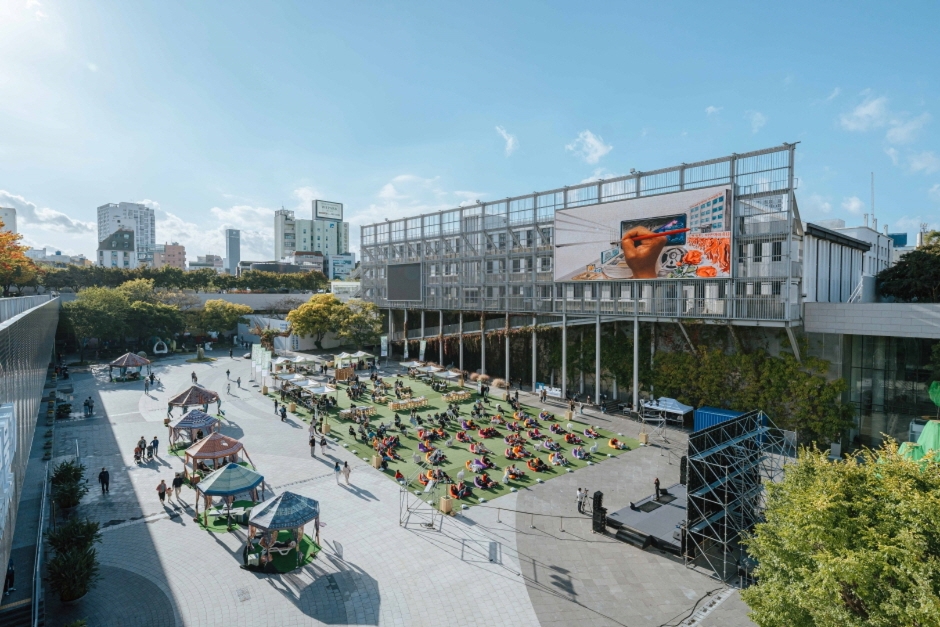
Asia Culture Center (ACC)
국립아시아문화전당 (ACC)Asia Culture Center (ACC), Gwangju, South Korea
Asia Culture Center is a world-class subterranean cultural sanctuary designed by Kyu Sung Woo on the historic May 18 Gwangju Uprising site, featuring cutting-edge arts and sunken plazas.
Morning (around 09:30-10:00)
Details→
Mudeungsan National Park (Jusangjeolli)
무등산국립공원 (주상절리대)Mudeungsan National Park (Jusangjeolli), Gwangju, South Korea
Mudeungsan National Park is a UNESCO Global Geopark soaring 1,187 meters above Gwangju, world-famous for its colossal 87-million-year-old polygonal volcanic columnar joints.
Morning (around 09:30-10:00)
Details→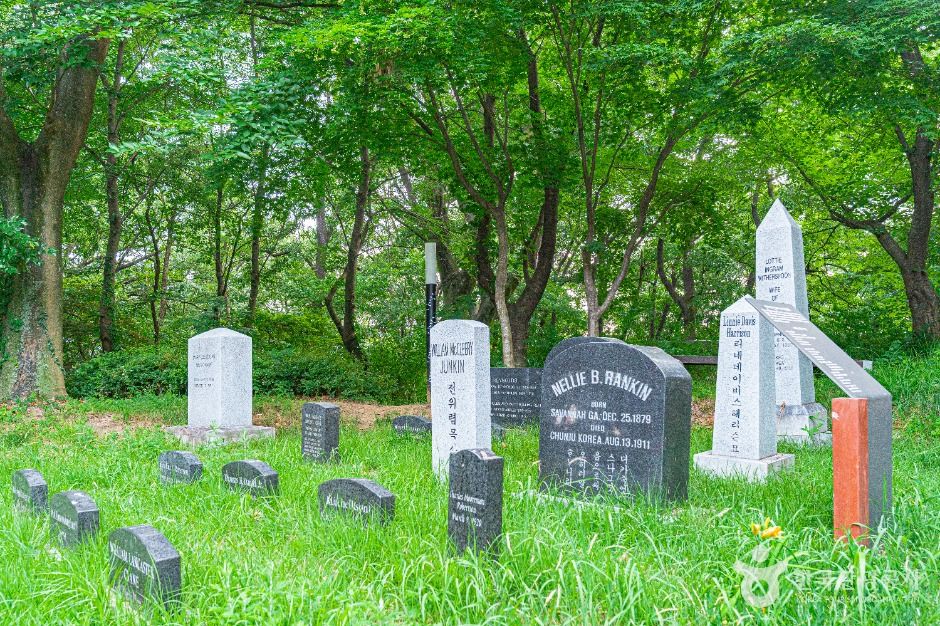
Yangnim-dong & Penguin Village
양림동 역사문화마을 (펭귄마을)Yangnim-dong & Penguin Village, Gwangju, South Korea
Yangnim-dong is Gwangju’s premier modern history and arts quarter, blending 120-year-old Western missionary brick manors with the whimsical upcycled junk-art alleys of Penguin Village.
Morning (around 09:30-10:00)
Details→