Gwangju•Nightlife•Rooftop & Skyline View
Sajik Park & Observatory
사직공원 전망타워
Powered by Korea Tourism OrganizationAddress: Sajik Park & Observatory, Gwangju, South Korea (광주광역시 남구 사직길 49 (사동))
Editorial review pending

Sajik Park & Observatory representative scenic panorama


1 / 3
Sajik Park & Observatory representative scenic panorama
Curator's Guide & Overview
Comprehensive Guide1. Historical Origins & Cultural Background
Since the Three Kingdoms era and through the Joseon Dynasty, Sajikdan was the sacred royal altar where local magistrates offered solemn spring and autumn sacrifices to the God of the Earth (Sa) and the God of Grain (Jik) praying for bountiful harvests and peace. Although demolished during the Japanese colonial rule to build a zoo, the historical altar was faithfully reconstructed in 1994. In 2015, the municipality erected this sleek 13.7-meter glass-and-steel Observatory Tower to replace an aging octagonal pavilion, creating Gwangju's premier urban viewpoint.
2. Architectural Highlights & Key Structures
The modern four-story tower features a glass-walled panoramic elevator ascending to an open-air rooftop observation sky deck and an indoor digital exhibition gallery. Free high-powered optical telescopes allow visitors to inspect the jagged volcanic columns of Mount Mudeungsan and the rooftops of the Asia Culture Center. At the base, shaded forest paths encircle the reconstructed Joseon Sajikdan altar and an outdoor guitar performance pavilion.
3. Four Seasons Landscape & Seasonal Visiting Charms
Spring transforms the winding mountain approach road into one of Gwangju’s premier cherry blossom tunnels, celebrated during the Sajik Cherry Blossom Festival. Summer offers cool mountain breezes and romantic illuminated night walks. Autumn frames the skyline in fiery maples and golden ginkgo foliage, while winter provides crystal-clear panoramic visibility stretching across the snow-capped Honam mountain ranges.
4. Operating Hours & Peak Viewing Times
The outdoor park and walking trails are open 24 hours daily with free access. The Observatory Tower operates daily from 09:00 to 22:00 (elevator access stops at 21:40). The premier visiting window is twilight between 18:30 and 20:00 to witness the transition from orange sunset skies behind the city to the glittering sea of metropolitan night lights.
5. Admission Fees & Concessions (Youth/Foreigner Discounts)
Admission to Sajik Park, the historic Sajikdan altar, the modern Observatory Tower, and the optical telescopes is 100% free of charge to all visitors. Free parking spaces are located along the park access road.
6. Public Transit & Subway Exit Directions
Take Gwangju Metro Line 1 to Culture Complex Station (Exit 1) or Namgwangju Station (Exit 3). Walk west across the Gwangjucheon river through the historic alleys of Yangnim-dong, gently climbing Sajik-gil to reach the tower in approximately 12 minutes.
7. Barrier-Free Accessibility & Visitor Amenities
The observatory tower is fully barrier-free. A ramp leads from the parking terrace to the ground-floor entrance, and a transparent passenger elevator provides step-free access to all exhibition levels and the rooftop observation deck. Smooth paved paths circumnavigate the park, and accessible restrooms are situated on Tower Floor 1 and at the park entrance.
8. Recommended Walking Route & Highlights Tour
Enter Sajik Park through the forested cherry blossom avenue → visit the sacred reconstructed Joseon Sajikdan Altar → take the glass elevator to the 4th-floor Tower Observatory Sky Deck → use free telescopes to view Mount Mudeungsan and the Asia Culture Center → explore the 3rd-floor Gwangju History Exhibition → descend through the Guitaring Folk Music Street to Yangnim-dong (approx. 60 to 90 minutes).
9. Local Food Specialties & Regional Flavors
The neighboring Yangnim-dong district and Sajik Live Cafe Street offer delightful gastronomy: artisanal onion bread from Yangnim Bakery, hand-drip coffees, crispy tonkatsu, and hearty beef bone soup (gomtang) along the riverfront.
10. Dietary Options (Vegetarian, Halal & Allergen Guide)
Yangnim-dong's charming hanok cafes serve organic green tea from Mount Jirisan, fresh fruit teas, and vegan carrot cakes. Healthy vegetarian dining options including mushroom rice bowls and tofu stews are available along the approach lanes.
11. Signature Photo Spots & Golden Hour Lighting
Unmissable photo spots: the panoramic 360-degree view of Mount Mudeungsan rising majestically behind the dense Gwangju skyline at golden hour, looking down at the illuminated cherry blossom road in April, and capturing the modern illuminated steel architecture of the tower against the night sky.
12. Visitor Etiquette & Cultural Property Regulations
Do not lean excessively over observation deck safety glass railings. Smoking, alcohol consumption, and loud shouting are strictly prohibited throughout the park and tower to preserve the sacred historic altar environment.
13. Safety Precautions & 1330 Tourism Hotline Support
Security cameras monitor the tower 24 hours daily, and safety staff are stationed during evening hours. Emergency first aid supplies are kept in the management office on the ground floor. Multilingual telephone support is available via 1330.
14. Nearby Connected Attractions & Walking Links
The historic Yangnim-dong Penguin Village and missionary manors lie immediately down the eastern slope (5 minutes walk), while the Asia Culture Center (ACC) is 10 minutes northeast.
15. Frequently Asked Questions (FAQ)
Q: Are the telescopes on the sky deck free to use? A: Yes, all high-powered optical binocular telescopes installed along the 4th-floor open observation deck are completely free of charge and allow crystal-clear viewing of distant landmarks without inserting coins.
16. Regional Extended Day Trip Itinerary
Late afternoon walk through Yangnim-dong Penguin Village → climb up to Sajik Park Observatory Tower for sunset and city night lights → dinner in Dongmyeong-dong Cafe Street → evening visit to the Asia Culture Center.
Essential Visitor Facts
Operating Hours
Observatory Tower: Daily 09:00 - 22:00 (Elevator open until 21:40); Outdoor Park: Open 24/7
Admission / Price
Free Observatory Admission & Free Telescope Access
Closed Days
Open 365 Days
Best Time to Visit
Morning (around 09:30-10:00)
Transit & Access Directions
Gwangju Metro Line 1 Culture Complex Station Exit 1 or Namgwangju Station Exit 3 (12 min walk west via Yangnim-dong)
Accessibility & Special Amenities
Wheelchair ramps, tactile paving, accessible restrooms
Location Coordinates
Latitude: 35.1442
Longitude: 126.9102
Discover Themes & Highlights
Key interest areas and cultural highlights:
#sajik-park-observatory#VisitGwangju#KoreaTravelAtlas
Community Traveler Reviews0 Reviews
Visitor tips, feedback, and questions submitted by real travelers.
No community reviews submitted yet. Be the first traveler to share your experience!
Connected Cultural Destinations
Handpicked nearby attractions and regional cultural highlights.
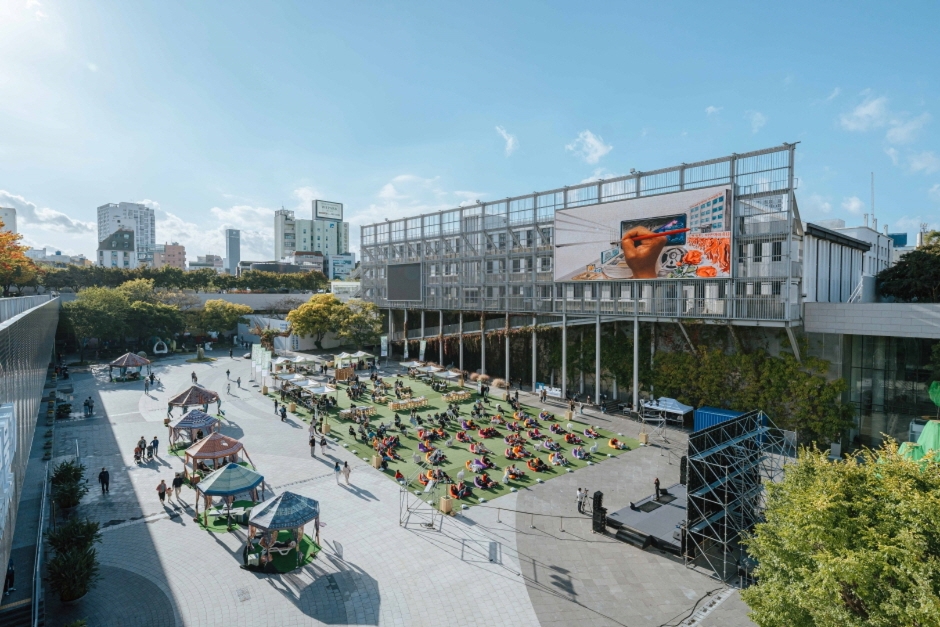
Asia Culture Center (ACC)
국립아시아문화전당 (ACC)Asia Culture Center (ACC), Gwangju, South Korea
Asia Culture Center is a world-class subterranean cultural sanctuary designed by Kyu Sung Woo on the historic May 18 Gwangju Uprising site, featuring cutting-edge arts and sunken plazas.
Morning (around 09:30-10:00)
Details→
Mudeungsan National Park (Jusangjeolli)
무등산국립공원 (주상절리대)Mudeungsan National Park (Jusangjeolli), Gwangju, South Korea
Mudeungsan National Park is a UNESCO Global Geopark soaring 1,187 meters above Gwangju, world-famous for its colossal 87-million-year-old polygonal volcanic columnar joints.
Morning (around 09:30-10:00)
Details→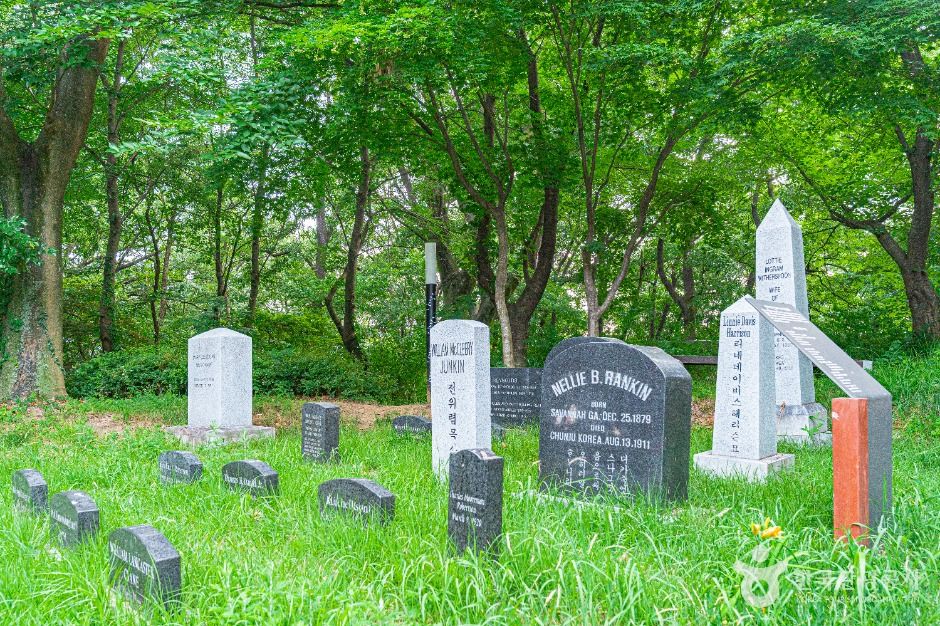
Yangnim-dong & Penguin Village
양림동 역사문화마을 (펭귄마을)Yangnim-dong & Penguin Village, Gwangju, South Korea
Yangnim-dong is Gwangju’s premier modern history and arts quarter, blending 120-year-old Western missionary brick manors with the whimsical upcycled junk-art alleys of Penguin Village.
Morning (around 09:30-10:00)
Details→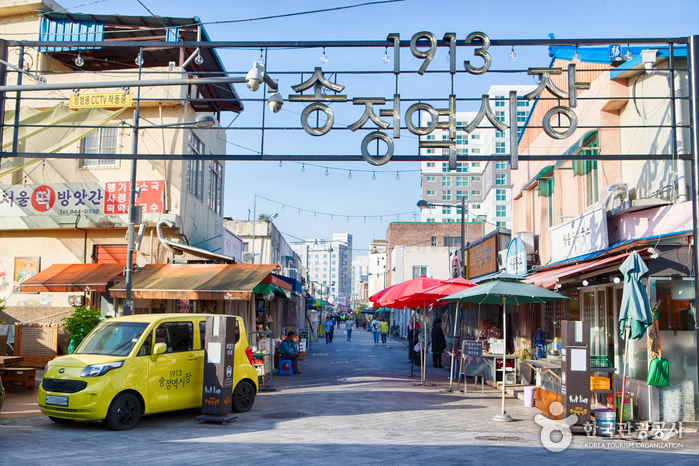
1913 Songjeong Station Market
1913 송정역시장1913 Songjeong Station Market, Gwangju, South Korea
1913 Songjeong Station Market is a centenarian heritage marketplace transformed into a hip retro culinary destination, preserving vintage storefronts alongside artisanal street food.
HalalMorning (around 09:30-10:00)
Details→