Gwangju•Heritage•Historic Landmark
May 18th National Cemetery & Memorial Park
5·18 기념공원
Powered by Korea Tourism OrganizationAddress: May 18th National Cemetery & Memorial Park, Gwangju, South Korea (광주광역시 서구 상무민주로 61 (쌍촌동))
Editorial review pending

May 18th National Cemetery & Memorial Park representative scenic panoramaZoom

1 / 5
May 18th National Cemetery & Memorial Park representative scenic panorama
Curator's Guide & Overview
Comprehensive Guide1. Historical Origins & Cultural Background
The park stands upon the historic grounds of the former Sangmu-dae military headquarters, where the martial law command was stationed and thousands of pro-democracy demonstrators were detained, interrogated, and court-martialed in May 1980. Following the relocation of the military base in 1994, the 204,985-square-meter site was dedicated as a civic sanctuary to transform a symbol of oppression into an international beacon of human rights and peace.
2. Architectural Highlights & Key Structures
The memorial landscape features several monumental installations: the Great May 18 Memorial Center (housing a contemporary theater and historic records archive), the underground Memorial Shrine where victims' names and solemn portraits are enshrined beneath a dramatic light well, the towering 3-story wooden pagoda pavilion 'Owol-ru' overlooking the city, and the majestic bronze 'Statue of the May Democratic Spirit' depicting citizens supporting a wounded comrade.
3. Four Seasons Landscape & Seasonal Visiting Charms
Spring brings pink azalea blooms and fresh green pine canopies along forested walking trails. Summer provides shaded wooden meditation pergolas and cool breezes atop Owol-ru hill. Autumn covers the remembrance lawns in crisp red maples and golden ginkgoes, creating a contemplative atmosphere. Winter drapes the bronze monuments and temple-style pavilion eaves in peaceful snow.
4. Operating Hours & Peak Viewing Times
The outdoor park grounds, trails, and Owol-ru pavilion are open 24 hours daily with free access. The indoor 5·18 Memorial Center exhibition galleries operate Tuesday through Sunday from 09:00 to 18:00 (closed Mondays). Visiting in late afternoon (16:30 to 18:00) allows visitors to experience both the museum archives and the sunset over Gwangju from Owol-ru.
5. Admission Fees & Concessions (Youth/Foreigner Discounts)
Admission to the park, the underground Memorial Shrine, and the 5·18 Memorial Exhibition Hall is completely free of charge. Ample parking is provided free of charge for visitors.
6. Public Transit & Subway Exit Directions
Take Gwangju Metro Line 1 to Uncheon Station (Exit 2). Walk 10 minutes straight north along Sangmuminju-ro. Alternatively, disembark at Sangmu Station (Exit 5) and take a short 5-minute taxi or a 15-minute walk through the Sangmu commercial district.
7. Barrier-Free Accessibility & Visitor Amenities
The memorial park features universal barrier-free infrastructure: wide gently sloping asphalt and rubber-cushioned walking tracks, ramped access into all memorial halls and shrines, passenger elevators inside the cultural center, and tactile braille blocks. Modern accessible public restrooms are situated beside the cultural center and the lower lake.
8. Recommended Walking Route & Highlights Tour
Enter Main Plaza → pay respects at the underground Memorial Shrine of Democracy Victims → examine archival artifacts in the 5·18 Memorial Exhibition Hall → stroll through the forest path to the bronze Statue of May Democratic Spirit → ascend the stairs or gentle ramp to Owol-ru Pavilion for panoramic views of Gwangju and Mount Mudeungsan (approx. 90 minutes).
9. Local Food Specialties & Regional Flavors
The adjoining Sangmu district is Gwangju’s premier modern culinary center: authentic Songjeong-style grilled tteokgalbi, chilled raw fish soup (mulhoe), charcoal-grilled Hanwoo beef, and fresh southern-style barley rice bowls.
10. Dietary Options (Vegetarian, Halal & Allergen Guide)
Sangmu district houses numerous healthy dining options including organic vegetarian buffet restaurants, fresh salad and poke bistros, and authentic Indian halal restaurants serving curries and tandoori bread.
11. Signature Photo Spots & Golden Hour Lighting
Prime photo spots: the panoramic view of the Gwangju cityscape and Mount Mudeungsan framed by the traditional wooden eaves of Owol-ru Pavilion, the poignant bronze Statue of the May Democratic Spirit catching late afternoon sunlight, and the tranquil reflections in the park’s lotus pond.
12. Visitor Etiquette & Cultural Property Regulations
This is a solemn memorial park honoring martyrs of Korean democracy. Maintain a reverent and respectful demeanor, especially within the underground Memorial Shrine. Bicycles and e-scooters must not be ridden near commemorative monuments.
13. Safety Precautions & 1330 Tourism Hotline Support
Park security rangers patrol grounds regularly. First aid equipment and AED units are available at the 5·18 Memorial Cultural Center administration desk. Multilingual phone assistance is accessible via 1330.
14. Nearby Connected Attractions & Walking Links
Uncheon Reservoir (famous for spring cherry blossoms and night fountains) is just 10 minutes walk south, while the Asia Culture Center (ACC) is 15 minutes east via Metro Line 1.
15. Frequently Asked Questions (FAQ)
Q: What is the significance of the underground shrine? A: The underground Memorial Shrine features a circular subterranean chamber illuminated by a single shaft of natural light from above, creating a deeply moving, sacred atmosphere where visitors can bow before the portraits of fallen citizens.
16. Regional Extended Day Trip Itinerary
Morning reflection at May 18 Memorial Park and Owol-ru Pavilion → lunch in Sangmu district → afternoon visit to the Asia Culture Center (ACC) → evening stroll around Uncheon Reservoir.
Essential Visitor Facts
Operating Hours
Park Grounds: Open 24/7; Memorial Hall & Exhibition Center: 09:00 - 18:00 (Closed Mondays)
Admission / Price
Free Park & Memorial Admission
Closed Days
Closed on Mondays/Tuesdays
Best Time to Visit
Morning (around 09:30-10:00)
Transit & Access Directions
Gwangju Metro Line 1 Uncheon Station Exit 2 (10 min walk) or Sangmu Station Exit 5
Accessibility & Special Amenities
Wheelchair ramps, tactile paving, accessible restrooms
Location Coordinates
Latitude: 35.1554
Longitude: 126.8572
Discover Themes & Highlights
Key interest areas and cultural highlights:
#518-memorial-park#VisitGwangju#KoreaTravelAtlas
Community Traveler Reviews0 Reviews
Visitor tips, feedback, and questions submitted by real travelers.
No community reviews submitted yet. Be the first traveler to share your experience!
Connected Cultural Destinations
Handpicked nearby attractions and regional cultural highlights.
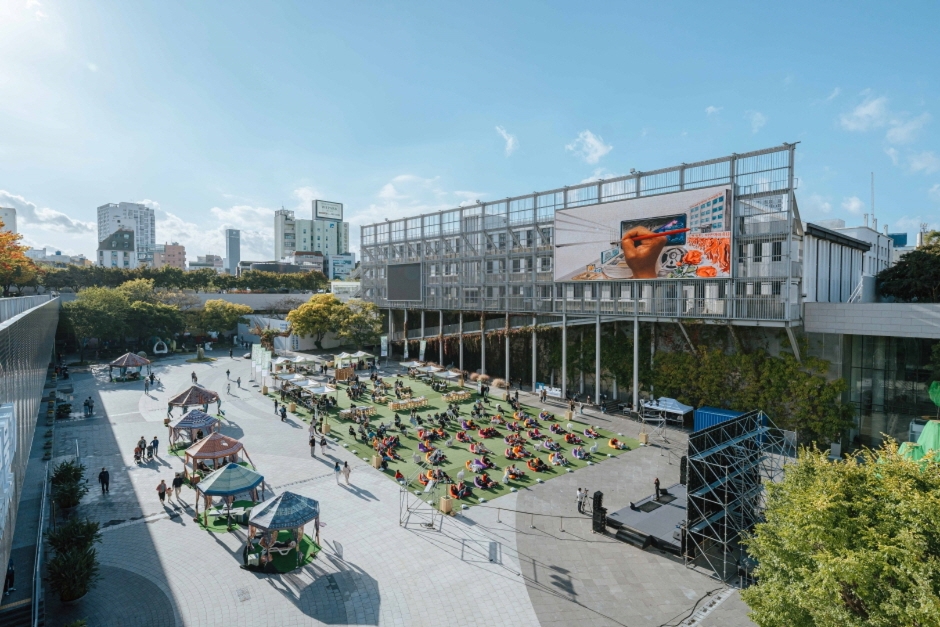
Asia Culture Center (ACC)
국립아시아문화전당 (ACC)Asia Culture Center (ACC), Gwangju, South Korea
Asia Culture Center is a world-class subterranean cultural sanctuary designed by Kyu Sung Woo on the historic May 18 Gwangju Uprising site, featuring cutting-edge arts and sunken plazas.
Morning (around 09:30-10:00)
Details→
Mudeungsan National Park (Jusangjeolli)
무등산국립공원 (주상절리대)Mudeungsan National Park (Jusangjeolli), Gwangju, South Korea
Mudeungsan National Park is a UNESCO Global Geopark soaring 1,187 meters above Gwangju, world-famous for its colossal 87-million-year-old polygonal volcanic columnar joints.
Morning (around 09:30-10:00)
Details→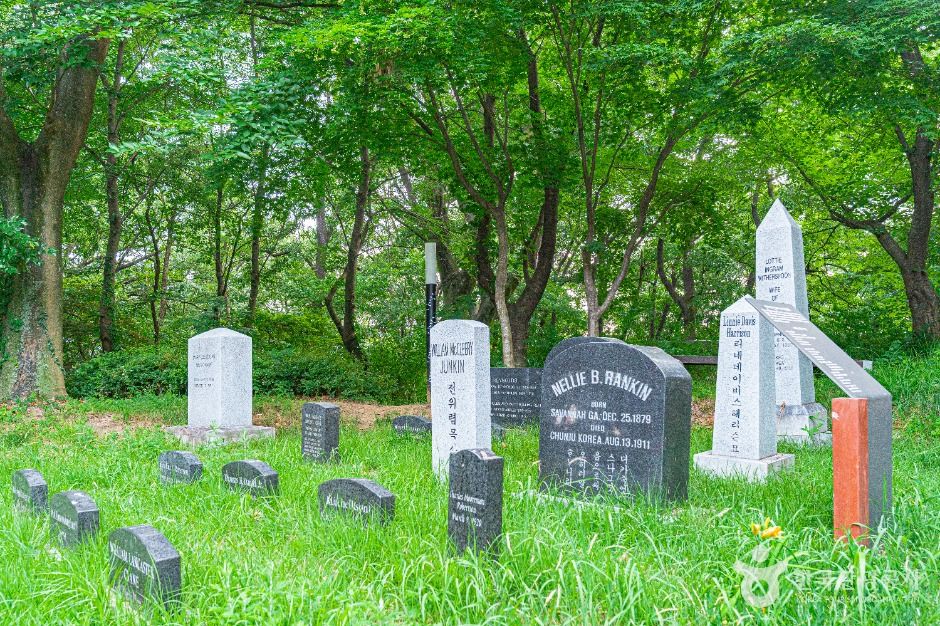
Yangnim-dong & Penguin Village
양림동 역사문화마을 (펭귄마을)Yangnim-dong & Penguin Village, Gwangju, South Korea
Yangnim-dong is Gwangju’s premier modern history and arts quarter, blending 120-year-old Western missionary brick manors with the whimsical upcycled junk-art alleys of Penguin Village.
Morning (around 09:30-10:00)
Details→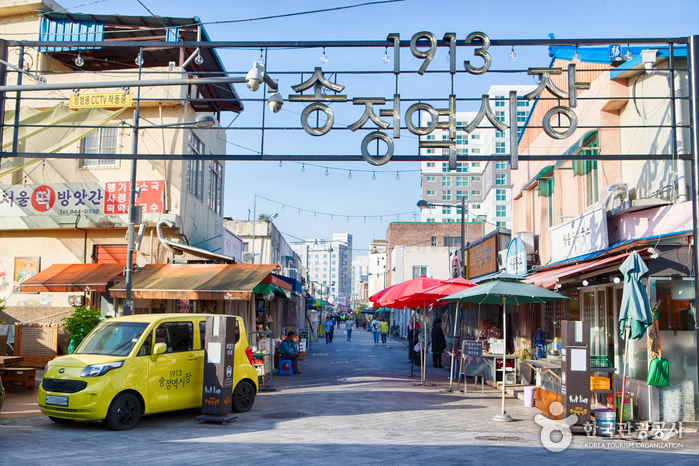
1913 Songjeong Station Market
1913 송정역시장1913 Songjeong Station Market, Gwangju, South Korea
1913 Songjeong Station Market is a centenarian heritage marketplace transformed into a hip retro culinary destination, preserving vintage storefronts alongside artisanal street food.
HalalMorning (around 09:30-10:00)
Details→