Busan•Heritage•Buddhist Temple
Beomeosa Temple
범어사
Powered by Korea Tourism OrganizationAddress: Beomeosa Temple, Busan, South Korea (부산광역시 금정구 범어사로 209)
Editorial review pending

Beomeosa Temple representative scenic panoramaZoom


+1More
1 / 6
Beomeosa Temple representative scenic panorama
Curator's Guide & Overview
Comprehensive Guide1. Historical Origins & Cultural Background
Founded in 678 AD during the Silla Kingdom by the Great Master Uisang, Beomeosa means 'Temple of the Nirvana Fish', derived from a legend about a golden fish that descended from heaven on a cloud to swim in a spring atop Mount Geumjeongsan. It stands as one of the three premier Buddhist monasteries of the Yeongnam region alongside Haeinsa and Tongdosa.
2. Architectural Highlights & Key Structures
The temple architecture is arranged in harmony with the natural slope of Mount Geumjeongsan. Key highlights include the Jogye Gate (Treasure No. 1461)—a four-pillar single-eave entrance gate displaying extraordinary wooden carpentry—the ornate Daeungjeon Main Buddha Hall (Treasure No. 434), and an exquisite 9th-century Silla three-story stone pagoda.
3. Four Seasons Landscape & Seasonal Visiting Charms
Spring brings delicate wild cherry blossoms and azaleas across the temple stream. Summer is famed for the massive cluster of wisteria trees (Natural Monument No. 176) blooming in purple clouds. Autumn envelopes the granite stone courtyards in brilliant red and golden maple foliage, while winter brings serene mountain stillness.
4. Operating Hours & Peak Viewing Times
The temple grounds welcome visitors daily from dawn until dusk (08:30 to 17:30 for indoor temple halls and museum). Early morning visits between 08:30 and 10:00 provide peaceful solitude filled with the sound of morning chanting and mountain streams.
5. Admission Fees & Concessions (Youth/Foreigner Discounts)
Admission to Beomeosa Temple is 100% free of charge under national heritage protection support. Paid experiential programs, such as traditional Temple Stay (overnight monastic experience including meditation, bell ringing, and vegetarian meals), cost approximately 70,000 to 100,000 KRW per person with advance reservation.
6. Public Transit & Subway Exit Directions
Take Busan Subway Line 1 to Beomeosa Station. Walk out through Exit 5 or Exit 7, follow the alley between the exits up 100 meters to the bus stop, and board circular City Bus 90. The bus winds up the mountain directly to the temple ticket plaza in 10 minutes.
7. Barrier-Free Accessibility & Visitor Amenities
The main approach path from the bus stop through the One Pillar Gate to the lower courtyard is a gently sloped dirt and stone pathway equipped with wooden ramps. Upper hall courtyards feature stone steps, though alternate side ramps allow wheelchair access to the main administrative and courtyard areas.
8. Recommended Walking Route & Highlights Tour
Bus stop arrival → walk along the scenic bamboo forest stream path → pass through the One Pillar Gate (Jogye Gate) and Cheonwangmun Gate → admire the Three-Story Stone Pagoda in front of Daeungjeon Hall → explore the Wisteria Valley → visit the Seongbo Museum of Buddhist Art.
9. Local Food Specialties & Regional Flavors
At the entrance village below the temple, local restaurants specialize in Geumjeongsan wild mountain herb bibimbap, handmade soft tofu stew (sundubu), crispy potato pancakes, and savory roast duck (ori bulgogi) paired with Geumjeongsanseong Makgeolli, Korea's only traditional heritage rice wine.
10. Dietary Options (Vegetarian, Halal & Allergen Guide)
As a Buddhist sanctuary, Beomeosa offers pristine vegetarian options. Monastic Temple Stay meals adhere strictly to Buddhist vegan principles without garlic, onions, or chives. Surrounding village eateries offer dedicated temple-style set menus.
11. Signature Photo Spots & Golden Hour Lighting
The alignment through the Jogye Gate framing the three-story stone pagoda and Mount Geumjeongsan peaks, the ancient stone bridges crossing over mossy boulders in the wisteria valley, and the traditional monks' wooden shoes outside the main hall are beloved photo subjects.
12. Visitor Etiquette & Cultural Property Regulations
Remove shoes and maintain respectful silence when entering Buddha halls. Do not photograph inside active meditation halls during prayer sessions. Wear clothing that covers shoulders and knees.
13. Safety Precautions & 1330 Tourism Hotline Support
The temple maintains a first aid station at the administration office. Geumjeongsan Mountain Rescue and the 119 emergency services serve the park. For multilingual assistance, dial 1330.
14. Nearby Connected Attractions & Walking Links
Hikers can follow the trail behind the temple to the North Gate of Geumjeongsanseong Fortress (40 minutes) and scale Godangbong Peak (801m), Busan's highest summit.
15. Frequently Asked Questions (FAQ)
Q: Can foreign travelers participate in Temple Stay? A: Yes, Beomeosa operates an acclaimed regular English-guided Temple Stay program including monastic meal etiquette (Barugongyang), 108 prostrations, and tea meditation with a monk.
16. Regional Extended Day Trip Itinerary
Morning ascent to Beomeosa Temple and temple grounds walk → traditional temple-style vegetarian lunch at the village entrance → afternoon hike up to Geumjeongsanseong Fortress North Gate → evening return to Centum City for a rejuvenating spa session.
Essential Visitor Facts
Operating Hours
08:30 - 17:30 (Grounds open from sunrise to sunset daily)
Admission / Price
Free Temple Admission
Closed Days
Closed on Mondays/Tuesdays
Best Time to Visit
Morning (around 09:30-10:00)
Transit & Access Directions
Subway Line 1 Beomeosa Station Exit 5 or 7, transfer to Bus 90 to Beomeosa Entrance (10 min)
Accessibility & Special Amenities
Wheelchair ramps, tactile paving, accessible restrooms
✓ Halal Options Nearby
Location Coordinates
Latitude: 35.2838
Longitude: 129.0617
Discover Themes & Highlights
Key interest areas and cultural highlights:
#beomeosa-temple#VisitBusan#KoreaTravelAtlas
Community Traveler Reviews0 Reviews
Visitor tips, feedback, and questions submitted by real travelers.
No community reviews submitted yet. Be the first traveler to share your experience!
Practical Guides: Busan
Busan
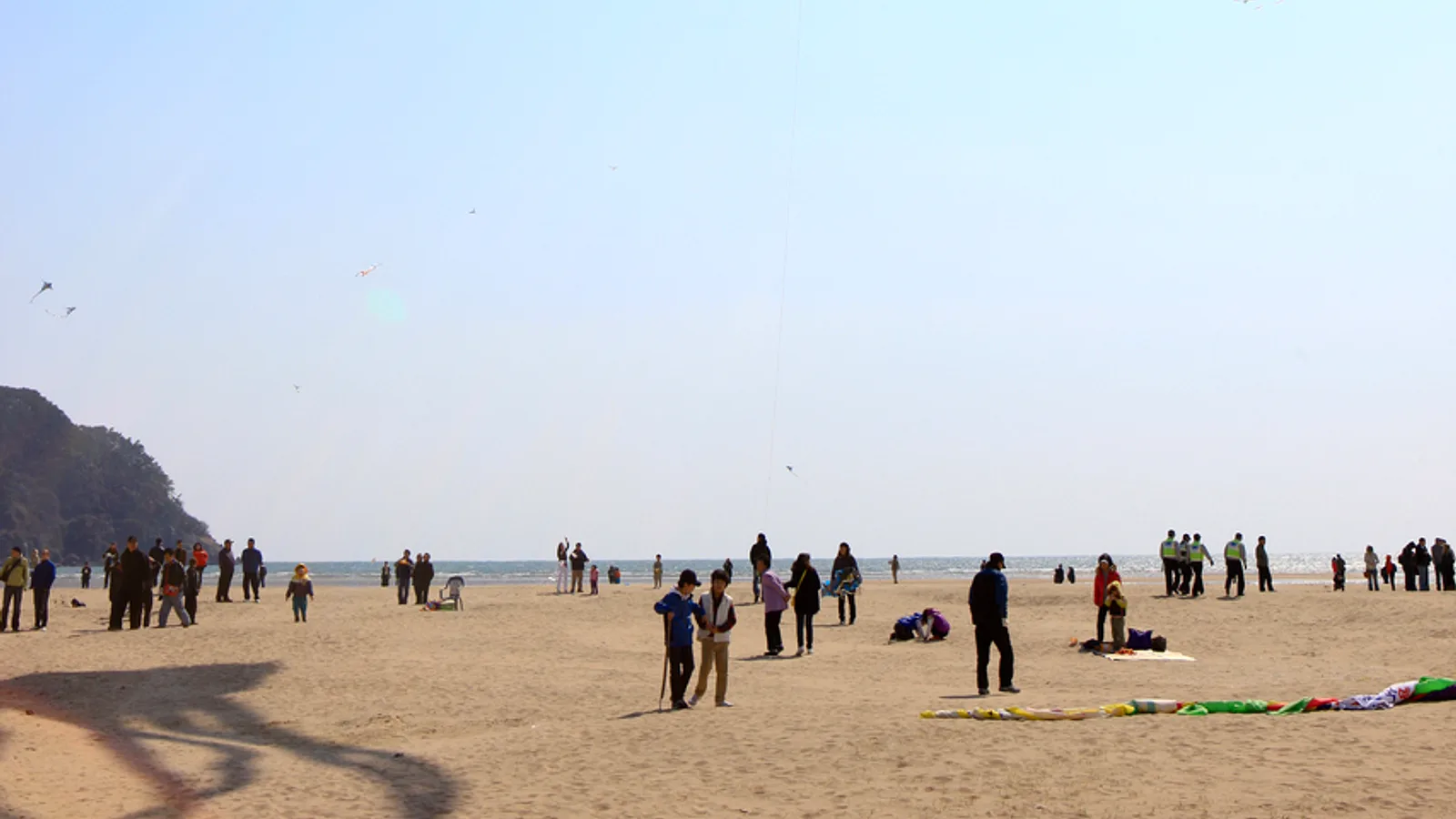
Eulsukdo and the Nakdong River Estuary: Wetlands, Birds and Bike Paths in Busan
Eulsukdo, a bird sanctuary island at the mouth of the Nakdong River in Busan, offers reed beds, seasonal waterbirds and flat bike paths, and pairs well with Dadaepo Beach.
Busan
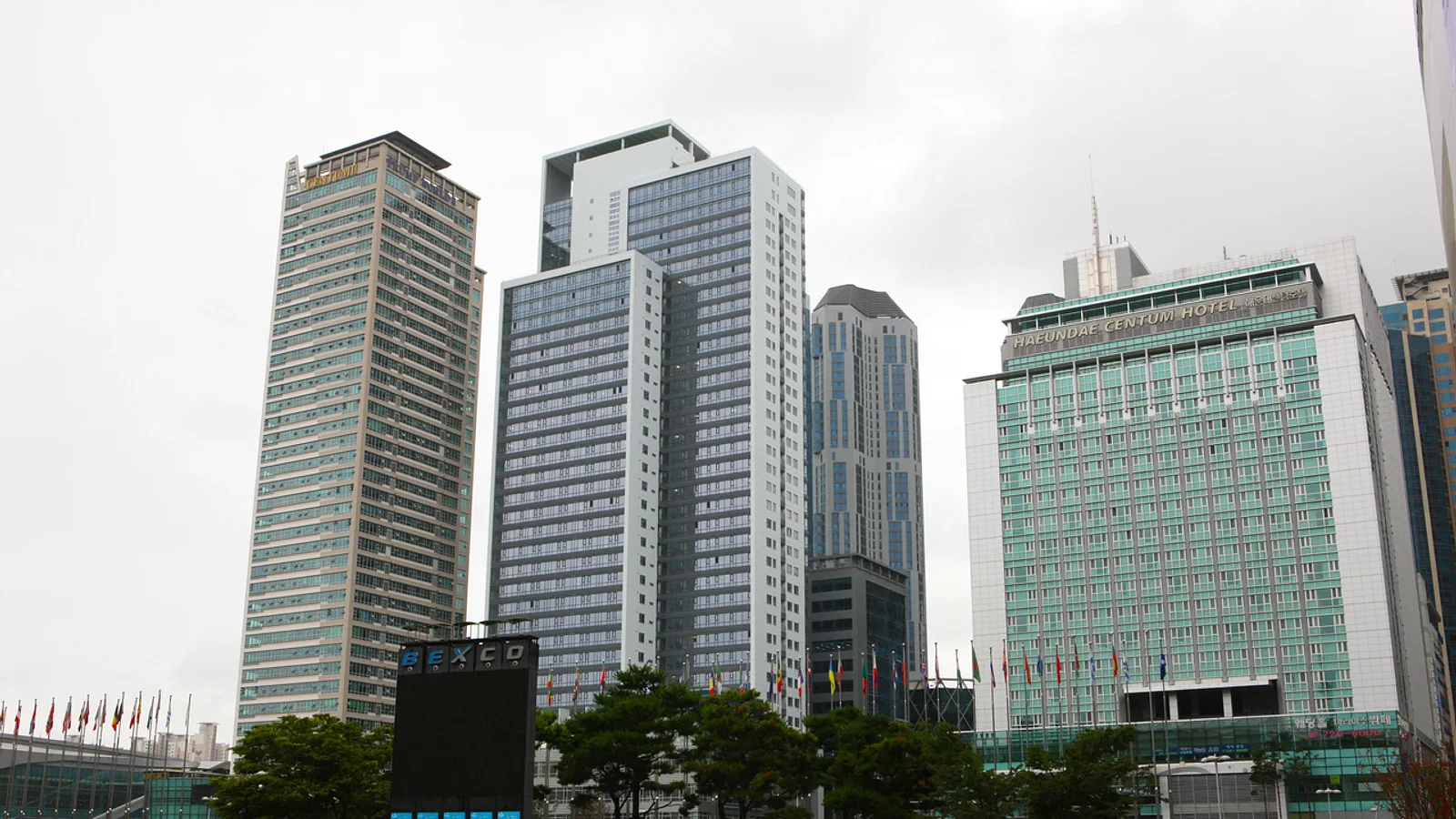
Busan Culture Day: Busan Museum of Art, Museum of Contemporary Art and F1963
A practical plan for a culture-focused day in Busan, combining Busan Museum of Art with its Lee Ufan Space, the Museum of Contemporary Art Busan on Eulsukdo, and the F1963 culture complex.
Busan
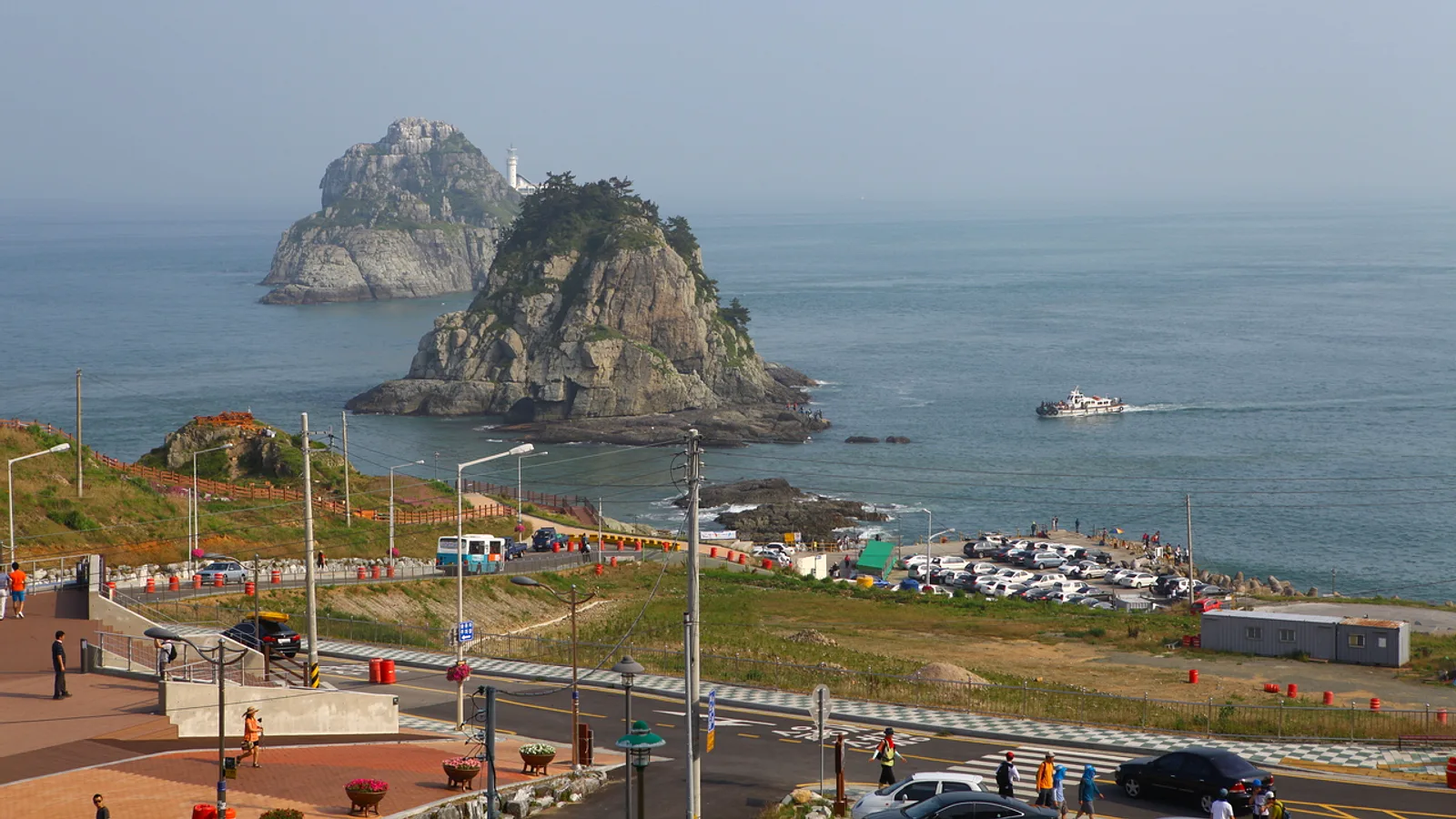
Igidae Coastal Walk in Busan: Cliff Trail, Oryukdo and the Marine City Skyline
A practical guide to Igidae Park's cliff-top trail in Busan, covering the route to the Oryukdo Skywalk, the view of Haeundae's towers, getting there by bus, and what to wear.
Connected Cultural Destinations
Handpicked nearby attractions and regional cultural highlights.

Gamcheon Culture Village
감천문화마을203 Gamnae 2-ro, Saha-gu, Busan
Gamcheon Culture Village in Saha-gu, Busan, is a vibrant hillside community celebrated as "Korea's Santorini" or "Machu Picchu of Busan" for its terraced rows of pastel-hued residences clinging to ...
HalalMorning (around 09:30-10:00)
Details→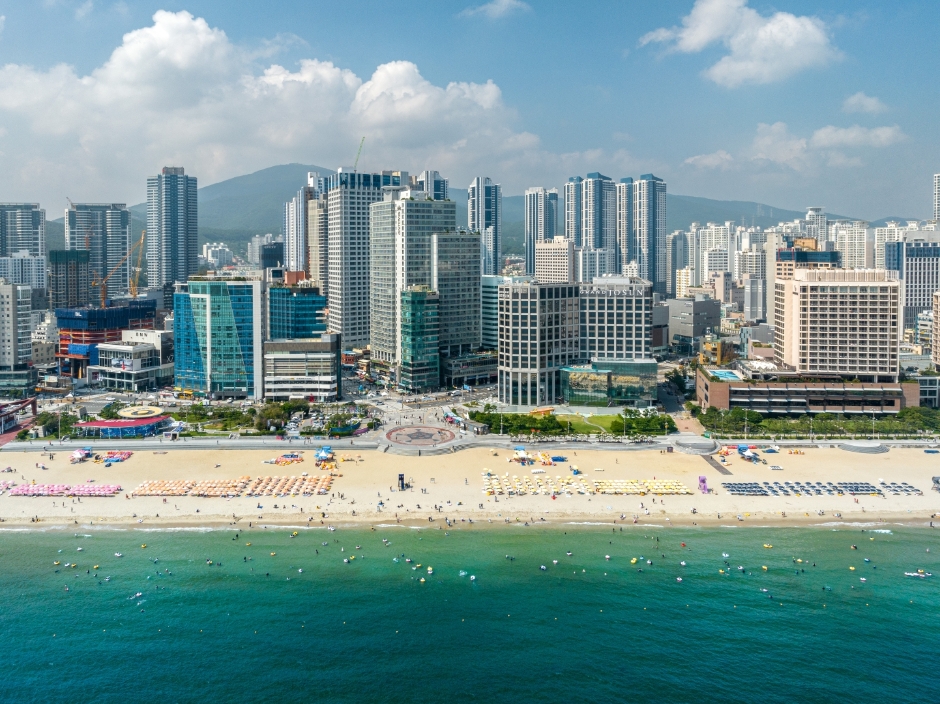
Haeundae Beach
해운대해수욕장Haeundae Beach, Busan, South Korea
Haeundae Beach is South Korea’s most celebrated coastal seaside destination, stretching for 1.5 kilometers of soft golden sand along Busan’s southeastern shoreline. Backed by modern skyscrapers, se...
HalalMorning (around 09:30-10:00)
Details→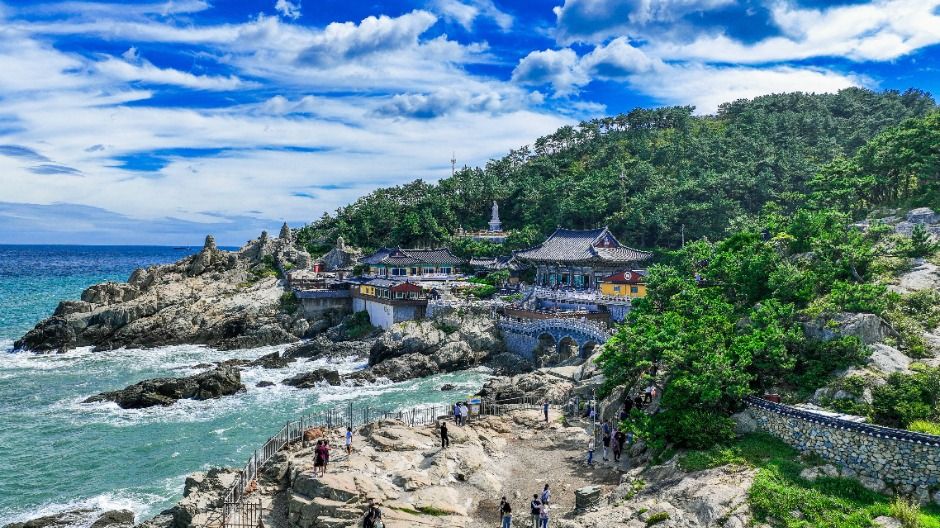
Haedong Yonggungsa Temple
해동용궁사86 Yonggung-gil, Gijang-eup, Gijang-gun, Busan
Haedong Yonggungsa Temple, perched dramatically on rugged oceanfront cliffs in Gijang, Busan, is one of South Korea's rare and magnificent seaside Buddhist sanctuaries. Founded in 1376 by Great Mas...
HalalMorning (around 09:30-10:00)
Details→
Taejongdae Resort Park
태종대유원지Taejongdae Resort Park, Busan, South Korea
Taejongdae Resort Park on the southern tip of Yeongdo Island features magnificent 250-meter sea cliffs, dense coastal pine forests, a retro circular train, and distant views of Tsushima Island.
HalalMorning (around 09:30-10:00)
Details→