Busan•Nature•Scenic Nature Spot
Taejongdae Resort Park
태종대유원지
Powered by Korea Tourism OrganizationAddress: Taejongdae Resort Park, Busan, South Korea (부산광역시 영도구 전망로 24)
Editorial review pending

Taejongdae Resort Park representative scenic panoramaZoom


+1More
1 / 6
Taejongdae Resort Park representative scenic panorama
Curator's Guide & Overview
Comprehensive Guide1. Historical Origins & Cultural Background
Taejongdae is named after King Taejong Muyeol of the Silla Kingdom (reigned 654-661 AD), who was so captivated by the sheer oceanic cliffs that he frequently visited to shoot arrows and feast. Designated Scenic Site No. 17, it has been celebrated for centuries as one of Busan's most dramatic coastal panoramas.
2. Architectural Highlights & Key Structures
The 4.3-kilometer circular road winds along cliffs blanketed with over 100,000 camellia trees and black pines. Landmark structures include the historic Yeongdo Lighthouse (established in 1906), the cantilevered glass-bottom Taejongdae Observatory, and the flat granite rock ledge of Sinseon Rock perched above crashing azure waves.
3. Four Seasons Landscape & Seasonal Visiting Charms
Spring brings blooming purple magnolias and camellias along the pine groves. Summer is famous for the Hydrangea Festival at Taejongsa Temple. Autumn delivers crisp azure ocean views reaching Japan's Tsushima Island, while winter offers refreshing sea breezes and dramatic white foam crashing against sea stacks.
4. Operating Hours & Peak Viewing Times
The park grounds are open for walkers from 05:00 to 24:00. The colorful Danubi road train operates daily from 09:20 to 17:30 (with departures every 15-20 minutes). In case of heavy rain or strong typhoons, Danubi operations are suspended for safety.
5. Admission Fees & Concessions (Youth/Foreigner Discounts)
Walking into the park is completely free. Unlimited daily hop-on hop-off tickets for the Danubi circular train cost 4,000 KRW for adults, 2,000 KRW for youth, and 1,500 KRW for children under 12.
6. Public Transit & Subway Exit Directions
From Busan Station (Subway Line 1), walk to the central bus median and board City Bus 88 or 101. Ride for approximately 40 minutes directly to the final terminal, 'Taejongdae'. The park entrance gate is just a 2-minute walk from the bus terminal.
7. Barrier-Free Accessibility & Visitor Amenities
The main circular roadway is smoothly paved and suitable for strollers and wheelchairs, though certain side paths leading down to Sinseon Rock and the rocky beaches feature hundreds of steep stone stairs. The Danubi tram includes a designated wheelchair ramp on its final car.
8. Recommended Walking Route & Highlights Tour
Board Danubi Tram at entrance → alight at Taejongdae Observatory for coastal panoramas → walk 5 minutes to Yeongdo Lighthouse and descend to Sinseon Rock → reboard train to Taejongsa Temple → return to main gate (2 to 2.5 hours total).
9. Local Food Specialties & Regional Flavors
At the base of the cliffs on the pebble beach below the lighthouse, local haenyeo (female divers) serve live abalone, sea cucumber, and turban shells. The park entrance boulevard is lined with famous Busan pork soup (dwaeji gukbap) and grilled clams (jogae gui) eateries.
10. Dietary Options (Vegetarian, Halal & Allergen Guide)
Vegetarian travelers can enjoy vegetable bibimbap and tofu stews at traditional eateries outside the main gate. The observatory cafe serves fruit smoothies, sweet pastries, and organic herbal teas with panoramic ocean outlooks.
11. Signature Photo Spots & Golden Hour Lighting
Stand on the circular observation deck of Yeongdo Lighthouse overlooking the towering sea stack of Mangbuseok ('rock of the faithful wife'), or frame the retro, colorful Danubi train winding through the sun-dappled pine forest.
12. Visitor Etiquette & Cultural Property Regulations
Descending beyond the guardrails of Sinseon Rock onto wet seaweed-covered cliffs is extremely dangerous and strictly prohibited. Smoking and unauthorized drone operation are banned throughout the coastal sanctuary.
13. Safety Precautions & 1330 Tourism Hotline Support
Safety guardrails line all cliff paths. A first aid post operates at the Danubi ticket office, and the Yeongdo Coast Guard station is situated at the base of the lighthouse. For multilingual assistance, dial 1330.
14. Nearby Connected Attractions & Walking Links
Huinnyeoul Culture Village is a 15-minute bus ride back north along the Yeongdo coast, and the National Maritime Museum of Korea is 10 minutes away by taxi.
15. Frequently Asked Questions (FAQ)
Q: Can we see Japan from Taejongdae? A: Yes, on clear days with low atmospheric haze, the silhouette of Tsushima Island (Daemado) is visible across the Korea Strait, roughly 50 kilometers away.
16. Regional Extended Day Trip Itinerary
Morning Danubi train tour and cliffside walk at Taejongdae → fresh seafood lunch at the park entrance → afternoon visit to Huinnyeoul Culture Village → sunset coffee at a cliffside cafe → evening street food at Jagalchi Market.
Essential Visitor Facts
Operating Hours
05:00 - 24:00 (Danubi Tram operates 09:20 - 17:30, Closed Mondays in bad weather)
Admission / Price
Free Park Entry (Danubi Tram: 4,000 KRW)
Closed Days
Open 365 Days
Best Time to Visit
Morning (around 09:30-10:00)
Transit & Access Directions
From Busan Station take City Bus 88 or 101 to Taejongdae Terminus (40 min)
Accessibility & Special Amenities
Wheelchair ramps, tactile paving, accessible restrooms
✓ Halal Options Nearby
Location Coordinates
Latitude: 35.0531
Longitude: 129.0827
Discover Themes & Highlights
Key interest areas and cultural highlights:
#taejongdae-resort-park#VisitBusan#KoreaTravelAtlas
Community Traveler Reviews0 Reviews
Visitor tips, feedback, and questions submitted by real travelers.
No community reviews submitted yet. Be the first traveler to share your experience!
Practical Guides: Busan
Busan
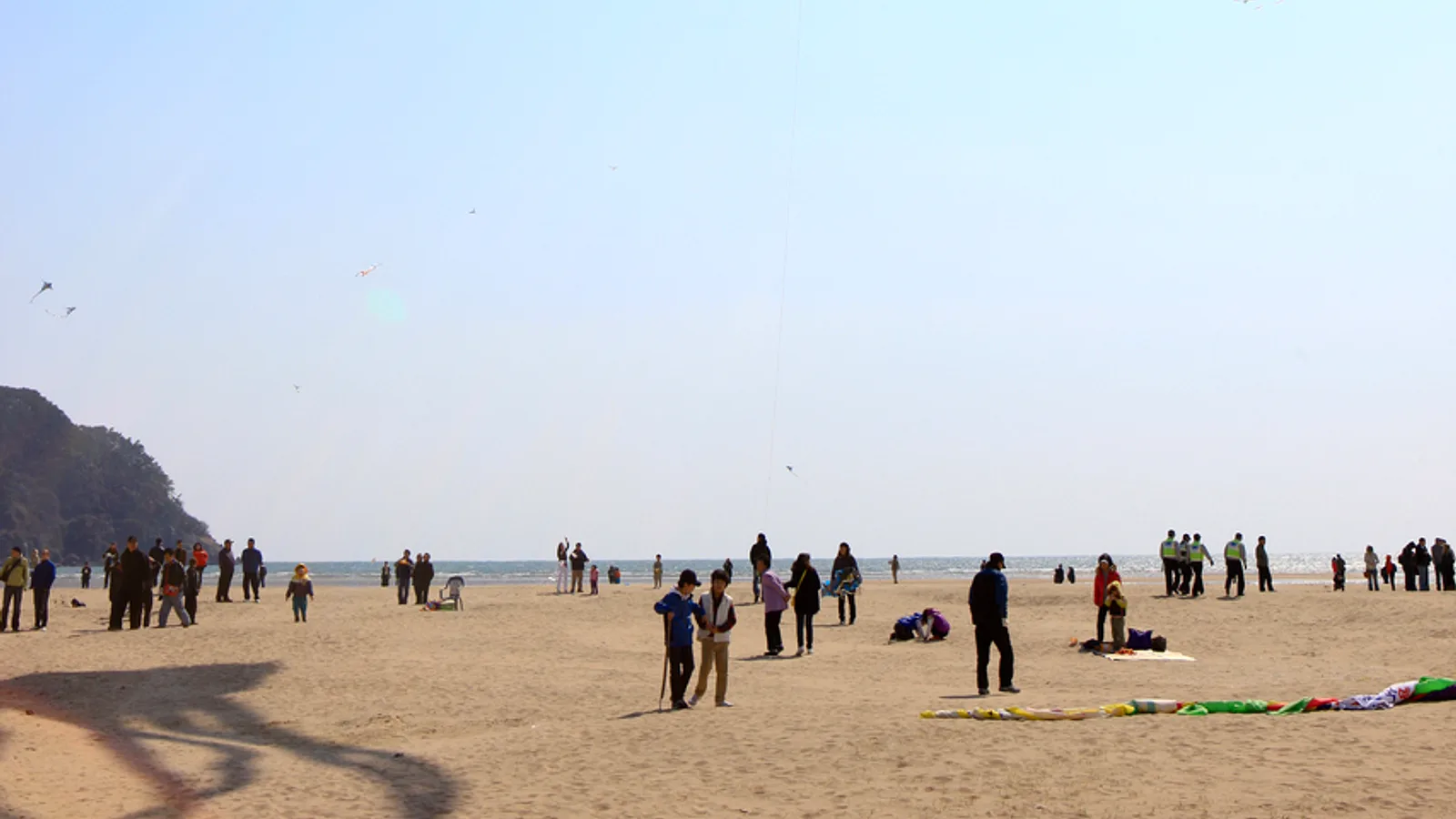
Eulsukdo and the Nakdong River Estuary: Wetlands, Birds and Bike Paths in Busan
Eulsukdo, a bird sanctuary island at the mouth of the Nakdong River in Busan, offers reed beds, seasonal waterbirds and flat bike paths, and pairs well with Dadaepo Beach.
Busan
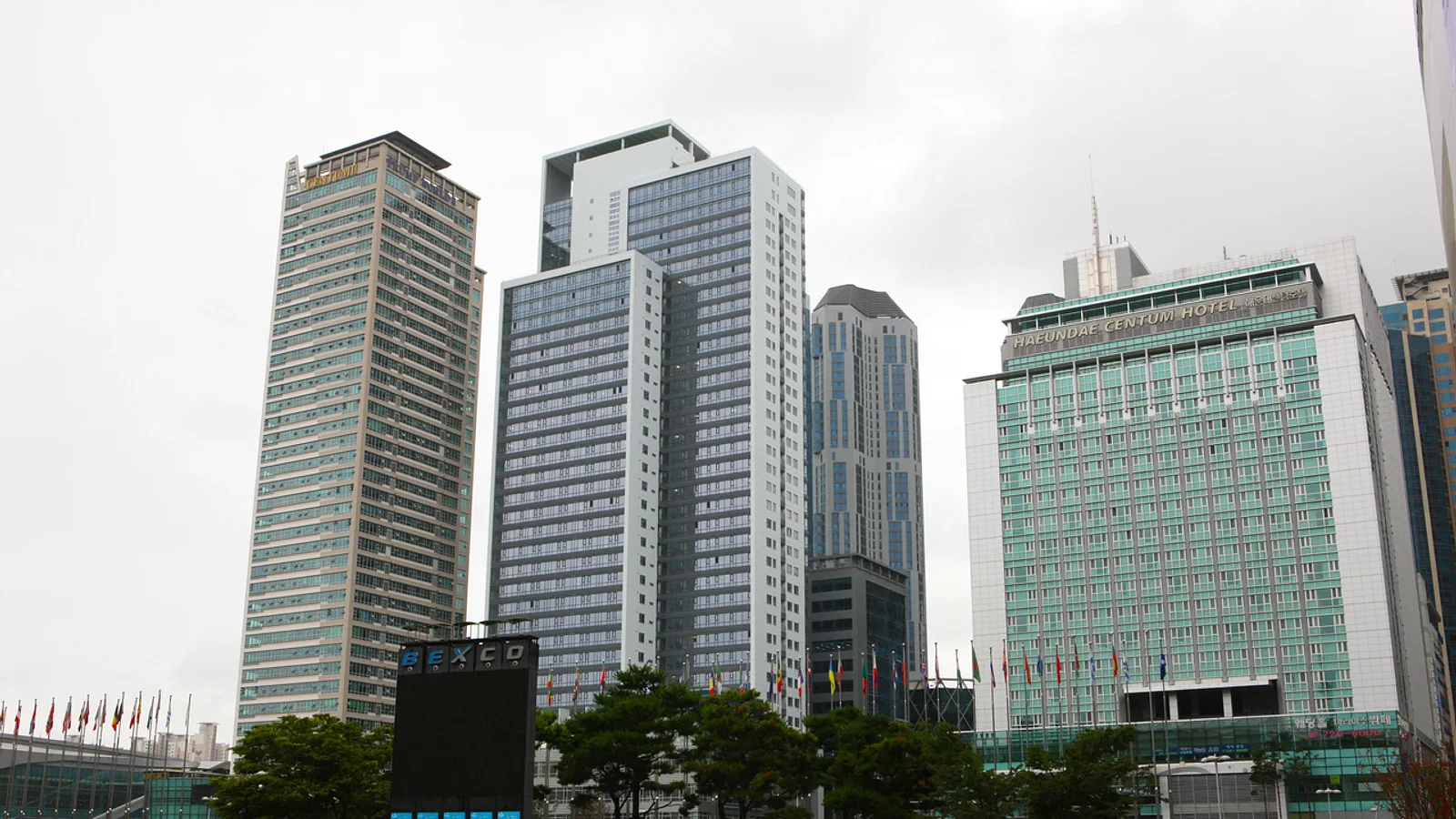
Busan Culture Day: Busan Museum of Art, Museum of Contemporary Art and F1963
A practical plan for a culture-focused day in Busan, combining Busan Museum of Art with its Lee Ufan Space, the Museum of Contemporary Art Busan on Eulsukdo, and the F1963 culture complex.
Busan
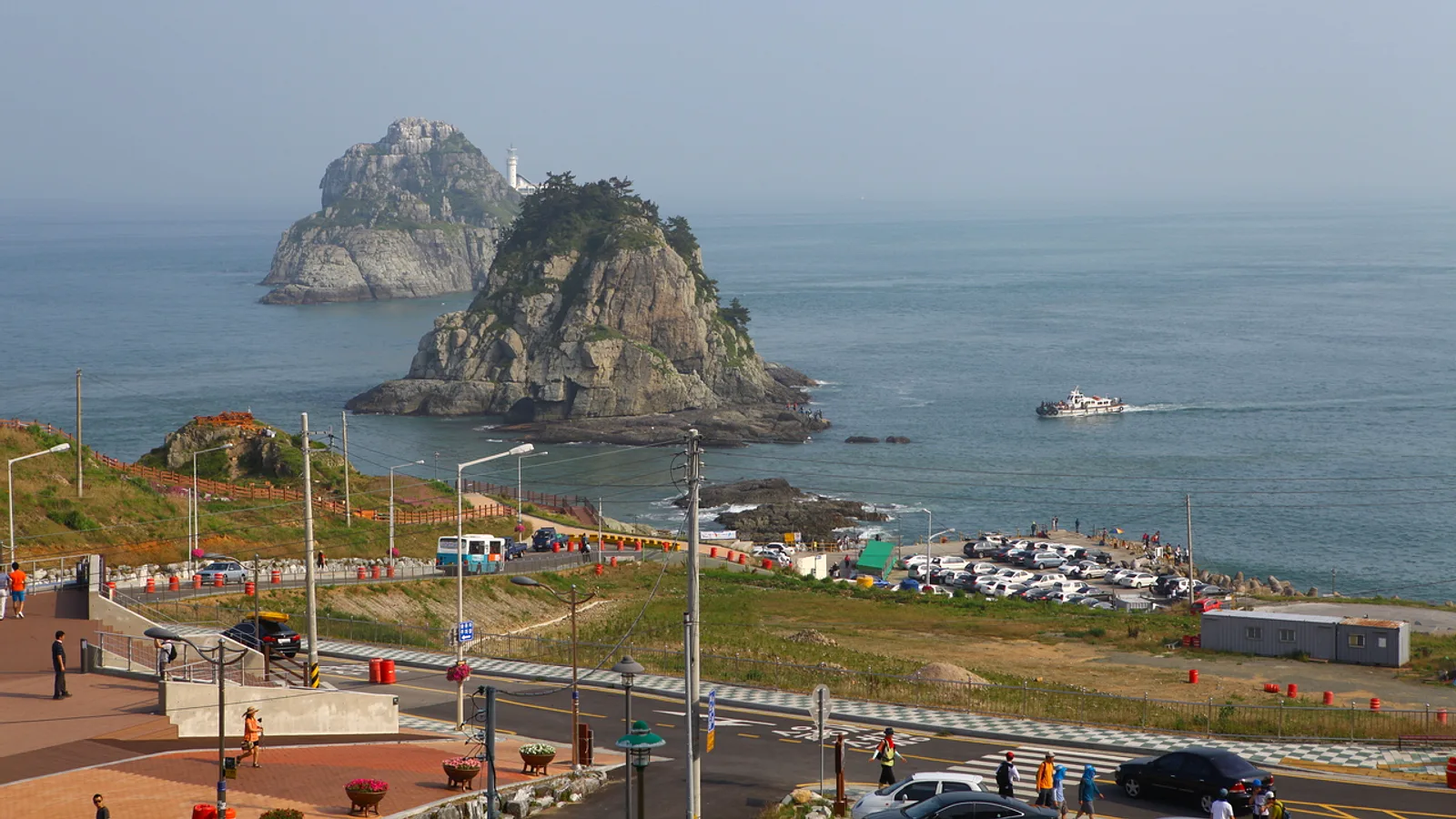
Igidae Coastal Walk in Busan: Cliff Trail, Oryukdo and the Marine City Skyline
A practical guide to Igidae Park's cliff-top trail in Busan, covering the route to the Oryukdo Skywalk, the view of Haeundae's towers, getting there by bus, and what to wear.
Connected Cultural Destinations
Handpicked nearby attractions and regional cultural highlights.

Gamcheon Culture Village
감천문화마을203 Gamnae 2-ro, Saha-gu, Busan
Gamcheon Culture Village in Saha-gu, Busan, is a vibrant hillside community celebrated as "Korea's Santorini" or "Machu Picchu of Busan" for its terraced rows of pastel-hued residences clinging to ...
HalalMorning (around 09:30-10:00)
Details→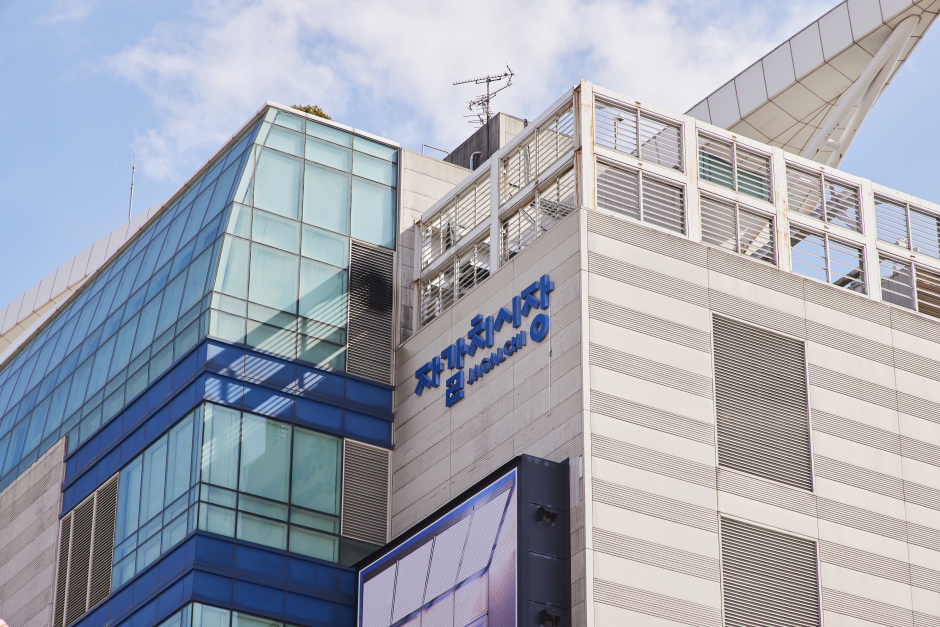
Jagalchi Fish Market
자갈치시장Jagalchi Fish Market, Busan, South Korea
Jagalchi Fish Market is Korea’s largest seafood bazaar on the Busan waterfront, renowned for vibrant fishmonger stalls, live king crab tanks, and fresh second-floor sashimi dining.
HalalMorning (around 09:30-10:00)
Details→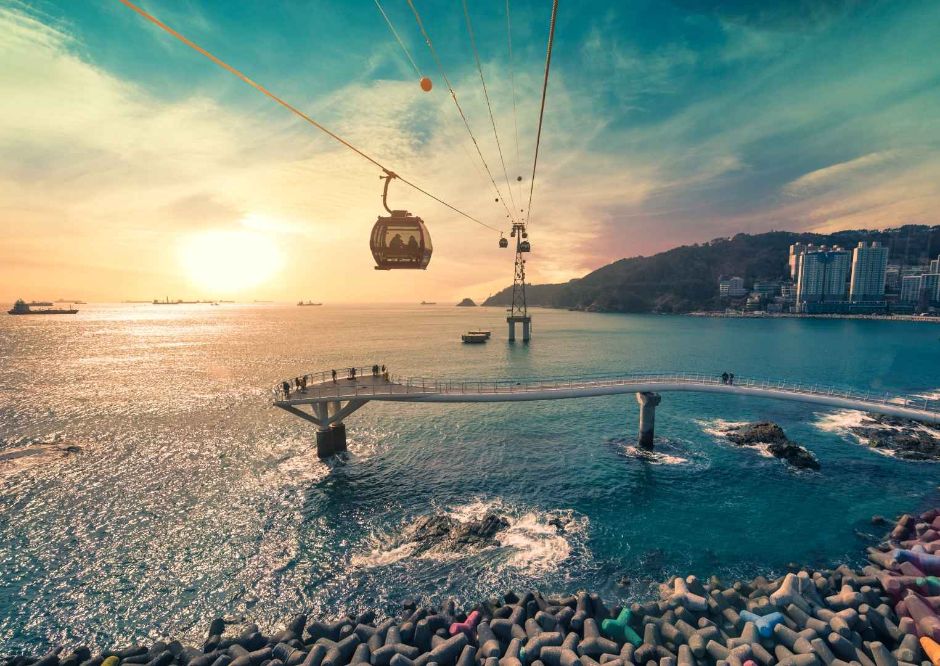
Songdo Marine Cable Car
송도해상케이블카Songdo Marine Cable Car, Busan, South Korea
Songdo Marine Cable Car spans 1.62 kilometers across the sea at heights of up to 86 meters, connecting Songdo Beach to Amnam Park with transparent glass-bottom Crystal Cabins.
HalalMorning (around 09:30-10:00)
Details→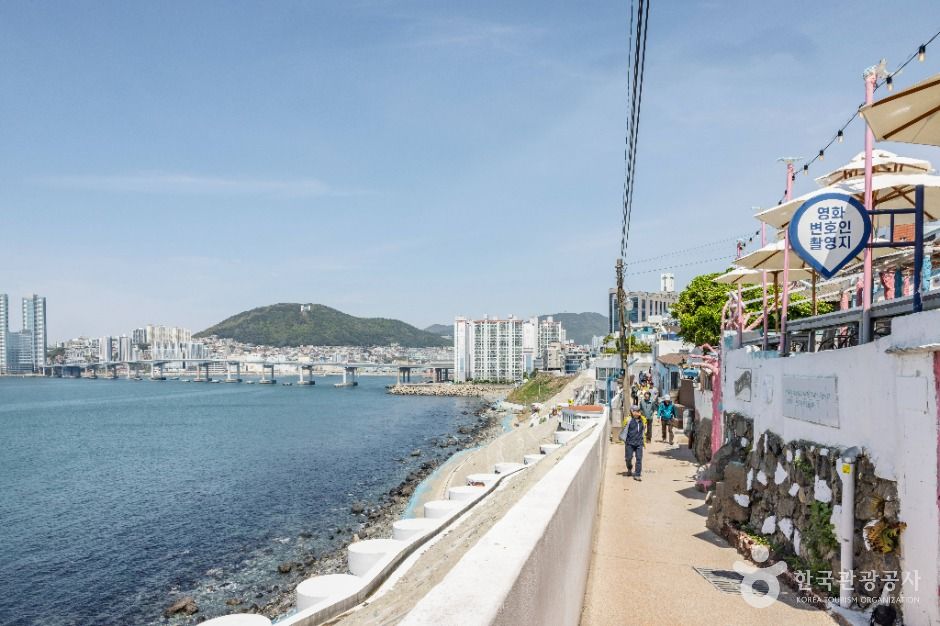
Huinnyeoul Culture Village
흰여울문화마을Huinnyeoul Culture Village, Busan, South Korea
Huinnyeoul Culture Village is a picturesque cliffside artistic enclave on Yeongdo Island overlooking the Busan South Sea, celebrated as "Korea’s Santorini" for whitewashed alleyways and coastal tun...
HalalMorning (around 09:30-10:00)
Details→