Seoul•Nature•National Park
Bukhansan National Park
북한산국립공원
Powered by Korea Tourism OrganizationAddress: Bukhansan National Park, Seoul, South Korea (서울특별시 강북구·도봉구·은평구 및 경기도 고양시 일원)
Editorial review pending

Bukhansan National Park representative scenic panoramaZoom
+1More
1 / 6
Bukhansan National Park representative scenic panorama
Curator's Guide & Overview
Comprehensive Guide1. Historical Origins & Cultural Background
Designated in 1983, Bukhansan National Park covers 76.9 square kilometers across Seoul and Gyeonggi-do. Historically worshipped as Mount Samgaksan ('Three Horned Mountain') due to its trio of prominent granite spires—Baegundae (836m), Insubong (810m), and Manggyongdae (799m)—it has protected Seoul as a natural northern rampart for millennia.
2. Architectural Highlights & Key Structures
The park's centerpiece is the Bukhansanseong Fortress, an 8.5-kilometer stone wall complex originally constructed in 1711 during King Sukjong's reign to shelter royalty during wartime. Its ancient granite battlements and arched entry gates wind majestically along craggy ridges.
3. Four Seasons Landscape & Seasonal Visiting Charms
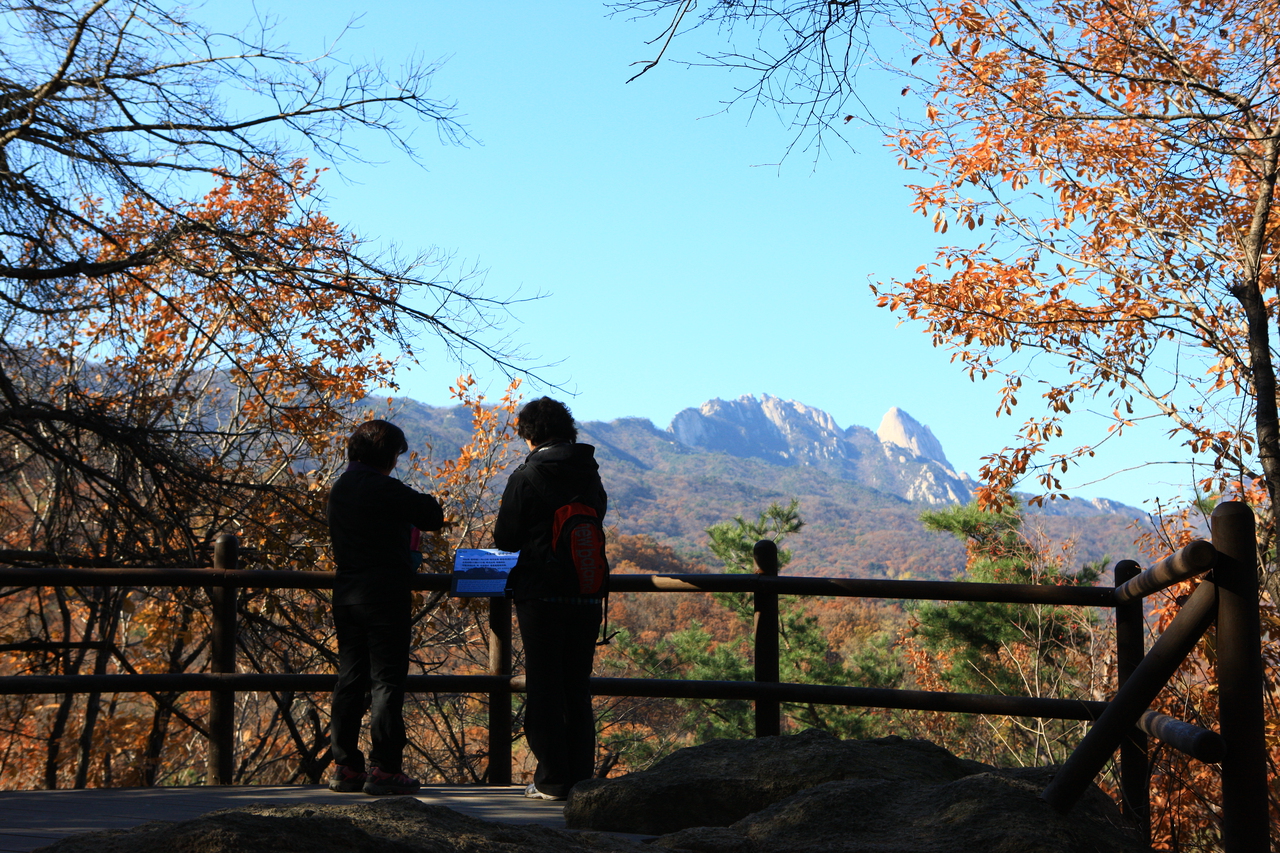
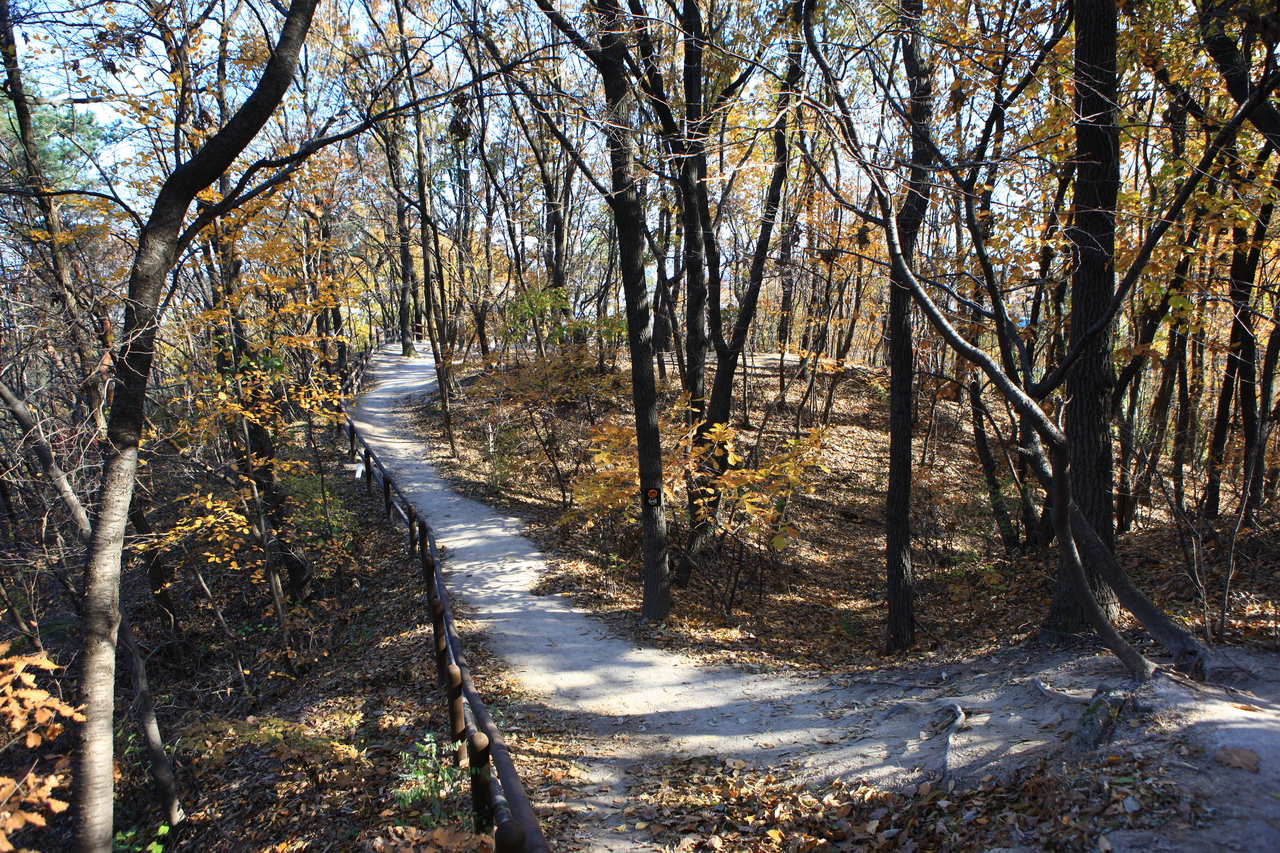
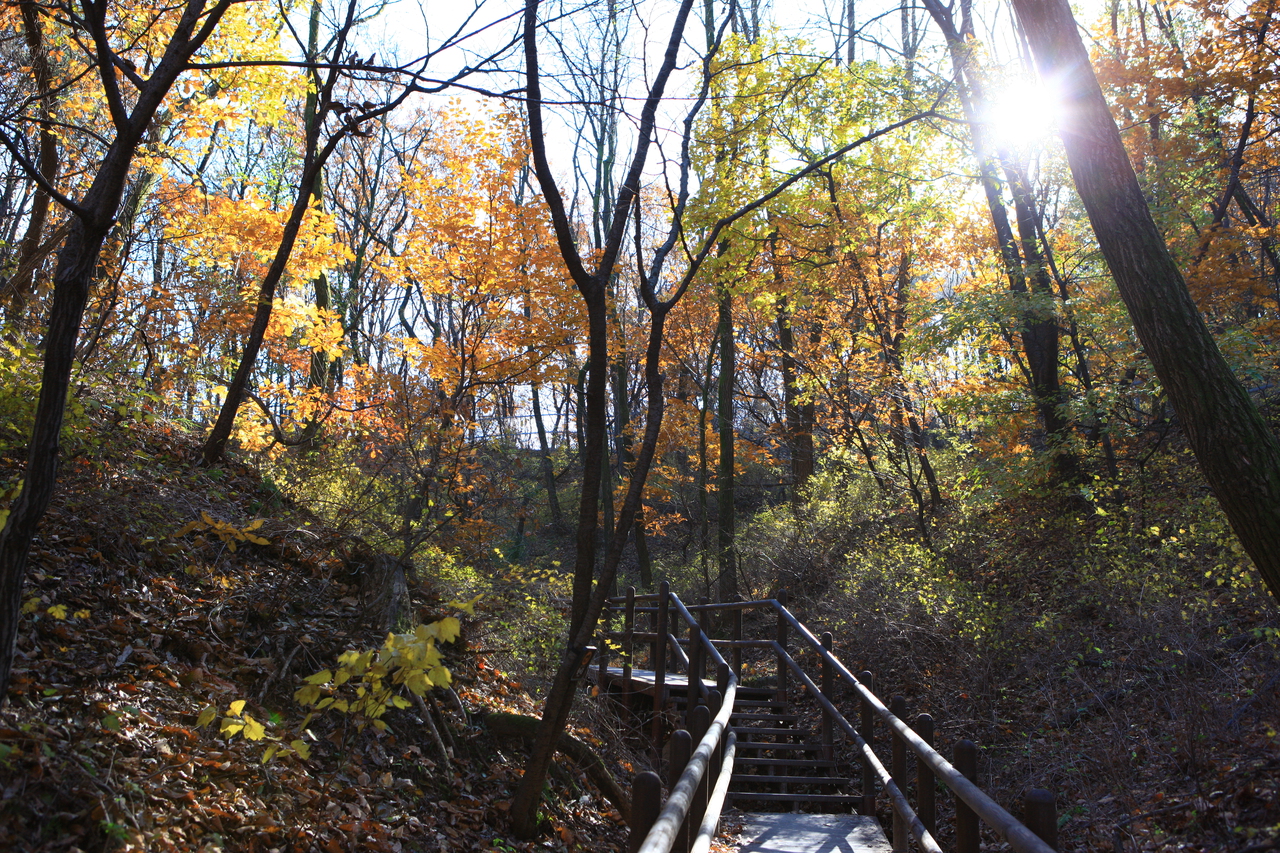
Spring blankets the mountain valleys in pale pink wild azaleas and mountain cherries. In autumn, blazing scarlet and golden maples paint the granite cliffs in vibrant colors. Winter brings crisp blue skies and breathtaking snowscapes over frozen mountain ridges.
4. Operating Hours & Peak Viewing Times
Hiking trailheads allow entry from 04:00 to 17:00 in summer (March-October) and 04:00 to 16:00 in winter (November-February). For safety, nighttime hiking is strictly prohibited, and visitors must plan to descend before complete sunset.
5. Admission Fees & Concessions (Youth/Foreigner Discounts)
Admission to Bukhansan National Park is 100% free of charge. Parking at trailhead lots ranges from 2,000 to 5,000 KRW per hour depending on season.
6. Public Transit & Subway Exit Directions
For the popular Baegundae summit climb, take the Ui LRT Line to Bukhansan Ui Station (Exit 2) and walk or take a taxi to the doseonsa trailhead. For the Bukhansanseong trail, take Subway Line 3 to Gupabal Station (Exit 1) and transfer to City Bus 704 or 34 (15 minutes).
7. Barrier-Free Accessibility & Visitor Amenities
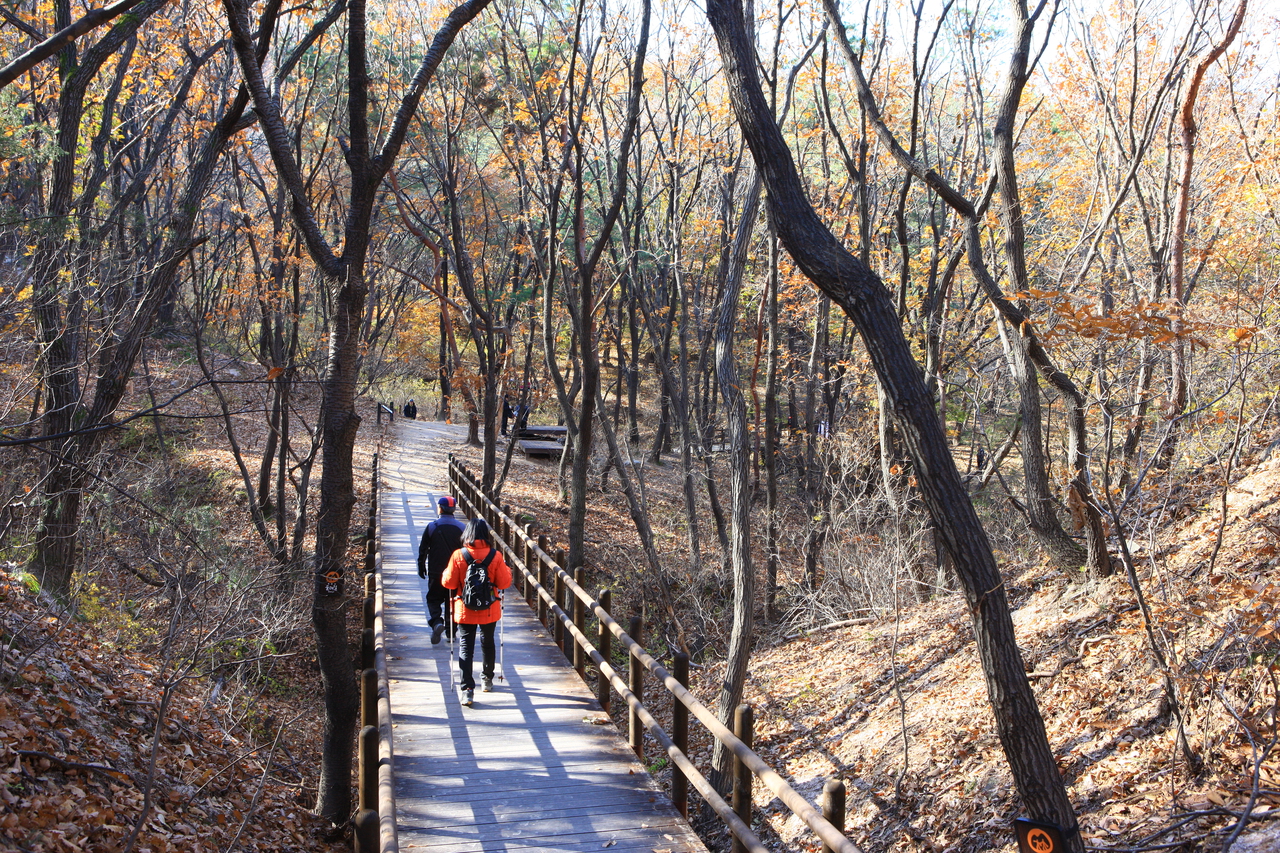
While the summit involves steep granite scrambles equipped with wire ropes, the lower valley paths feature accessible wooden deck walkways. The Bukhansan Dulle-gil walking trails near Ui-dong offer barrier-free gentle gravel paths for light strolls.
8. Recommended Walking Route & Highlights Tour
Baegundae Classic Summit Route (3.5 hours): Start at Bukhansanseong Information Center → Daeseomun Gate → Borisa Temple → Baegun Shelter → scale the iron cable stairs to Baegundae Peak (836m) → descend via Doseonsa Temple to Bukhansan Ui Station.
9. Local Food Specialties & Regional Flavors
Trailhead villages are famous for hearty post-hike feasts: acorn jelly salad (dotori-muk), sizzling seafood scallion pancakes (pajeon), and boiling earthenware pots of samgyetang (ginseng chicken soup) washed down with cold Makgeolli rice wine.
10. Dietary Options (Vegetarian, Halal & Allergen Guide)
Buddhist hermitage restaurants near the park gates serve wholesome vegetarian mountain bibimbap with foraged fiddlehead ferns and fresh tofu stew. Fresh cucumber and fruit stands line the trailheads.
11. Signature Photo Spots & Golden Hour Lighting
The panoramic 360-degree overlook from Baegundae Peak standing beside the fluttering Korean national flag, and the dramatic sheer rock face of Insubong framed against autumn foliage are world-class photo highlights.
12. Visitor Etiquette & Cultural Property Regulations
Leave No Trace principles are strictly enforced. Smoking, campfires, and alcohol consumption on trails are punishable by heavy fines. Stay strictly on marked trails to prevent erosion and rockfalls.
13. Safety Precautions & 1330 Tourism Hotline Support
Wear sturdy hiking boots with excellent grip for steep granite rock surfaces. In winter, crampons are mandatory. Park ranger emergency posts and helicopter rescue markers (119) are positioned every 500 meters along major trails. Multilingual help via 1330.
14. Nearby Connected Attractions & Walking Links
Eunpyeong Hanok Village and Jingwansa Temple lie at the western base, while Bukhansan Dulle-gil offers 21 gentle themed walking sections around the mountain perimeter.
15. Frequently Asked Questions (FAQ)
Q: Can beginners climb to Baegundae peak? A: Yes, but it requires moderate physical fitness, appropriate footwear, and at least 1 liter of drinking water. Avoid hiking during rainy or icy conditions.
16. Regional Extended Day Trip Itinerary
Morning ascent to Baegundae Peak from Bukhansan Ui → scenic summit picnic → afternoon descent to Jingwansa Temple in Eunpyeong Hanok Village → evening traditional herbal tea at a peaceful hanok cafe.
Essential Visitor Facts
Operating Hours
04:00 - 17:00 (Winter until 16:00, Hiking trails open daily)
Admission / Price
Free National Park Entry
Closed Days
Open 365 Days
Best Time to Visit
Morning (around 09:30-10:00)
Transit & Access Directions
Ui LRT Bukhansan Ui Station Exit 2 (Baegundae Trail) or Line 3 Gupabal Station Bus 704 (Fortress Gate)
Accessibility & Special Amenities
Wheelchair ramps, tactile paving, accessible restrooms
✓ Halal Options Nearby
Location Coordinates
Latitude: 37.6608
Longitude: 126.9936
Discover Themes & Highlights
Key interest areas and cultural highlights:
#bukhansan-national-park#VisitSeoul#KoreaTravelAtlas
Community Traveler Reviews0 Reviews
Visitor tips, feedback, and questions submitted by real travelers.
No community reviews submitted yet. Be the first traveler to share your experience!
Practical Guides: Seoul
Seoul
Starfield Library and COEX Mall: A Practical Guide to Seoul's Gangnam Landmark
How to visit Starfield Library inside COEX Mall in Samseong-dong, plus the aquarium, shops and nearby Bongeunsa Temple, with planning advice for first-time visitors.
Seoul
Seoul to Busan and Gyeongju by KTX: Booking, Stations and Luggage Tips
How to take the KTX from Seoul to Busan and to Gyeongju via Singyeongju, with advice on Korail reservations, SRT from Suseo, and storing luggage.
Seoul
N Seoul Tower and Namsan: Walking Routes, Cable Car and Sunset Views
How to reach N Seoul Tower on foot from Myeongdong or Chungmuro, when the cable car makes sense, and how to plan a sunset visit to Namsan.
Connected Cultural Destinations
Handpicked nearby attractions and regional cultural highlights.

Gyeongbokgung Palace
경복궁Gyeongbokgung Palace, Seoul, South Korea
Gyeongbokgung Palace is the grandest royal palace of the Joseon Dynasty, established in 1395 in northern Seoul. Framed by Mount Baegaksan, its majestic grounds encompass Geunjeongjeon Throne Hall, ...
HalalMorning (around 09:30-10:00)
Details→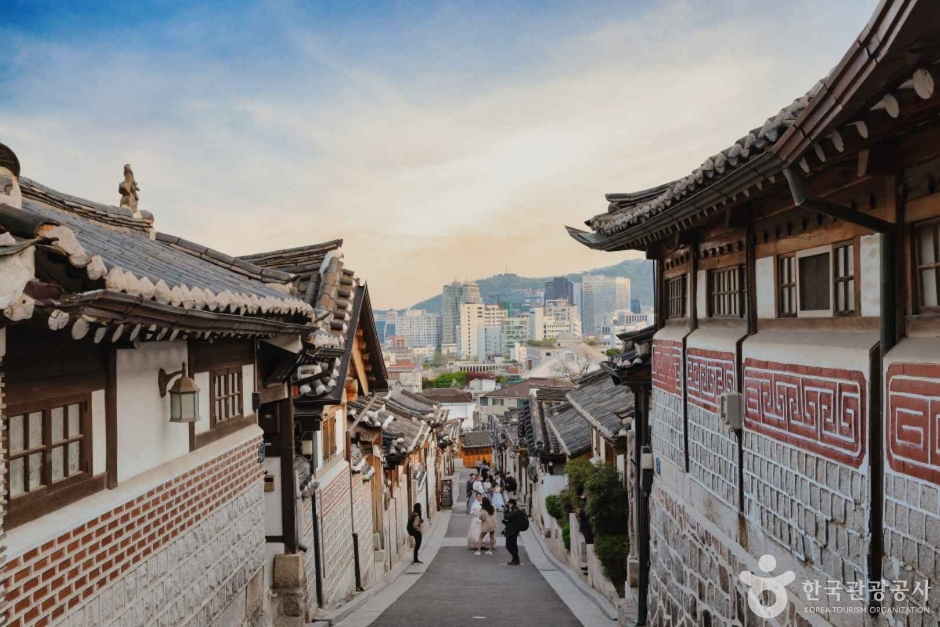
Bukchon Hanok Village
북촌한옥마을Bukchon Hanok Village, Seoul, South Korea
Bukchon Hanok Village is a preserved historic residential neighborhood nestled between Gyeongbokgung and Changdeokgung palaces. Preserving over 600 years of Seoul urban history, Bukchon features hu...
HalalMorning (around 09:30-10:00)
Details→
Cheonggyecheon Stream
청계천Cheonggyecheon Stream, Seoul, South Korea
Cheonggyecheon Stream is an 11-kilometer ecological urban waterway flowing through central Seoul, featuring restored historic stone bridges, stepping stones, and lantern art festivals.
HalalMorning (around 09:30-10:00)
Details→
The War Memorial of Korea
전쟁기념관The War Memorial of Korea, Seoul, South Korea
The War Memorial of Korea in Yongsan is a monumental history museum and memorial park displaying over 10,000 historical artifacts, military aircraft, and tanks.
HalalMorning (around 09:30-10:00)
Details→