北漢山国立公園

キュレーター詳細ガイド&概要
総合ガイド1. Overview & Cultural Significance
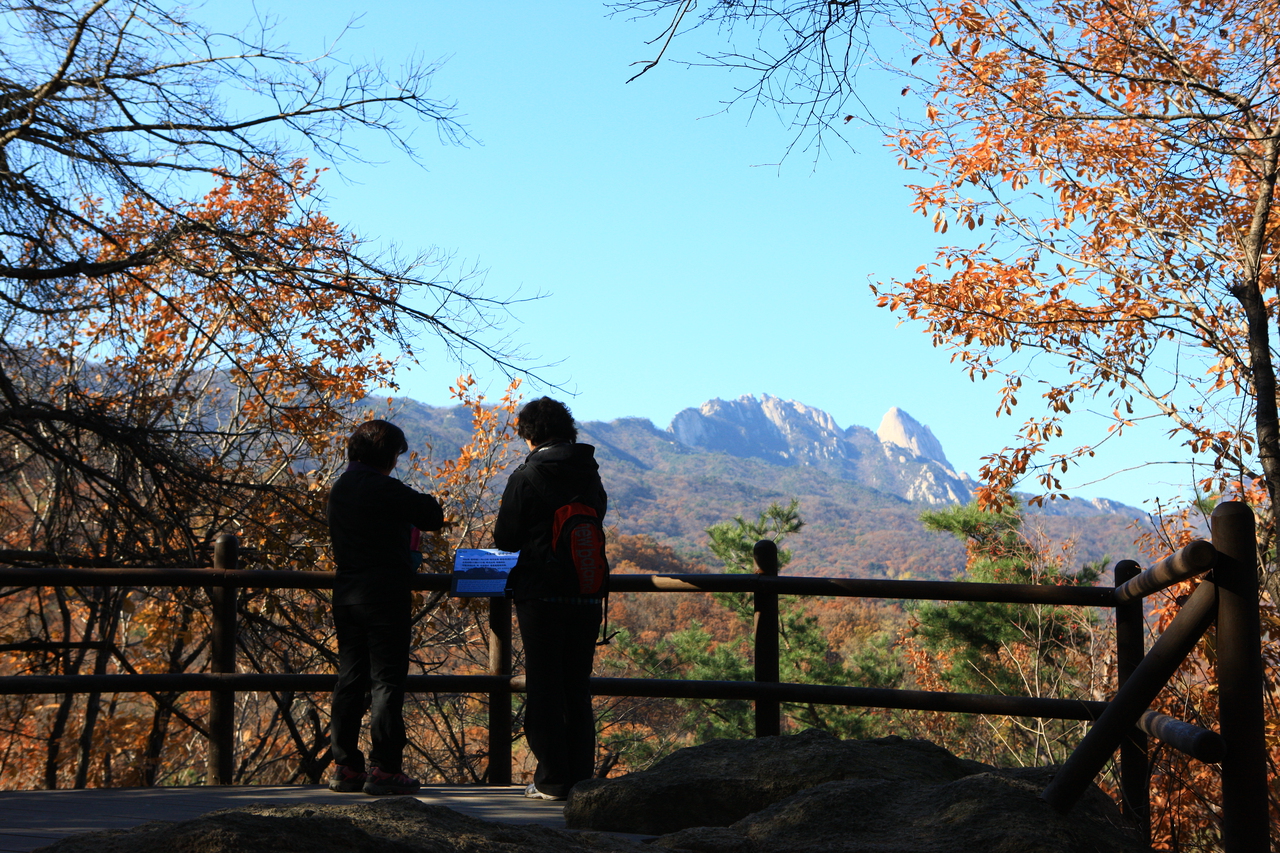
Bukhansan National Park (북한산국립공원) is a protected natural treasure nestled in the scenic terrain of Seoul, Seoul. Showcasing South Korea's dynamic topography, the area features preserved ecological habitats, scenic ridgelines, and panoramic seasonal vistas.
Renowned across Seoul as a peaceful retreat away from urban congestion, Bukhansan National Park offers clean alpine air, clearly marked walking paths, and exceptional biodiversity throughout every season of the year.
2. Highlights & Architectural Icons
- Panoramic Vantage Points: Elevated observation decks offering clear views across Seoul's sweeping valleys and mountain ridges.
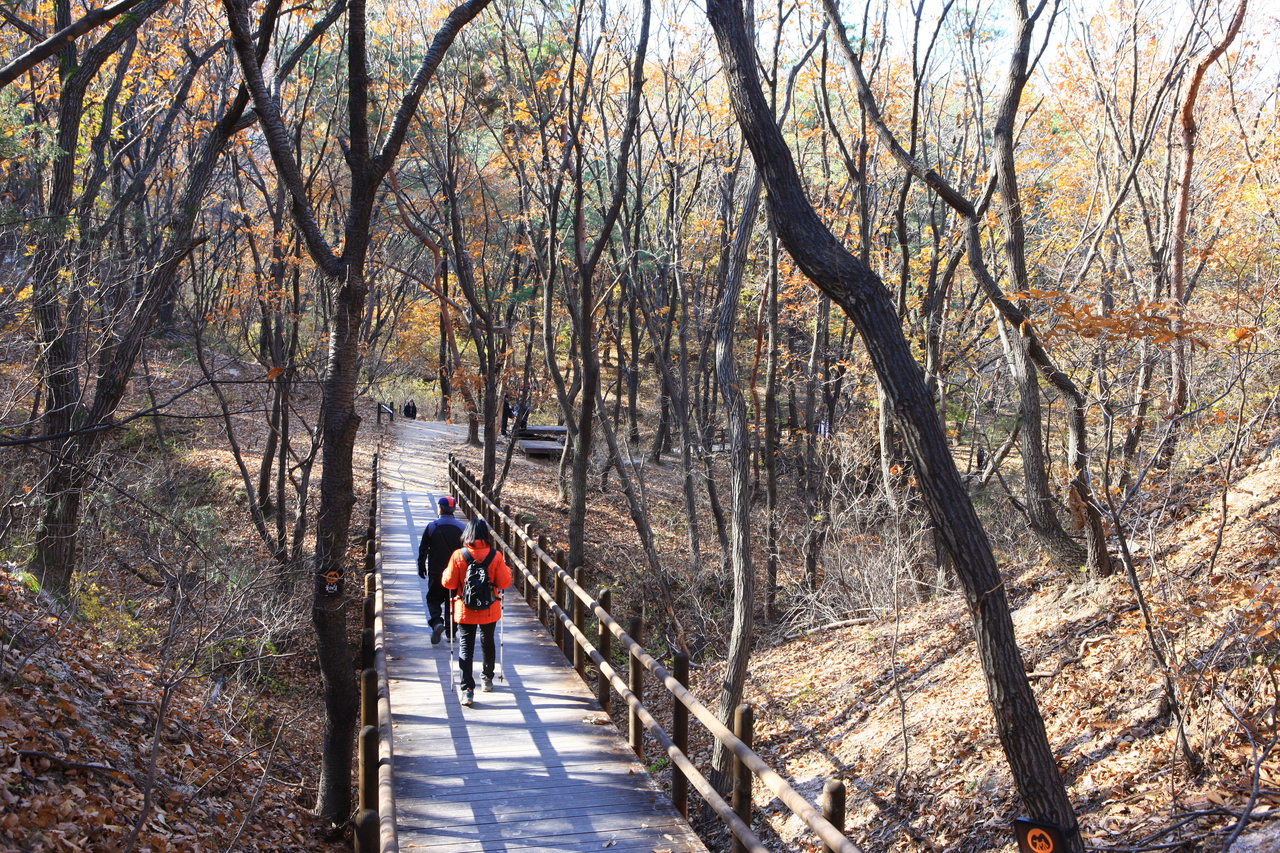
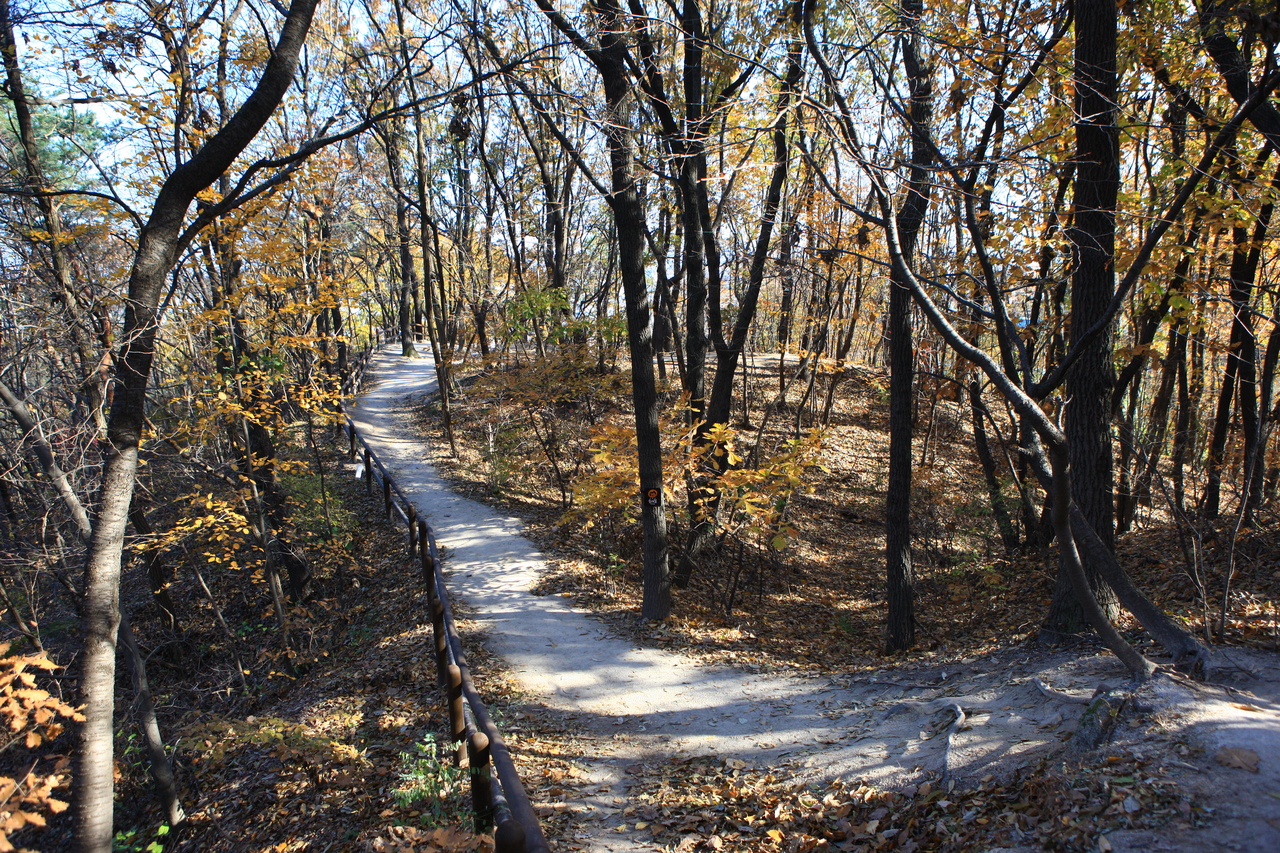
- Pristine Natural Trails: Shaded walking and hiking paths meandering along natural streams, seasonal foliage, and rock formations.
- Biodiversity & Flora: Home to native Korean plant species, wild bird habitats, and seasonal wildflower meadows.
3. Best Time to Visit & Seasonal Charms
- Spring (April - May): Temperate weather with blooming cherry blossoms, azaleas, and crisp clear skies ideal for outdoor exploration across Seoul.
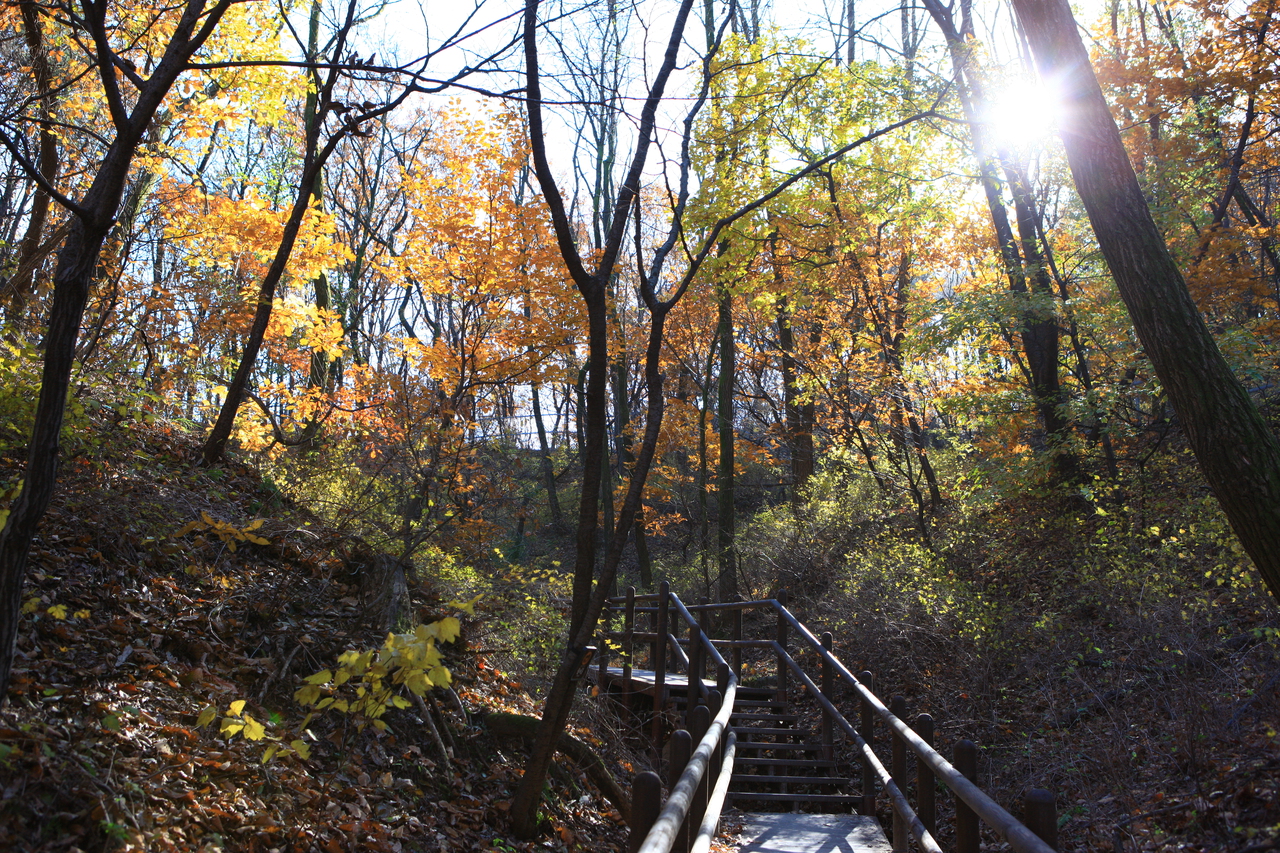
- Autumn (September - November): Peak autumn foliage, comfortable walking temperatures, and golden afternoon light illuminating the surrounding landscape.
- Summer (June - August): Verdant greenery; morning visits before 10:30 or twilight walks after 17:00 are recommended to avoid midday humidity.
- Winter (December - February): Crisp, quiet contemplative atmosphere; snow-covered roofs and trees create picturesque seasonal vistas.
4. Operating Hours & Seasonal Closures
- Trail Hours: Open daily from sunrise to sunset (seasonal entry cutoffs: 05:00 - 17:00 in summer, 06:00 - 16:00 in winter for visitor safety).
- Rest Days: Open 365 days a year; access may be temporarily restricted during heavy snowfall, typhoons, or seasonal forest fire prevention periods.
5. Unified Concession & Ticket Pricing
- General Admission: Completely free public entry for all visitors year-round.
- Open Access: No admission tickets or advance reservations required to explore public paths, alleys, and grounds.
- Optional Facilities: Separate nominal fees may apply for cable cars, equipment rentals, or parking.
6. Transit & Subway Exits
- Public Transit Access: Accessible via Seoul Metropolitan Subway network with multilingual announcements and numbered exits serving Seoul.
- Local Connections: From the primary transit terminal or metro station in Seoul, board local buses or take a brief 5 to 10-minute taxi directly to the main entrance of 북한산국립공원.
- Navigation Tip: Enter "북한산국립공원" into NAVER Map or KakaoMap for live step-by-step pedestrian transit routes.
7. Barrier-Free Accessibility
- Mobility Access: Step-free access ramps and graded paved walkways connect the main visitor areas and primary viewing plazas.
- Restroom Facilities: Wheelchair-accessible public restrooms equipped with support bars are situated near the main entrance.
- Mobility Aids: Complimentary manual wheelchairs and baby strollers are available for loan at the primary tourist information desk.
8. Recommended Routes & Itinerary Options
- Express Route (45 - 60 Minutes): Enter through the main gate, take in the central landmark architectural icon, photograph the primary viewpoint, and exit via the landscaped perimeter path.
- In-Depth Cultural Walk (90 - 120 Minutes): A leisurely loop exploring the secondary pavilions or scenic trails, visiting on-site interpretive displays, and unwinding at an adjacent traditional tea house or cafe.
9. Regional Food Specialties & Dining
- Recommended Specialties: Royal palace bone broth (Seolleongtang), Myeongdong Kalguksu, and Tosokchon Samgyetang.
- Dining Atmosphere: Authentic family-run restaurants, cozy local cafes, and casual dining spots line the approach roads within a 500-meter radius of 북한산국립공원.
10. Dietary Accommodations (Halal & Vegetarian)
- Halal Dining Options: Abundant certified Halal dining in Itaewon (Seoul Central Mosque) and vegan temple dining in Insa-dong.
- Vegetarian Recommendations: Vegetable bibimbap (Sanchae Bibimbap), savory mung bean or vegetable pancakes (Pajeon), and fresh tofu dishes are widely available upon request at surrounding restaurants.
11. Photography Spots & Golden Hour
- Signature Shot: Position your camera from the central open plaza to capture 북한산국립공원's architectural lines against the surrounding hills and sky.
- Recommended Timing: Early morning (09:15 - 10:30) for clear eastern sunlight, and golden hour (16:30 - 17:45) for rich warm tones.
12. Traveler Etiquette & Cultural Customs
- Leave No Trace: Carry all personal trash out of the natural park; picking wild plants or disturbing wildlife is strictly forbidden.
- Trail Rules: Stay on clearly marked designated paths to protect fragile alpine ecosystems and prevent soil erosion.
- Fire Safety: Smoking, cooking, or lighting fires outside designated shelter areas is prohibited by law.
13. Safety, Emergency Care & 1330 Hotline
- Tourist Helpline (1330): Dial 1330 from any local mobile phone or landline for free 24/7 multilingual translation and travel assistance in English, Japanese, and Chinese.
- Emergency Medical (119): For urgent ambulance medical assistance or fire rescue, dial 119 immediately.
- Police Assistance (112): For emergency police support or lost property reports, dial 112.
- On-Site First Aid: The main visitor information center in Seoul is equipped with first aid kits and automated external defibrillators (AED).
14. Nearby Cultural Attractions
Explore complementary cultural landmarks across Seoul and Seoul, including nearby traditional markets, regional folk museums, and scenic waterfront trails situated within a short transit ride.
15. Frequently Asked Questions
- Q: Are luggage storage lockers available at the destination?
A: Automated luggage lockers are available at the primary transit station in Seoul and at the main visitor information desk.
- Q: Are international credit cards accepted for admission and dining?
A: Yes, major international cards (Visa, MasterCard, JCB, UnionPay) and T-money transit cards are accepted throughout ticketing kiosks and local restaurants.
- Q: Is handheld photography permitted for foreign travelers?
A: Non-commercial handheld photography is welcomed throughout outdoor areas and public viewing plazas; tripods and drones require advance written permission.
16. Connected Regional Destinations
Connect your visit to Bukhansan National Park with other celebrated regional attractions across Seoul. Plan an enriching multi-destination journey linking historic heritage, scenic nature, and vibrant local gastronomy.
訪問の重要基本情報
Seoul Metropolitan Subway network with multilingual announcements and numbered exits
Wheelchair ramps, tactile paving, accessible restrooms
位置情報・地図座標
主要テーマ&見どころ
主な関心分野および文化ハイライト:
旅行者コミュニティレビュー1件のレビュー
実際の旅行者から投稿された訪問のヒント、体験談、アドバイスです。
Visiting Bukhansan National Park was one of the true highlights of my journey in Seoul. Easy access via public transit, remarkably well-maintained grounds, and authentic local food nearby.
近隣の連携文化観光スポット
合わせて巡るのにおすすめの周辺名所と文化遺産です。
Nソウルタワー
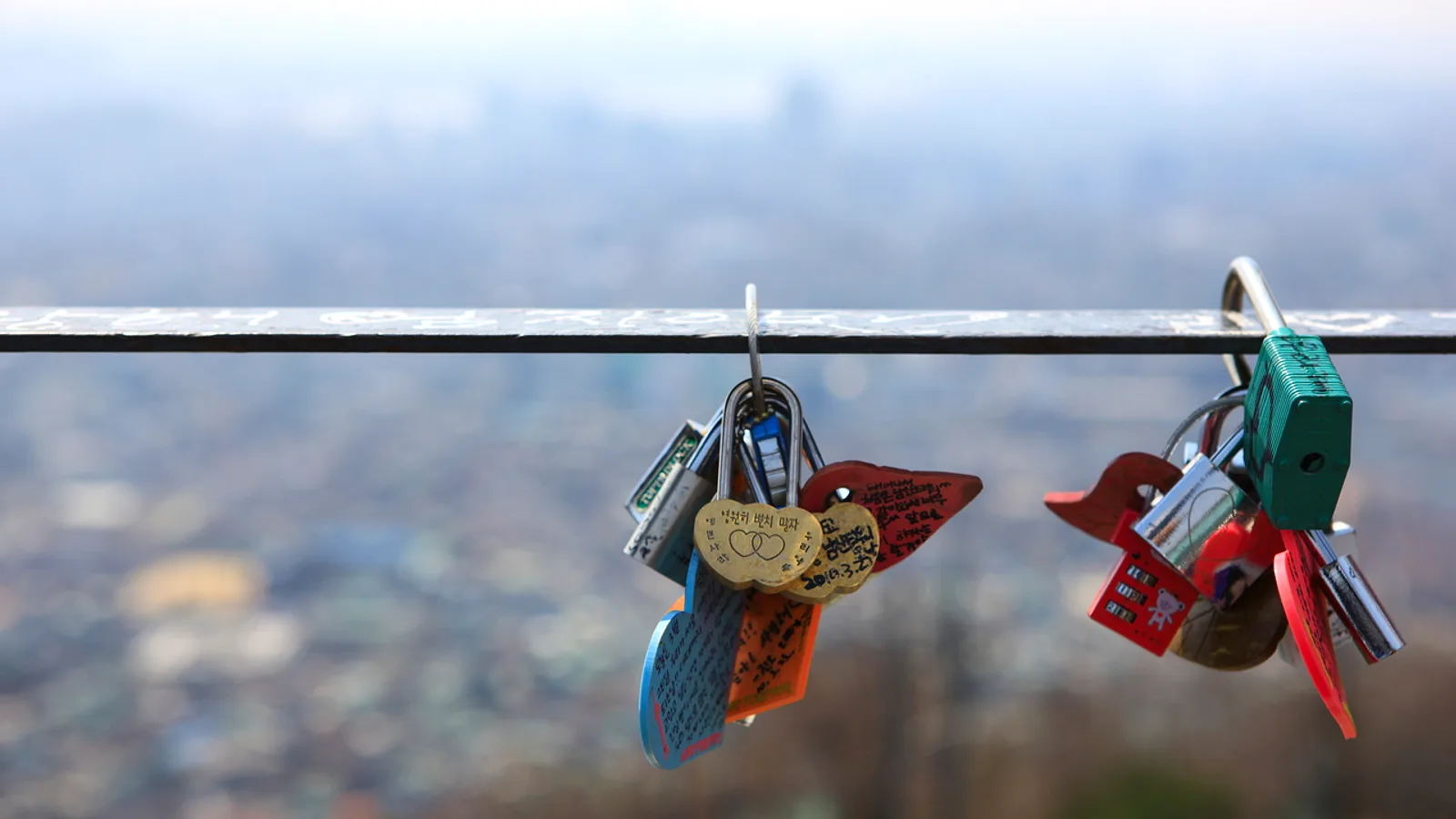
N서울타워Nソウルタワーは、南山(ナムサン)山頂の海抜479mにそびえ立つソウルの象徴的展望タワーです。360度ガラス張りの展望デッキからは漢江と高層ビル群が一望でき、日没後のライトアップ夜景は圧巻の美しさです。恋人たちが愛を誓う「愛の南京錠」テラスや南山八角亭、ロープウェイや循環バスで快適にアクセスできる人気スポットです。
北村韓屋村
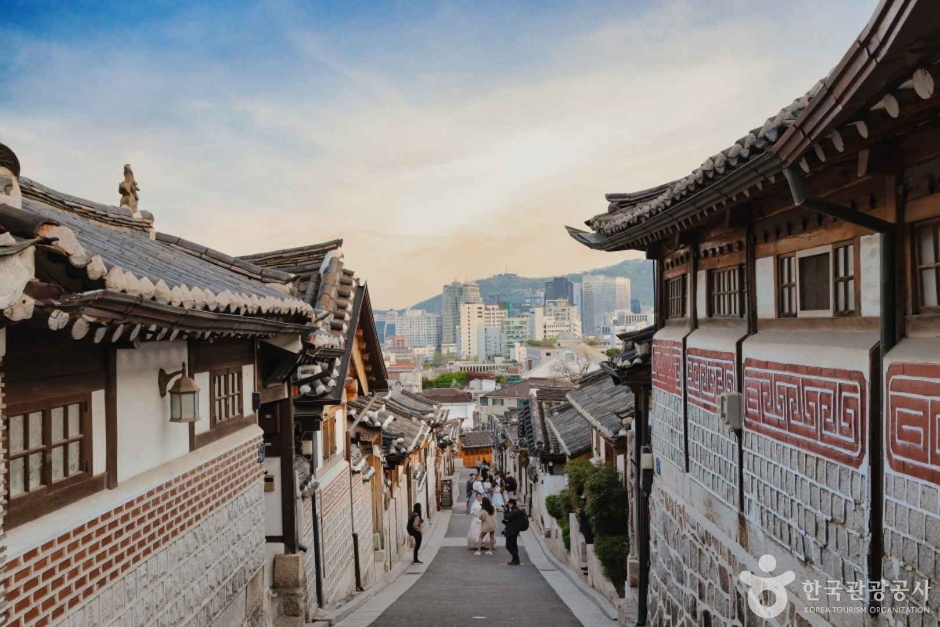
북촌한옥마을北村(プッチョン)韓屋村は、景福宮と昌徳宮の間に広がる、朝鮮時代から600年の歴史を持つ伝統家屋(韓屋)保存地域です。黒瓦の屋根が連なる石畳の坂道(嘉会洞31番地)からは、古き良き伝統美と現代の高層ビル街が美しく対比する絶景が望めます。伝統工芸工房や風情ある伝統茶カフェが点在しています。