Seoul•Culture•Local Experience
The War Memorial of Korea
전쟁기념관
Powered by Korea Tourism OrganizationAddress: The War Memorial of Korea, Seoul, South Korea (서울특별시 용산구 이태원로 29)
Editorial review pending

The War Memorial of Korea representative scenic panoramaZoom


+1More
1 / 6
The War Memorial of Korea representative scenic panorama
Curator's Guide & Overview
Comprehensive Guide1. Historical Origins & Cultural Background
Established in 1994 on the former headquarters site of the Republic of Korea Army in Yongsan, the War Memorial of Korea serves as a profound national institution dedicated to commemorating the sacrifices of patriots and imparting peace lessons from past conflicts, particularly the Korean War (1950-1953).
2. Architectural Highlights & Key Structures
The grand neoclassical main hall is flanked by sweeping semicircular colonnades inscribed with the names of over 200,000 fallen soldiers. Outside, a vast 30,000-square-meter plaza displays life-size B-52 bombers, T-34 tanks, naval patrol crafts, and the iconic 'Statue of Brothers' depicting two soldier brothers meeting on the battlefield.
3. Four Seasons Landscape & Seasonal Visiting Charms
In spring, rows of cherry blossoms line the perimeter reflecting ponds. Summer breezes rustle through the peace plaza flags, while autumn covers the memorial grounds in golden ginkgo foliage, lending a solemn, contemplative atmosphere to the vast memorial grounds.
4. Operating Hours & Peak Viewing Times
Indoor exhibitions are open Tuesday through Sunday from 09:30 to 18:00 (last admission 17:00), closed Mondays. Outdoor artifact grounds remain open from 08:00 until dusk daily. Visiting on weekday mornings offers an uncrowded, peaceful environment.
5. Admission Fees & Concessions (Youth/Foreigner Discounts)
Admission to the permanent exhibition halls, memorial monuments, and outdoor equipment park is completely free of charge. Occasional special international cultural exhibitions in the annex building may charge separate admission fees ranging from 10,000 to 20,000 KRW.
6. Public Transit & Subway Exit Directions
Take Seoul Subway Line 4 or Line 6 to Samgakji Station and take Exit 12, leading directly to the west gate within a 3-minute walk. Subway Line 1 Namyeong Station is also reachable within an 8-minute flat walk.
7. Barrier-Free Accessibility & Visitor Amenities
The entire facility is impeccably barrier-free, offering wide paved outdoor ramps, wheelchair-accessible automated entry doors, elevators between all three exhibition floors, and tactile guide blocks for visually impaired visitors. Complimentary wheelchairs and strollers are available at the information desk.
8. Recommended Walking Route & Highlights Tour
Begin at the Peace Plaza Statue of Brothers → enter through the Memorial Hall of Fallen Heroes → tour the Korean War Room (1, 2, and 3) → examine the UN Allied Forces contribution gallery → finish with the vast Outdoor Exhibition Park climbing inside military transport aircraft.
9. Local Food Specialties & Regional Flavors
The adjacent Samgakji neighborhood is famous for Daegu Tang (spicy codfish stew alley) with refreshing broth, and charcoal-grilled beef brisket at 60-year-old Pyeongyangjib. Trendy cafe boulevard Yongridan-gil is just across the street.
10. Dietary Options (Vegetarian, Halal & Allergen Guide)
Yongridan-gil boasts Mediterranean vegetarian bistros, artisanal sourdough bakeries, and fresh salads. The Itaewon international district, located just two subway stops east, offers dozens of certified Halal dining options.
11. Signature Photo Spots & Golden Hour Lighting
Capture symmetrical perspective shots down the grand colonnade with water reflecting pools, dramatic close-ups beneath the wings of the B-52 bomber, and emotive portraiture in front of the soaring bronze Statue of Brothers.
12. Visitor Etiquette & Cultural Property Regulations
As a solemn memorial dedicated to fallen soldiers, quiet and dignified behavior is expected. Running, loud shouting, skateboarding, and picnicking on ceremonial monuments are strictly prohibited.
13. Safety Precautions & 1330 Tourism Hotline Support
The museum features nursing rooms, first aid stations staffed by medical personnel on the first floor, and comprehensive CCTV monitoring. For multilingual tourism inquiries, contact 1330.
14. Nearby Connected Attractions & Walking Links
The National Museum of Korea and Yongsan Family Park lie 5 minutes south by subway, while the lively multicultural corridors of Itaewon and N Seoul Tower rise just to the east.
15. Frequently Asked Questions (FAQ)
Q: Are guided tours available in English? A: Yes, free docent-guided English tours depart daily from the information desk at 10:00 and 14:00. Audio guide headsets in English, Japanese, and Chinese can also be rented for a nominal fee.
16. Regional Extended Day Trip Itinerary
Morning visit to the War Memorial of Korea → seafood lunch at Samgakji Codfish Stew Alley → afternoon exploration of the National Museum of Korea → sunset panoramic city views from N Seoul Tower.
Essential Visitor Facts
Operating Hours
09:30 - 18:00 (Last entry 17:00, Closed Mondays)
Admission / Price
Free General Admission
Closed Days
Open 365 Days
Best Time to Visit
Morning (around 09:30-10:00)
Transit & Access Directions
Subway Line 4 or 6 Samgakji Station Exit 12 (3 min walk)
Accessibility & Special Amenities
Wheelchair ramps, tactile paving, accessible restrooms
✓ Halal Options Nearby
Location Coordinates
Latitude: 37.5366
Longitude: 126.9772
Discover Themes & Highlights
Key interest areas and cultural highlights:
#war-memorial-of-korea#VisitSeoul#KoreaTravelAtlas
Community Traveler Reviews0 Reviews
Visitor tips, feedback, and questions submitted by real travelers.
No community reviews submitted yet. Be the first traveler to share your experience!
Practical Guides: Seoul
Seoul
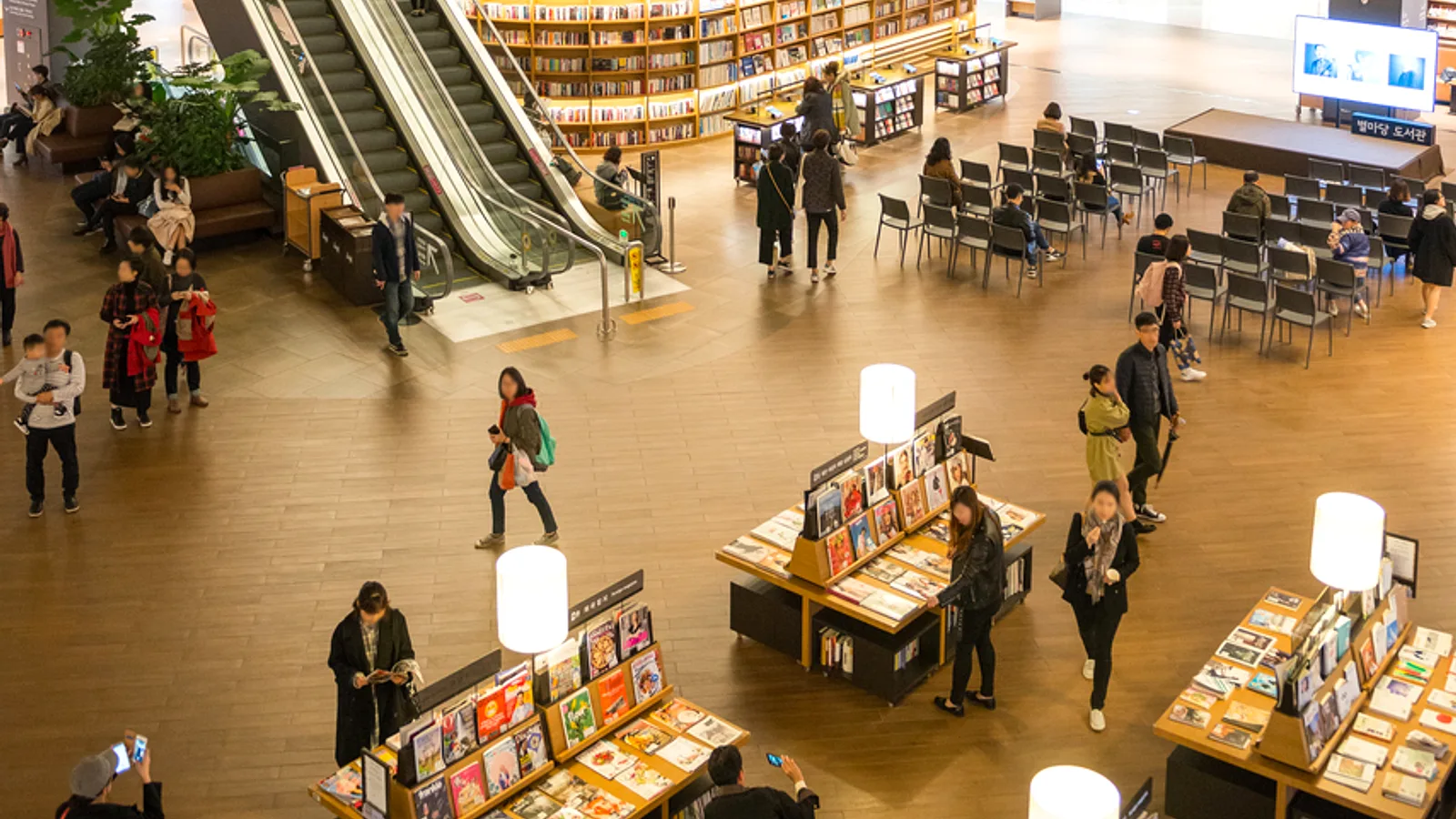
Starfield Library and COEX Mall: A Practical Guide to Seoul's Gangnam Landmark
How to visit Starfield Library inside COEX Mall in Samseong-dong, plus the aquarium, shops and nearby Bongeunsa Temple, with planning advice for first-time visitors.
Seoul
Seoul to Busan and Gyeongju by KTX: Booking, Stations and Luggage Tips
How to take the KTX from Seoul to Busan and to Gyeongju via Singyeongju, with advice on Korail reservations, SRT from Suseo, and storing luggage.
Seoul
N Seoul Tower and Namsan: Walking Routes, Cable Car and Sunset Views
How to reach N Seoul Tower on foot from Myeongdong or Chungmuro, when the cable car makes sense, and how to plan a sunset visit to Namsan.
Connected Cultural Destinations
Handpicked nearby attractions and regional cultural highlights.

Gyeongbokgung Palace
경복궁Gyeongbokgung Palace, Seoul, South Korea
Gyeongbokgung Palace is the grandest royal palace of the Joseon Dynasty, established in 1395 in northern Seoul. Framed by Mount Baegaksan, its majestic grounds encompass Geunjeongjeon Throne Hall, ...
HalalMorning (around 09:30-10:00)
Details→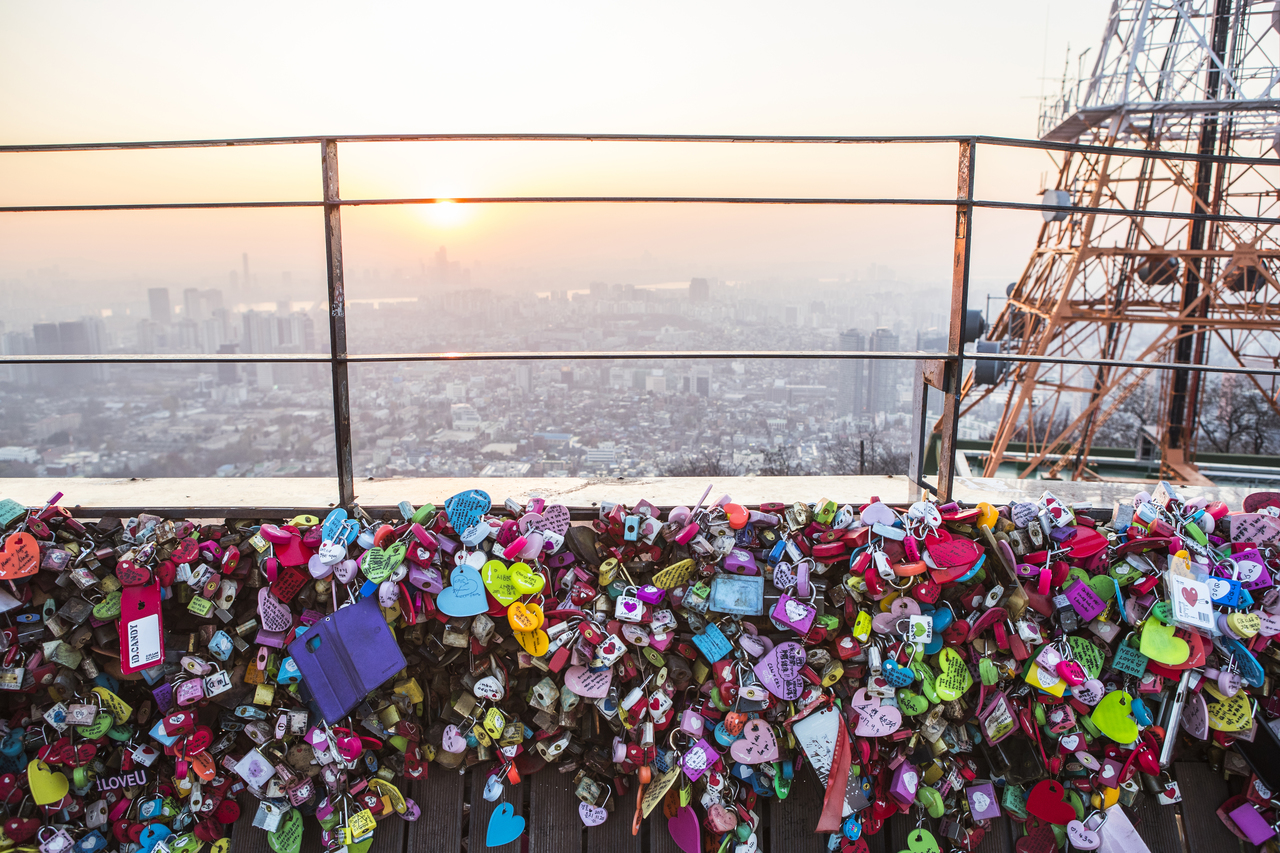
N Seoul Tower (Namsan)
N서울타워N Seoul Tower (Namsan), Seoul, South Korea
N Seoul Tower rises 479 meters above sea level atop Mount Namsan, serving as an iconic metropolitan transmission tower and observation landmark since 1980. The tower offers uninterrupted 360-degree...
HalalMorning (around 09:30-10:00)
Details→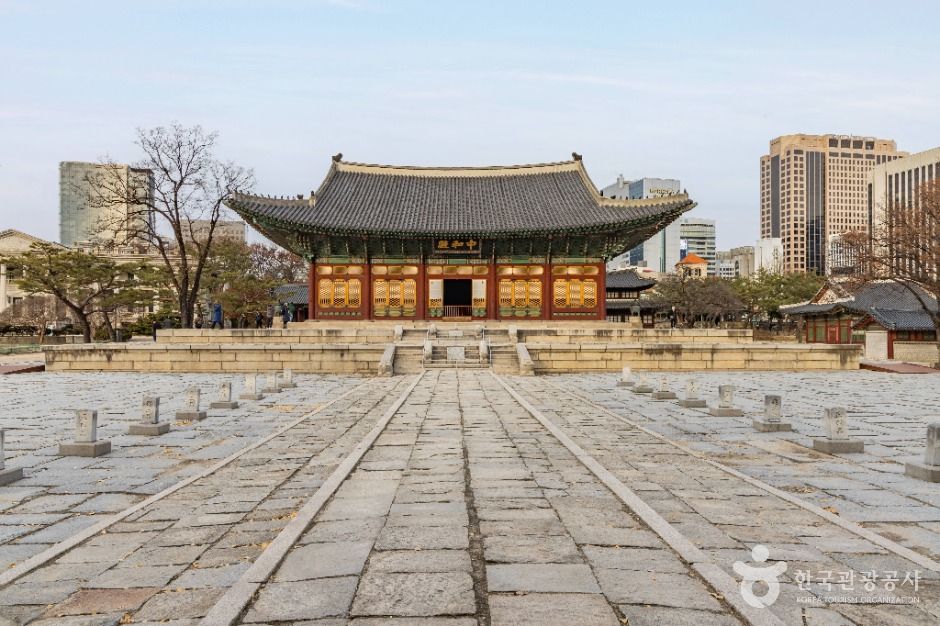
Deoksugung Palace
덕수궁99 Sejong-daero, Jung-gu, Seoul
Deoksugung Palace, located opposite Seoul City Hall, is a historically pivotal royal palace where traditional Joseon wooden halls stand shoulder-to-shoulder with neoclassical Western stone architec...
HalalMorning (around 09:30-10:00)
Details→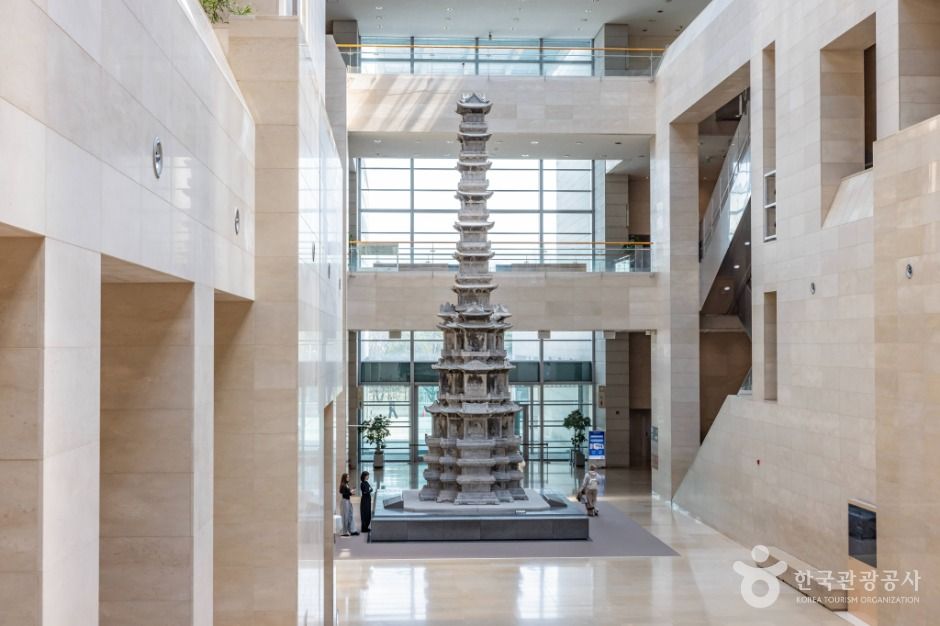
National Museum of Korea
국립중앙박물관137 Seobinggo-ro, Yongsan-gu, Seoul
The National Museum of Korea, situated in Yongsan, Seoul, is the preeminent cultural institution of South Korea, housing an unparalleled collection of over 400,000 historical artifacts from prehist...
HalalMorning (around 09:30-10:00)
Details→