Seoul•Nature•Scenic Nature Spot
Cheonggyecheon Stream
청계천
Powered by Korea Tourism OrganizationAddress: Cheonggyecheon Stream, Seoul, South Korea (서울특별시 종로구 창신동 ~ 중구 태평로1가 청계천로 일원)
Editorial review pending

Cheonggyecheon Stream representative scenic panoramaZoom


+1More
1 / 6
Cheonggyecheon Stream representative scenic panorama
Curator's Guide & Overview
Comprehensive Guide1. Historic Joseon Waterway & Modern Urban Ecological Restoration
Cheonggyecheon was originally known as Gaecheon ('open stream') during the Joseon Dynasty, serving as the central drainage artery of the capital. Paved over with concrete and an elevated highway during the 1960s post-war industrial boom, it was miraculously unburied and restored into a thriving 10.84-kilometer ecological corridor in 2005, serving as a worldwide model of sustainable urban regeneration.
2. Cheonggye Plaza, Stepping Stones & Historic Gwangtonggyo Bridge
The waterway begins at Cheonggye Plaza, marked by Claes Oldenburg's iconic spiraling sculpture 'Spring' and a two-tiered candle fountain. Along the sunken stream, visitors cross natural basalt stepping stones and pass beneath 22 bridges, including Gwangtonggyo—the Joseon era's largest stone bridge, built from carved granite stones originally from Queen Sindeok's royal tomb.
3. Four Seasons Riverside Flora & Shimmering Winter Lanterns
Spring sees yellow forsythias cascading down the river embankments, while summer brings cool evening breezes where city workers dip their feet into flowing mountain spring waters. Autumn hosts the dazzling Seoul Lantern Festival with hundreds of glowing hanji paper figures floating on the river, and winter turns the stream into an icy fairy-tale path lit by holiday lights.
4. Operating Hours & Twilight Promenade Recommendations
The riverwalk pathways are open 24 hours daily. The starting point waterfall and fountains operate continuously, with atmospheric LED pathway lighting active from sunset until 23:00. The optimal walking window is during twilight (17:30 to 19:30), when daylight softens into purple dusk and bridge lights illuminate the cascading water.
5. Free Public Access & Casual Refreshment Costs
Access to Cheonggyecheon is entirely free of charge. Along the street level, convenience stores and mobile coffee kiosks offer iced americanos, mineral waters, and craft sodas for 2,000 to 5,000 KRW, making it one of Seoul's most affordable leisure activities.
6. Gwanghwamun Station Exit 5 & Jonggak Transit Access
To start from the fountainhead at Cheonggye Plaza, take Subway Line 5 to Gwanghwamun Station (Exit 5, 1 minute walk). Alternatively, Subway Line 1 Jonggak Station (Exits 5 or 6) and Line 2 Euljiro 1-ga Station (Exits 2 or 3) provide immediate stair and ramp descents directly into the central bridge sections.
7. Barrier-Free Access Ramps & Elevator Facilities
Cheonggyecheon features multiple gently sloping barrier-free ramps located at Cheonggye Plaza, Mojeongyo, Gwangtonggyo, and Dongdaemun. Wheelchair elevators operate near Samilgyo and Dongdaemun Market, though stepping stones across the water are narrow and unsuitable for wheeled transit.
8. 2-Hour Downtown Scenic Waterfront Stroll
Begin at Cheonggye Plaza waterfall → walk beneath Mojeongyo and historic Gwangtonggyo → admire the massive 192-meter King Jeongjo Royal Procession ceramic mural near Gwanggyo → continue past Sewoon Arcade → exit near Gwangjang Market for a hot bindaetteok pancake dinner.
9. Euljiro Nogari Alley & Cheonggyecheon Street Eateries
Ascending the embankments near Supyogyo leads directly into the retro alleyways of Euljiro ('Hipjiro'), famed for draft beer with dried pollack (nogari) and spicy garlic chicken. Further east, street food carts near Dongdaemun offer warm fishcake skewers, hotteok, and twisted doughnuts.
10. Plant-Based Dining Along the Jongno Corridor
Vegan travelers can find temple-food restaurants in nearby Insa-dong (5 minutes north of Gwangtonggyo), serving mountain acorn jelly, lotus root rice, and vegetable bibimbap. Fresh fruit juice bars and soy-milk bakeries line the Jongno office towers alongside the waterway.
11. Signature Photography Angles: Waterfall & Stepping Stones
Capture dramatic symmetrical photographs from the center of the basalt stepping stones looking up toward the illuminated Cheonggye Plaza fountain and surrounding glass skyscrapers. Evening shots beneath Gwangtonggyo capture historic stone textures contrasted against glowing metropolitan lights.
12. Waterway Safety Regulations & Flash Flood Alerts
Wading with shoes or swimming in the stream is prohibited, though sitting on the stone ledge and dipping bare feet into the water is a cherished tradition. During heavy monsoon rainstorms, entry gates automatically close to protect visitors from rapid flash flooding.
13. Safety Surveillance & Multilingual Tourist Hotlines
Emergency call pillars, lifebuoys, and CCTV monitoring cameras are stationed every 100 meters along the banks. In case of lost items or medical distress, dial 1330 for instant English, Japanese, or Chinese support from the Korea Tourism Organization.
14. Adjacent Landmarks: Deoksugung, Gwangjang Market & DDP
Cheonggyecheon links Seoul's premier historic and modern destinations: Deoksugung Palace is 5 minutes west of Cheonggye Plaza, Insa-dong is just across Jongno, Gwangjang Market lies along the midsection, and Dongdaemun Design Plaza (DDP) anchors the eastern bend.
15. Frequently Asked Questions (FAQ)
Q: Is the water in Cheonggyecheon clean?
A: Yes. Over 120,000 tons of high-grade purified water is pumped daily from the Han River and subway groundwater aquifers, maintaining Grade 2 clean ecological standards where carp, ducks, and grey herons thrive.
16. Integrated Joseon Legacy to Modern Seoul Day Tour
Morning royal palace walk at Gyeongbokgung → midday Korean lunch near Gwanghwamun → afternoon Cheonggyecheon waterfront walk from Cheonggye Plaza to Dongdaemun → browse vintage textiles at Dongdaemun Market → sunset cityscapes at DDP.
Essential Visitor Facts
Operating Hours
Open 24/7 (Water cascades operate 24 hours, night lighting until 23:00)
Admission / Price
Free Public Entry
Closed Days
Open 365 Days
Best Time to Visit
Morning (around 09:30-10:00)
Transit & Access Directions
Subway Line 5 Gwanghwamun Station Exit 5 (1 min walk to Cheonggye Plaza)
Accessibility & Special Amenities
Wheelchair ramps, tactile paving, accessible restrooms
✓ Halal Options Nearby
Location Coordinates
Latitude: 37.5691
Longitude: 126.9787
Discover Themes & Highlights
Key interest areas and cultural highlights:
#cheonggyecheon-stream#VisitSeoul#KoreaTravelAtlas
Community Traveler Reviews0 Reviews
Visitor tips, feedback, and questions submitted by real travelers.
No community reviews submitted yet. Be the first traveler to share your experience!
Practical Guides: Seoul
Seoul
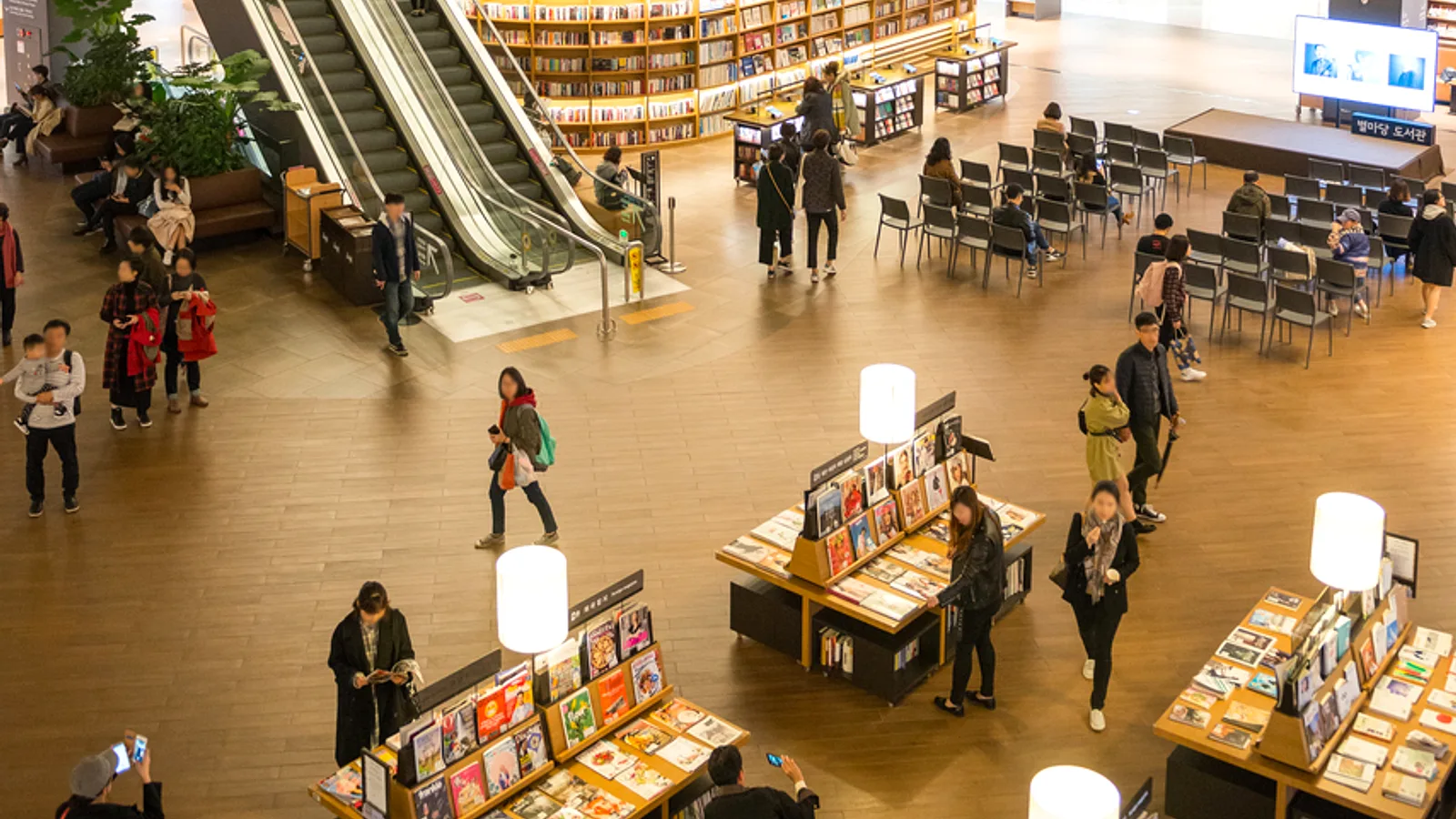
Starfield Library and COEX Mall: A Practical Guide to Seoul's Gangnam Landmark
How to visit Starfield Library inside COEX Mall in Samseong-dong, plus the aquarium, shops and nearby Bongeunsa Temple, with planning advice for first-time visitors.
Seoul
Seoul to Busan and Gyeongju by KTX: Booking, Stations and Luggage Tips
How to take the KTX from Seoul to Busan and to Gyeongju via Singyeongju, with advice on Korail reservations, SRT from Suseo, and storing luggage.
Seoul
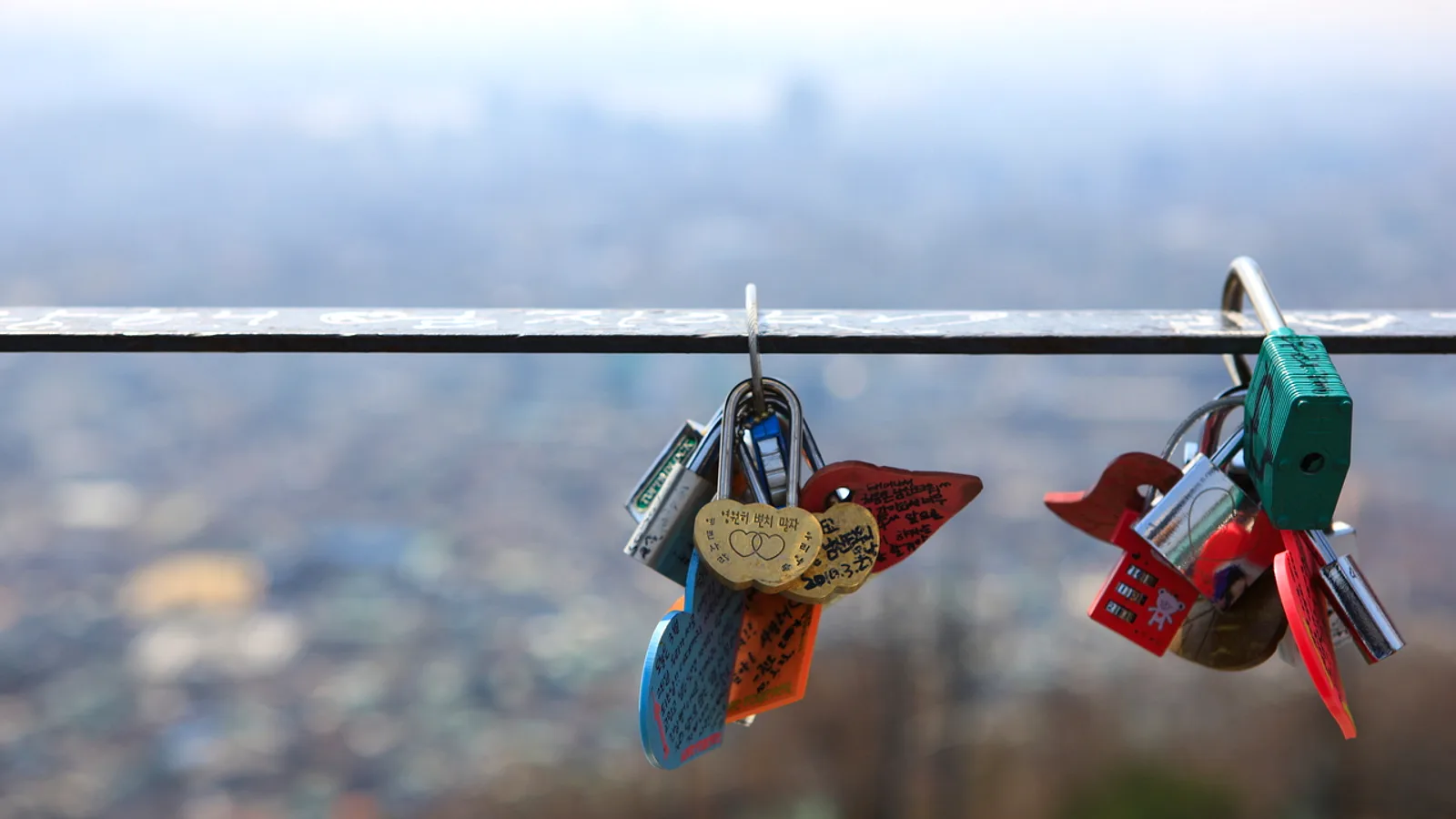
N Seoul Tower and Namsan: Walking Routes, Cable Car and Sunset Views
How to reach N Seoul Tower on foot from Myeongdong or Chungmuro, when the cable car makes sense, and how to plan a sunset visit to Namsan.
Connected Cultural Destinations
Handpicked nearby attractions and regional cultural highlights.

Gyeongbokgung Palace
경복궁Gyeongbokgung Palace, Seoul, South Korea
Gyeongbokgung Palace is the grandest royal palace of the Joseon Dynasty, established in 1395 in northern Seoul. Framed by Mount Baegaksan, its majestic grounds encompass Geunjeongjeon Throne Hall, ...
HalalMorning (around 09:30-10:00)
Details→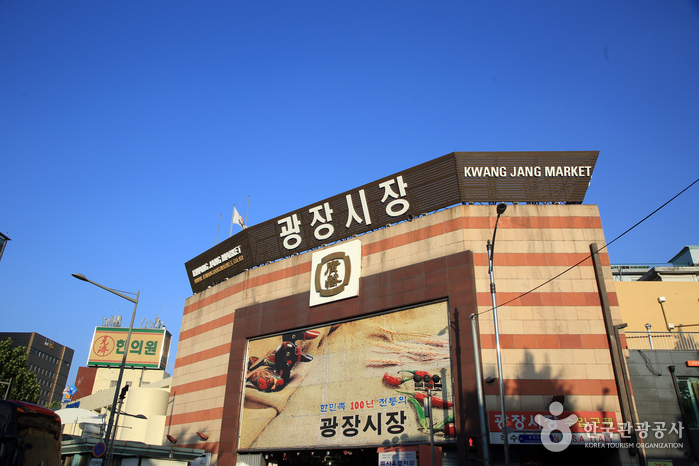
Gwangjang Market
광장시장Gwangjang Market, Seoul, South Korea
Gwangjang Market is South Korea’s oldest continuously operating permanent traditional market, founded in 1905 in the heart of Jongno. Renowned worldwide for its bustling food alleys, the market ser...
HalalMorning (around 09:30-10:00)
Details→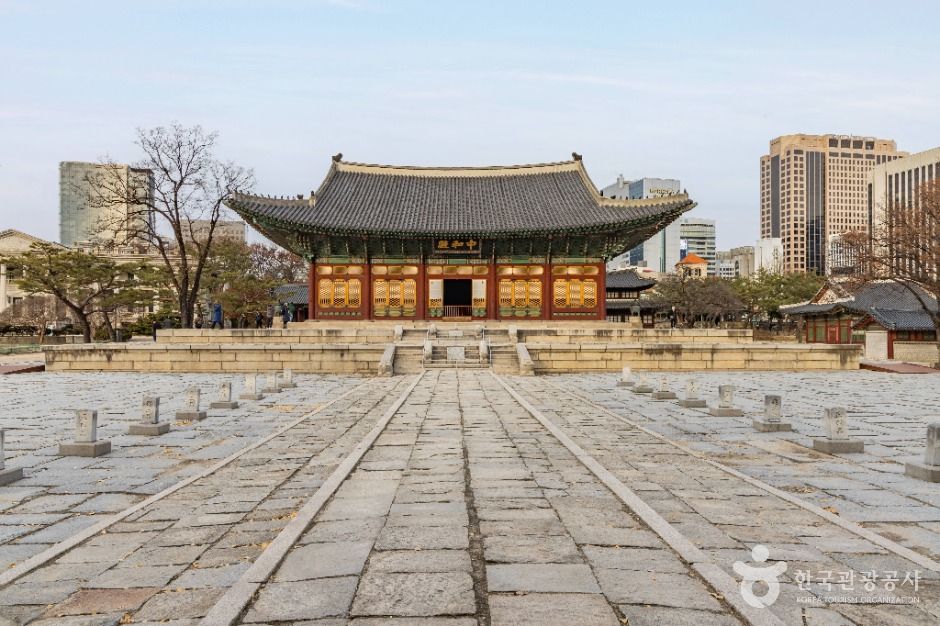
Deoksugung Palace
덕수궁99 Sejong-daero, Jung-gu, Seoul
Deoksugung Palace, located opposite Seoul City Hall, is a historically pivotal royal palace where traditional Joseon wooden halls stand shoulder-to-shoulder with neoclassical Western stone architec...
HalalMorning (around 09:30-10:00)
Details→
Dongdaemun Design Plaza (DDP)
동대문디자인플라자 (DDP)281 Eulji-ro, Jung-gu, Seoul
Dongdaemun Design Plaza (DDP), masterminded by world-renowned architect Zaha Hadid, is a groundbreaking neo-futuristic architectural marvel characterized by undulating curves and clad in 45,133 uni...
HalalMorning (around 09:30-10:00)
Details→