Seoul•Heritage•Royal Palace
Changdeokgung Palace & Secret Garden
창덕궁 및 후원
Powered by Korea Tourism OrganizationAddress: 99 Yulgok-ro, Jongno-gu, Seoul (서울특별시 종로구 율곡로 99 (와룡동))
Editorial review pending

Changdeokgung Palace & Secret Garden representative scenic panoramaZoom


+1More
1 / 6
Changdeokgung Palace & Secret Garden representative scenic panorama
Curator's Guide & Overview
Comprehensive Guide1. Historical Origins & Cultural Background
Changdeokgung Palace was established in 1405 by King Taejong as a secondary royal seat of the Joseon Dynasty. Unlike Gyeongbokgung's strictly geometric symmetry, Changdeokgung was masterfully laid out to harmonize naturally with the surrounding topography and foothills of Baegaksan. After Gyeongbokgung was destroyed during the 1592 Imjin War, Changdeokgung served as the principal seat of royal government for approximately 270 years and was inscribed as a UNESCO World Heritage Site in 1997.
2. Architectural Highlights & Key Structures
Prominent structures include Donhwamun Gate (Treasure), the oldest remaining palace gate in Seoul dating to 1412; Injeongjeon Hall (National Treasure), the monumental throne hall where coronation ceremonies were held; Seonjeongjeon Hall, notable for its rare blue-glazed ceramic roof tiles; and Daejojeon, the queen's residence. The northern quadrant houses Huwon (the Secret Garden), a premier masterpiece of Korean traditional landscape architecture featuring Buyongji pond, Juhamnu pavilion, Aeryeonji pavilion, and the sculpted rock channels of Ongnyucheon stream.
3. Four Seasons Landscape & Seasonal Visiting Charms
Spring adorns Nakseonjae compound with blooming apricot blossoms and weeping cherries around the garden pavilions. Summer brings dense, tranquil forest shade and fragrant lotus blossoms across the royal ponds. Autumn transforms the garden into an explosion of fiery red maple and golden ginkgo foliage reflecting upon mirror-like waters, while winter brings solemn serenity with pristine snow coating curved traditional eaves and ancient pine branches.
4. Operating Hours & Peak Viewing Times
Palace grounds open at 09:00 and close between 17:30 and 18:30 depending on seasonal daylight (closed Mondays). Huwon (Secret Garden) entry is strictly restricted to scheduled guided tours with limited capacities (50% online reservation + 50% on-site queue tickets). To secure uncrowded photo opportunities and a serene atmosphere, book the morning 10:00 tour or mid-afternoon 15:00 slot.
5. Admission Fees & Concessions (Youth/Foreigner Discounts)
General palace grounds admission is 3,000 KRW for adults; free for youth aged 24 and under, seniors aged 65 and above, and visitors wearing full traditional Hanbok dress (regardless of nationality). Huwon Secret Garden requires an additional 5,000 KRW fee and is excluded from the Hanbok free admission exemption. The Integrated Royal Palace Pass (10,000 KRW) provides economical access to Seoul's four main palaces and Jongmyo Shrine over three months.
6. Public Transit & Subway Exit Directions
Take Seoul Subway Line 3 to Anguk Station (Exit 3) and walk directly straight east for approximately 5 minutes (350 meters) to reach Donhwamun main gate. Alternatively, take Line 1, 3, or 5 to Jongno 3-ga Station (Exit 6) and walk north along Donhwamun-ro for 10 minutes.
7. Barrier-Free Accessibility & Visitor Amenities
The main palace compound features barrier-free wooden ramps and flattened stone walkways accommodating wheelchairs and strollers. Free wheelchair and stroller rentals are provided at the Donhwamun Information Center. Note that the Secret Garden comprises natural hills, dirt paths, and stone steps, which present moderate mobility challenges for manual wheelchair users. Accessible restrooms are situated near Donhwamun Gate and the palace cafe.
8. Recommended Walking Route & Highlights Tour
Enter Donhwamun Gate → Cross Geumcheongyo Stone Bridge → Marvel at Injeongjeon Throne Hall → Inspect blue-tiled Seonjeongjeon and Huijeongdang → Visit Nakseonjae residence → Proceed to Huwon Secret Garden entry → Buyongji Pond & Juhamnu Royal Library → Bullomun (Gate of Eternal Youth) & Aeryeonji Pond → Jondeokjeong Pavilion → Ongnyucheon Stream gorge (approx. 2.5 to 3 hours).
9. Local Food Specialties & Regional Flavors
Just across from Changdeokgung in the Wonseo-dong and Gyedong alleys, visitors can savor rich bone broth handmade noodles at 'Bukchon Kalguksu', royal rice cakes and medicinal confectionery at traditional hanok tearooms, or fresh buckwheat makguksu and seasonal banchan meals.
10. Dietary Options (Vegetarian, Halal & Allergen Guide)
Within a 10-minute walk toward Insa-dong and Bukchon, acclaimed temple food establishments such as 'Sanchon' offer multi-course vegan Buddhist temple cuisine. The Anguk and Jongno areas also host halal-certified Korean beef bulgogi restaurants and vegetarian bibimbap eateries with English menu labeling.
11. Signature Photo Spots & Golden Hour Lighting
Unrivaled photo angles include standing on Injeongjeon's raised stone terrace framing the ranking stones against the mountains, and capturing Juhamnu Pavilion's two-tiered wooden architecture reflected in Buyongji Lotus Pond. Around 16:00, the gentle golden-hour sunlight filters through the intricate paper lattice doors of Nakseonjae, creating stunning heritage portraits.
12. Visitor Etiquette & Cultural Property Regulations
Changdeokgung is a designated National Historic Site and UNESCO World Heritage property. Leaning on delicate wooden balustrades or stepping onto raised stone platforms is strictly forbidden. Smoking and outside food/beverages are strictly prohibited. In Huwon, visitors must remain with their designated tour guide along official paths to preserve forest ecology.
13. Safety Precautions & 1330 Tourism Hotline Support
Wear comfortable walking shoes, as the Secret Garden includes sloping woodland terrain and earthen paths. During rainy conditions, granite flagstones may become slippery. For emergencies, contact the Changdeokgung Palace Management Office (02-3668-2300). For 24/7 multilingual emergency assistance and language interpretation, dial the KTO 1330 Tourism Hotline.
14. Nearby Connected Attractions & Walking Links
Pass through Hamyangmun Gate to immediately enter adjacent Changgyeonggung Palace. Bukchon Hanok Village and the artisan alleys of Samcheong-dong lie 5 to 10 minutes west, while the hip cafes of Ikseon-dong Hanok Village and Insa-dong antique streets are a brief stroll south.
15. Frequently Asked Questions (FAQ)
- Q: How do I book the Secret Garden (Huwon) tour?
A: Online reservations open 6 days in advance at 10:00 AM KST via the Royal Palaces and Tombs Center website. Same-day on-site tickets are sold on a first-come, first-served basis at the Donhwamun ticket booth from 09:00 AM.
- Q: Does the tour operate during rainy weather?
A: Tours run normally in rain; visitors are advised to bring an umbrella and wear slip-resistant footwear.
16. Regional Extended Day Trip Itinerary
Morning: Changdeokgung main palace and Secret Garden guided walk → Lunch: Hand-cut noodles or royal hanjeongsik in Gyedong → Afternoon: Traditional craft making in Bukchon Hanok Village → Evening: Tea and dining in the vibrant hanok alleys of Ikseon-dong.
Essential Visitor Facts
Operating Hours
09:00 - 18:00 (Feb-May, Sep-Oct, Last entry 17:00; Seasonal hours apply; Secret Garden guided tours separate)
Admission / Price
Adults (25-64): 3,000 KRW; Free for under 24 & visitors in Hanbok; Secret Garden Tour: 5,000 KRW
Closed Days
Closed every Monday (If Monday is a public holiday, closed on Tuesday)
Best Time to Visit
Morning (around 09:30-10:00)
Transit & Access Directions
Seoul Metro Line 3, Anguk Station, Exit 3 (5 min walk, 350m east)
Accessibility & Special Amenities
Wheelchair rentals available at entrance; main palace grounds accessible; Secret Garden has unpaved forest inclines.
✓ Halal Options Nearby
Location Coordinates
Latitude: 37.5794
Longitude: 126.9910
Discover Themes & Highlights
Key interest areas and cultural highlights:
#changdeokgung-palace#VisitSeoul#KoreaTravelAtlas
Community Traveler Reviews0 Reviews
Visitor tips, feedback, and questions submitted by real travelers.
No community reviews submitted yet. Be the first traveler to share your experience!
Practical Guides: Seoul
Seoul
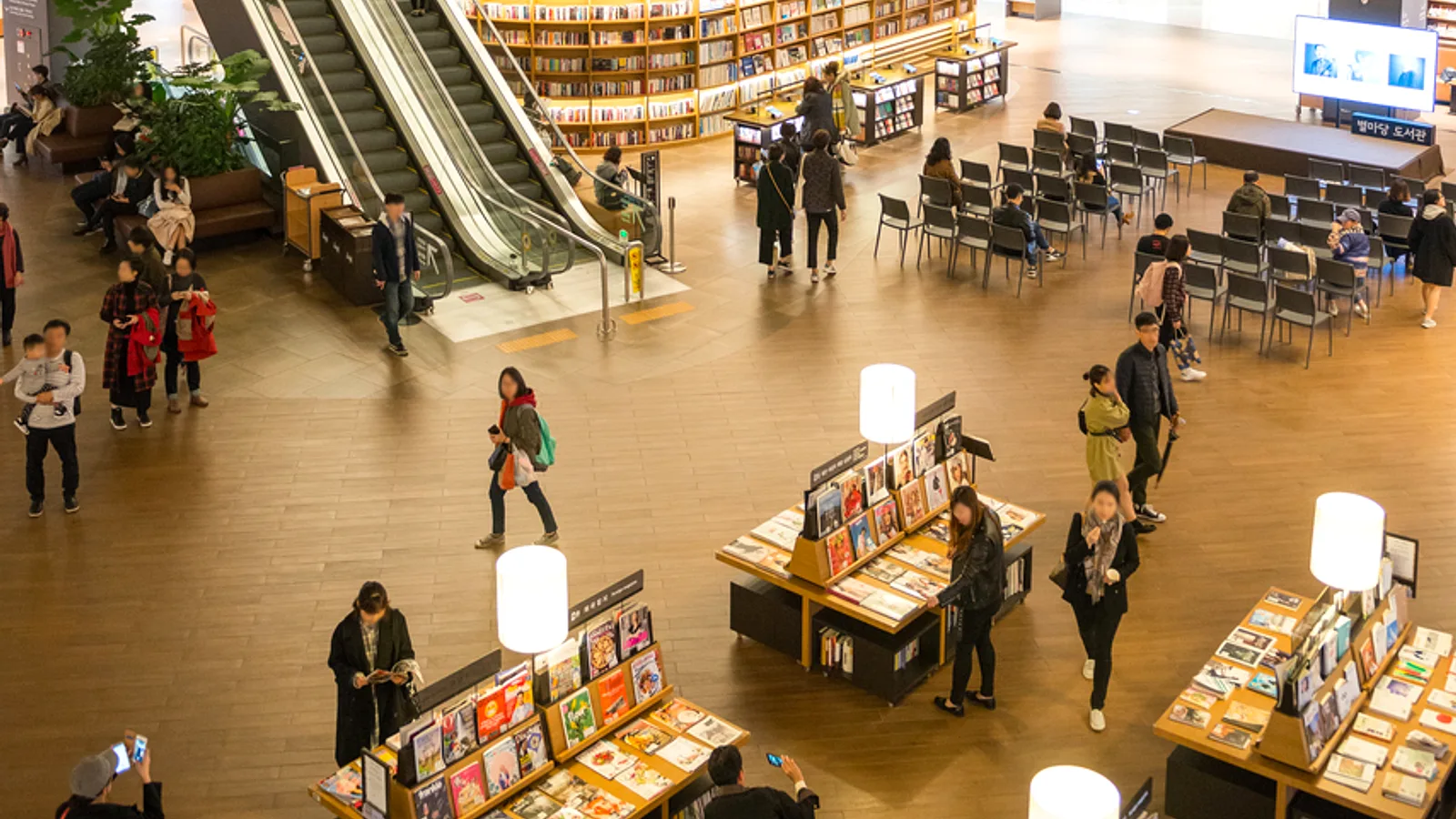
Starfield Library and COEX Mall: A Practical Guide to Seoul's Gangnam Landmark
How to visit Starfield Library inside COEX Mall in Samseong-dong, plus the aquarium, shops and nearby Bongeunsa Temple, with planning advice for first-time visitors.
Seoul
Seoul to Busan and Gyeongju by KTX: Booking, Stations and Luggage Tips
How to take the KTX from Seoul to Busan and to Gyeongju via Singyeongju, with advice on Korail reservations, SRT from Suseo, and storing luggage.
Seoul
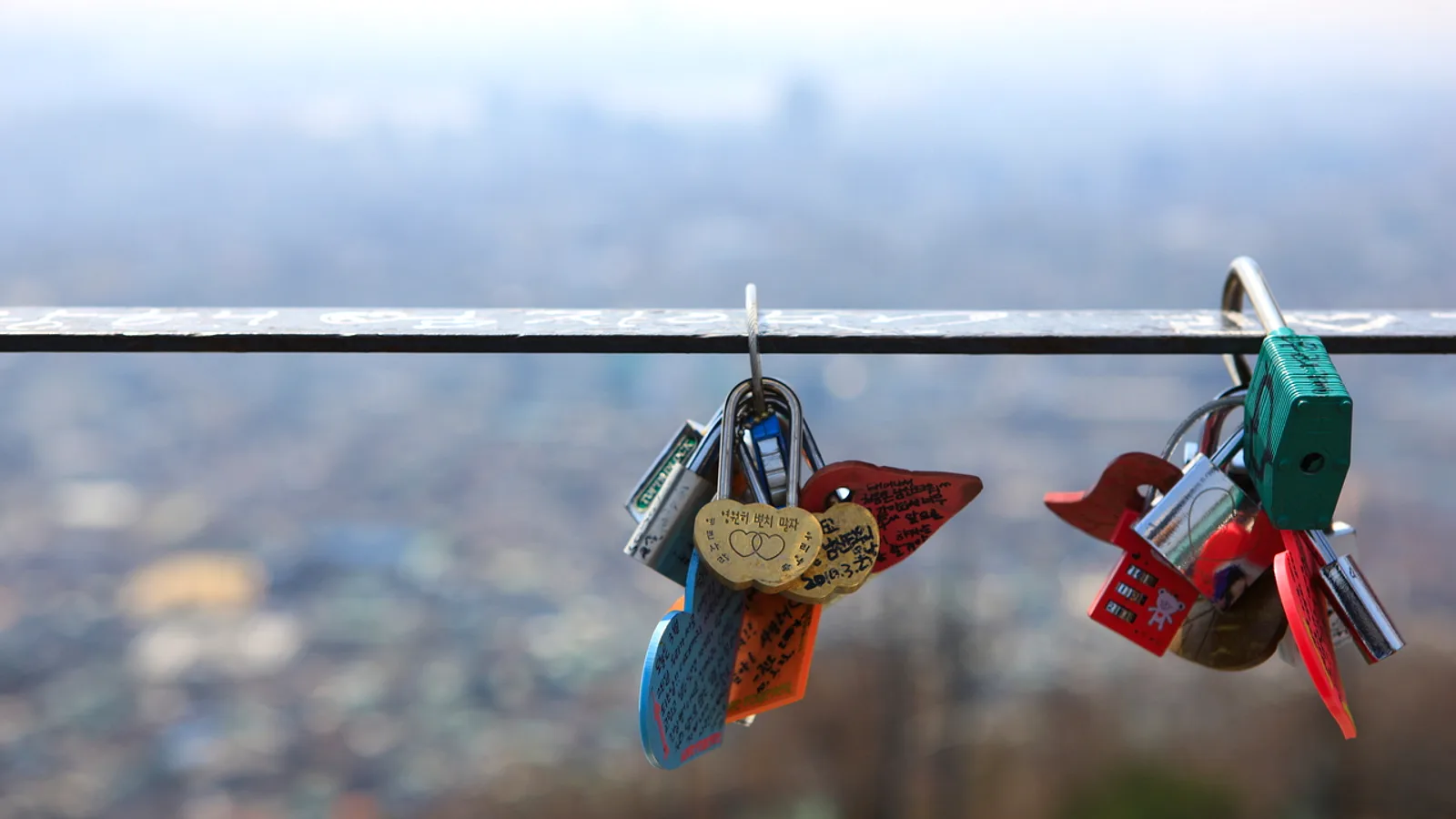
N Seoul Tower and Namsan: Walking Routes, Cable Car and Sunset Views
How to reach N Seoul Tower on foot from Myeongdong or Chungmuro, when the cable car makes sense, and how to plan a sunset visit to Namsan.
Connected Cultural Destinations
Handpicked nearby attractions and regional cultural highlights.

Gyeongbokgung Palace
경복궁Gyeongbokgung Palace, Seoul, South Korea
Gyeongbokgung Palace is the grandest royal palace of the Joseon Dynasty, established in 1395 in northern Seoul. Framed by Mount Baegaksan, its majestic grounds encompass Geunjeongjeon Throne Hall, ...
HalalMorning (around 09:30-10:00)
Details→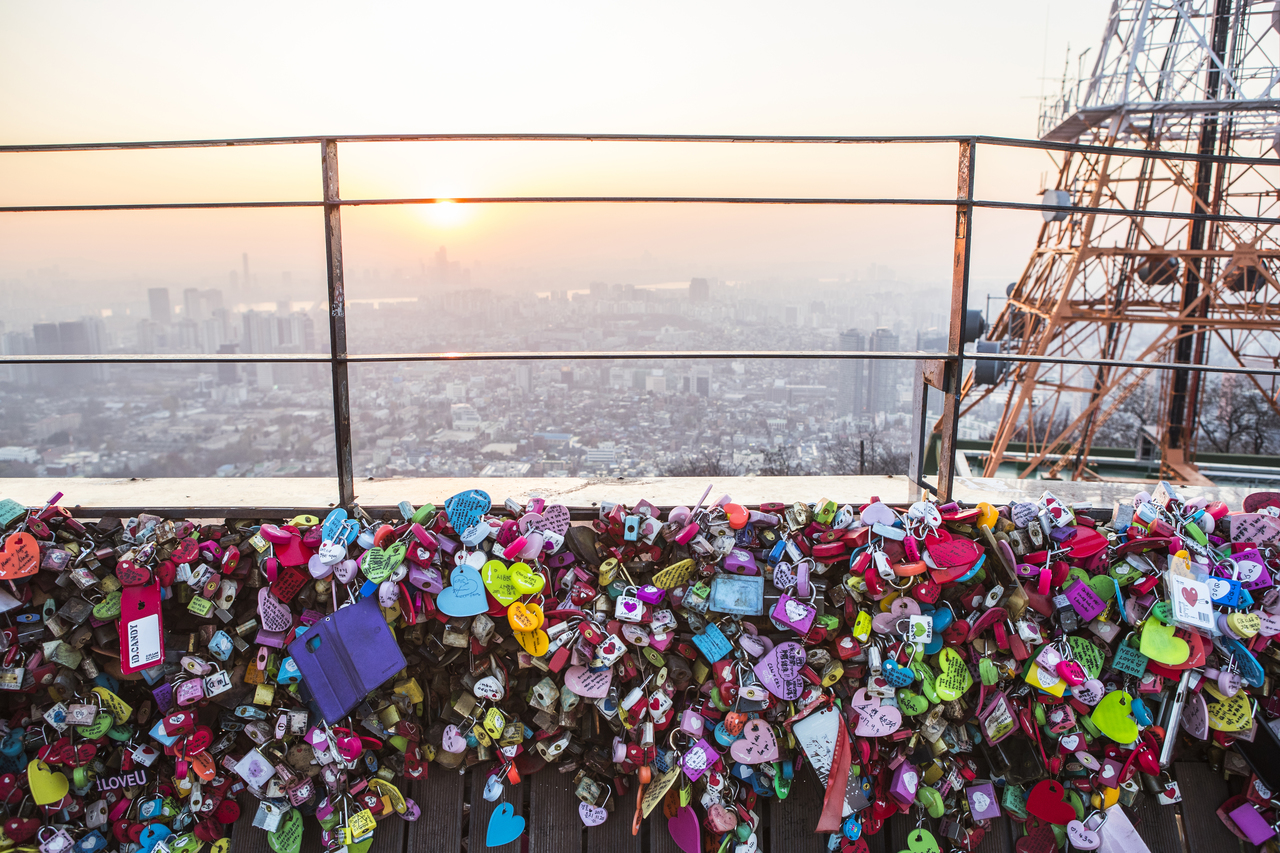
N Seoul Tower (Namsan)
N서울타워N Seoul Tower (Namsan), Seoul, South Korea
N Seoul Tower rises 479 meters above sea level atop Mount Namsan, serving as an iconic metropolitan transmission tower and observation landmark since 1980. The tower offers uninterrupted 360-degree...
HalalMorning (around 09:30-10:00)
Details→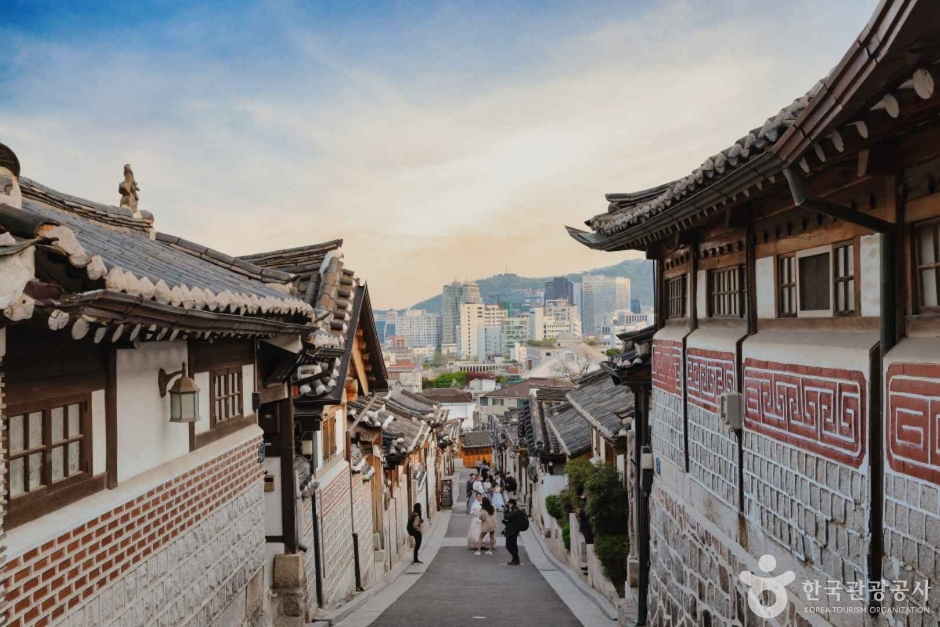
Bukchon Hanok Village
북촌한옥마을Bukchon Hanok Village, Seoul, South Korea
Bukchon Hanok Village is a preserved historic residential neighborhood nestled between Gyeongbokgung and Changdeokgung palaces. Preserving over 600 years of Seoul urban history, Bukchon features hu...
HalalMorning (around 09:30-10:00)
Details→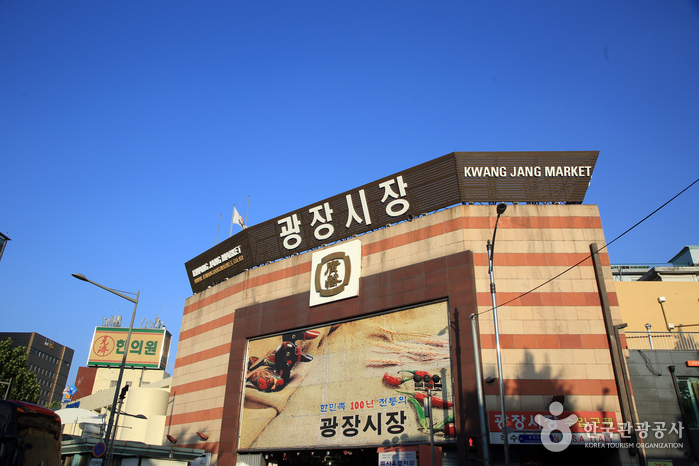
Gwangjang Market
광장시장Gwangjang Market, Seoul, South Korea
Gwangjang Market is South Korea’s oldest continuously operating permanent traditional market, founded in 1905 in the heart of Jongno. Renowned worldwide for its bustling food alleys, the market ser...
HalalMorning (around 09:30-10:00)
Details→