Sejong•Heritage•Buddhist Temple
Yeongpyeongsa Temple (Siberian Chrysanthemums)
영평사 (구절초)
Powered by Korea Tourism OrganizationAddress: Yeongpyeongsa Temple (Siberian Chrysanthemums), Sejong, South Korea (세종특별자치시 장군면 영평사길 124 (산학리))
Editorial review pending

Yeongpyeongsa Temple (Siberian Chrysanthemums) representative scenic panoramaZoom


+1More
1 / 6
Yeongpyeongsa Temple (Siberian Chrysanthemums) representative scenic panorama
Curator's Guide & Overview
Comprehensive Guide1. Historical Origins & Cultural Background
Perched serenely on the forested slopes of Mount Daedeok (Janggunsan) in western Sejong, Yeongpyeongsa Temple is a historic sanctuary of the Jogye Order of Korean Buddhism. While its roots trace back to ancient hermitage origins, the temple was lovingly revitalized over the past four decades by Ven. Hwawon. Today, it is revered as a peaceful mountain refuge dedicated to spiritual healing, traditional monastic culture, and ecological stewardship.
2. Architectural Highlights & Key Structures
The temple complex features traditional timber architecture centered around the majestic Daewoongbojeon (Main Dharma Hall), housing statues of the historic Shakyamuni Buddha. Surrounding halls include the Samseonggak (Three Shrines Pavilion), the Cheonbuljeon (Hall of One Thousand Buddhas), and the Seonwon meditation quarters. The temple's cultural fame stems from its hillside slopes, where over 100,000 square meters are planted with wild Siberian chrysanthemums (Gu-jeol-cho).
3. Four Seasons Landscape & Seasonal Visiting Charms
Spring brings mountain wildflowers, fresh green bamboo shoots, and tender tea buds to the forested slopes. Summer is lush and cool beneath dense pine groves with sweet wild lotus blossoms adorning temple reflection ponds. Autumn (October) is the crowning glory when millions of wild Siberian chrysanthemums bloom simultaneously, cloaking the entire mountainside in a breathtaking blanket of pure white and faint lilac blossoms. Winter wraps the stone lanterns and curved roofs in serene, silent snowfalls.
4. Operating Hours & Peak Viewing Times
The temple grounds welcome pilgrims and travelers daily from 05:00 before sunrise morning chants until 19:00 evening twilight. The famous annual Gu-jeol-cho Siberian Chrysanthemum Festival takes place over two weeks in early to mid-October. Visiting in mid-morning (09:30-12:00) during the festival allows visitors to experience traditional monastic tea ceremonies and sample complimentary Buddhist chrysanthemum noodles served to all guests.
5. Admission Fees & Concessions (Youth/Foreigner Discounts)
Admission to Yeongpyeongsa Temple and its surrounding wild chrysanthemum hillsides is completely free of charge. Generous temple parking lots situated at the base of the mountain provide free parking. During the autumn festival, volunteer monastics provide free cups of medicinal Gu-jeol-cho herbal tea and hot vegetarian temple noodles.
6. Public Transit & Subway Exit Directions
From Sejong Intercity Express Bus Terminal, board local bus Route 52 or 53 directly to the Yeongpyeongsa bus stop in approximately 25 minutes. If traveling from the Sejong Government Complex or KTX Osong Station, a taxi ride takes approximately 15 to 20 minutes (approx. 14,000 to 18,000 KRW). Well-paved country roads offer smooth access for personal vehicles.
7. Barrier-Free Accessibility & Visitor Amenities
The lower temple courtyard and main pathways leading to the Daewoongbojeon hall are paved with level granite and compacted earth suitable for strollers and assisted wheelchairs. The upper mountainside trails winding through the chrysanthemum meadows have unpaved dirt footpaths and natural stone steps where mobility assistance is recommended. Accessible restrooms are located near the Temple Stay Welcome Center.
8. Recommended Walking Route & Highlights Tour
Recommended 2-Hour Monastic Nature Walk: Arrive at Iljumun (One Pillar Gate) → stroll up the pine-lined entry path → admire the architecture of Daewoongbojeon Hall → follow the winding wooden steps up the Daedeok hillside into the vast Siberian Chrysanthemum fields → pause at the hilltop meditation pavilion for panoramic mountain views → visit the Traditional Tea House to taste Gu-jeol-cho herbal tea → observe ancient stone pagodas.
9. Local Food Specialties & Regional Flavors
Yeongpyeongsa is famous for authentic Buddhist Temple Cuisine (Sachal Eumsik). During the autumn festival, visitors are treated to complimentary Buddhist flower noodles (Gu-jeol-cho Kalguksu). In nearby Janggun-myeon village, travelers can dine on rustic pumpkin duck stew (danhobak ori-gui), nutritious stone-pot rice with wild mountain roots (dolsot bap), and organic hand-pressed tofu hot pots.
10. Dietary Options (Vegetarian, Halal & Allergen Guide)
As a Buddhist sanctuary, all food prepared and served at the temple is strictly vegetarian (Chaesik) and prepared without the five pungent roots (onions, garlic, chives, leeks, scallions). Visitors can enjoy wild herbal side dishes, braised lotus root, steamed acorn jelly, and chrysanthemum tea cookies.
11. Signature Photo Spots & Golden Hour Lighting
Unforgettable photo spots: standing on the upper mountain trail surrounded by 100,000 square meters of white chrysanthemum blossoms framing the traditional curved eaves of Daewoongbojeon below, posing beneath the warm paper lotus lanterns hung along the temple walkways, and capturing the reflection of the stone pagoda in the tranquil lotus pond at sunset.
12. Visitor Etiquette & Cultural Property Regulations
Maintain respectful silence and decorum within the sacred temple grounds. Speaking loudly, smoking, alcohol consumption, and pets inside prayer halls are strictly prohibited. Walk respectfully around the perimeter of flower beds without stepping on delicate wild roots. Photography inside worship halls during active monastic chanting requires permission.
13. Safety Precautions & 1330 Tourism Hotline Support
The Temple Stay office is staffed daily with hospitable monastics who speak English and assist foreign travelers. First aid kits and emergency transport are coordinated on-site. For inquiries about Temple Stay bookings or guided tours, call 044-867-1840 or dial the 1330 Korea Travel Hotline.
14. Nearby Connected Attractions & Walking Links
Yeongpyeongsa sits just 15 minutes north of the historic Gongju city boundary, making it effortless to combine with UNESCO World Heritage sites including Gongsanseong Fortress and King Muryeong's Royal Tomb in Gongju.
15. Frequently Asked Questions (FAQ)
Q: What is Gu-jeol-cho and why is it special? A: Gu-jeol-cho (Siberian chrysanthemum) is a revered wild Korean herb that blooms around the 9th day of the 9th lunar month. In traditional Korean medicine, its fragrant white flowers are dried and steeped into an aromatic tea believed to warm the body and soothe inflammation.
16. Regional Extended Day Trip Itinerary
Sejong & Gongju Monastic Heritage Route: Morning walk through the white chrysanthemum hills of Yeongpyeongsa Temple with herbal tea tasting → rustic temple lunch in Janggun-myeon → afternoon tour of Gongju Gongsanseong Fortress (UNESCO) → evening stroll across Sejong Ieung Bridge.
Essential Visitor Facts
Operating Hours
Open 365 Days 05:00 - 19:00; Temple Grounds Free Entry
Admission / Price
Free Admission (Free Parking)
Closed Days
Closed on Mondays/Tuesdays
Best Time to Visit
Morning (around 09:30-10:00)
Transit & Access Directions
From Sejong Express Bus Terminal take Local Bus 52 or 53 to Yeongpyeongsa Temple stop (approx. 25 mins) or 15 mins taxi from Government Complex Sejong
Accessibility & Special Amenities
Wheelchair ramps, tactile paving, accessible restrooms
Location Coordinates
Latitude: 36.4682
Longitude: 127.2345
Discover Themes & Highlights
Key interest areas and cultural highlights:
#yeongpyeongsa-temple#VisitSejong#KoreaTravelAtlas
Community Traveler Reviews0 Reviews
Visitor tips, feedback, and questions submitted by real travelers.
No community reviews submitted yet. Be the first traveler to share your experience!
Connected Cultural Destinations
Handpicked nearby attractions and regional cultural highlights.

Sejong National Arboretum
국립세종수목원Sejong National Arboretum, Sejong, South Korea
Sejong National Arboretum is South Korea’s first urban-style national arboretum, spanning 65 hectares with a massive lotus-flower-shaped Four Seasons Glass Greenhouse, traditional palace gardens, a...
Morning (around 09:30-10:00)
Details→
Sejong Lake Park
세종호수공원Sejong Lake Park, Sejong, South Korea
Sejong Lake Park is South Korea’s largest urban artificial lake park, encompassing 610,000 square meters with five themed artificial islands, sandy urban beaches, and water stage pavilions.
Morning (around 09:30-10:00)
Details→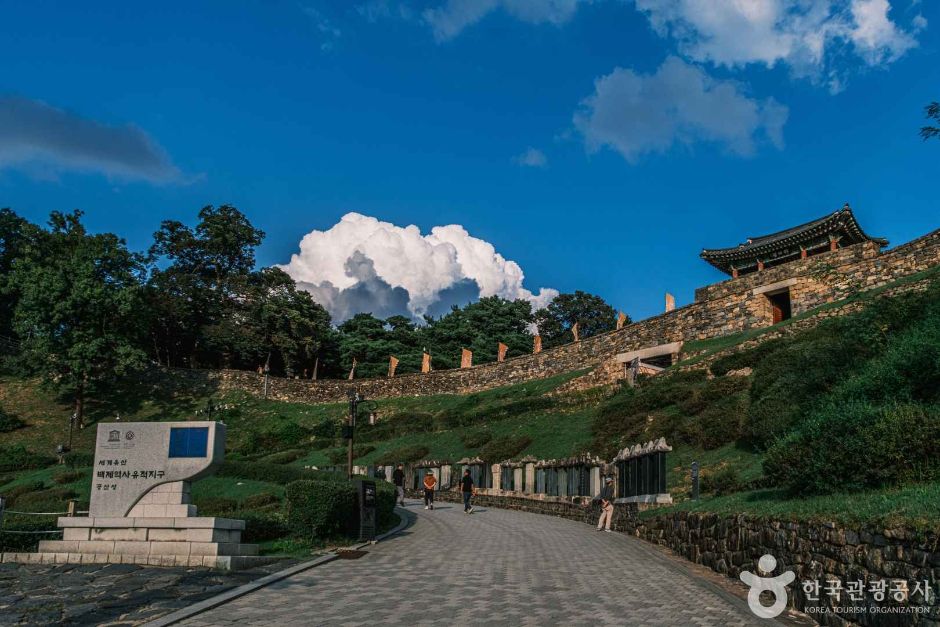
Gongju Gongsanseong Fortress (UNESCO)
공주 공산성Gongju Gongsanseong Fortress (UNESCO), Gongju, Chungnam, South Korea
Gongju Gongsanseong Fortress is a UNESCO World Heritage mountain rampart overlooking the Geumgang River, serving as the royal capital fortress of the ancient Baekje Kingdom (475–538 AD) during the ...
Morning (around 09:30-10:00)
Details→
Gongju Magoksa Temple (UNESCO)
공주 마곡사Gongju Magoksa Temple (UNESCO), Gongju, Chungnam, South Korea
Gongju Magoksa Temple, an acclaimed UNESCO World Heritage Mountain Monastery (Sansa), is renowned for its thousand-year-old wooden Daeungbojeon, the Taegeuk-shaped stream flowing through its courty...
Morning (around 09:30-10:00)
Details→