Sejong•Nature•Garden & Forest
Bear Tree Park Arboretum
베어트리파크
Powered by Korea Tourism OrganizationAddress: Bear Tree Park Arboretum, Sejong, South Korea (세종특별자치시 전동면 신송로 217 (송성리))
Editorial review pending

Bear Tree Park Arboretum representative scenic panoramaZoom


+1More
1 / 6
Bear Tree Park Arboretum representative scenic panorama
Curator's Guide & Overview
Comprehensive Guide1. Historical Origins & Cultural Background
Founded through the lifelong dedication of Chairman Lee Jae-yeon, Bear Tree Park originated as a private country arboretum in 1963 and opened its doors to the public in 2009. Encompassing over 330,000 square meters on the forested hills of Jeondong-myeon in northern Sejong, the park was cultivated for over five decades, organically growing from a modest personal collection of saplings and animals into one of South Korea's most unique private botanical and zoological sanctuaries.
2. Architectural Highlights & Key Structures
The park seamlessly combines botanical grandeur with wildlife conservation. It houses over 100 Asiatic black bears (moon bears) and European brown bears, residing in spacious naturalistic enclosures. The botanical collection is world-class, featuring the Juniperus Chinensis Garden showcasing century-old sculpted junipers, the Bonsai Garden holding trees over 500 years old, petrified wood fossil forests, and the exquisite hidden conservatory known as Mangyeong Biwon.
3. Four Seasons Landscape & Seasonal Visiting Charms
Spring brings pink carpets of royal azaleas and blooming Siberian iris trails throughout May during the annual Spring Flower Festival. Summer cools visitors beneath lush shaded pine forests and splashing cascades in the Five Colored Carp Pond. Autumn drapes the hillside paths in breathtaking scarlet maples and ginkgo leaves, while winter offers warm respite inside the tropical glass greenhouse filled with exotic bromeliads and camellias.
4. Operating Hours & Peak Viewing Times
The park is open 365 days a year without closing days. Operating hours from March through November are 09:00 to 18:30 (last admission at 17:30). In winter (December through February), hours are 10:00 to 17:30 (last admission at 16:30). Visiting between 10:30 and 14:00 allows you to experience the highly engaging bear feeding sessions and enjoy an open-air lunch at the Welcome Restaurant.
5. Admission Fees & Concessions (Youth/Foreigner Discounts)
Admission is 12,000 KRW for adults (19+), 10,000 KRW for teenagers (middle/high school), and 8,000 KRW for children (36 months to elementary school). Seniors over 65 receive a discounted rate of 10,000 KRW. Bear food cups (apple slices and dried biscuits) are available for purchase at automated vending kiosks near the bear enclosure for 1,000 to 2,000 KRW. International credit cards are accepted at all ticket counters.
7. Barrier-Free Accessibility & Visitor Amenities
Paved main walking paths allow accessible stroller and wheelchair navigation throughout the lower and central garden zones, including the Five-Colored Carp Pond, the main Bear Enclosure, and the Tropical Greenhouse. Wheelchairs and strollers can be borrowed free of charge at the Welcome Center. Some upper woodland hiking trails have gentle inclines where motorized wheelchair assistance is beneficial.
8. Recommended Walking Route & Highlights Tour
Recommended 2.5-Hour Highlights Tour: Welcome Center entry → feed giant colored koi fish at the Ogasaek Pond → visit the Bear Sculpture Lawn → greet and feed Asiatic black bears and playful brown bears at the Bear Enclosures → explore the Bonsai Garden and century-old juniper avenue → step into the Tropical Greenhouse and Petrified Wood Pavilion → tour the exclusive Mangyeong Biwon garden → finish with ice cream at the Teddy Bear Gift Shop.
9. Local Food Specialties & Regional Flavors
Inside the park, the Welcome Restaurant on the second floor serves delightful meals: try Korean-style pork cutlet made with regional pork, homemade beef bulgogi rice bowls, and comforting seafood udon. In nearby Jeondong-myeon town, visitors can enjoy rustic country meals such as stone-ground Kongguksu (cold soy milk noodle soup) and clay-pot boiled chicken (Baeksuk).
10. Dietary Options (Vegetarian, Halal & Allergen Guide)
Vegetarian options at the park restaurant include vegetable bibimbap, meatless mushroom fried rice, and fresh garden salads. Outside the park, traditional countryside dining rooms in Jochiwon offer hearty vegetarian wild mountain herb set meals (sanchae jeongsik) and handmade tofu stews.
11. Signature Photo Spots & Golden Hour Lighting
Premier photo spots: standing on the observation platform while friendly moon bears stand on hind legs waving for apple treats, posing along the meticulously manicured Juniperus Chinensis walkway framed by antique stone lanterns, and capturing the vibrant reflection of 1,000 colorful koi fish swimming in the jade waters of Ogasaek Pond.
12. Visitor Etiquette & Cultural Property Regulations
Outside pet food is strictly prohibited; only park-approved apple slices and biscuits purchased from official kiosks may be fed to the bears to protect their digestive health. Smoking, outside alcoholic beverages, and drones are strictly prohibited. Touching or climbing enclosure safety barriers will result in immediate park escort.
13. Safety Precautions & 1330 Tourism Hotline Support
The Welcome Center houses a first aid station, lost and found, and nursing room. Professional zookeepers and safety staff are stationed throughout the animal areas. For urgent inquiries or translation help, dial park customer support at 044-866-7766 or the 1330 Korea Travel Hotline.
14. Nearby Connected Attractions & Walking Links
A 15-minute drive south brings travelers to the Jochiwon Traditional Market, famous for sweet peach wine and heritage fried chicken, while the modern Government Complex Sejong and Sejong Lake Park are located 25 minutes south.
15. Frequently Asked Questions (FAQ)
Q: Can children safely feed the bears? A: Yes, the feeding area features elevated viewing platforms equipped with fun feeding pipes; children drop apple chunks or biscuits down the chute directly into the enclosure where the bears catch them, ensuring 100% safety with zero physical contact.
16. Regional Extended Day Trip Itinerary
Sejong Heritage Nature & Traditional Day Route: Morning tour and bear feeding at Bear Tree Park → lunch of Jochiwon crispy fried chicken at Jochiwon Traditional Market → afternoon visit to Sejong National Arboretum → sunset viewing at Sejong Lake Park.
Essential Visitor Facts
Operating Hours
Mar - Nov 09:00 - 18:30 (Last admission 17:30); Dec - Feb 10:00 - 17:30 (Last admission 16:30); Open 365 Days
Admission / Price
Adults 12,000 KRW, Youth 10,000 KRW, Children (36 mo - Elementary) 8,000 KRW
Closed Days
Open 365 Days
Best Time to Visit
Morning (around 09:30-10:00)
Transit & Access Directions
From Jochiwon Station take City Bus 801 to Jeondong-myeon Bear Tree Park stop (approx. 20 mins) or 15 mins taxi from Osong KTX Station
Accessibility & Special Amenities
Wheelchair ramps, tactile paving, accessible restrooms
Location Coordinates
Latitude: 36.6342
Longitude: 127.2725
Discover Themes & Highlights
Key interest areas and cultural highlights:
#bear-tree-park#VisitSejong#KoreaTravelAtlas
Community Traveler Reviews0 Reviews
Visitor tips, feedback, and questions submitted by real travelers.
No community reviews submitted yet. Be the first traveler to share your experience!
Connected Cultural Destinations
Handpicked nearby attractions and regional cultural highlights.

Sejong National Arboretum
국립세종수목원Sejong National Arboretum, Sejong, South Korea
Sejong National Arboretum is South Korea’s first urban-style national arboretum, spanning 65 hectares with a massive lotus-flower-shaped Four Seasons Glass Greenhouse, traditional palace gardens, a...
Morning (around 09:30-10:00)
Details→
Yeongpyeongsa Temple (Siberian Chrysanthemums)
영평사 (구절초)Yeongpyeongsa Temple (Siberian Chrysanthemums), Sejong, South Korea
Yeongpyeongsa Temple is a peaceful millennium-rooted Buddhist sanctuary nestled on Mount Daedeok, internationally celebrated for its autumn Siberian Chrysanthemum (Gu-jeol-cho) Festival cloaking th...
Morning (around 09:30-10:00)
Details→
Cheongnamdae Presidential Villa
청남대Cheongnamdae Presidential Villa, Cheongju, Chungbuk, South Korea
Cheongnamdae is South Korea’s storied former presidential lakeside retreat, dubbed the "Blue House of the South," set across 1.8 square kilometers of pristine Daecheongho Lake shoreline, featuring ...
Morning (around 09:30-10:00)
Details→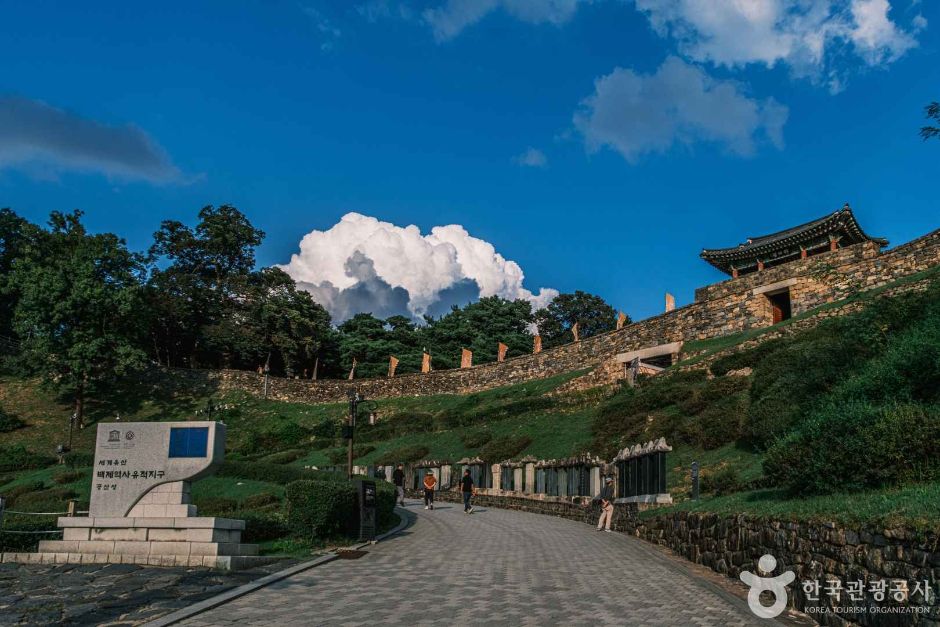
Gongju Gongsanseong Fortress (UNESCO)
공주 공산성Gongju Gongsanseong Fortress (UNESCO), Gongju, Chungnam, South Korea
Gongju Gongsanseong Fortress is a UNESCO World Heritage mountain rampart overlooking the Geumgang River, serving as the royal capital fortress of the ancient Baekje Kingdom (475–538 AD) during the ...
Morning (around 09:30-10:00)
Details→