Sejong•Market•Traditional Market
Jochiwon Traditional Market
조치원 전통시장
Powered by Korea Tourism OrganizationAddress: Jochiwon Traditional Market, Sejong, South Korea (세종특별자치시 조치원읍 조치원시장길 42 (원리))
Editorial review pending

Jochiwon Traditional Market representative scenic panoramaZoom


+1More
1 / 6
Jochiwon Traditional Market representative scenic panorama
Curator's Guide & Overview
Comprehensive Guide1. Historical Origins & Cultural Background
Dating back to 1770 during the reign of King Yeongjo of the Joseon Dynasty, Jochiwon Traditional Market boasts over 250 years of continuous commercial history. Strategically located along the historic Gyeongbu railway corridor and the fertile Chochon river valley, the market grew into a vital central transportation and agricultural interchange connecting Seoul with the southern provinces. Today, over 300 vendor stalls operate daily under a modern rain-sheltered glass arcade.
2. Architectural Highlights & Key Structures
The market is organized into colorful specialized trade quarters, including the Historic Fried Chicken Alley, Sundae Soup Lane, Fresh Produce Rows, and Traditional Grain & Sesame Oil Mill corridors. On days ending in 4 and 9 (the 4th, 9th, 14th, 19th, 24th, and 29th of every month), the legendary Jochiwon 5-Day Folk Market spills across adjacent streets, attracting hundreds of rural farmers selling freshly gathered wild herbs and seasonal fruits.
3. Four Seasons Landscape & Seasonal Visiting Charms
Spring fills the stalls with fresh green wild garlic, mugwort, and fragrant wild mountain shoots. Summer bursts with the arrival of the prized Jochiwon Sweet Peaches—renowned across Korea for their fragrant white flesh and exceptional sugar content—celebrated during the annual August Peach Festival. Autumn brings freshly harvested jujubes, chestnuts, and sweet persimmons, while winter draws crowds around steaming hotteok griddles and boiling bone-broth cauldrons.
4. Operating Hours & Peak Viewing Times
The permanent market shops operate daily from 08:00 to 20:00 (with restaurants open until 22:00). For the ultimate authentic experience, visit on designated 5-Day Market dates (ending in 4 or 9) between 10:30 and 15:00, when bustling vendors fry scallion chicken to order and produce traders showcase freshly harvested local goods.
5. Admission Fees & Concessions (Youth/Foreigner Discounts)
Entry to the market arcade is free. Street food snacks range from 1,500 KRW for seed hotteok to 5,000 KRW for handmade dumplings. A giant family-sized bucket of original Padak (fried chicken with shredded scallions) costs approximately 20,000 to 22,000 KRW. Almost all merchants accept international credit cards, Onnuri gift vouchers, and mobile payments.
6. Public Transit & Subway Exit Directions
The market enjoys supreme transit convenience. From Seoul, Daejeon, or Cheonan, take the Korail Gyeongbu Line train (ITX-Saemaeul or Mugunghwa) to Jochiwon Station. Walk out through Exit 1, cross the open train plaza, and enter the main market archway in just 3 minutes. Municipal multi-level parking structures adjacent to the market offer 1 hour of free parking.
7. Barrier-Free Accessibility & Visitor Amenities
Extensive modernization has equipped the entire market arcade with flat slip-resistant pavement, wide 4-meter pedestrian alleys, and covered weatherproof vaulted roofing. Step-free access extends through all main corridors. The Market Customer Service Support Center provides accessible restrooms, automated luggage lockers, and nursing rooms.
8. Recommended Walking Route & Highlights Tour
Recommended 90-Minute Market Discovery Route: Enter through Gate 1 → breathe in the nutty aroma of cold-pressed sesame oil at the Heritage Mill Lane → visit the legendary Wangcheon Padak chicken stall to watch huge iron cauldrons fry chicken → sample handmade seed hotteok and hand-pulled fishcakes → explore the seasonal fruit pavilion for fresh Jochiwon peaches → sit down for a hearty bowl of sundae soup in the dining alley.
10. Dietary Options (Vegetarian, Halal & Allergen Guide)
Vegetarian travelers can savor rustic plant-based market snacks: sweet pan-fried seed hotteok filled with melted brown sugar and pumpkin seeds, crispy mung bean pancakes (bindaetteok), steamed red-bean buns (jjinppang), and rustic hand-torn potato dumpling noodles (ongsimi kalguksu). Fresh seasonal peach cups and iced persimmon drinks are available throughout summer and autumn.
11. Signature Photo Spots & Golden Hour Lighting
Top photo spots: the giant retro neon market entrance archway framed against bustling street vendors, the theatrical sizzle of whole chickens bubbling in roaring cauldrons at Wangcheon Padak, and colorful fruit stalls overflowing with pink Jochiwon sweet peaches during harvest season.
12. Visitor Etiquette & Cultural Property Regulations
Be mindful of delivery motorbikes and handcarts navigating the aisles during peak morning trading. Cash or card payments are equally welcomed. Photography of vendor stalls is generally encouraged, but always ask politely before photographing elderly merchants up close. Dispose of wooden skewers in designated trash bins.
13. Safety Precautions & 1330 Tourism Hotline Support
The Jochiwon Market Customer Service Center is staffed daily with local managers and emergency first-aid supplies. Police boxes and fire safety stations are situated at both market boundaries. In case of lost items or language support, dial the Sejong Tourism Assistance at 044-300-5833 or the 1330 Korea Travel Hotline.
14. Nearby Connected Attractions & Walking Links
Just 10 minutes south by taxi is the serene Gobok Nature Reservoir Park, while Bear Tree Park with its 100 black bears sits 15 minutes north, making Jochiwon Market the culinary hub of any northern Sejong excursion.
15. Frequently Asked Questions (FAQ)
Q: What makes Jochiwon Padak different from regular Korean fried chicken? A: Jochiwon Padak is fried in enormous traditional cast-iron pots and served with a mountain of fresh raw green onions; the intense residual heat of the chicken gently cooks the onions, eliminating bitterness and leaving a clean, savory crunch without greasy aftertaste.
16. Regional Extended Day Trip Itinerary
Northern Sejong Heritage & Flavors Tour: Morning visit to Bear Tree Park and bonsai arboretum → lunch at Jochiwon Traditional Market featuring original Wangcheon Padak → afternoon walk along Gobok Reservoir wooden eco-trail → sunset coffee overlooking the water.
Essential Visitor Facts
Operating Hours
Market daily 08:00 - 20:00; 5-Day Folk Market opens every 4th, 9th, 14th, 19th, 24th, 29th of the month
Admission / Price
Free Market Entry
Closed Days
Open 365 Days
Best Time to Visit
Morning (around 09:30-10:00)
Transit & Access Directions
Walk 3 minutes from Jochiwon Station (Korail Gyeongbu Line) Exit 1 across the station plaza
Accessibility & Special Amenities
Wheelchair ramps, tactile paving, accessible restrooms
✓ Halal Options Nearby
Location Coordinates
Latitude: 36.6012
Longitude: 127.3012
Discover Themes & Highlights
Key interest areas and cultural highlights:
#jochiwon-traditional-market#VisitSejong#KoreaTravelAtlas
Community Traveler Reviews0 Reviews
Visitor tips, feedback, and questions submitted by real travelers.
No community reviews submitted yet. Be the first traveler to share your experience!
Connected Cultural Destinations
Handpicked nearby attractions and regional cultural highlights.

Bear Tree Park Arboretum
베어트리파크Bear Tree Park Arboretum, Sejong, South Korea
Bear Tree Park is a stunning 330,000-square-meter private botanical and zoological arboretum founded over 50 years of care, home to over 100 Asiatic black bears, ancient juniper bonsai, and lush ir...
Morning (around 09:30-10:00)
Details→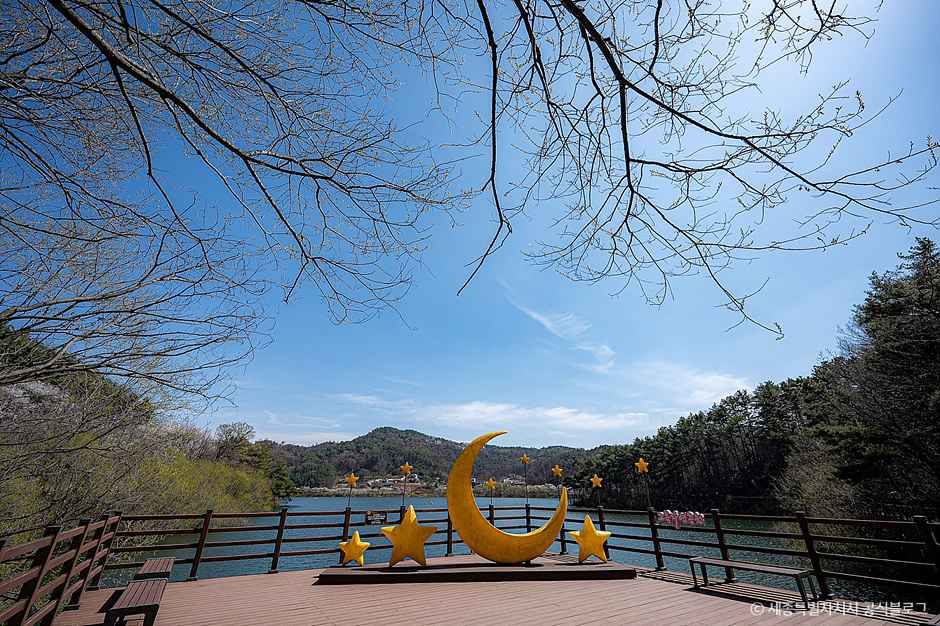
Gobok Nature Reservoir Park
고복자연공원Gobok Nature Reservoir Park, Sejong, South Korea
Gobok Nature Reservoir Park is an ecological reservoir sanctuary spanning 1.95 square kilometers in Sejong, celebrated for its scenic 3.5-kilometer waterside timber deck, cherry blossom tunnels, an...
Morning (around 09:30-10:00)
Details→
Yeongpyeongsa Temple (Siberian Chrysanthemums)
영평사 (구절초)Yeongpyeongsa Temple (Siberian Chrysanthemums), Sejong, South Korea
Yeongpyeongsa Temple is a peaceful millennium-rooted Buddhist sanctuary nestled on Mount Daedeok, internationally celebrated for its autumn Siberian Chrysanthemum (Gu-jeol-cho) Festival cloaking th...
Morning (around 09:30-10:00)
Details→
Cheongnamdae Presidential Villa
청남대Cheongnamdae Presidential Villa, Cheongju, Chungbuk, South Korea
Cheongnamdae is South Korea’s storied former presidential lakeside retreat, dubbed the "Blue House of the South," set across 1.8 square kilometers of pristine Daecheongho Lake shoreline, featuring ...
Morning (around 09:30-10:00)
Details→