Gyeongnam•Yangsan•Heritage•Buddhist Temple
Yangsan Tongdosa Temple (UNESCO)
양산 통도사
Powered by Korea Tourism OrganizationAddress: Yangsan Tongdosa Temple (UNESCO), Yangsan, Gyeongnam, South Korea (경상남도 양산시 하북면 통도사로 108 (순지리 통도사))
Editorial review pending
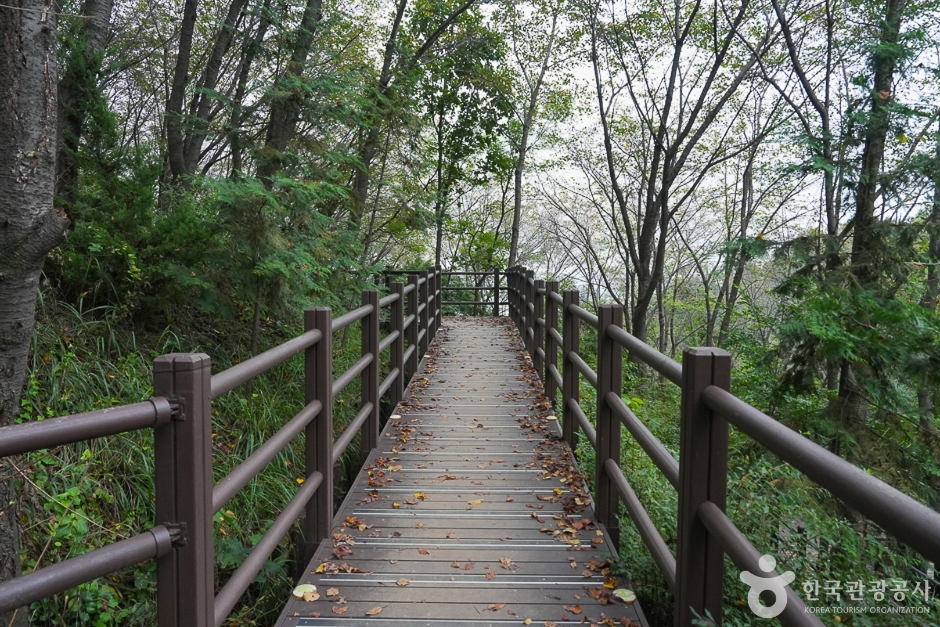
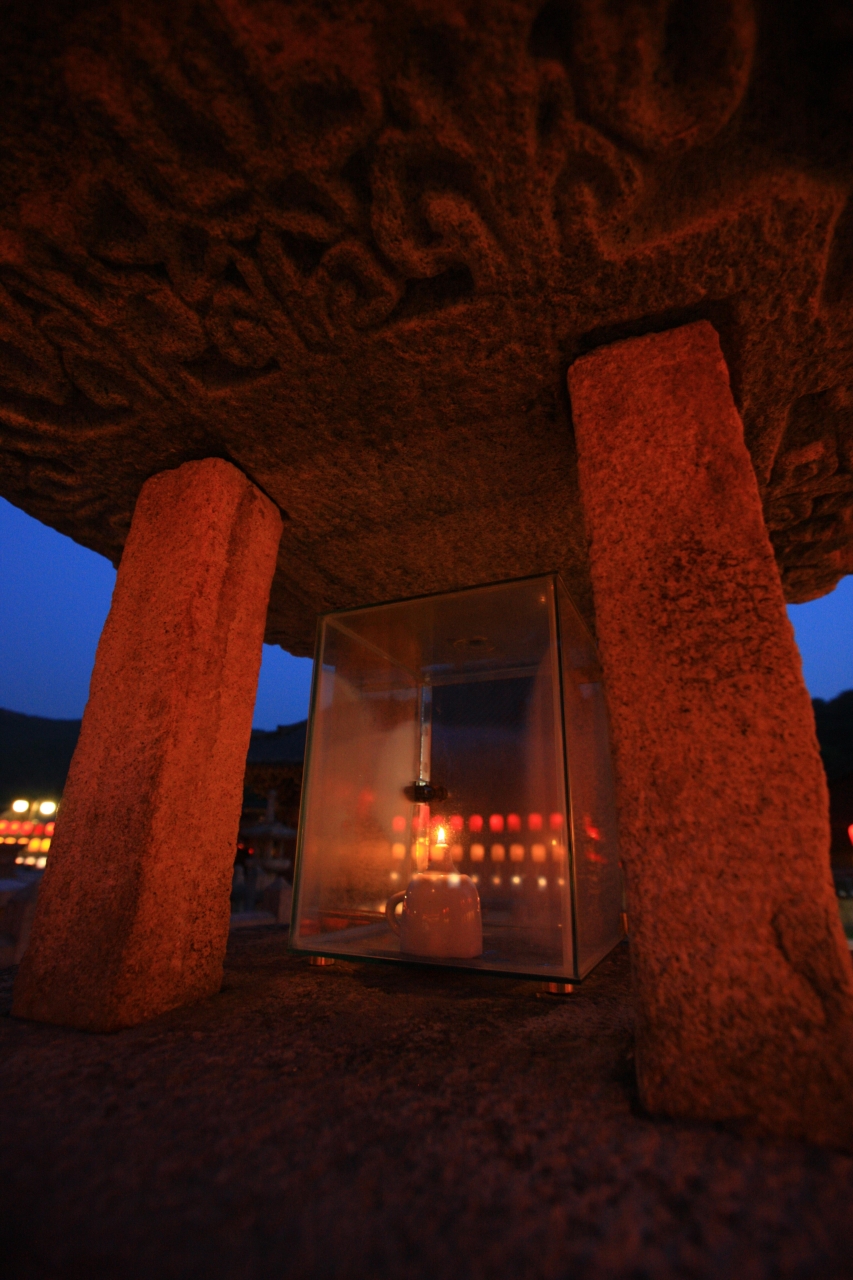
Yangsan Tongdosa Temple (UNESCO) representative scenic panoramaZoom
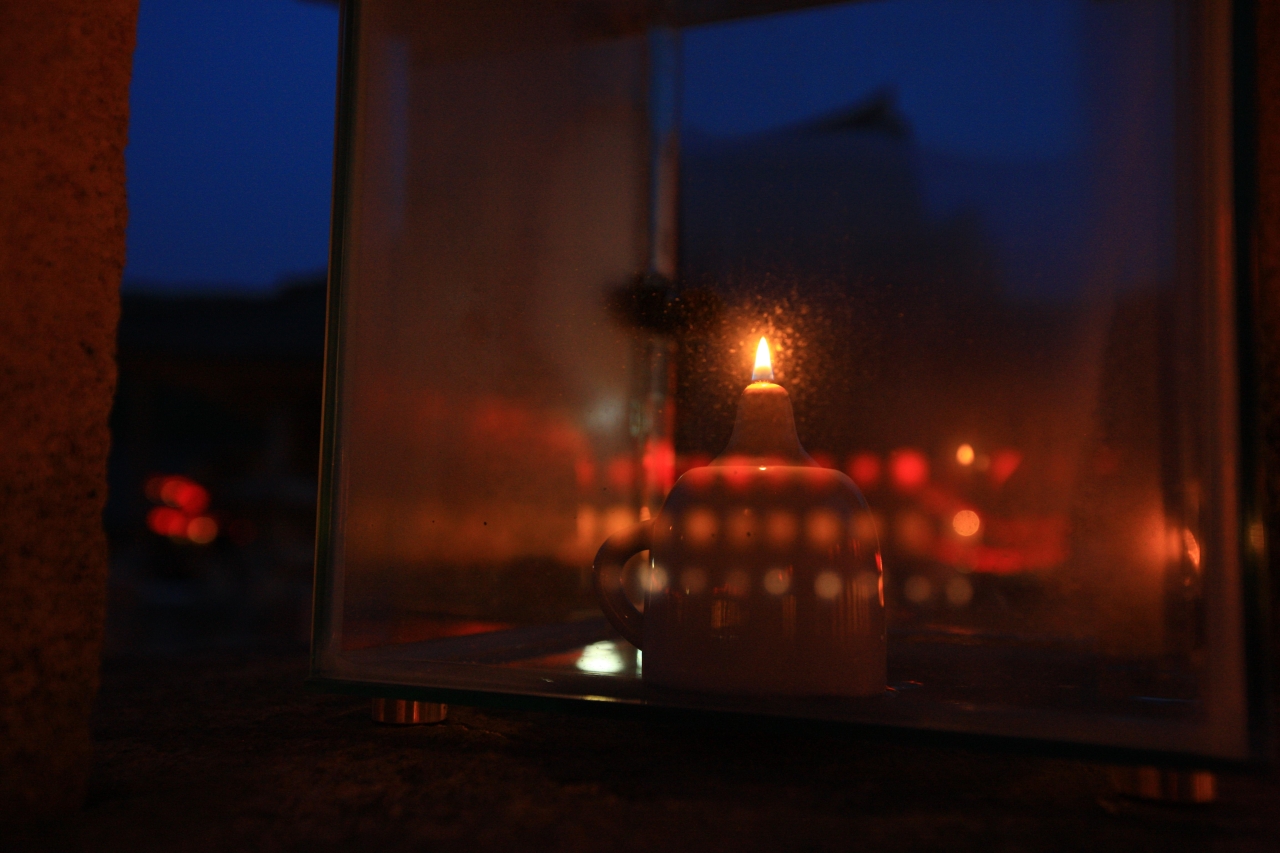
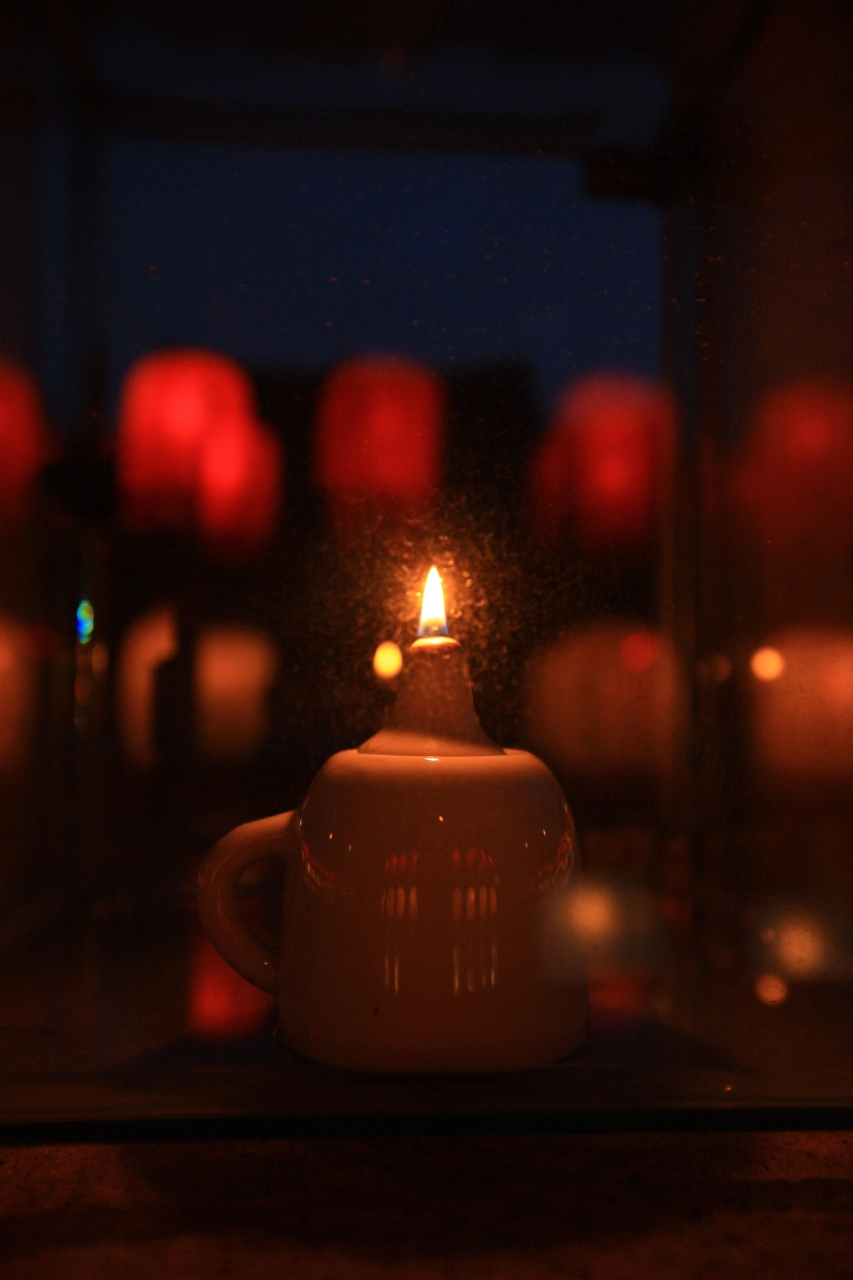
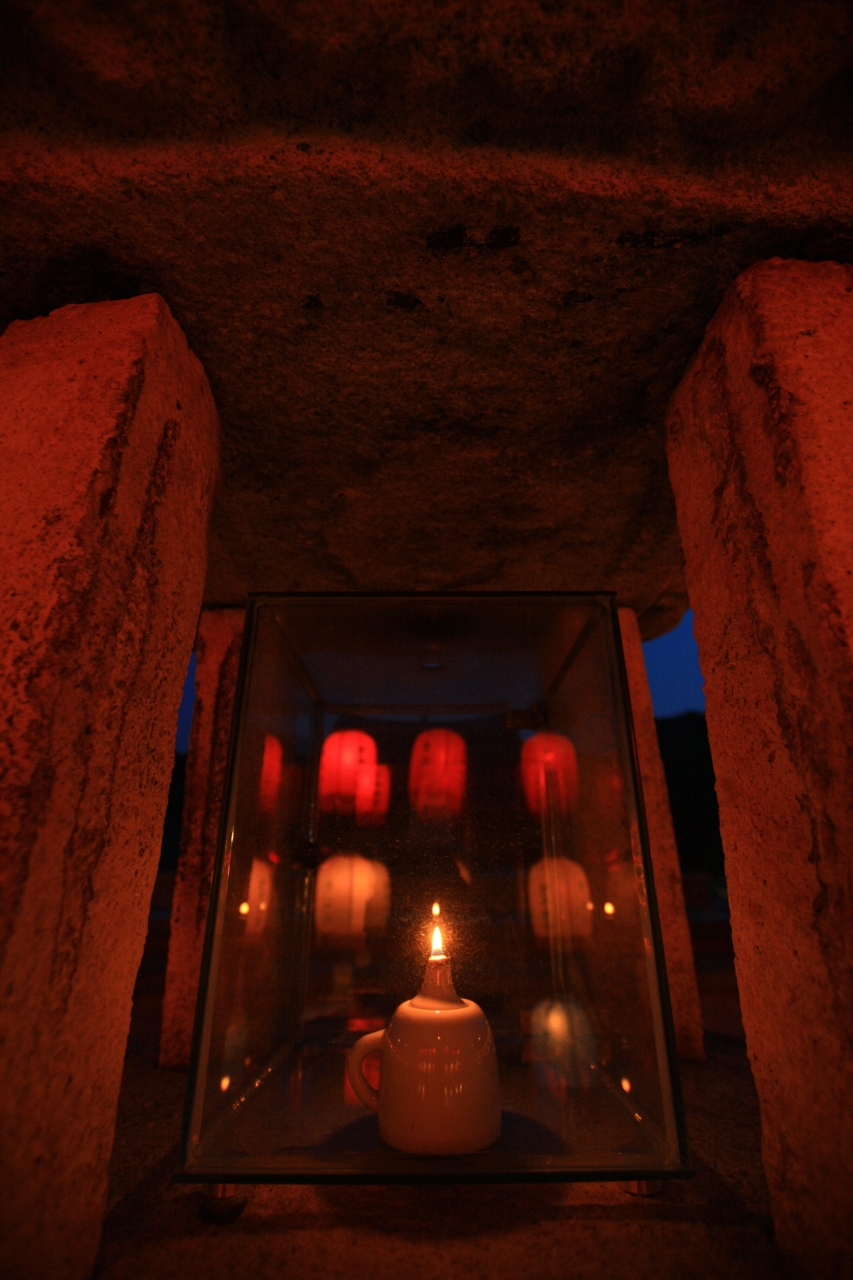
+1More
1 / 6
Yangsan Tongdosa Temple (UNESCO) representative scenic panorama
Curator's Guide & Overview
Comprehensive Guide1. Historical Origins & Cultural Background
Yangsan Tongdosa Temple, inscribed on the UNESCO World Heritage List in 2018 under 'Sansa, Buddhist Mountain Monasteries in Korea', is the supreme Buddha Jewel Temple (Bulbo Jongchal) among South Korea’s Three Jewel Temples. Nestled beneath the majestic pine-covered ridges of Mount Choseosan, Tongdosa was established in 646 AD during the reign of Queen Seondeok of Silla by the great Vinaya Master Jajang. Returning from Tang Dynasty China, Master Jajang brought with him the most sacred relics in Buddhist history: the authentic cremated bone relics (Jinsin-sari) and the ceremonial silk monastic robe (Gasa) of the historical Shakyamuni Buddha. Enshrining these sacred treasures here, Tongdosa became the spiritual epicenter of Korean Buddhism.
2. Architectural Highlights & Key Structures
The global architectural and spiritual wonder of Tongdosa is National Treasure No. 290: the Daeungjeon Main Hall and the Geumgang Gyedan (Diamond Ordination Altar). Because the actual physical remains of the historical Buddha are enshrined directly outside the building within a magnificent, bell-shaped stone stupa atop the two-tiered Diamond Ordination Altar, the interior of the Daeungjeon contains NO Buddha statue! Instead of gazing at a gilded wooden image, Buddhist monks and worshippers gaze directly through a transparent glass window situated where the main altar would normally be, bowing in reverence toward the living relics of the historical Buddha resting outdoors. The exterior of the hall features four distinct calligraphic plaques on its four walls, reflecting its multifaceted spiritual authority.
4. Operating Hours & Peak Viewing Times
The temple grounds are open daily year-round from 06:30 to 18:00 in summer (March to October) and 07:00 to 17:30 in winter (November to February). The sacred Geumgang Gyedan stupa courtyard is opened to the public for up-close circumambulation on specific major Buddhist feast days (the 1st and 15th of the lunar month and national holidays). The Tongdosa Seongbo Museum—South Korea’s premier Buddhist art museum housing over 40,000 priceless Buddhist scrolls and treasures—operates Tuesday through Sunday from 09:00 to 17:00 (closed Mondays). Plan roughly 2.5 to 3 hours to leisurely walk the pine forest trail, tour the Upper, Middle, and Lower temple courtyards, and visit the museum.
5. Admission Fees & Concessions (Youth/Foreigner Discounts)
Following national cultural heritage reforms, admission to Tongdosa Temple, its historic courtyards, and the Tongdosa Seongbo Museum is completely FREE of charge. Paid parking is available at the outer parking lot and inner temple gate for roughly 2,000 to 4,000 KRW per passenger car.
6. Public Transit & Subway Exit Directions
From Seoul, take the KTX directly to KTX Ulsan Station (Tongdosa Station) in roughly 2 hours 10 minutes. From Ulsan Station bus plaza, Express Bus 3000 or local City Bus 13 reaches the Tongdosa Shinpyeong Bus Terminal in roughly 15 minutes. A taxi from KTX Ulsan Station takes just 10 minutes and costs approximately 10,000 KRW. From Busan, board the Busan Metro Line 1 to Nopo Station (Busan Central Bus Terminal), where frequent direct intercity buses reach Tongdosa in just 25 minutes. From the Shinpyeong bus terminal, a 10-minute walk brings you to the temple entrance gate.
7. Barrier-Free Accessibility & Visitor Amenities
Tongdosa Temple is an internationally recognized model of accessible heritage tourism. The 1.5-kilometer entrance trail through the pine forest (Mupung Hansong-gil) and all connecting temple avenues are completely flat, wide, smoothly paved, or covered in compacted red clay, seamlessly accommodating strollers, manual wheelchairs, and elderly visitors. Smooth stone ramps connect the major courtyards, Daeungjeon plaza, and modern accessible restrooms. The Tongdosa Seongbo Museum features elevators, automated doors, and barrier-free exhibit halls. Free manual wheelchairs and strollers can be borrowed at the temple entrance ticket office.
8. Recommended Walking Route & Highlights Tour
Recommended 2.5-Hour Buddha Jewel & World Heritage Pilgrimage Circuit: Arrive at the temple entrance and step onto the Mupung Hansong-gil (Dancing Dragon Pine Trail), walking beneath 300-year-old red pines beside the flowing stream → Pass through the Iljumun (One Pillar Gate) and Cheonwangmun (Four Heavenly Kings Gate) into the Lower Courtyard → Admire the Three-Story Stone Pagoda and historic murals inside Yeongsanjeon Hall → Stroll through the Middle Courtyard past Daegwangmyeongjeon Hall → Enter the sacred Upper Courtyard to stand before National Treasure Daeungjeon → Step inside the hall, remove shoes, and gaze through the rear glass window at the stone bell stupa of the Geumgang Gyedan enshrining Buddha's actual relics → Photograph the 370-year-old Jajangmae crimson plum tree → Tour the Tongdosa Seongbo Museum to view colossal Gwaebul Buddhist banner paintings → Walk down to the temple village to enjoy a nutritious lunch of mountain herbs and lotus leaf rice.
9. Local Food Specialties & Regional Flavors
Dining around Tongdosa Temple is steeped in centuries of Buddhist temple vegetarian traditions and agrarian mountain flavors. Savor Tongdosa Sanchae Hanjeongsik (a royal vegetarian banquet featuring seasoned wild deodeok, bracken, bellflower root, shiitake mushrooms, and savory mountain soybean paste stew). Enjoy Yeonip-bap (fragrant steamed glutinous rice wrapped in sacred lotus leaves with lotus seeds and chestnuts), hand-pressed bean curd stews, and crispy potato pancakes. In nearby Yangsan, sample spicy Minmul Maeuntang (freshwater fish stew simmered with perilla leaves and hand-pulled sujebi noodles).
10. Dietary Options (Vegetarian, Halal & Allergen Guide)
Vegetarians and vegans will find Tongdosa to be one of the purest dining havens in Korea. All traditional village restaurants specialize in genuine Buddhist temple culinary arts cooked without the five pungent roots (Osinchae). Enjoy fresh mushroom hot pots, lotus leaf rice banquets, acorn jelly salad, and fragrant herbal teas. Halal and pescatarian diners can savor freshwater catfish stew (Maeuntang), grilled deodeok roots, and rich Buddhist temple vegetable feasts, all prepared completely free of pork or land meat broths.
11. Signature Photo Spots & Golden Hour Lighting
Signature photographic perspectives: peering through the rear window of National Treasure Daeungjeon toward the stone stupa of the Geumgang Gyedan; capturing the intense magenta-crimson petals of the 370-year-old Jajangmae plum tree contrasting against the ancient weathered wooden walls of the temple hall; looking down the winding Mupung Hansong-gil trail as morning sunbeams filter through the towering, twisting red pine branches; and reflections of the arched stone bridge (Samseongbanwolgyo) in the clear mountain stream waters.
12. Visitor Etiquette & Cultural Property Regulations
Sacred monastery regulations: Tongdosa is the most revered Buddhist sanctuary in Korea. Maintain quiet, respectful decorum throughout the courtyards. When stepping inside Daeungjeon or prayer halls, remove your shoes and maintain silent meditation. Do not touch or lean on historic wooden carvings. The Geumgang Gyedan stupa terrace can only be entered on designated ritual days; do not climb over safety ropes. Photography using flash is strictly prohibited inside all halls and museums. Smoking and open flames are forbidden everywhere.
13. Safety Precautions & 1330 Tourism Hotline Support
Wear comfortable walking shoes with soft soles, as exploring the vast three courtyards and pine forest path involves roughly 3 to 4 kilometers of walking. If visiting in winter to view the Jajangmae plum blossoms, dress warmly as the mountain valley can be chilly. For temple stay bookings, Dharma ceremony times, and guided tours, contact the Tongdosa Administrative Office at 055-382-7182 or dial 1330.
14. Nearby Connected Attractions & Walking Links
Nearby attractions: visit the 19 hermitage retreats scattered across Mount Choseosan (such as Seowunam Hermitage, famous for its thousands of traditional soybean paste ceramic jars and wild flower gardens); ride the Eden Valley Luge; or drive 30 minutes south to Busan Beomeosa Temple (PLACE-BUSAN-001) or north to Ulsan.
15. Frequently Asked Questions (FAQ)
Q: Why is there no Buddha statue inside Tongdosa's main hall? A: In Buddhist doctrine, statues are artistic representations of the Buddha, but Tongdosa enshrines the actual physical bone relics (Jinsin-sari) of the historical Shakyamuni Buddha himself directly outside the hall within the Diamond Ordination Altar; therefore, having a carved statue would be redundant when the true, living presence of the Buddha is physically present. Q: What is the significance of the four different plaques on Daeungjeon? A: Daeungjeon features four distinct plaques written by legendary masters: 'Daeungjeon' on the east, 'Geumgang Gyedan' on the south, 'Daebang Gwangjeon' on the west, and 'Jeokmyeolbogung' on the north, signifying that this single sacred building is simultaneously a lecture hall, an ordination altar, an enlightened cosmic realm, and a Nirvana palace.
16. Regional Extended Day Trip Itinerary
Yangsan Tongdosa UNESCO World Heritage Pilgrimage Day Tour: Morning KTX arrival at Ulsan Station (Tongdosa Station) → 15-minute bus or taxi to Tongdosa Temple → Walk the 1.5-kilometer Dancing Dragon Pine Forest Trail along the mountain stream → Enter the Iljumun Gate to explore the Lower and Middle Courtyards → Step into National Treasure Daeungjeon to view the Diamond Ordination Altar through the glass altar window → Admire the 370-year-old Jajangmae plum tree → Tour the National Treasure Buddhist scrolls inside Tongdosa Seongbo Museum → Lunch at the temple village enjoying authentic Sanchae Hanjeongsik and lotus-leaf rice → Afternoon visit to nearby Seowunam Hermitage to view the 3,000 traditional earthenware pots → Return via KTX Ulsan Station or Busan.
Essential Visitor Facts
Operating Hours
Temple grounds open daily year-round 06:30 - 18:00 (summer) / 07:00 - 17:30 (winter); Geumgang Gyedan (Diamond Ordination Altar) opened for worship on specific Buddhist ritual days; Museum open 09:00 - 17:00 (closed Mondays).
Admission / Price
FREE ADMISSION following national cultural heritage reforms; Free entry to Tongdosa Temple, courtyards, and museum; Municipal parking fee: approx. 2,000 to 4,000 KRW.
Closed Days
Closed on Mondays/Tuesdays
Best Time to Visit
Morning (around 09:30-10:00)
Transit & Access Directions
From KTX Ulsan Station (Tongdosa Station), take City Bus 3000, 13, or a 10-minute taxi directly to Tongdosa Temple Gate (approx. 10-15 minutes). From Busan Nopo Subway Station (Busan Central Bus Terminal), take intercity bus directly to Tongdosa Terminal in 25 minutes.
Accessibility & Special Amenities
Wheelchair ramps, tactile paving, accessible restrooms
Location Coordinates
Latitude: 35.4852
Longitude: 129.0652
Discover Themes & Highlights
Key interest areas and cultural highlights:
#yangsan-tongdosa-temple#VisitGyeongnam#KoreaTravelAtlas
Community Traveler Reviews0 Reviews
Visitor tips, feedback, and questions submitted by real travelers.
No community reviews submitted yet. Be the first traveler to share your experience!
Connected Cultural Destinations
Handpicked nearby attractions and regional cultural highlights.

Gamcheon Culture Village
감천문화마을203 Gamnae 2-ro, Saha-gu, Busan
Gamcheon Culture Village in Saha-gu, Busan, is a vibrant hillside community celebrated as "Korea's Santorini" or "Machu Picchu of Busan" for its terraced rows of pastel-hued residences clinging to ...
HalalMorning (around 09:30-10:00)
Details→
Jirisan Gurye Hwaeomsa Temple
구례 화엄사Jirisan Gurye Hwaeomsa Temple, Gurye, Jeonnam, South Korea
Jirisan Gurye Hwaeomsa is a monumental thousand-year-old Buddhist sanctuary on Mount Jirisan, revered for its peerless concentration of National Treasures—including the colossal two-story Gakhwangj...
Morning (around 09:30-10:00)
Details→
Seokguram Grotto (UNESCO)
석굴암Seokguram Grotto (UNESCO), Gyeongju, Gyeongbuk, South Korea
Seokguram Grotto is a supreme masterpiece of East Asian Buddhist art and a UNESCO World Heritage treasure, enshrining a monumental white granite Sakyamuni Buddha carved in 751 AD within a sublime s...
Morning (around 09:30-10:00)
Details→
Haeinsa Temple & Tripitaka Koreana (UNESCO)
합천 해인사 장경판전Haeinsa Temple & Tripitaka Koreana (UNESCO), Hapcheon, Gyeongnam, South Korea
Haeinsa Temple is South Korea’s supreme Dharma jewel temple nestled deep within Mount Gayasan, world-renowned for Janggyeong Panjeon (UNESCO World Heritage)—the extraordinary 15th-century naturally...
Morning (around 09:30-10:00)
Details→