Gyeongnam•Yangsan•Heritage•仏教寺院
梁山 通度寺(ユネスコ世界遺産)
양산 통도사
Powered by Korea Tourism Organization住所: 경상남도 양산시 하북면 통도사로 108 (순지리 통도사)
エディター確認中
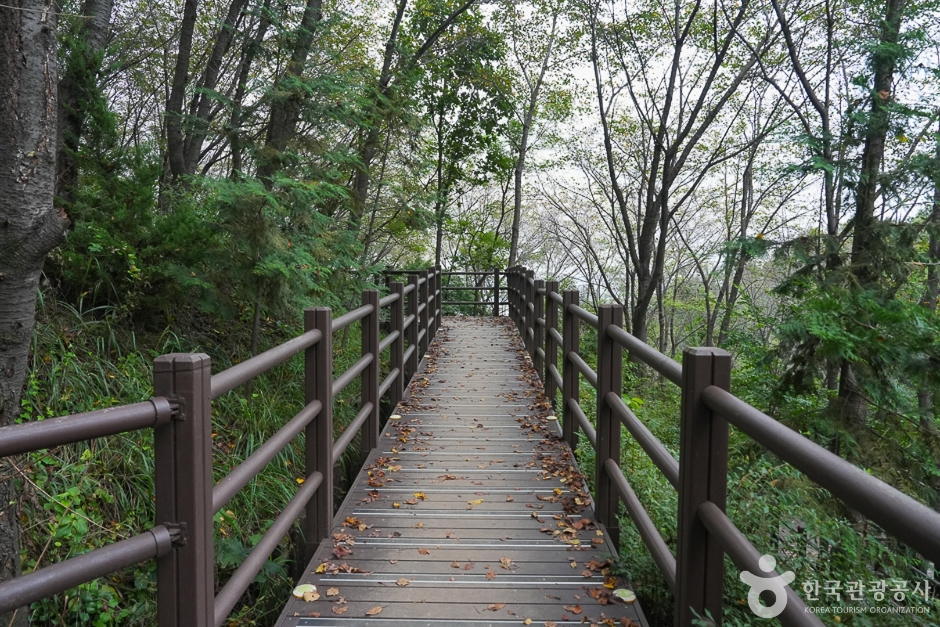
梁山 通度寺 代表景観写真拡大
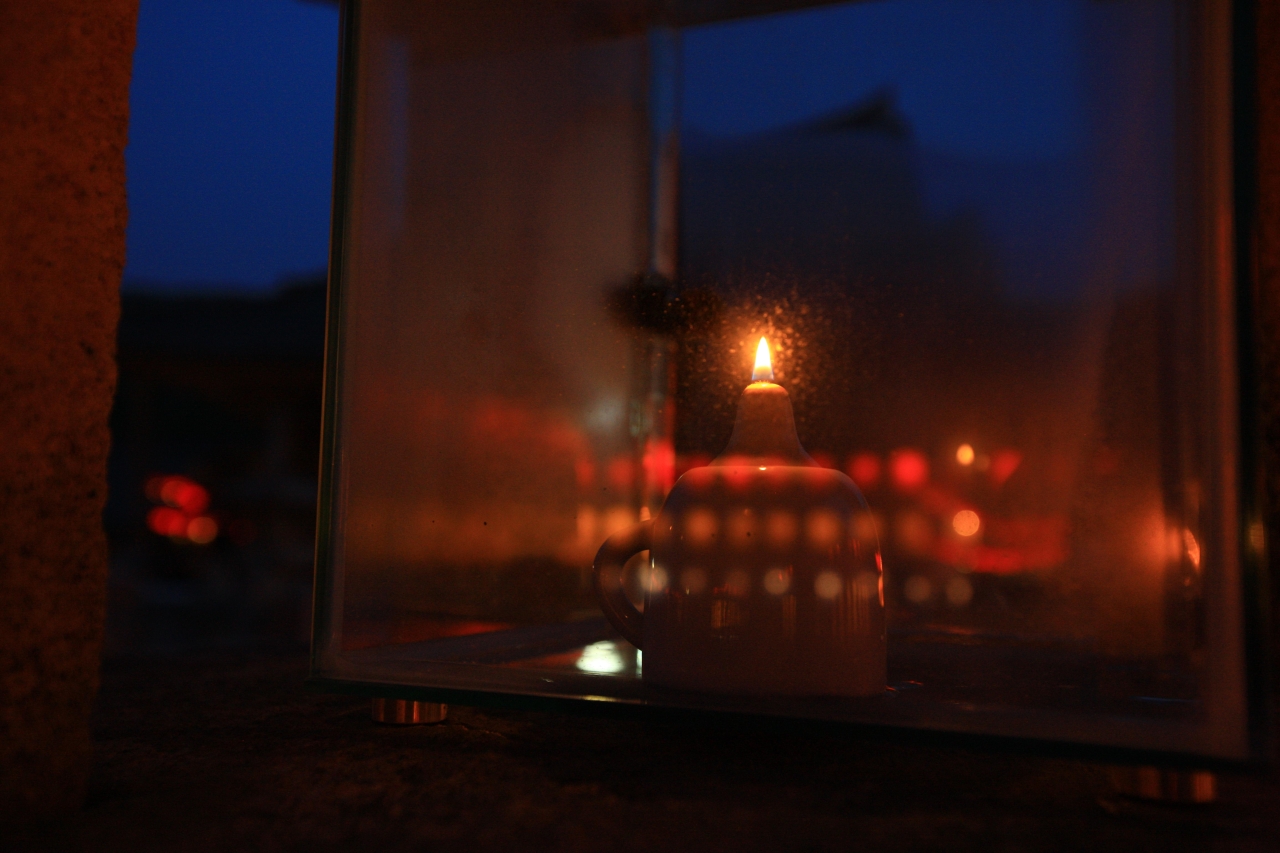
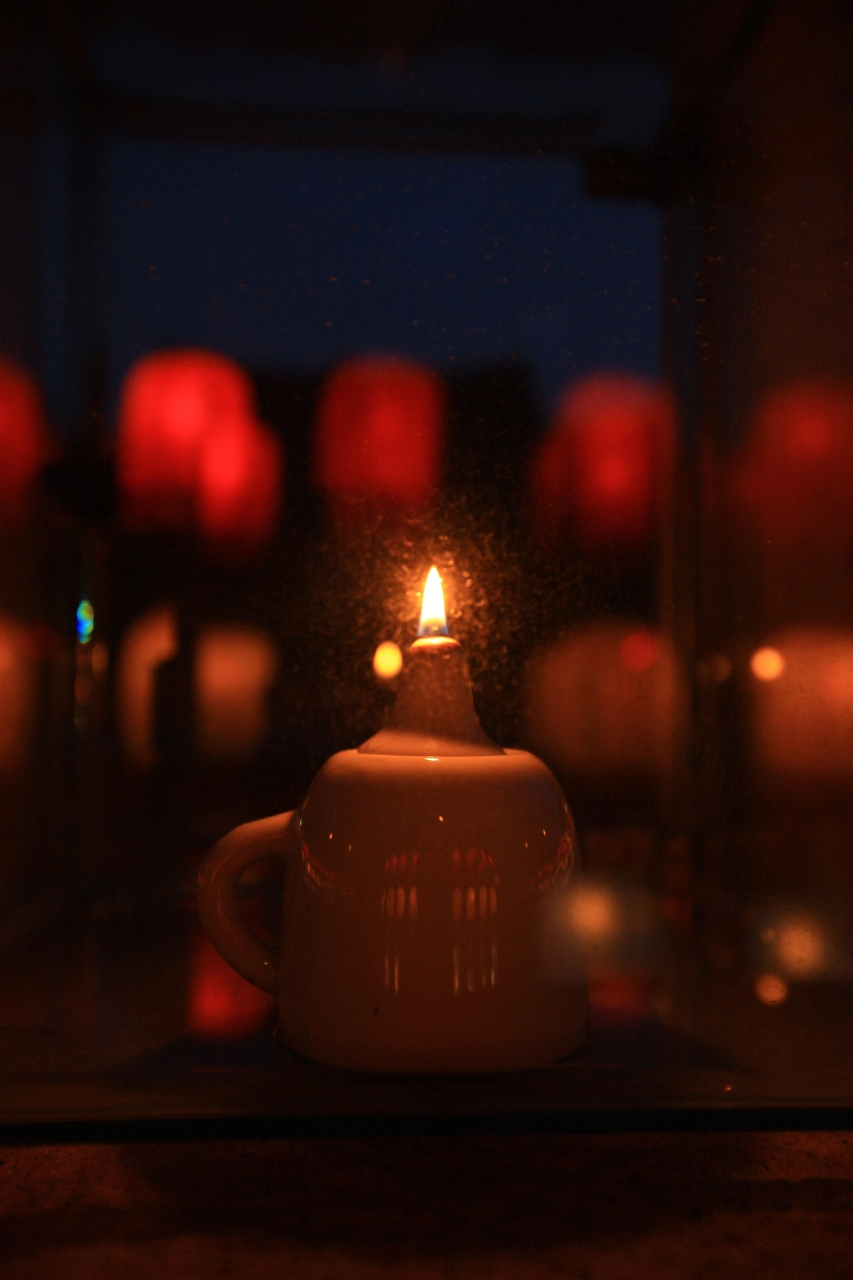
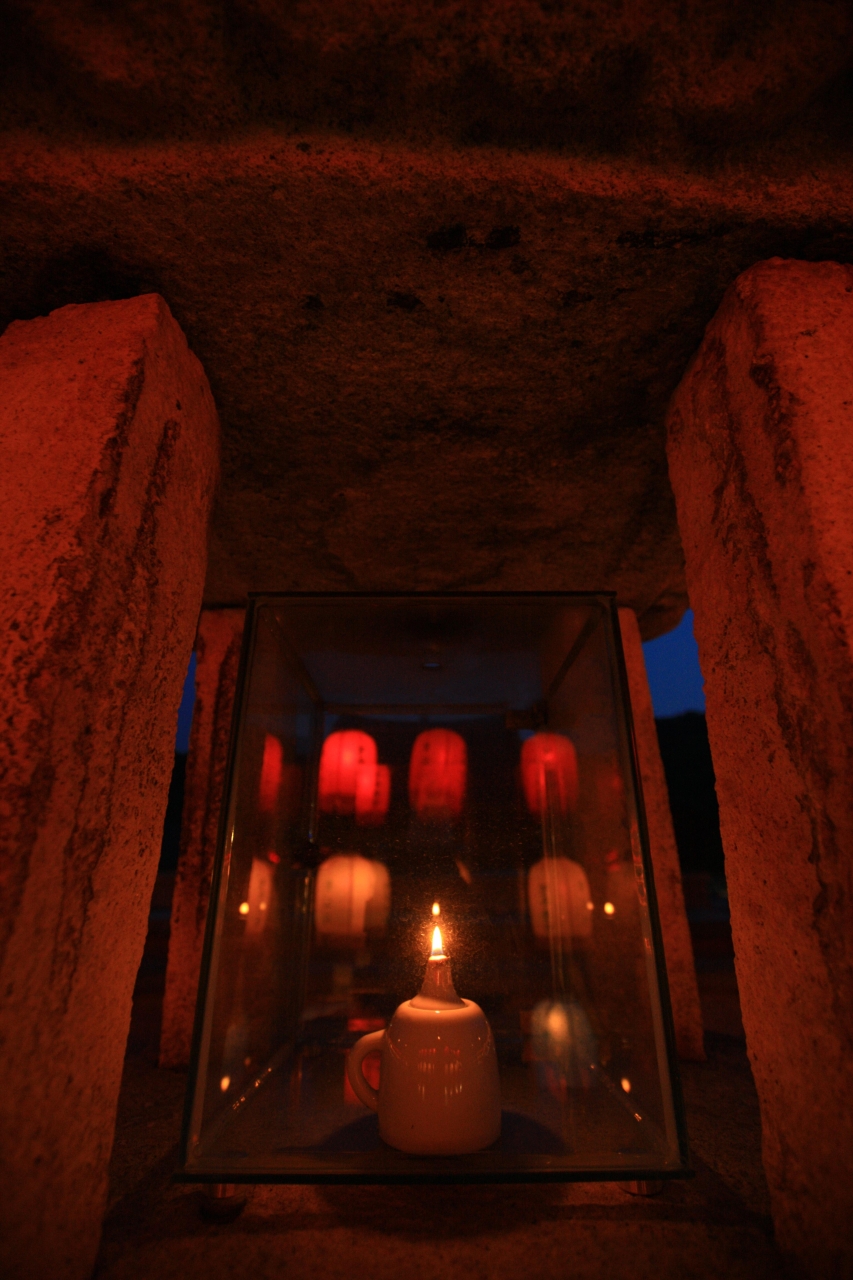
+1もっと見る
1 / 6
梁山 通度寺 代表景観写真
キュレーター詳細ガイド&概要
総合ガイド1. 歴史的起源と文化的背景
梁山 通度寺(ヤンサン・トンドサ)は、2018年に「山寺、韓国の山地僧院」としてユネスコ世界遺産に登録され、韓国三大宝刹のうち最高位の仏宝寺刹(プルボ・チョンチャル)です。鷲棲山(チュィソサン)の松に覆われた雄大な稜線のふもとに抱かれた通度寺は、646年、新羅の善徳女王の時代に、高僧・慈蔵律師によって創建されました。慈蔵律師は唐から帰国する際、仏教史上最も神聖な遺宝である、歴史上の釈迦牟尼仏の真身舎利(荼毘に付された骨の遺骨)と袈裟(儀礼用の絹の僧衣)を持ち帰りました。これらの聖なる宝物を祀ったことで、通度寺は韓国仏教の精神的な中心地となりました。
2. 建築の見どころと主な建造物
通度寺が世界に誇る建築的・精神的な驚異は、国宝第290号の大雄殿(テウンジョン)と金剛戒壇(クムガン・ケダン)です。歴史上の仏陀の実際のご遺骨は、二重の基壇を持つ金剛戒壇の上に建つ壮麗な鐘形の石造仏塔に、建物のすぐ外で安置されているため、大雄殿の内部には仏像がありません。僧侶や参拝者は、金色に輝く木彫の像ではなく、本来であれば主尊を安置する位置に設けられた透明なガラス窓越しに、屋外におられる歴史上の仏陀の生きた舎利に向かって恭しく礼拝します。殿閣の外側には、四方の壁にそれぞれ異なる4つの扁額が掲げられており、多面的な精神的権威を表しています。
4. 営業時間と見ごろの時間帯
境内は年間を通して毎日開門しており、夏季(3月~10月)は06:30~18:00、冬季(11月~2月)は07:00~17:30です。聖なる金剛戒壇の仏塔の境内は、主要な仏教行事の日(旧暦の1日と15日、および国民の祝日)に、間近で右繞(塔の周りを巡る礼拝)ができるよう一般に開放されます。4万点を超える貴重な仏画や宝物を所蔵する韓国屈指の仏教美術館、通度寺聖宝博物館は、火曜日から日曜日の09:00~17:00に開館しています(月曜休館)。松林の小道をゆっくり歩き、上・中・下の各寺域を巡って博物館を見学するには、2時間半から3時間ほどを見込んでください。
5. 入場料と割引(青少年・外国人割引)
国の文化財制度改革に伴い、通度寺、歴史ある各寺域、通度寺聖宝博物館への入場は完全に無料です。有料駐車場は外側の駐車場と寺の内門にあり、普通乗用車1台あたり約2,000~4,000KRWです。
6. 公共交通機関と地下鉄出口のご案内
ソウルからは、KTXでKTX蔚山(ウルサン)駅(通度寺駅)まで直通で約2時間10分です。蔚山駅のバス乗り場から、急行バス3000番または市内バス13番に乗ると、約15分で通度寺新平(シンピョン)バスターミナルに着きます。KTX蔚山駅からタクシーを利用すると所要わずか10分で、料金は約10,000KRWです。釜山からは、釜山地下鉄1号線で老圃(ノポ)駅(釜山総合バスターミナル)へ向かうと、頻繁に運行している直通の市外バスで、わずか25分で通度寺に到着します。新平バスターミナルからは、徒歩10分で寺の入口の門に着きます。
7. バリアフリーと来訪者向け設備
通度寺は、アクセシブルな文化遺産観光の国際的なモデルとして知られています。松林を抜ける全長1.5キロメートルの参道(舞風寒松路/ムプン・ハンソンギル)と、境内をつなぐすべての道は、平坦で幅が広く、きれいに舗装されているか、踏み固められた赤土で覆われており、ベビーカー、手動式車椅子、ご高齢の方も無理なくご利用いただけます。主要な各広場、大雄殿前の広場、最新のバリアフリートイレは、なめらかな石のスロープでつながっています。通度寺聖宝博物館には、エレベーター、自動ドア、バリアフリーの展示室があります。手動式車椅子とベビーカーは、寺の入口の券売所で無料で借りられます。
8. おすすめの散策ルートと見どころ巡り
おすすめの2時間半「仏宝と世界遺産の巡礼コース」:寺の入口に到着し、舞風寒松路(ムプン・ハンソンギル/舞い踊る龍の松の道)に足を踏み入れ、せせらぎの流れる渓流沿いに樹齢300年の赤松の下を歩く → 一柱門(イルジュムン)と天王門(チョナンムン)を通って下路壇(下の境内)へ → 三層石塔と霊山殿(ヨンサンジョン)内部の歴史ある壁画を鑑賞 → 大光明殿(テグァンミョンジョン)を過ぎて中路壇(中の境内)を散策 → 聖なる上路壇(上の境内)に入り、国宝の大雄殿の前に立つ → 殿内に入って靴を脱ぎ、奥のガラス窓越しに、仏陀の真身舎利を祀る金剛戒壇の石造鐘形塔を拝む → 樹齢370年の紅梅「慈藏梅(慈蔵梅/チャジャンメ)」を撮影 → 通度寺聖宝博物館で巨大な掛仏(クェブル)の仏画を見学 → 寺の門前の村まで歩いて下り、山菜と蓮の葉ご飯の栄養たっぷりの昼食を味わう。
9. 郷土料理と地域の味
通度寺周辺の食事は、何世紀にもわたる仏教寺院の精進料理の伝統と、山里の農村の味わいが息づいています。通度寺山菜韓定食(サンチェ・ハンジョンシク)をご賞味ください。味付けした野生のトドク(ツルニンジン)、ワラビ、キキョウの根、シイタケ、香ばしい山の味噌チゲを並べた、宮廷風の精進料理の宴です。蓮の葉で包んで蒸し、蓮の実や栗を加えた香り高いもち米の料理、蓮の葉ご飯(ヨニプパプ)、手作りの豆腐チゲ、カリッと焼き上げたじゃがいものチヂミもお楽しみください。近隣の梁山では、エゴマの葉と手延べのスジェビ(すいとん風の麺)を一緒に煮込んだ、辛い川魚の鍋、ミンムル・メウンタンを味わえます。
10. 食事のオプション(ベジタリアン、ハラール、アレルゲンのご案内)
ベジタリアンやヴィーガンの方にとって、通度寺は韓国でも屈指の安心して食事ができる場所です。村の伝統的な食堂はいずれも、五辛菜(オシンチェ)を使わずに調理する本格的な仏教寺院料理を専門としています。新鮮なきのこの鍋、蓮の葉ご飯の御膳、どんぐりゼリーのサラダ、香り豊かなハーブティーをお楽しみください。ハラールやペスカタリアンの方は、川魚のナマズ鍋(メウンタン)、トドクの焼き物、豪華な精進料理の御膳をお召し上がりいただけます。いずれも豚肉や陸の動物の肉のだしは一切使われていません。
11. 代表的な撮影スポットとゴールデンアワーの光
代表的な撮影アングル:国宝の大雄殿の奥の窓越しに金剛戒壇の石塔を望む構図/樹齢370年の慈藏梅(チャジャンメ)の鮮やかな濃い紅色の花びらを、風雪を経た古い木造の殿閣の壁と対比させて撮影/朝の光が高くそびえてねじれた赤松の枝の間から差し込むなか、曲がりくねった舞風寒松路を見下ろす構図/アーチ型の石橋(三聖半月橋/サムソンバンウォルギョ)が澄んだ渓流の水面に映る姿。
12. 参拝マナーと文化財に関する規則
聖なる寺院の規則:通度寺は韓国で最も崇敬を集める仏教の聖地です。境内では静かに、敬意をもってお過ごしください。大雄殿や法堂に入る際は靴を脱ぎ、静かに黙想してください。歴史ある木彫に触れたり、寄りかかったりしないでください。金剛戒壇の仏塔の壇上には、定められた行事の日にしか入れません。安全ロープを乗り越えないでください。すべての殿閣および博物館内では、フラッシュ撮影は固く禁じられています。喫煙および火気の使用は、すべての場所で禁止です。
13. 安全上の注意と1330観光案内ホットラインのサポート
広大な三つの寺域と松林の小道を巡るには約3~4キロメートル歩くため、底の柔らかい歩きやすい靴でお出かけください。慈藏梅(チャジャンメ)の花を見に冬に訪れる場合は、山あいの谷は冷え込むことがあるため、暖かい服装でお越しください。テンプルステイのご予約、法要の時間、ガイドツアーについては、通度寺の総務所(055-382-7182)にお問い合わせいただくか、1330におかけください。
14. 周辺の関連スポットと徒歩での移動
周辺の見どころ:鷲棲山(チュィソサン)に点在する19の庵(数千個もの伝統的な味噌甕と野の花の庭園で知られる瑞雲庵/ソウナムなど)を訪ねる/エデンバレーのリュージュに乗る/南へ車で30分の釜山の梵魚寺(PLACE-BUSAN-001)、または北の蔚山へ足を延ばす。
15. よくある質問(FAQ)
Q:通度寺の大雄殿の中になぜ仏像がないのですか? A:仏教の教義では、仏像は仏陀を芸術的に表現したものですが、通度寺には歴史上の釈迦牟尼仏ご自身の実際の真身舎利(骨の遺骨)が、殿閣のすぐ外の金剛戒壇に直接安置されています。そのため、仏の真の生きた存在がそこにある以上、彫刻された像を置く必要はないのです。 Q:大雄殿の4つの異なる扁額にはどのような意味がありますか? A:大雄殿には、名高い名筆家たちが記した4つの扁額が掲げられています。東に「大雄殿」、南に「金剛戒壇」、西に「大方広殿」、北に「寂滅宝宮」とあり、この一つの聖なる建物が、講堂であり、戒壇であり、悟りの宇宙の世界であり、涅槃の宮殿でもあることを表しています。
16. 地域をめぐる日帰り拡張プラン
梁山 通度寺 ユネスコ世界遺産巡礼 日帰りツアー:午前、KTXで蔚山(ウルサン)駅(通度寺駅)に到着 → バスまたはタクシーで15分、通度寺へ → 渓流沿いの全長1.5キロメートルの「舞い踊る龍の松林の道」を歩く → 一柱門をくぐり、下路壇と中路壇を見学 → 国宝の大雄殿に入り、ガラスの窓越しに金剛戒壇を拝む → 樹齢370年の慈藏梅(チャジャンメ)を鑑賞 → 通度寺聖宝博物館で国宝の仏画を見学 → 寺の門前の村で、本格的な山菜韓定食と蓮の葉ご飯の昼食 → 午後は近くの瑞雲庵(ソウナム)を訪れ、3,000個の伝統的な陶器の甕を見学 → KTX蔚山駅または釜山経由で帰途へ。
訪問の重要基本情報
営業時間
境内は年間を通して毎日開門しています。06:30~18:00(夏季)/ 07:00~17:30(冬季)。金剛戒壇(クムガン・ケダン)は特定の仏教行事の日に参拝できます。博物館は09:00~17:00(月曜休館)。
入場料・料金
国の文化財制度改革に伴い入場無料です。通度寺、境内の各広場、博物館はいずれも無料でご覧いただけます。市営駐車場の料金は約2,000~4,000KRWです。
休館日・定休日
月曜・火曜休み
おすすめ訪問時間帯
午前中(09:30〜10:00頃)
交通アクセス・行き方
KTX蔚山(ウルサン)駅(通度寺駅)から、市内バス3000番・13番、またはタクシー(約10分)で通度寺の入口まで直接行けます(約10~15分)。釜山の老圃(ノポ)駅(釜山総合バスターミナル)からは、市外バスで通度寺ターミナルまで直通25分です。
バリアフリー・設備案内
車椅子用スロープ、点字ブロック、バリアフリートイレ
位置情報・地図座標
緯度: 35.4852
経度: 129.0652
主要テーマ&見どころ
主な関心分野および文化ハイライト:
#yangsan-tongdosa-temple#VisitGyeongnam#KoreaTravelAtlas
旅行者コミュニティレビュー0件のレビュー
実際の旅行者から投稿された訪問のヒント、体験談、アドバイスです。
まだ投稿されたレビューはありません。最初の体験談を共有してみましょう!
近隣の連携文化観光スポット
合わせて巡るのにおすすめの周辺名所と文化遺産です。

甘川文化村(カムチョン文化村)
감천문화마을부산광역시 사하구 감내2로 203 (감천동)
釜山市沙下区にある甘川文化村は、海岸の斜面にパステルカラーの家々が段々に連なる活気あふれる丘の集落で、「韓国のサントリーニ」や「釜山のマチュピチュ」として親しまれています。朝鮮戦争中に避難民の拠り所として生まれたこの町は、草の根の公共アート活動によって生まれ変わり、壁画や曲がりくねった階段、美しい眺望が広がる生きた野外ギャラリーとなりました。
ハラール午前中(09:30〜10:00頃)
詳細を見る→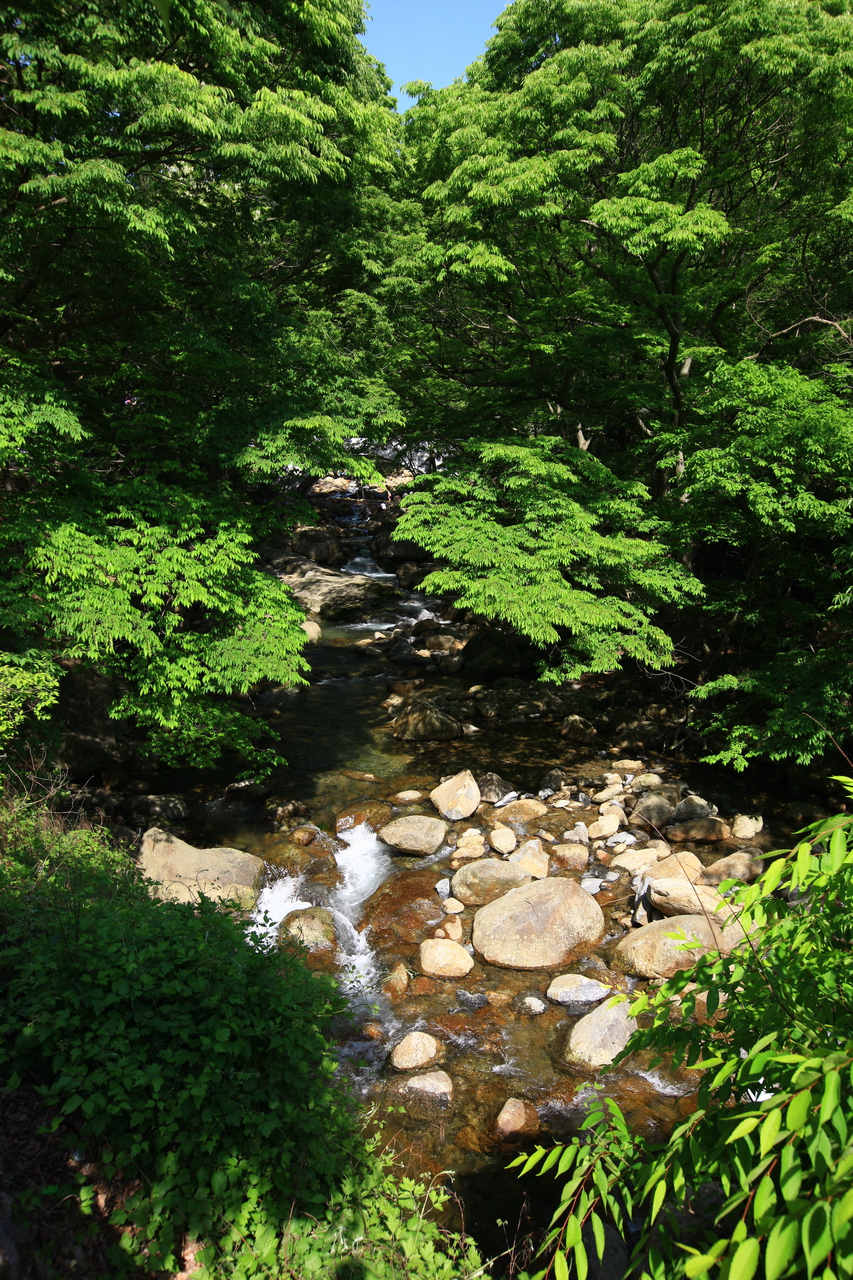
智異山 求礼 華厳寺
구례 화엄사전라남도 구례군 마산면 화엄사로 539 (황전리)
智異山 求礼 華厳寺(ファオムサ)は、智異山にたたずむ千年の歴史を誇る壮大な仏教聖地です。二層の巨大な覚皇殿、四獅子石塔、天然記念物の野生紅梅(ホンメファ)など、他に類を見ないほど多くの国宝が集まっていることで広く敬われています。
午前中(09:30〜10:00頃)
詳細を見る→
石窟庵(ソクグラム)(ユネスコ世界遺産)
석굴암경상북도 경주시 불국로 873-243 (진현동 석굴암)
石窟庵は、東アジア仏教美術の最高傑作であり、ユネスコ世界遺産の至宝です。吐含山の山腹高くに築かれた荘厳な地下の石造円形室には、西暦751年に彫刻された、白い花崗岩の巨大な釈迦如来像が安置されています。
午前中(09:30〜10:00頃)
詳細を見る→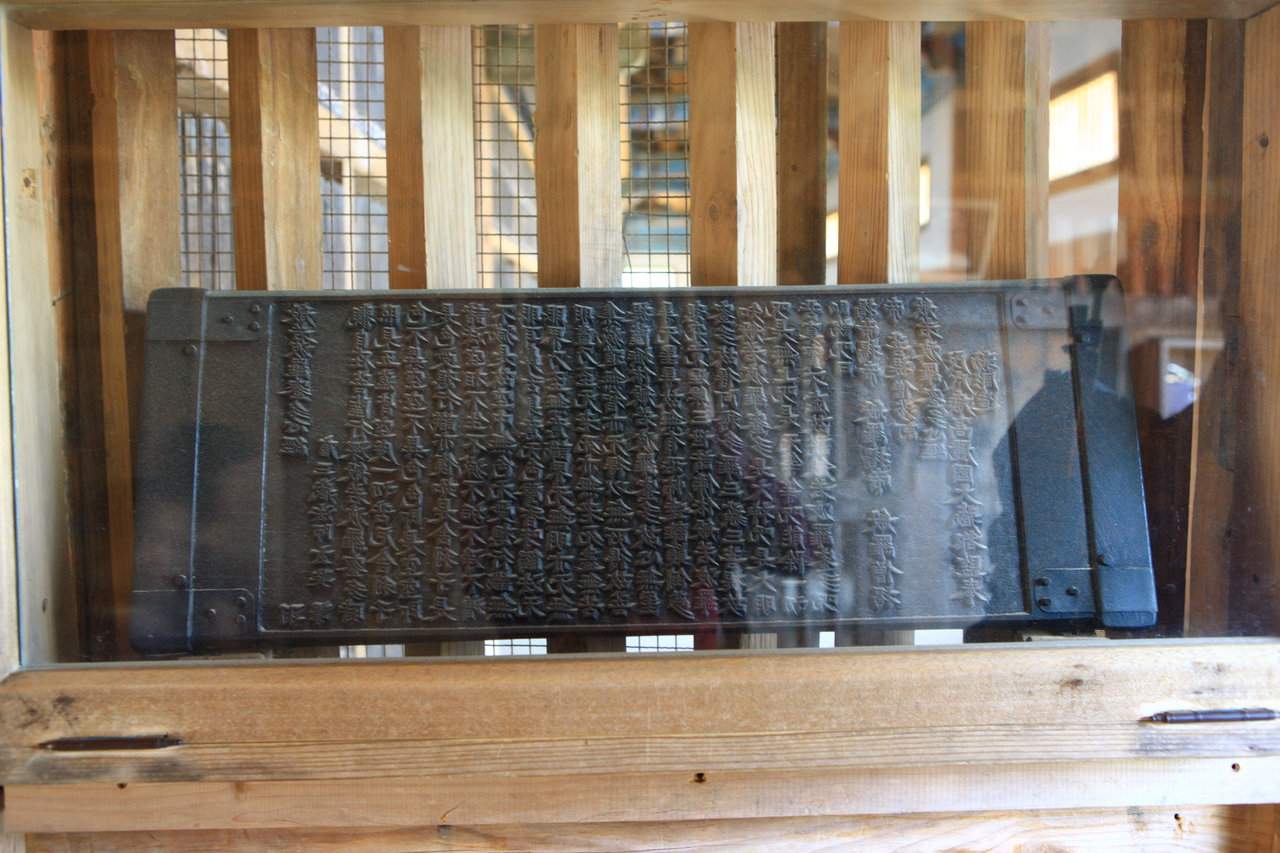
海印寺(ヘインサ)と八万大蔵経(ユネスコ世界遺産)
합천 해인사 장경판전경상남도 합천군 가야면 해인사길 122 (치인리 해인사)
海印寺は、伽倻山の奥深くに抱かれた韓国の法宝寺刹(ポプポチョンチャル)です。世界的に名高い蔵経板殿(ユネスコ世界遺産)は、15世紀に建てられた自然換気式の驚くべき収蔵施設で、八万大蔵経(国宝第32号)の神聖な木版81,258枚を収めています。
午前中(09:30〜10:00頃)
詳細を見る→