Ulsan•Nature•Garden & Forest
Taehwagang National Garden (Bamboo Grove)
태화강 국가정원 (십리대숲)
Powered by Korea Tourism OrganizationAddress: Taehwagang National Garden (Bamboo Grove), Ulsan, South Korea (울산광역시 중구 태화강국가정원길 154 (태화동))
Editorial review pending
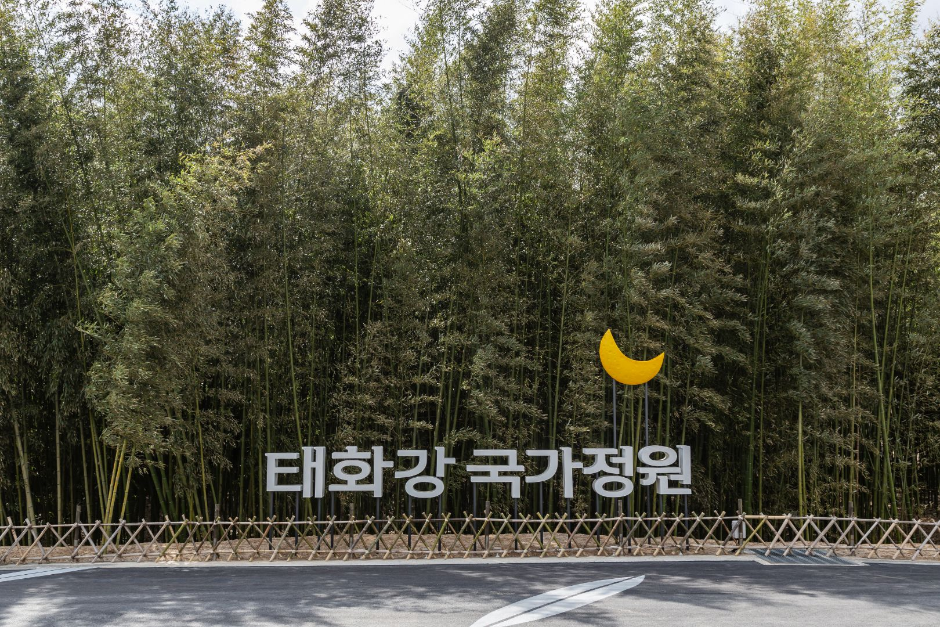
Taehwagang National Garden (Bamboo Grove) representative scenic panoramaZoom


+1More
1 / 6
Taehwagang National Garden (Bamboo Grove) representative scenic panorama
Curator's Guide & Overview
Comprehensive Guide1. Historical Origins & Cultural Background
Historically recorded since the Joseon Dynasty, the vast bamboo groves of Taehwagang protected low-lying agricultural villages along the floodplains of the Taehwa River. During Korea’s rapid industrialization in the 1970s and 80s, industrial effluents severely polluted the river, earning it the grim moniker 'River of Death'. Through an extraordinary multi-decade ecological revival project championed by citizens and government, the river ecosystem was restored to pristine purity, leading to its historic designation in 2019 as South Korea's 2nd National Garden.
2. Architectural Highlights & Key Structures
The 835,452-square-meter parkway encompasses six thematic ecological districts: Bamboo Ecology, Seasonal Flowers, Water Ecology, World Show Gardens, Horticultural Birds, and Civil Participation Gardens. The absolute visual masterpiece is Simnidaesup ('Ten-Li Bamboo Grove'), a continuous 4-kilometer emerald tunnel containing over 500,000 towering bamboo stalks, featuring the world-famous 'Milky Way Trail' (Eunhasu-gil) where thousands of fiber-optic green and blue lasers illuminate bamboo stalks like dancing stars after dusk.
3. Four Seasons Landscape & Seasonal Visiting Charms
Spring explodes with over 60 million colorful seasonal blossoms during the Spring Flower Festival (poppies, cornflowers, and yellow rape blossoms). Summer provides deeply cooling forest bathing under towering green bamboo culms and thriving migratory egret colonies. Autumn brings waves of purple silver grass and cosmos dancing beside the tranquil river. Winter offers mystical strolls along frost-tipped bamboo pathways illuminated by crisp starry night skies.
4. Operating Hours & Peak Viewing Times
The national garden pathways, riverside boardwalks, and Simnidaesup Bamboo Grove are open 24 hours daily with free access. The iconic Milky Way Trail laser lights illuminate automatically from sunset until 23:00 daily. The Taehwagang National Garden Visitor Center operates from 09:00 to 18:00. Late afternoon arrival around 17:00 allows visitors to experience both the lush daytime emerald bamboo tunnel and the romantic night Milky Way illuminations.
5. Admission Fees & Concessions (Youth/Foreigner Discounts)
Admission to Taehwagang National Garden, Simnidaesup Bamboo Grove, the World Gardens, and the Milky Way Trail is completely free of charge. Ecofriendly electric garden touring shuttles (Gukgajeongwon Train) operate for a nominal fee of 2,000 KRW (adults) / 1,000 KRW (children).
6. Public Transit & Subway Exit Directions
From Taehwagang Station (Donghae Line metropolitan rail and KTX connection), board City Bus 133, 417, 708, or 807 and ride approximately 25 minutes to the 'Taehwagang National Garden' bus stop. Alternatively, take a quick 15-minute taxi from downtown Ulsan.
7. Barrier-Free Accessibility & Visitor Amenities
The entire 83-hectare riverside terrain is exquisitely barrier-free, featuring flat paved corridors, level wooden boardwalks winding through bamboo groves, and curb-free connections. The Visitor Center features passenger elevators, automated doors, braille maps, and accessible restrooms. Complimentary wheelchairs and baby strollers are loaned at the main visitor information desk.
8. Recommended Walking Route & Highlights Tour
Taehwagang Visitor Center → stroll across the Great Lawn and Seasonal Flower Fields → enter the Simnidaesup Bamboo Grove through the southern bamboo portal → walk the tranquil 4km emerald tunnel to the Bamboo Ecology Center → relax at the historic Taehwaru Riverfront Pavilion → return to the bamboo grove at twilight to walk the illuminated Milky Way Trail (approx. 2 to 3 hours).
9. Local Food Specialties & Regional Flavors
The lively Taehwa Food Street along the northern parkway is famous for regional flavors: Eonyang-style charcoal-grilled bulgogi (minced seasoned beef patties grilled over oak charcoal), spicy fresh-water Mae-euntang, cold Dongchimi buckwheat noodles, and fresh sliced raw octopus.
10. Dietary Options (Vegetarian, Halal & Allergen Guide)
Riverside modern cafes and bakeries serve vegan fruit smoothies, oat-milk lattes, and artisan sourdough bread. Traditional bibimbap and mountain herb restaurants bordering the garden offer pure plant-based dining sets.
11. Signature Photo Spots & Golden Hour Lighting
Iconic photo spots: standing inside the enchanted Simnidaesup Milky Way Trail at night as laser star points glitter across green bamboo trunks, framing the traditional curved roof of Taehwaru Pavilion over the calm river, and standing amidst the vast multi-color sea of blooming poppies and cornflowers in May.
12. Visitor Etiquette & Cultural Property Regulations
Do not carve names or graffiti into the living bamboo stalks (strictly prohibited with fines). Stay strictly on designated wooden walking decks to protect bamboo root rhizomes. Smoking and cooking are strictly prohibited throughout the national reserve.
13. Safety Precautions & 1330 Tourism Hotline Support
Park rangers and safety staff patrol on foot and electric carts. Automated external defibrillators (AED) and emergency call boxes are positioned throughout the bamboo trails. Multilingual travel assistance is accessible via 1330.
14. Nearby Connected Attractions & Walking Links
The ancient cliffside Daewangam Rock Park and coastal suspension bridge sit 25 minutes east by car, while the Jangsaengpo Whale Culture Village lies 20 minutes southeast along the coast.
15. Frequently Asked Questions (FAQ)
Q: What time does the Milky Way Trail light up? A: The fiber-optic laser projections inside the Simnidaesup Bamboo Grove turn on automatically at sunset every evening and remain illuminated until 23:00, creating an unforgettable fairytale experience.
16. Regional Extended Day Trip Itinerary
Late afternoon arrival at Taehwagang National Garden → walk through Simnidaesup Bamboo Grove and Taehwaru Pavilion → Eonyang Bulgogi dinner on Taehwa Food Street → nighttime stroll through the glowing Milky Way Trail.
Essential Visitor Facts
Operating Hours
Garden Grounds & Bamboo Grove: Open 24/7; Milky Way Night Trail: Sunset - 23:00; Visitor Center: 09:00 - 18:00
Admission / Price
Free National Garden Admission (Bamboo Grove & Milky Way Trail 100% Free)
Closed Days
Open 365 Days
Best Time to Visit
Morning (around 09:30-10:00)
Transit & Access Directions
Taehwagang Station (Donghae Line/Train) -> Bus 133, 417, 708, or 807 to Taehwagang National Garden stop (25 min)
Accessibility & Special Amenities
Wheelchair ramps, tactile paving, accessible restrooms
Location Coordinates
Latitude: 35.5512
Longitude: 129.2995
Discover Themes & Highlights
Key interest areas and cultural highlights:
#taehwagang-national-garden#VisitUlsan#KoreaTravelAtlas
Community Traveler Reviews0 Reviews
Visitor tips, feedback, and questions submitted by real travelers.
No community reviews submitted yet. Be the first traveler to share your experience!
Connected Cultural Destinations
Handpicked nearby attractions and regional cultural highlights.

Gamcheon Culture Village
감천문화마을203 Gamnae 2-ro, Saha-gu, Busan
Gamcheon Culture Village in Saha-gu, Busan, is a vibrant hillside community celebrated as "Korea's Santorini" or "Machu Picchu of Busan" for its terraced rows of pastel-hued residences clinging to ...
HalalMorning (around 09:30-10:00)
Details→
Daewangam Park & Suspension Bridge
대왕암공원 및 출렁다리Daewangam Park & Suspension Bridge, Ulsan, South Korea
Daewangam Park is an awe-inspiring coastal sanctuary of colossal rust-colored sea dragon rocks, 15,000 centenarian black pines, and Korea’s longest open-sea suspension bridge.
Morning (around 09:30-10:00)
Details→
Ganjeolgot Cape (Sunrise Point)
간절곶Ganjeolgot Cape (Sunrise Point), Ulsan, South Korea
Ganjeolgot is the celebrated easternmost cape of the Korean peninsula where the sunrise arrives first, famous for its 5-meter Giant Wish Postbox, windmills, and dramatic coastal cliffs.
Morning (around 09:30-10:00)
Details→
Jangsaengpo Whale Culture Village
장생포 고래문화마을Jangsaengpo Whale Culture Village, Ulsan, South Korea
Jangsaengpo Whale Culture Village is a nostalgic 100,000-square-meter retro maritime sanctuary recreating a 1970s whaling port alongside monorails, an aquarium, and whale eco-cruises.
Morning (around 09:30-10:00)
Details→