Ulsan•Nature•Scenic Nature Spot
Ulsan Grand Park
울산대공원
Powered by Korea Tourism OrganizationAddress: Ulsan Grand Park, Ulsan, South Korea (울산광역시 남구 대공원로 94 (옥동))
Editorial review pending

Ulsan Grand Park representative scenic panoramaZoom


1 / 5
Ulsan Grand Park representative scenic panorama
Curator's Guide & Overview
Comprehensive Guide1. Historical Origins & Cultural Background
Ulsan Grand Park stands as a premier example of corporate civic stewardship and environmental reclamation in South Korea. Constructed between 1995 and 2006 through a 102-billion KRW investment by the SK Group and gifted entirely to the citizens of Ulsan, the park transformed rugged industrial peripheries into an expansive 3.69-million-square-meter urban forested wonderland. It serves as the green lungs of Ulsan's industrial heartland.
2. Architectural Highlights & Key Structures
The park is structurally divided into three programmatic zones: the Main Gate Zone featuring scenic ponds and musical fountain plazas, the East Gate Zone home to cultural exhibition halls and botanical conservatories, and the South Gate Zone hosting the famous 56,000-square-meter Rose Garden, Butterfly Conservatory, and Children's Zoo. Paved pedestrian and bicycle paths seamlessly weave through pine hills and tranquil reservoirs.
3. Four Seasons Landscape & Seasonal Visiting Charms
Spring explodes with over 3 million rose blossoms of 265 varieties during the annual late-May Ulsan Grand Park Rose Festival. Summer brings lush green wetland canopies and vibrant waterside lotus ponds. Autumn paints the lakeside dawn metasequoia trails in fiery amber, while winter illuminates the central lake promenade with the magical Ulsan Grand Park Light Festival.
4. Operating Hours & Peak Viewing Times
The outer park grounds and walking boulevards are open 365 days a year from 05:00 to 23:00. Paid facilities at the South Gate—including the Rose Garden, Butterfly House, and Zoo—operate Tuesday through Sunday from 09:30 to 18:00 (last admission at 17:00). Facilities are closed on Mondays. The most atmospheric visiting window is between 15:30 and 19:30, catching afternoon greenhouse exhibits followed by sunset lake reflections.
5. Admission Fees & Concessions (Youth/Foreigner Discounts)
Admission to the vast general park grounds, jogging loops, and outdoor plazas is completely free. Access to the specialized South Gate attractions (Rose Garden and Children's Zoo combined) is 2,000 KRW for adults, 1,000 KRW for teenagers, and 500 KRW for children under 12. Seniors (65+) and infants enter free. Automated ticketing machines accept international credit cards and T-money transit cards.
7. Barrier-Free Accessibility & Visitor Amenities
The park features pristine barrier-free pedestrian infrastructure throughout its core routes. Paved multi-use lanes offer gentle slopes below 5% grade, step-free tactile pathways, and lowered curb cuts. Motorized and manual wheelchairs and baby strollers are loaned free of charge at all three gate information kiosks upon presentation of passport or ID. Accessible braille-equipped restrooms are located at 500-meter intervals.
8. Recommended Walking Route & Highlights Tour
Recommended 3-Hour Highlights Tour: Enter via South Gate → explore the Butterfly Garden and Insect Pavilion → stroll through the sprawling Rose Garden and Roman colonnade plaza → greet fennec foxes and alpacas at the Children's Zoo → board the interior electric trolley train to the East Gate → walk the scenic wooden boardwalk loop around Pungyo Lake → conclude at the outdoor sculpture meadow.
9. Local Food Specialties & Regional Flavors
Surrounding the Okdong Main Gate are exceptional regional eateries: savor Ulsan-style Eonyang Bulgogi (charcoal-grilled hand-minced sirloin patties seasoned with sweet soy glaze), freshly brewed Taehwagang makgeolli, and hearty Ongshim-i kalguksu (potato dumpling noodle soup served with savory perilla seed broth).
10. Dietary Options (Vegetarian, Halal & Allergen Guide)
Vegetarian and plant-based diners will find comforting options along Okdong Boulevard: warm perilla seed buckwheat noodles (deulkkae memilmyeon), stone pot bibimbap requested meat-free (chaesik dolsot bibimbap), and rustic hand-torn soft tofu stews (sundubu baekban). Several cafes overlooking the East Gate lake serve oat-milk lattes and vegan bakery pastries.
11. Signature Photo Spots & Golden Hour Lighting
Prime photography vantages: the white classical Roman pavilion centered in the blooming Rose Valley during golden hour (17:30-18:30 in May/June), the reflective mirror surface of Pungyo Lake framed by golden metasequoia foliage in November, and the colorful windmill framed against lush green hillside lawns near the Children's Traffic Playground.
12. Visitor Etiquette & Cultural Property Regulations
Bicycles and rollerblades are strictly restricted to designated outer bike paths and prohibited inside floral gardens and zoo walkways. Drones require pre-authorized municipal flight permits due to coastal airspace regulations. Tents and overnight camping are not permitted, although picnic mats on open lawn plazas are warmly welcomed. Pack out all personal litter.
13. Safety Precautions & 1330 Tourism Hotline Support
First aid emergency rooms and security dispatch offices are manned during daylight hours at both Main and South Gate visitor hubs. Automated external defibrillators (AEDs) are installed at all customer centers. In case of lost children, medical emergencies, or translation needs, dial the Ulsan park management office at 052-271-8818 or the nationwide 1330 Tourism Hotline.
15. Frequently Asked Questions (FAQ)
Q: Can we rent family bicycles inside the park? A: Yes, rental stations at both the Main and East gates offer single bicycles, tandem two-seaters, and 4-person canopy family surrey cycles for 3,000 to 10,000 KRW per hour (valid photo ID or passport deposit required).
16. Regional Extended Day Trip Itinerary
Full-Day Ulsan Urban Nature & Coastal Itinerary: Morning exploration of Ulsan Grand Park Rose Garden & Pungyo Lake → lunch of Eonyang bulgogi in Okdong → afternoon stroll through Taehwa River Bamboo Grove → late afternoon taxi to Daewangam Park coastal suspension bridge for sunset over East Sea rock formations.
Essential Visitor Facts
Operating Hours
Main Park 05:00 - 23:00 daily; Rose Garden & Zoo (South Gate) Tue - Sun 09:30 - 18:00 (Closed Mondays)
Admission / Price
General Park Entry Free; Rose Garden & Zoo Combo: Adults 2,000 KRW, Youth 1,000 KRW, Children 500 KRW
Closed Days
Open 365 Days
Best Time to Visit
Morning (around 09:30-10:00)
Transit & Access Directions
From KTX Ulsan Station take Express Bus 5004 to Ok-dong Community Center (approx. 35 mins) or City Bus 406/413 to Ulsan Grand Park South Gate
Accessibility & Special Amenities
Wheelchair ramps, tactile paving, accessible restrooms
Location Coordinates
Latitude: 35.5298
Longitude: 129.3012
Discover Themes & Highlights
Key interest areas and cultural highlights:
#ulsan-grand-park#VisitUlsan#KoreaTravelAtlas
Community Traveler Reviews0 Reviews
Visitor tips, feedback, and questions submitted by real travelers.
No community reviews submitted yet. Be the first traveler to share your experience!
Connected Cultural Destinations
Handpicked nearby attractions and regional cultural highlights.

Gamcheon Culture Village
감천문화마을203 Gamnae 2-ro, Saha-gu, Busan
Gamcheon Culture Village in Saha-gu, Busan, is a vibrant hillside community celebrated as "Korea's Santorini" or "Machu Picchu of Busan" for its terraced rows of pastel-hued residences clinging to ...
HalalMorning (around 09:30-10:00)
Details→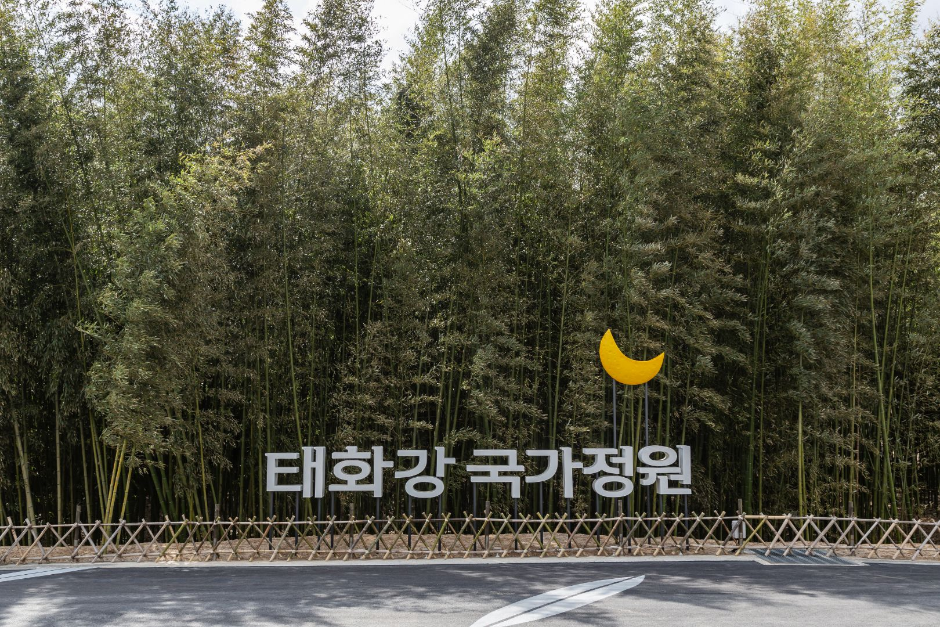
Taehwagang National Garden (Bamboo Grove)
태화강 국가정원 (십리대숲)Taehwagang National Garden (Bamboo Grove), Ulsan, South Korea
Taehwagang National Garden is South Korea’s 2nd National Garden, spanning 835,000 square meters centered upon the mystical 4-kilometer Simnidaesup Bamboo Grove and night Milky Way Trail.
Morning (around 09:30-10:00)
Details→
Daewangam Park & Suspension Bridge
대왕암공원 및 출렁다리Daewangam Park & Suspension Bridge, Ulsan, South Korea
Daewangam Park is an awe-inspiring coastal sanctuary of colossal rust-colored sea dragon rocks, 15,000 centenarian black pines, and Korea’s longest open-sea suspension bridge.
Morning (around 09:30-10:00)
Details→
Ganjeolgot Cape (Sunrise Point)
간절곶Ganjeolgot Cape (Sunrise Point), Ulsan, South Korea
Ganjeolgot is the celebrated easternmost cape of the Korean peninsula where the sunrise arrives first, famous for its 5-meter Giant Wish Postbox, windmills, and dramatic coastal cliffs.
Morning (around 09:30-10:00)
Details→