Ulsan•Heritage•Ancient Relic Site
Bangudae Petroglyphs (National Treasure)
반구대 암각화
Powered by Korea Tourism OrganizationAddress: Bangudae Petroglyphs (National Treasure), Ulsan, South Korea (울산광역시 울주군 언양읍 반구대안길 285 일원 (대곡천))
Editorial review pending

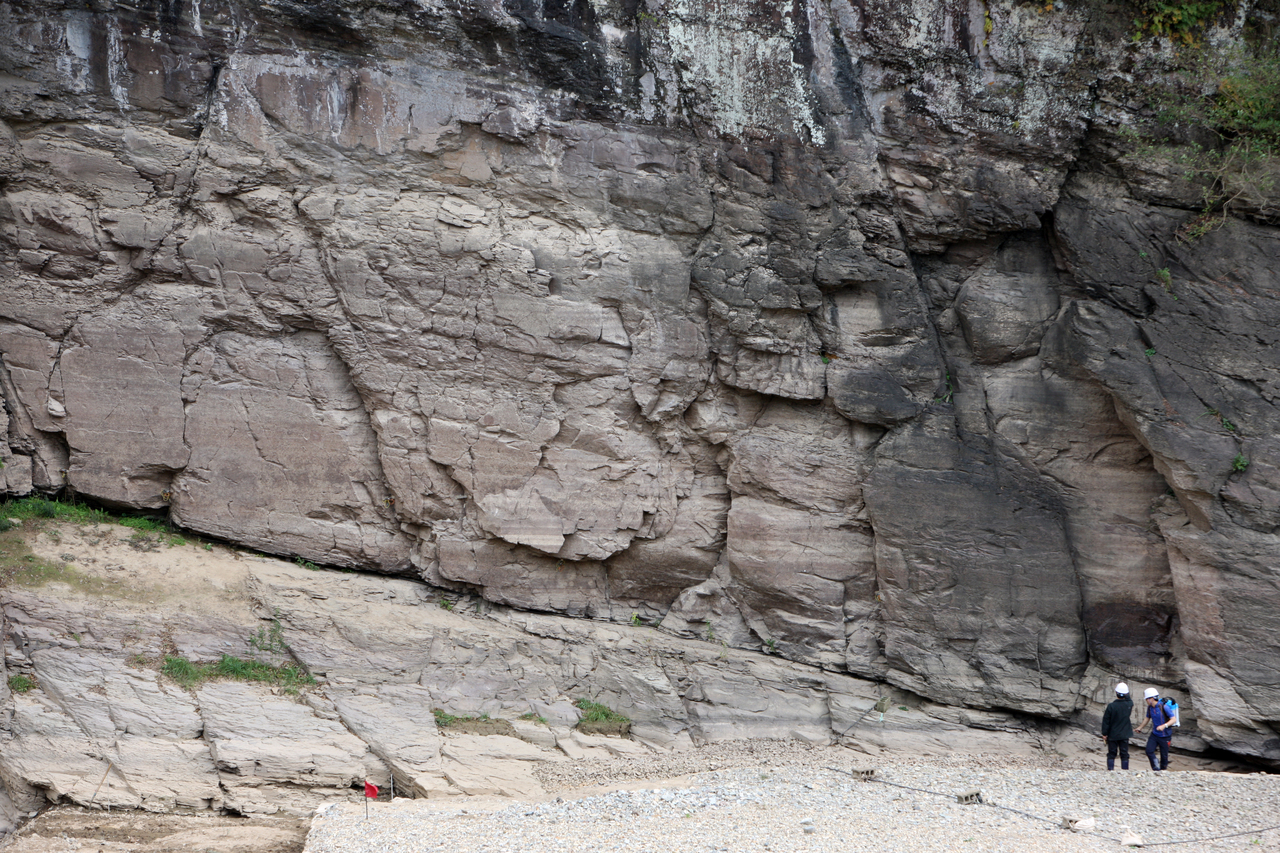
Bangudae Petroglyphs (National Treasure) representative scenic panoramaZoom


1 / 5
Bangudae Petroglyphs (National Treasure) representative scenic panorama
Curator's Guide & Overview
Comprehensive Guide1. Historical Origins & Cultural Background
Accidentally discovered on Christmas Day in 1971 by an archaeological survey team from Dongguk University, the Bangudae Petroglyphs (National Treasure No. 285) stunned global anthropologists: etched across a sheer vertical mudstone cliff measuring 10 meters wide and 3 meters high are over 300 prehistoric figures carved between 6,000 and 1,000 BC. It represents humanity’s earliest recorded evidence of ocean-going whaling, pre-dating Norwegian and Arctic petroglyphs by millennia.
2. Architectural Highlights & Key Structures
The masterwork depicts over 58 individual whales of various species—including North Pacific right whales, humpbacks, killer whales, and mother whales swimming with calves—alongside sophisticated human hunters wielding harpoons, large wooden boats carrying up to 18 people, hunting nets, and land wildlife including Siberian tigers, leopards, sika deer, wild boars, and shamans with feather headdresses.
3. Four Seasons Landscape & Seasonal Visiting Charms
Spring brings refreshing green shoots along the Daegokcheon stream walking path under weeping willows. Summer brings high water levels where the lower rock base is partially submerged. Autumn is the most rewarding viewing season, with low autumn water levels exposing the full cliff face and fiery maples framing the canyon. Winter offers serene stillness, crisp morning sunlight directly illuminating the cliff engravings, and peaceful migratory birds.
4. Operating Hours & Peak Viewing Times
The outdoor walking trail and observatory deck are open 24 hours daily with free access. Free high-powered optical and digital telescopes with automated magnification operate daily from 09:00 to 18:00. The indoor Ulsan Petroglyph Museum (shaped like a giant whale) operates Tuesday through Sunday from 09:00 to 18:00 (closed Mondays). Visiting between 14:00 and 16:30 during autumn and winter offers optimal diagonal sunlight highlighting the engraved relief grooves.
5. Admission Fees & Concessions (Youth/Foreigner Discounts)
Admission to the Bangudae Petroglyphs observation deck, the scenic riverside walking forest, and the Ulsan Petroglyph Museum is completely free of charge. Free parking is available at the Petroglyph Museum plaza.
6. Public Transit & Subway Exit Directions
From KTX Ulsan Station, board City Bus 348 or 308 and ride 20 minutes directly to the Ulsan Petroglyph Museum stop. From the museum, a serene, flat 1.2-kilometer nature trail follows the Daegokcheon Stream through bamboo and oak forests straight to the observation platform.
7. Barrier-Free Accessibility & Visitor Amenities
The 1.2-kilometer approach trail from the museum to the rock observatory is a flat, packed-gravel barrier-free eco-path accessible for strollers and manual wheelchairs. The Petroglyph Museum features passenger elevators, automated doors, tactile exhibits, and accessible restrooms. Wheelchairs are available for free loan at the museum desk.
8. Recommended Walking Route & Highlights Tour
Ulsan Petroglyph Museum entrance → tour interactive 3D digital replicas and whale bone artifacts → walk the scenic 1.2km shaded forest trail along Daegokcheon Stream → reach Bangudae Observatory Deck → use high-powered digital zoom telescopes to spot harpooned whales and tigers → visit adjacent Bangu Seowon Confucian Academy (approx. 2 hours).
9. Local Food Specialties & Regional Flavors
The surrounding Eonyang and Bonggye districts are world-renowned for Korean beef: charcoal-grilled Eonyang Bulgogi (sweet seasoned minced beef patties grilled over oak charcoal with garlic), fresh Hanwoo beef tartare (Yukhoe), and fresh wild water dropwort pork belly (Minari Samgyeopsal).
10. Dietary Options (Vegetarian, Halal & Allergen Guide)
Local village restaurants serve rustic wild mountain vegetable bibimbap (sanchae-bibimbap), freshly ground perilla kalguksu, and pan-fried potato cakes. Clean vegetarian dining is readily available at Eonyang market eateries.
11. Signature Photo Spots & Golden Hour Lighting
Best photo spots: the ancient weeping willows and stepping stones crossing the Daegokcheon Stream with morning mist rising, through the giant digital telescope viewer highlighting the etched whale engravings, and the modern whale-shaped architectural silhouette of the Ulsan Petroglyph Museum.
12. Visitor Etiquette & Cultural Property Regulations
Because the petroglyphs are carved on a fragile cliff face across the river channel, visitors observe from the designated wooden viewing platform. Do not attempt to wade across the river or disturb the wetland habitat. Drones are prohibited without cultural heritage permits.
13. Safety Precautions & 1330 Tourism Hotline Support
The Bangudae viewing platform is staffed by cultural docents and safety personnel. First aid supplies and automated external defibrillators (AED) are located at the museum and observation hut. Multilingual assistance is accessible via 1330.
14. Nearby Connected Attractions & Walking Links
The Cheonjeon-ri Petroglyphs (National Treasure No. 147) and dinosaur footprint beds lie 2 kilometers upstream, while the Yeongnam Alps Ganwoljae plateau sits 25 minutes west.
15. Frequently Asked Questions (FAQ)
Q: Can you see the carvings clearly across the river? A: Yes, the viewing platform is equipped with ultra-high-definition digital zoom monitors and optical binocular telescopes that clearly illuminate every carved detail of the whales, harpoons, and tigers on the cliff face across the stream.
16. Regional Extended Day Trip Itinerary
Morning visit to the Ulsan Petroglyph Museum → peaceful 1.2km stream walk to Bangudae Petroglyphs → charcoal-grilled Eonyang Bulgogi lunch → afternoon hike up to Yeongnam Alps Ganwoljae Reed Plain.
Essential Visitor Facts
Operating Hours
Outdoor Viewing Deck: Open 24/7 (Free telescopes 09:00 - 18:00); Ulsan Petroglyph Museum: 09:00 - 18:00 (Closed Mondays)
Admission / Price
Free Petroglyph Viewing & Free Museum Admission
Closed Days
Closed on Mondays/Tuesdays
Best Time to Visit
Morning (around 09:30-10:00)
Transit & Access Directions
KTX Ulsan Station -> Bus 348 or 308 to Ulsan Petroglyph Museum stop (20 min)
Accessibility & Special Amenities
Wheelchair ramps, tactile paving, accessible restrooms
Location Coordinates
Latitude: 35.6062
Longitude: 129.1764
Discover Themes & Highlights
Key interest areas and cultural highlights:
#bangudae-petroglyphs#VisitUlsan#KoreaTravelAtlas
Community Traveler Reviews0 Reviews
Visitor tips, feedback, and questions submitted by real travelers.
No community reviews submitted yet. Be the first traveler to share your experience!
Connected Cultural Destinations
Handpicked nearby attractions and regional cultural highlights.
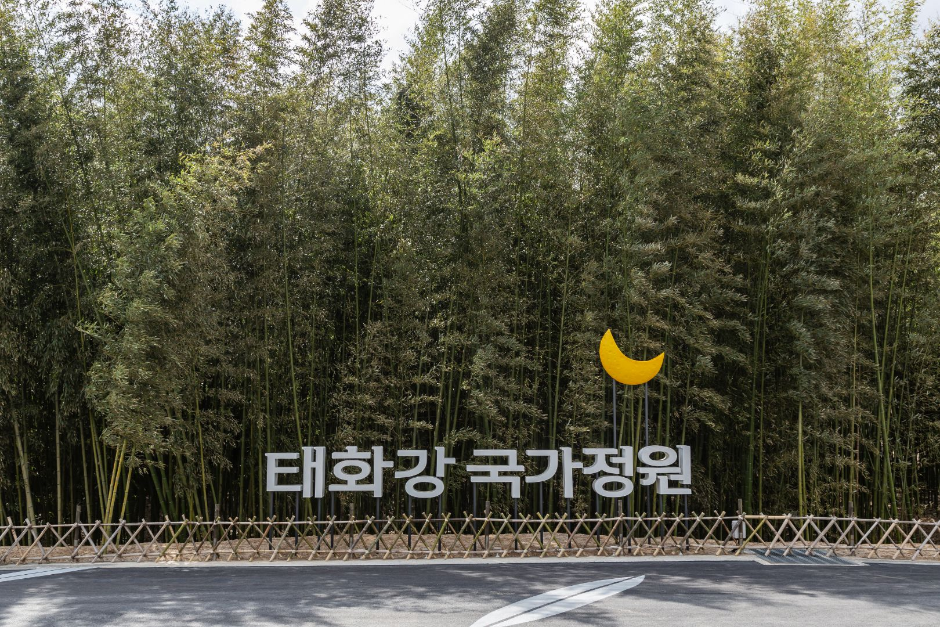
Taehwagang National Garden (Bamboo Grove)
태화강 국가정원 (십리대숲)Taehwagang National Garden (Bamboo Grove), Ulsan, South Korea
Taehwagang National Garden is South Korea’s 2nd National Garden, spanning 835,000 square meters centered upon the mystical 4-kilometer Simnidaesup Bamboo Grove and night Milky Way Trail.
Morning (around 09:30-10:00)
Details→
Jangsaengpo Whale Culture Village
장생포 고래문화마을Jangsaengpo Whale Culture Village, Ulsan, South Korea
Jangsaengpo Whale Culture Village is a nostalgic 100,000-square-meter retro maritime sanctuary recreating a 1970s whaling port alongside monorails, an aquarium, and whale eco-cruises.
Morning (around 09:30-10:00)
Details→
Yeongnam Alps (Ganwoljae Reed Plain)
영남알프스 간월재Yeongnam Alps (Ganwoljae Reed Plain), Ulsan, South Korea
Ganwoljae is the breathtaking 330,000-square-meter silver grass mountain plateau of the Yeongnam Alps, perched 900 meters above sea level between Mount Sinbulsan and Mount Ganwolsan.
Morning (around 09:30-10:00)
Details→
Bulguksa Temple (UNESCO)
불국사Bulguksa Temple (UNESCO), Gyeongju, Gyeongbuk, South Korea
Bulguksa Temple is a monumental UNESCO World Heritage Buddhist sanctuary founded in 751 under the unified Silla Dynasty on the slopes of Mount Tohamsan in Gyeongju. Renowned as the pinnacle of anci...
Morning (around 09:30-10:00)
Details→