Ulsan•Nature•Mountain & Trail
Yeongnam Alps (Ganwoljae Reed Plain)
영남알프스 간월재
Powered by Korea Tourism OrganizationAddress: Yeongnam Alps (Ganwoljae Reed Plain), Ulsan, South Korea (울산광역시 울주군 상북면 간월산길 일원 (영남알프스))
Editorial review pending

Yeongnam Alps (Ganwoljae Reed Plain) representative scenic panoramaZoom


+1More
1 / 6
Yeongnam Alps (Ganwoljae Reed Plain) representative scenic panorama
Curator's Guide & Overview
Comprehensive Guide1. Historical Origins & Cultural Background
Rising across the inland highlands where Ulsan, Miryang, and Yangsan converge, the Yeongnam Alps comprise nine majestic peaks exceeding 1,000 meters elevation whose undulating alpine ridges resemble the European Alps. Ganwoljae (900 meters above sea level) is the saddle pass cradled between Mount Sinbulsan (1,159m) and Mount Ganwolsan (1,069m). Centuries ago, it was a vital salt and cattle trading pass traversed by peddlers between the East Sea coastal ports and inland Gyeongsang markets.
2. Architectural Highlights & Key Structures
The geological plateau spans over 330,000 square meters (100,000 pyeong) draped in a continuous, unbroken sea of native silver grass (Eulalia / Eoksae). Wooden observation decks, wind-sculpted stone beacon towers (Bonghwadae), elevated boardwalks, and a European-style stone alpine refuge hut equipped with stone picnic terraces dot the open saddle.
3. Four Seasons Landscape & Seasonal Visiting Charms
Spring brings tender lime-green grass shoots carpeting the mountain slopes alongside purple wild azaleas. Summer provides crisp, cooling alpine breezes with temperatures 5 to 7 degrees Celsius cooler than coastal Ulsan. Autumn (late September to mid-November) is Ganwoljae’s world-famous season, when 330,000 square meters of silver grass burst into glittering, undulating waves that shimmer silver in the midday sun and burn fiery gold at sunset. Winter turns the saddle into a quiet, snow-capped alpine wilderness.
4. Operating Hours & Peak Viewing Times
The mountain hiking trails are accessible 24 hours daily with free access, but daytime hiking between 06:00 and 17:00 is strictly advised for mountain safety. The Ganwoljae Mountain Refuge Store operates daily from 10:00 to 16:30. The most popular easy access route from the Deer Farm (Saseum-nongjang) follows a gentle, paved fire road requiring 1.5 to 2 hours of moderate walking uphill.
5. Admission Fees & Concessions (Youth/Foreigner Discounts)
Admission to the Yeongnam Alps, hiking trails, and the Ganwoljae Reed Plateau is completely free of charge. Hot instant cup noodles (ramyeon) and bottled water at the mountain hut cost approximately 1,500 to 3,000 KRW. Parking at the Baenaegogae pass trailhead is free.
7. Barrier-Free Accessibility & Visitor Amenities
The classic access trail from the Deer Farm (6km) is a wide, smoothly graded gravel fire road without steep rock scrambles, allowing athletic walkers, baby strollers with rugged all-terrain wheels, and fit seniors to ascend comfortably. The plateau itself features elevated wooden boardwalks with handrails across the reed fields. Modern accessible restrooms are provided at the mountain refuge hut.
8. Recommended Walking Route & Highlights Tour
Start at Deer Farm trailhead → hike along the gentle 6km shaded forest fire road → emerge onto the open wind-blown saddle of Ganwoljae → walk the wooden boardwalk through the vast sea of silver grass → eat steaming cup noodles at the stone Mountain Refuge Hut → climb the wooden staircase toward Ganwolsan observation deck → descend via the same fire road (approx. 4 to 5 hours round trip).
9. Local Food Specialties & Regional Flavors
The legendary tradition at Ganwoljae is eating piping-hot cup ramyeon on the outdoor wooden benches while gazing out across the rustling silver grass plain. Down in the valley in Eonyang, hikers feast on iconic charcoal-grilled Eonyang Bulgogi, hand-made acorn jelly, and chilled makgeolli rice wine.
10. Dietary Options (Vegetarian, Halal & Allergen Guide)
Hikers can bring plant-based trail snacks like gimbap, energy bars, and fruit. Down at the base, traditional restaurants serve mountain vegetable bibimbap, pan-fried potato pancakes, and tofu stews.
11. Signature Photo Spots & Golden Hour Lighting
Unforgettable photo spots: standing on the wooden boardwalk completely surrounded by a shimmering sea of head-high silver grass, the stone monument marker of Ganwoljae with the jagged crags of Mount Sinbulsan rising behind it, and late afternoon golden hour when the entire plateau blazes in amber light.
12. Visitor Etiquette & Cultural Property Regulations
Strict environmental conservation rules apply: do not step off boardwalks into protected silver grass root beds. Smoking, campfires, and cooking stoves are strictly prohibited across the entire mountain. All garbage (including instant noodle broth) must be packed down the mountain.
13. Safety Precautions & 1330 Tourism Hotline Support
The Ganwoljae Mountain Refuge is staffed by mountain rescue rangers and equipped with emergency first aid supplies and an automated defibrillator (AED). Emergency rescue helicopter pads are maintained on the saddle. Dial 119 or 1330 for assistance.
14. Nearby Connected Attractions & Walking Links
The prehistoric Bangudae Petroglyphs lie 25 minutes down the valley by bus, while the historic Tongdosa Temple sits 30 minutes south across the regional boundary.
15. Frequently Asked Questions (FAQ)
Q: Is the hike difficult for beginners? A: When using the popular Deer Farm (Baenaegogae) approach, the trail is a wide, continuous gentle gravel road with no steep climbs, making it an easy 1.5-hour nature walk suitable for beginners and families with children.
16. Regional Extended Day Trip Itinerary
Morning hike from Deer Farm to Ganwoljae Reed Plain → cup ramyeon lunch with panoramic mountain views → afternoon descent and drive to Eonyang for world-famous charcoal-grilled bulgogi dinner.
Essential Visitor Facts
Operating Hours
Open 24/7 (Daylight hiking recommended 06:00 - 17:00 for mountain safety; Mountain Refuge Store 10:00 - 16:30)
Admission / Price
Free Mountain Trail & Plateau Access
Closed Days
Open 365 Days
Best Time to Visit
Morning (around 09:30-10:00)
Transit & Access Directions
KTX Ulsan Station -> Bus 304 or 323 to Deer Farm (Saseum-nongjang / Baenaegogae) trailhead (40 min ride)
Accessibility & Special Amenities
Wheelchair ramps, tactile paving, accessible restrooms
Location Coordinates
Latitude: 35.5492
Longitude: 129.0498
Discover Themes & Highlights
Key interest areas and cultural highlights:
#yeongnam-alps-ganwoljae#VisitUlsan#KoreaTravelAtlas
Community Traveler Reviews0 Reviews
Visitor tips, feedback, and questions submitted by real travelers.
No community reviews submitted yet. Be the first traveler to share your experience!
Connected Cultural Destinations
Handpicked nearby attractions and regional cultural highlights.
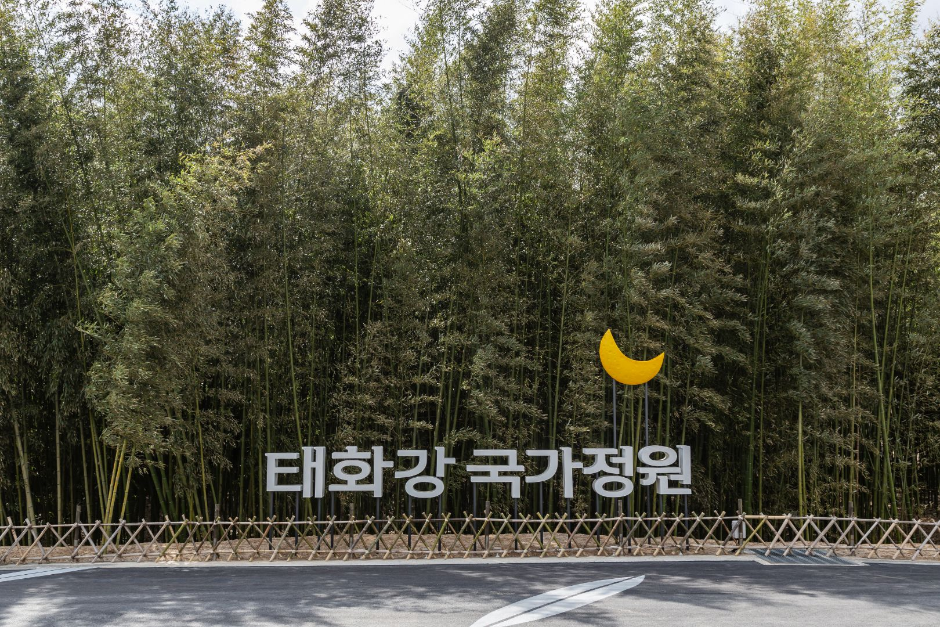
Taehwagang National Garden (Bamboo Grove)
태화강 국가정원 (십리대숲)Taehwagang National Garden (Bamboo Grove), Ulsan, South Korea
Taehwagang National Garden is South Korea’s 2nd National Garden, spanning 835,000 square meters centered upon the mystical 4-kilometer Simnidaesup Bamboo Grove and night Milky Way Trail.
Morning (around 09:30-10:00)
Details→
Daewangam Park & Suspension Bridge
대왕암공원 및 출렁다리Daewangam Park & Suspension Bridge, Ulsan, South Korea
Daewangam Park is an awe-inspiring coastal sanctuary of colossal rust-colored sea dragon rocks, 15,000 centenarian black pines, and Korea’s longest open-sea suspension bridge.
Morning (around 09:30-10:00)
Details→
Bangudae Petroglyphs (National Treasure)
반구대 암각화Bangudae Petroglyphs (National Treasure), Ulsan, South Korea
Bangudae Petroglyphs is a designated National Treasure and UNESCO Tentative World Heritage cliff carving along Daegokcheon Stream, preserving 7,000-year-old prehistoric whaling and wildlife art.
Morning (around 09:30-10:00)
Details→
Tongyeong Dongpirang Mural Village
통영 동피랑 벽화마을Tongyeong Dongpirang Mural Village, Tongyeong, Gyeongnam, South Korea
Tongyeong Dongpirang Mural Village is South Korea’s pioneering cliffside art community, perched above Gangguan Harbor, where colorful rotating street murals, charming rooftop cafes, and the histori...
Morning (around 09:30-10:00)
Details→