Ulsan•Culture•Cultural Village
Jangsaengpo Whale Culture Village
장생포 고래문화마을
Powered by Korea Tourism OrganizationAddress: Jangsaengpo Whale Culture Village, Ulsan, South Korea (울산광역시 남구 장생포고래로 244 (매암동))
Editorial review pending

Jangsaengpo Whale Culture Village representative scenic panoramaZoom
+1More
1 / 6
Jangsaengpo Whale Culture Village representative scenic panorama
Curator's Guide & Overview
Comprehensive Guide1. Historical Origins & Cultural Background
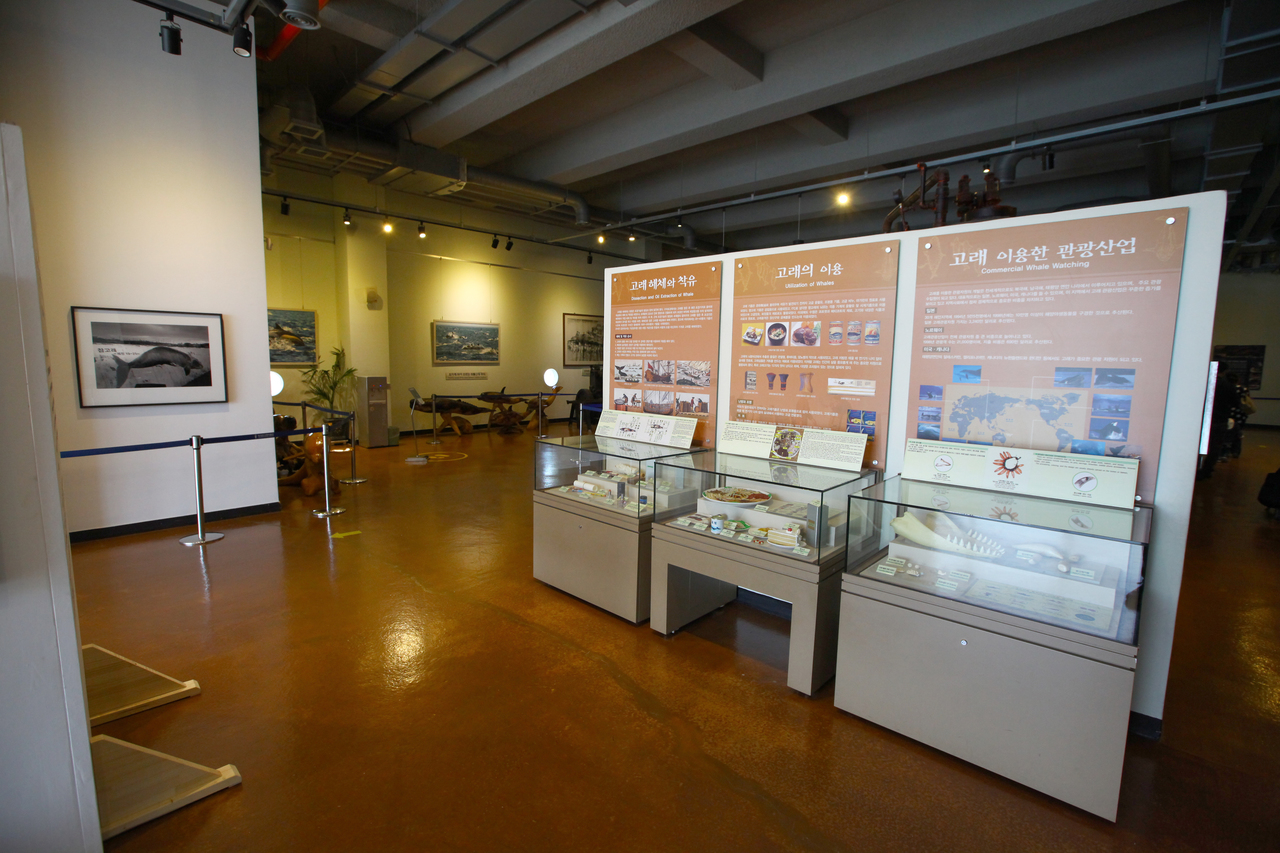
For centuries since the late Joseon Dynasty and through the mid-20th century, Jangsaengpo was the vibrant epicentre of Korean commercial whaling, home to over 20 whaling vessels and processing stations supplying whale meat and oil to the nation until commercial whaling was completely banned in 1986 under the International Whaling Commission (IWC) convention. Rather than burying this maritime chapter, Ulsan transformed the historic harbor into an international eco-cultural sanctuary dedicated to marine conservation and heritage education.
2. Architectural Highlights & Key Structures
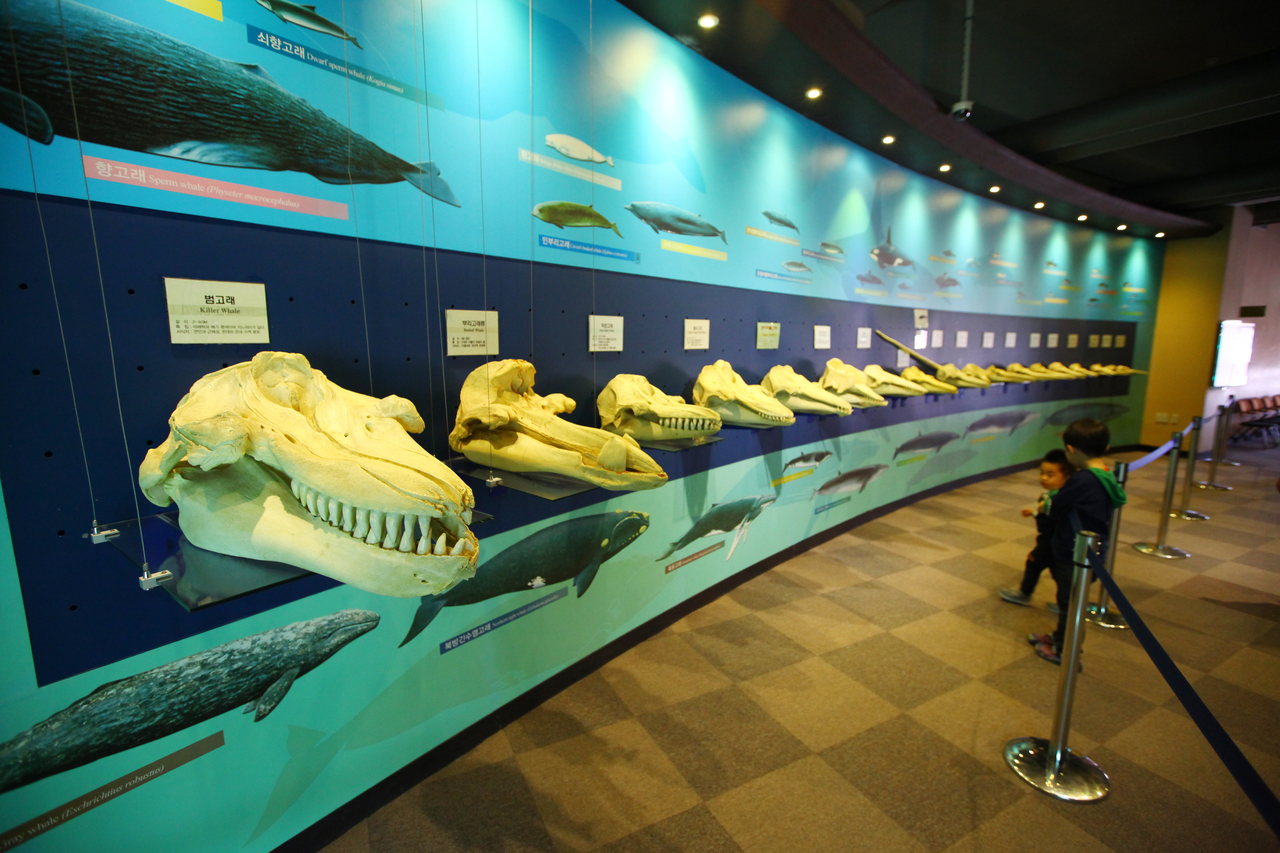
The 102,412-square-meter hillside village meticulously reconstructs 23 historical buildings from the 1960s and 70s: the captain's house, the whale butchering yard, the village barber shop, retro dabang coffee salons, and the Post Office. The elevated Jangsaengpo Monorail glides 1.3 kilometers around the village canopy, while the nearby waterfront features the Whale Museum, the Whale Life Experience Center (live dolphins and undersea tunnel), and the Whale Ocean Cruise vessel.
3. Four Seasons Landscape & Seasonal Visiting Charms
Spring features blooming hydrangeas during the famous Jangsaengpo Hydrangea Festival, painting the hill in pastel blue and violet. Summer provides open-air sea breezes and live retro street theater performances. Autumn fills the whale sculpture park with crisp sunshine and golden reeds overlooking Ulsan Harbor. Winter offers cozy nostalgia inside heated vintage classrooms, sampling freshly baked sweet whale-shaped pastries.
4. Operating Hours & Peak Viewing Times
The Whale Culture Village is open Tuesday through Sunday from 09:00 to 18:00 (last admission 17:30; closed every Monday, New Year's Day, and traditional holidays). Visiting on weekday mornings allows travelers to explore the retro classroom and vintage shops without queuing for retro school uniform photo sessions.
5. Admission Fees & Concessions (Youth/Foreigner Discounts)
Admission to the reconstructed 1970s Whale Culture Village is an economical 2,000 KRW for all visitors. The panoramic 1.3-kilometer circulating Jangsaengpo Monorail costs 11,000 KRW for adults and 7,000 KRW for children. A comprehensive multi-pass covering all four whale attractions is available for 7,200 KRW.
6. Public Transit & Subway Exit Directions
From Taehwagang Station (Donghae Line and KTX connections), take City Bus 246 or 407 directly to the 'Jangsaengpo Whale Museum' stop in roughly 20 minutes. Modern tourist signs lead straight up the pedestrian path to the village ticket plaza.
7. Barrier-Free Accessibility & Visitor Amenities
The retro village features smoothly paved gentle incline pathways and wooden ramps connecting main buildings, allowing access for strollers and wheelchairs. The modern monorail station features passenger elevators and boarding assistance. Wheelchair accessible restrooms and nursing rooms are available at the entrance plaza and inside the cultural center.
8. Recommended Walking Route & Highlights Tour
Enter Village Gate → try on vintage 1970s Korean school uniforms at the costume boutique → explore the Captain's House and vintage Barber Shop → write a postcard at the retro Post Office → board the 1.3-kilometer circulating Monorail for aerial views of Ulsan Port → stroll through the Life-Size Whale Sculpture Park → taste hot Whale-shaped pastries (approx. 2 hours).
9. Local Food Specialties & Regional Flavors
Local food traditions are centered on Jangsaengpo Harbor: Gorae-ppang (sweet whale-shaped pastries stuffed with red bean paste or cream), hearty beef Gomtang soup, and fresh seafood stews. The retro village dabang cafe serves traditional Ssanghwa herbal tea and retro drip coffees.
10. Dietary Options (Vegetarian, Halal & Allergen Guide)
Village snack stalls offer vegetarian treats: sweet pumpkin sikhye, roasted sweet potatoes, and corn on the cob. Neighboring harbor restaurants provide vegetarian bibimbap bowls, seaweed soups, and fresh fruit juices.
11. Signature Photo Spots & Golden Hour Lighting
Top photo spots: posing in retro 1970s Korean school uniforms outside the vintage village arcade, standing under the colossal life-size 30-meter Blue Whale sculpture in the Prehistoric Park, and capturing the sleek red monorail gliding across the colorful village rooflines.
12. Visitor Etiquette & Cultural Property Regulations
Respect the historic sets by not defacing or removing vintage props and antiques. Stay on designated boardwalks around life-size whale sculptures. Monorail passengers must remain seated with seatbelts fastened at all times.
13. Safety Precautions & 1330 Tourism Hotline Support
A first aid nurse station is housed at the village ticket plaza. Security personnel and guides are stationed in all major historical buildings. Multi-language tourist interpretation is available via 1330.
14. Nearby Connected Attractions & Walking Links
The waterfront Whale Museum and Dolphin Experience Center sit just 5 minutes walk down the hill, while the Ulsan Bridge Observatory lies 10 minutes north by taxi.
15. Frequently Asked Questions (FAQ)
Q: Can visitors rent retro school uniforms? A: Yes, a costume rental boutique operates inside the village, offering authentic 1970s high school uniforms, armbands, and retro school bags for just 3,000 KRW per hour.
16. Regional Extended Day Trip Itinerary
Morning visit to Jangsaengpo Whale Culture Village and retro uniform experience → ride the scenic 1.3km Monorail → lunch of Gomtang or seafood stew at Jangsaengpo Harbor → afternoon dolphin viewing at the Whale Life Experience Center.
Essential Visitor Facts
Operating Hours
Tue - Sun 09:00 - 18:00 (Last ticket 17:30, Closed Mondays and New Year’s Day)
Admission / Price
Whale Culture Village: 2,000 KRW; Monorail: Adults 11,000 KRW / Children 7,000 KRW
Closed Days
Open 365 Days
Best Time to Visit
Morning (around 09:30-10:00)
Transit & Access Directions
Taehwagang Station -> City Bus 246 or 407 to Jangsaengpo Whale Museum stop (20 min)
Accessibility & Special Amenities
Wheelchair ramps, tactile paving, accessible restrooms
Location Coordinates
Latitude: 35.5085
Longitude: 129.3802
Discover Themes & Highlights
Key interest areas and cultural highlights:
#jangsaengpo-whale-village#VisitUlsan#KoreaTravelAtlas
Community Traveler Reviews0 Reviews
Visitor tips, feedback, and questions submitted by real travelers.
No community reviews submitted yet. Be the first traveler to share your experience!
Connected Cultural Destinations
Handpicked nearby attractions and regional cultural highlights.

Gamcheon Culture Village
감천문화마을203 Gamnae 2-ro, Saha-gu, Busan
Gamcheon Culture Village in Saha-gu, Busan, is a vibrant hillside community celebrated as "Korea's Santorini" or "Machu Picchu of Busan" for its terraced rows of pastel-hued residences clinging to ...
HalalMorning (around 09:30-10:00)
Details→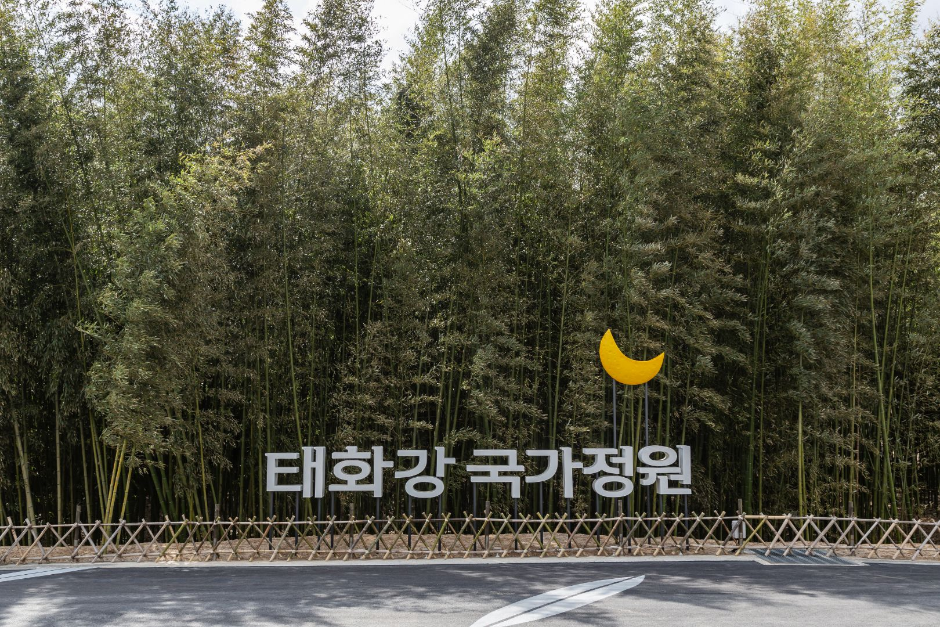
Taehwagang National Garden (Bamboo Grove)
태화강 국가정원 (십리대숲)Taehwagang National Garden (Bamboo Grove), Ulsan, South Korea
Taehwagang National Garden is South Korea’s 2nd National Garden, spanning 835,000 square meters centered upon the mystical 4-kilometer Simnidaesup Bamboo Grove and night Milky Way Trail.
Morning (around 09:30-10:00)
Details→
Daewangam Park & Suspension Bridge
대왕암공원 및 출렁다리Daewangam Park & Suspension Bridge, Ulsan, South Korea
Daewangam Park is an awe-inspiring coastal sanctuary of colossal rust-colored sea dragon rocks, 15,000 centenarian black pines, and Korea’s longest open-sea suspension bridge.
Morning (around 09:30-10:00)
Details→
Ganjeolgot Cape (Sunrise Point)
간절곶Ganjeolgot Cape (Sunrise Point), Ulsan, South Korea
Ganjeolgot is the celebrated easternmost cape of the Korean peninsula where the sunrise arrives first, famous for its 5-meter Giant Wish Postbox, windmills, and dramatic coastal cliffs.
Morning (around 09:30-10:00)
Details→